Tingüindín
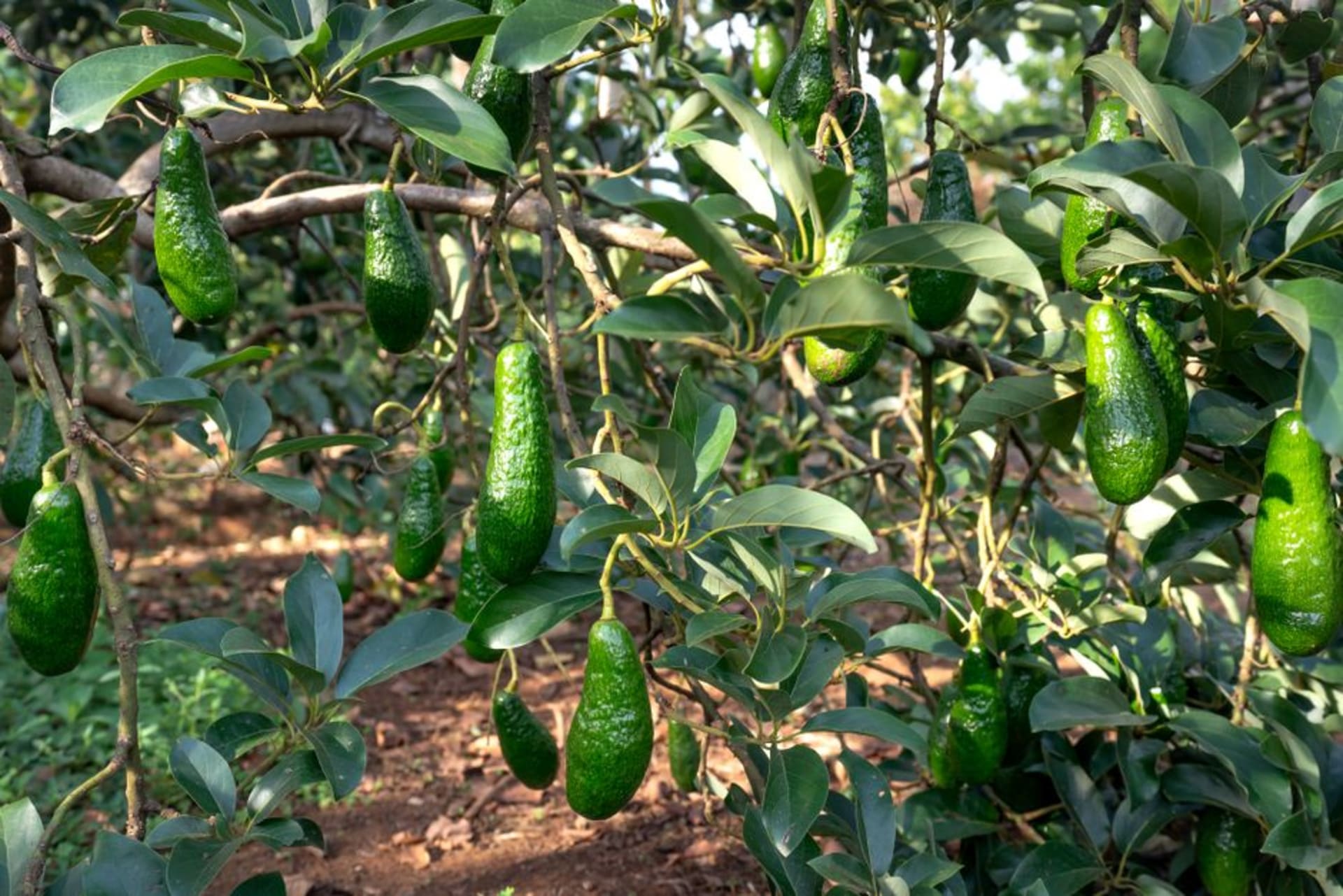
"I ate avocado three ways at breakfast and the vendor looked at me like I had only just discovered the point of Michoacán."
A small Purepecha town deep in Michoacán's avocado belt, where the Sunday tianguis overflows with fruit you will not find in any city and a 16th-century open chapel stands in quiet conversation with the surrounding orchards.

I came to Tingüindín on a Sunday because someone in Zamora told me the market was worth the detour. That turned out to be one of the more useful pieces of advice I have received in this country. I arrived before eight in the morning — the light still low and the stalls already packed — and by the time I found a plastic stool and a plate of enfrijoladas, I had been handed slices of three different avocado varieties by vendors who seemed to regard my surprise as a mild failure of education. The town sits at about 1,600 meters in the cañada region west of Uruapan, and almost every family you speak to has trees.
The Sunday Tianguis and the Avocado Belt
The weekly market fills the streets around the plaza and spills down the side lanes toward the ex-convent. What separates it from the Sunday markets in larger towns is the density of produce that comes directly from family orchards rather than wholesale suppliers. You will find Hass, but also criollo varieties — smaller, with thinner skin and a flavour that makes the Hass taste polite by comparison. Vendors also sell guayaba, tejocotes when in season, and cheeses from nearby ranchos. I bought a kilo of criollo avocados for a price that still seems implausible when I think about it. The thing nobody explains beforehand is that the market is also a social occasion: families greet each other across tarpaulins, transactions happen slowly, and if you try to move through efficiently you will simply fail. Settle in, let someone recommend the memelas from the woman two stalls down, and accept that Sunday morning has a different pace here.

The Open Chapel of the Ex-Convent
The Franciscan ex-convent of Santiago Apóstol dates to the mid-16th century, and its open chapel — capilla abierta — is the reason I stayed longer than I planned. Open chapels were built so that indigenous communities too large for the nave could hear Mass from the atrium, and this one has the spare, confident geometry of early colonial construction: a wide arch, plain stone walls, and almost no ornamentation. What strikes me is how well it fits the landscape — the orchards and the sierra visible beyond the churchyard, the scale human rather than imposing. On a weekday it is essentially deserted, which suits it. I sat on the steps for half an hour and nobody bothered me. That, too, felt like part of the point.

Eating in Town
Outside of market day the food options are modest. My table at a comedor on the main street produced a sopa de fideos, arroz con leche, and a bowl of atole de guayaba that I did not expect and was very glad to receive. The taquizas along the market perimeter on Sunday mornings are worth eating at twice. Carnitas and chicharrón, the way Michoacán does it — cooked in copper, sold by weight, eaten standing up.

Getting There
Tingüindín is about 45 minutes northwest of Uruapan by road. Colectivos leave from Uruapan’s central bus terminal toward Peribán and pass through Tingüindín; the fare is minimal. There is no reason to come on any day other than Sunday unless the ex-convent is your primary interest — in which case, come on a weekday and have it to yourself.
Keep exploring
More of Michoacán
Keep exploring
More from Michoacán
 mexico
 Tingüindín
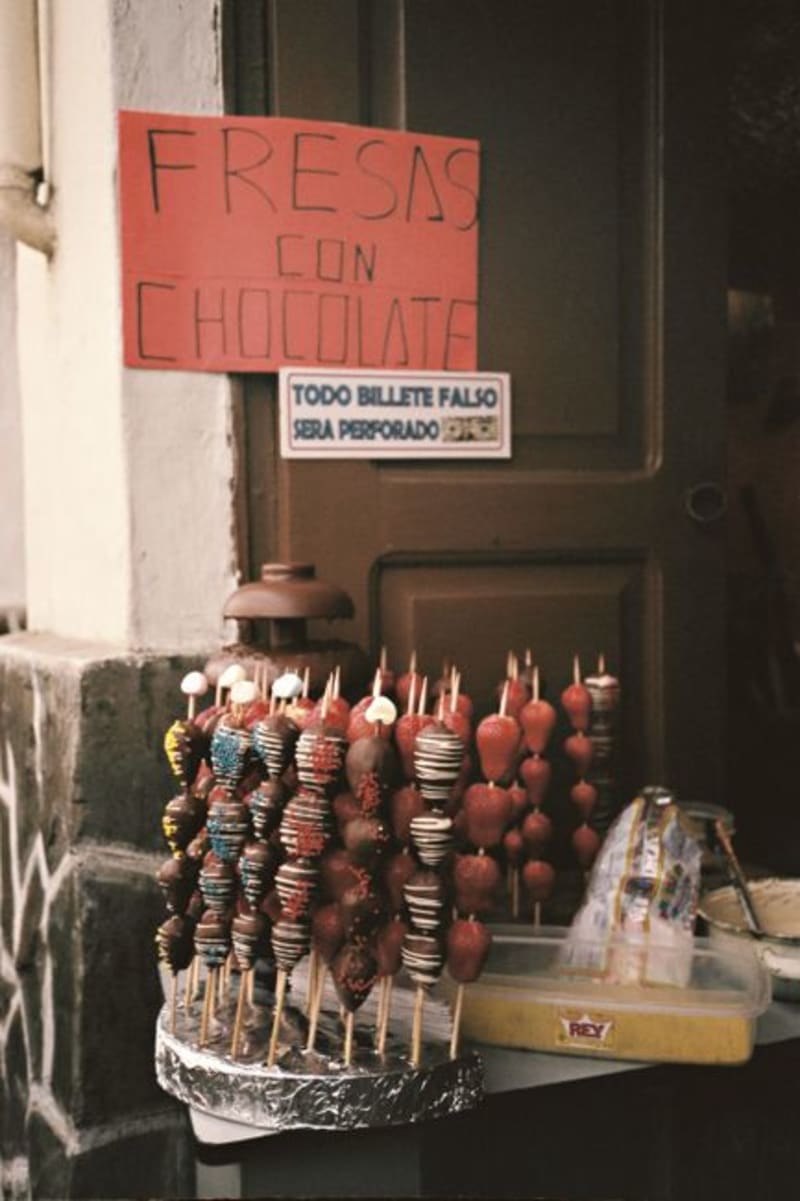
A small Purépecha town in the strawberry heartland of Michoacán, Tingüindín is the kind of place where the main activity is eating fresas con crema at a plastic table by the plaza and watching the morning unfold. The surrounding hills roll out in strawberry fields that turn pink-white in spring, and roadside vendors sell trays of berries by the kilo for less than it costs to think about it.
Explore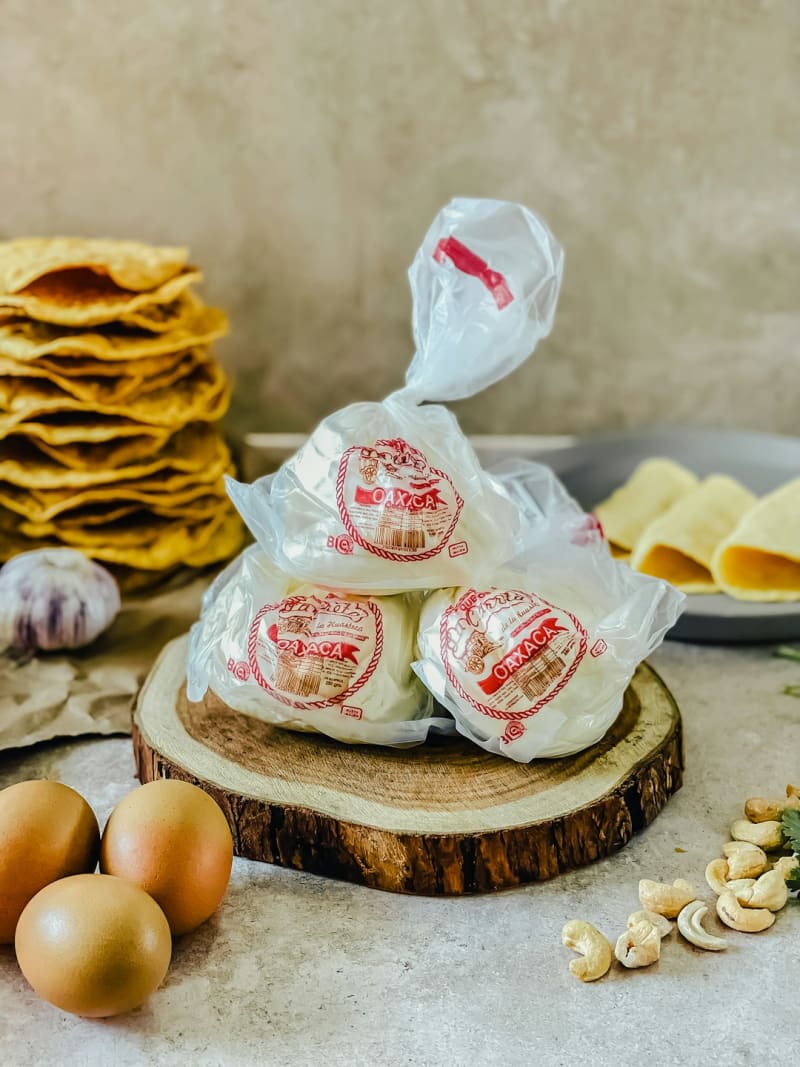 mexico
 Cotija
This small Michoacán Pueblo Mágico gave its name to the pungent, crumbly aged cheese found on every tostada across Mexico — arriving here feels like discovering the source of something you have always taken for granted. The baroque Parroquia de San José anchors a handsome colonial plaza, while the ranchos dotting the surrounding hills have been producing that same sharp wheel the same way for four centuries.
Explore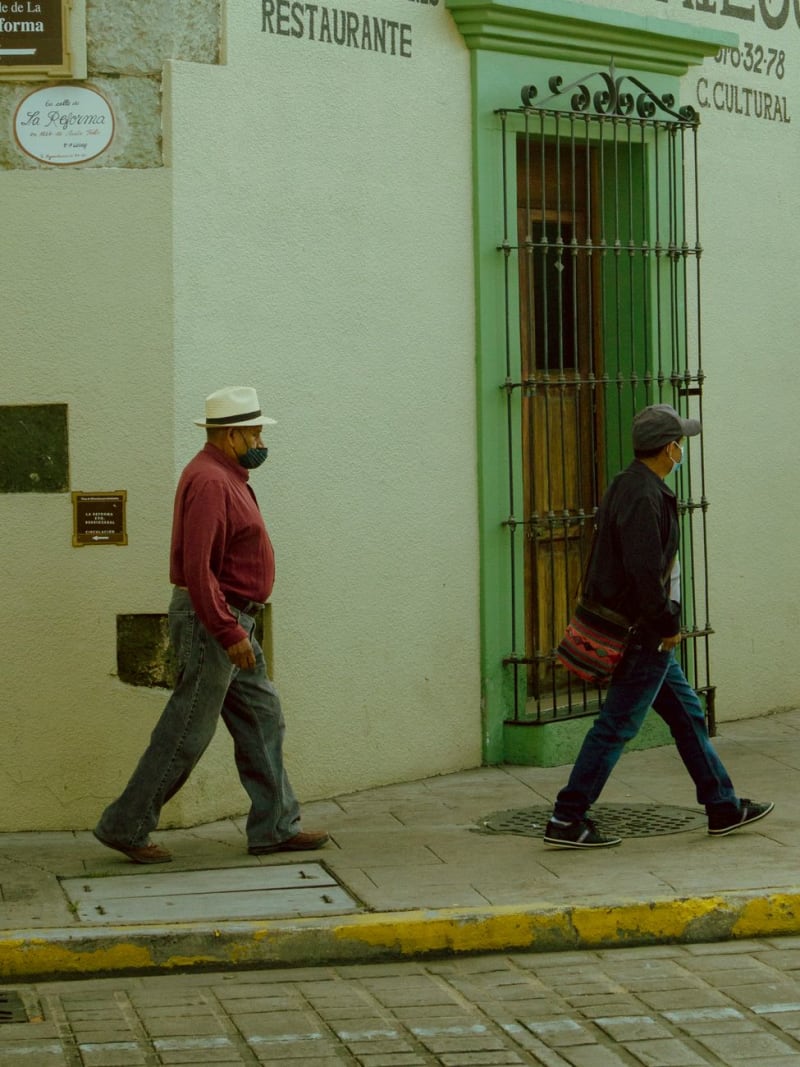 mexico
 Jiquilpan
Jiquilpan is a small city in western Michoacán's strawberry country, remarkable primarily as the birthplace of Lázaro Cárdenas — the president who nationalized Mexico's oil industry in 1938 in what may be the most consequential economic act in twentieth-century Mexican history. The house where he was born is now a cultural center with documents, photographs, and the personal effects of a man who redistributed more land to Mexican campesinos than anyone before or since. The Biblioteca Pública has Orozco murals.
Explore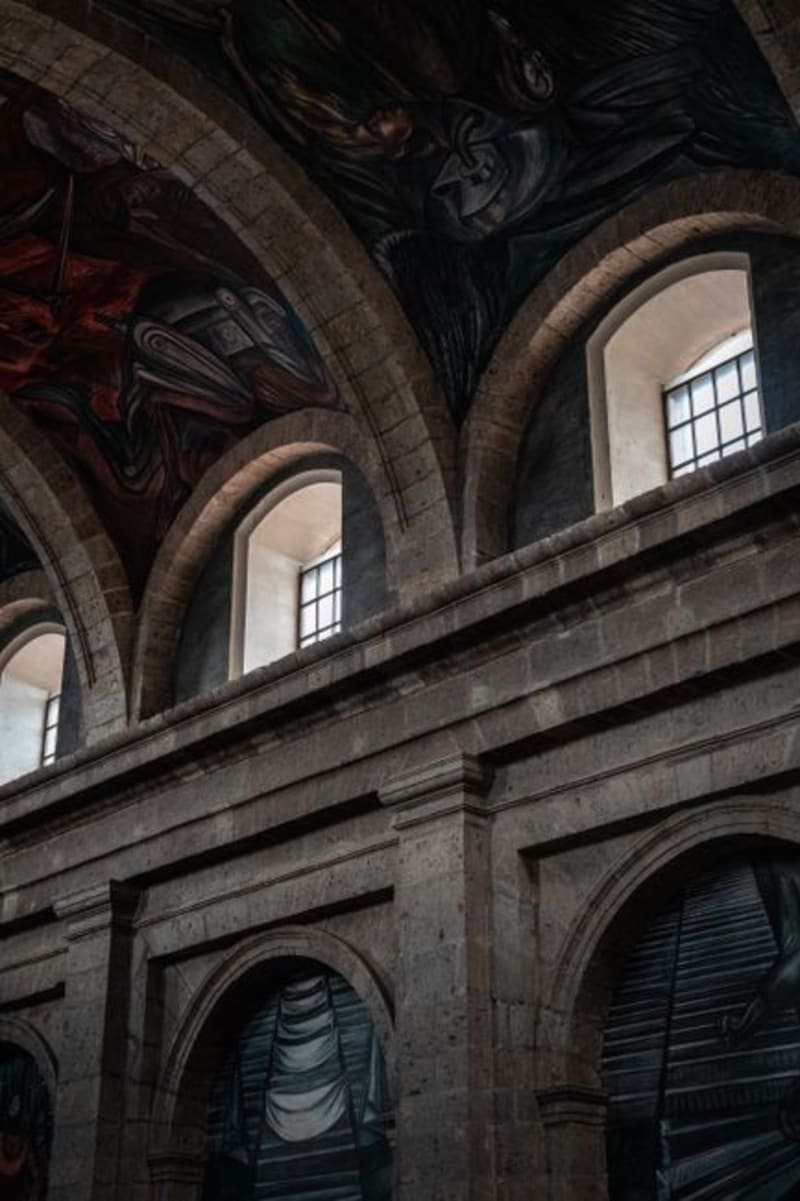 mexico
 Jiquilpan
A quiet colonial town in western Michoacán, Jiquilpan holds one of the most astonishing mural cycles in Mexico — José Clemente Orozco covering the entire interior of a public library — along with the birthplace legacy of Lázaro Cárdenas and a Sunday market that still runs on carnitas and unhurried conversation.
Explore mexico
 Zamora
Zamora is best known for two things that have nothing obvious to do with each other: a colossal unfinished neogothic cathedral that looms over the city center like a frozen promise, and the fact that it produces more cut roses than almost anywhere else in Mexico. The flower markets are worth the trip on their own.
Explore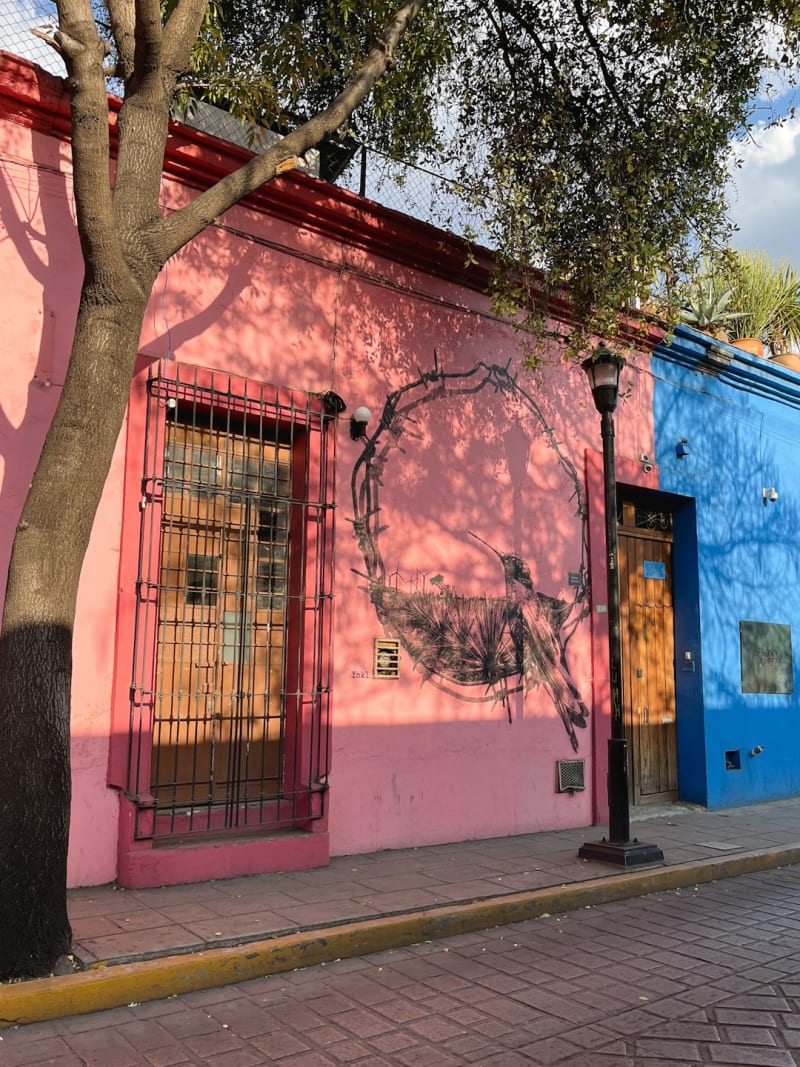 mexico
 Peribán
Every March, the volcanic slopes around Peribán turn pink and white when thousands of Japanese cherry trees bloom — an improbable collision of Purépecha tradition and East Asian aesthetics that drew me in for a single afternoon and kept me for three days. Outside blossom season, this Pueblo Mágico is an avocado-and-berry town where the produce market still runs on a handshake.
Explore