Peribán
"I drove up expecting blossoms and ended up staying three days — the family making tamales by the church had no reason to rush, and neither, it turned out, did I."
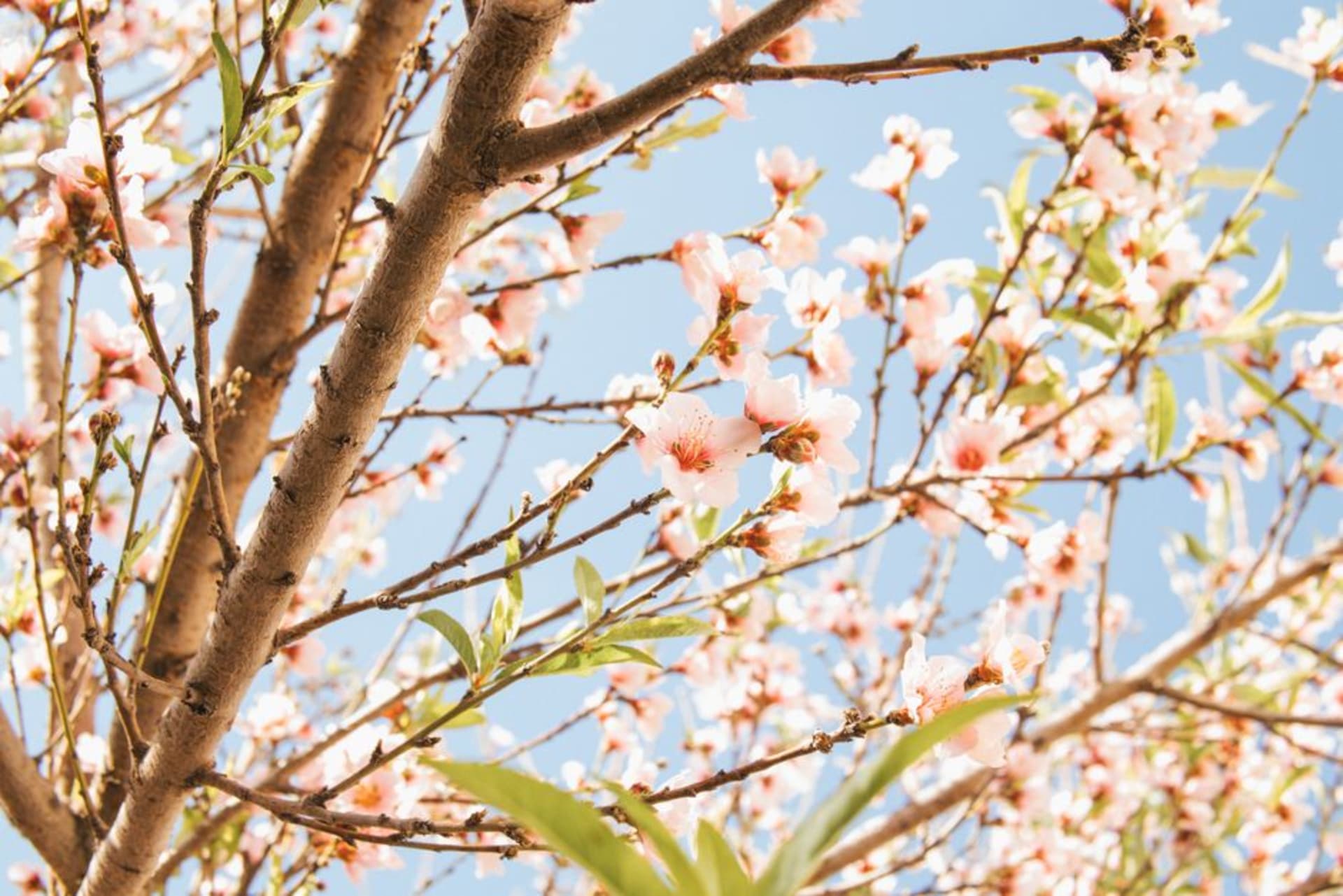
Every March, the volcanic slopes around Peribán turn pink and white when thousands of Japanese cherry trees bloom — an improbable collision of Purépecha tradition and East Asian aesthetics that drew me in for a single afternoon and kept me for three days. Outside blossom season, this Pueblo Mágico is an avocado-and-berry town where the produce market still runs on a handshake.

I arrived on a Tuesday in early March with no reservation and a cooler bag for the drive back. The road from Uruapan climbs fast, and by the time I reached the edge of town the air had that particular cold-clean quality of altitude. A woman on the corner was selling uchepos — fresh corn tamales wrapped in green husks — from a zinc tub. I bought two, ate them standing against the hood of my car, and that was the moment I understood that Peribán had absolutely no interest in performing for visitors. It just goes about its business, and you either slow down to match or you leave.
The Blossoms Below Tancítaro
The cherry trees — sakura, properly, though locals tend to call them simply cerezos japoneses — were planted decades ago on orchard land along the flanks of the Tancítaro volcano. Nobody seems entirely certain how many there are now, but in peak bloom the hillsides north of town look like a painting someone deemed too pink to be believable. I walked the dirt paths through the orchards around seven in the morning before the day-trippers arrived from Uruapan, frost still on the grass, the volcano sharp and white-capped behind the canopy. The Purépecha farmers who work this land have incorporated the blossom season into their calendar the same way they have everything else — practically, without ceremony. An older man named Aurelio let me cut through his property and charged me nothing, only asking if I wanted coffee from the thermos his daughter had packed. I did.

The Market and What It Tells You
The Mercado Municipal sits a block off the main plaza and is worth arriving at before nine. Peribán’s agricultural identity is right there on the stalls: avocados in four varieties, zarzamoras — blackberries — piled in plastic cups for a price that made me laugh out loud, strawberries by the flat, and tejocotes in season. I had a bowl of corunda with salsa verde at a counter near the back, served by a woman who asked where I was from and then told me her daughter had lived in Lyon for two years and found it gray. The market is not for tourists; it is for the town’s weekly provisioning, which is exactly why it is interesting. I spent forty minutes there and left with more blackberries than I could reasonably eat before they went soft.

The Plaza After Dark
By eight o’clock the main plaza empties of families and fills with adolescents doing the things adolescents do everywhere — circling, talking, eating esquites from styrofoam cups. The parish church, Parroquia de San Francisco de Asís, is lit softly from below, and a group of older men play dominoes at a folding table near the kiosk. There is one small restaurant on the east side of the square where I ate carnitas two nights running because the cook’s lard technique was that good — slow-rendered, finished with orange and chiles secos, served with handmade tortillas from a press behind the counter.

Getting There
Peribán is about 40 minutes by car from Uruapan, heading southwest on the libre road through Los Reyes. There are combis from the Uruapan bus terminal if you do not have a car, running until early evening. The blossom season typically peaks between late February and mid-March depending on the year; outside that window, the town is quieter and, honestly, equally worth visiting.
Keep exploring
More of Michoacán
Keep exploring
More from Michoacán
 mexico
 Paricutín
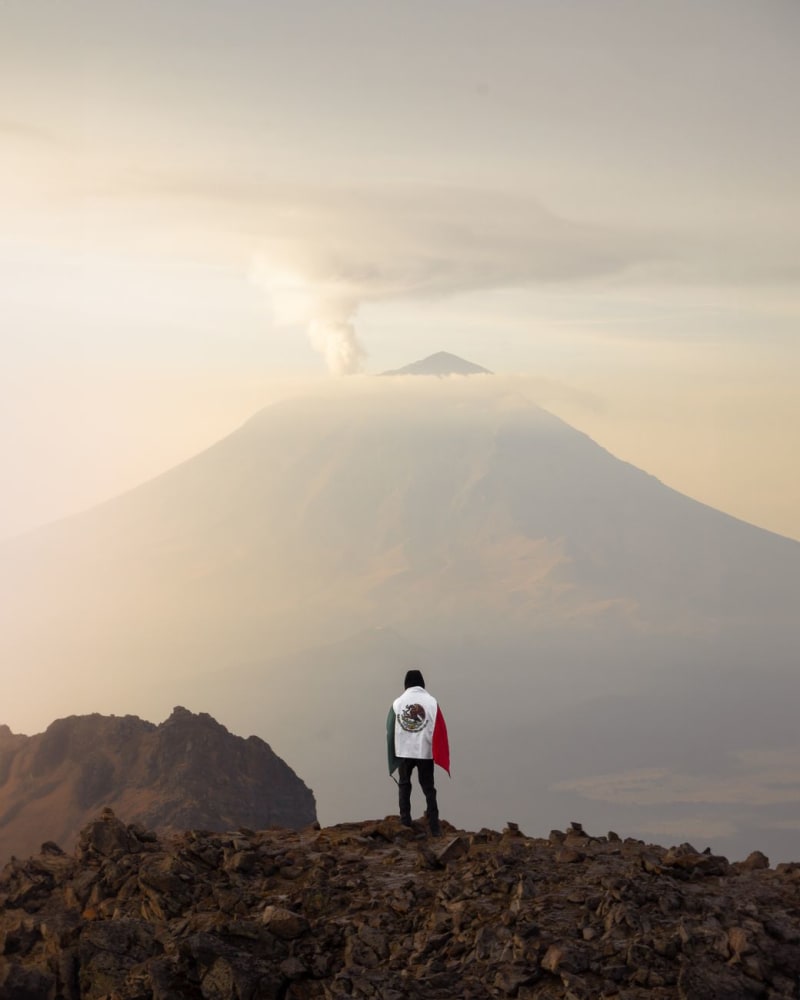
On February 20, 1943, a farmer named Dionisio Pulido heard a rumbling from his cornfield near the P'urhépecha village of Paricutín, and by the next morning there was a ten-meter cone of ash and rock where his crop had been. The volcano that grew from that cornfield buried two villages and grew 336 meters in its first year; the cone is still there, dormant since 1952, and at San Juan Parangaricutiro the church tower of the buried village still rises from the solid black lava field like something a medieval painter might have put in a vision of the end of the world. You walk to it across the lava on a horse or on foot, in morning light that makes the black rock go almost purple, and stand at the tower and try to think about what 1943 was like for the people who watched this happen.
Explore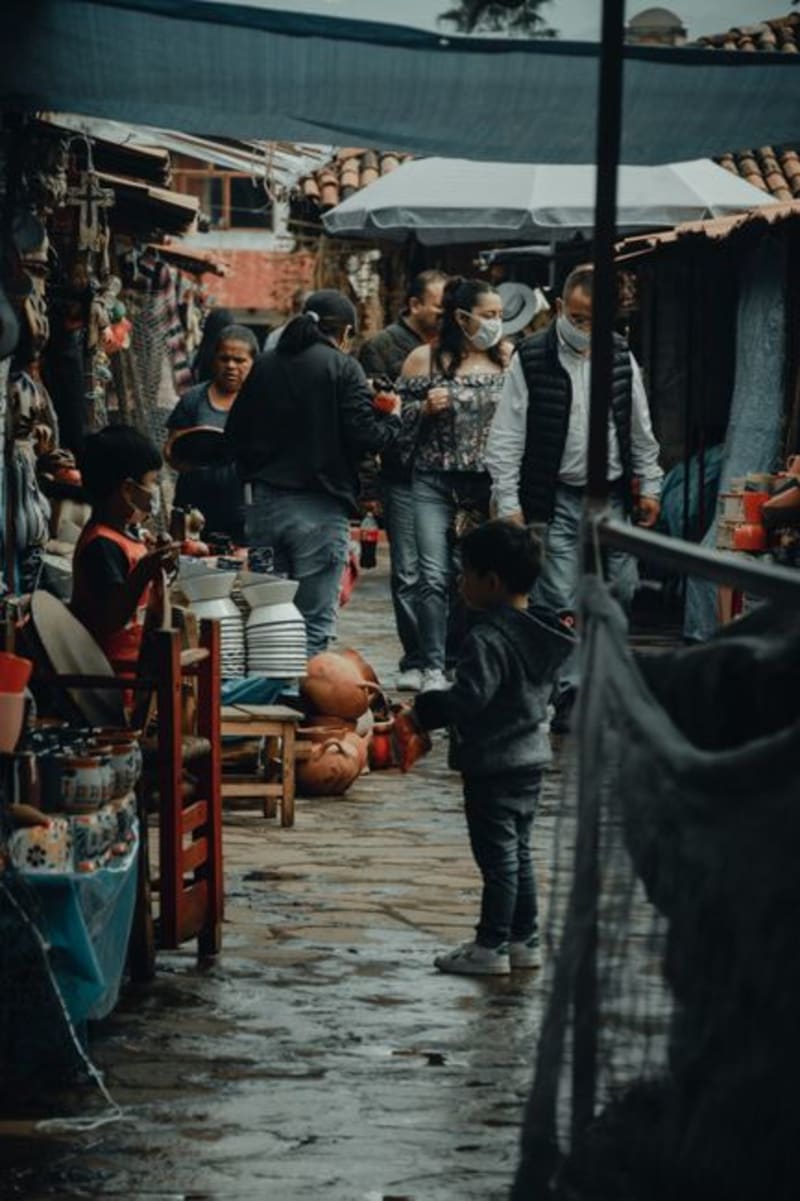 mexico
 Tingüindín
A small Purepecha town deep in Michoacán's avocado belt, where the Sunday tianguis overflows with fruit you will not find in any city and a 16th-century open chapel stands in quiet conversation with the surrounding orchards.
Explore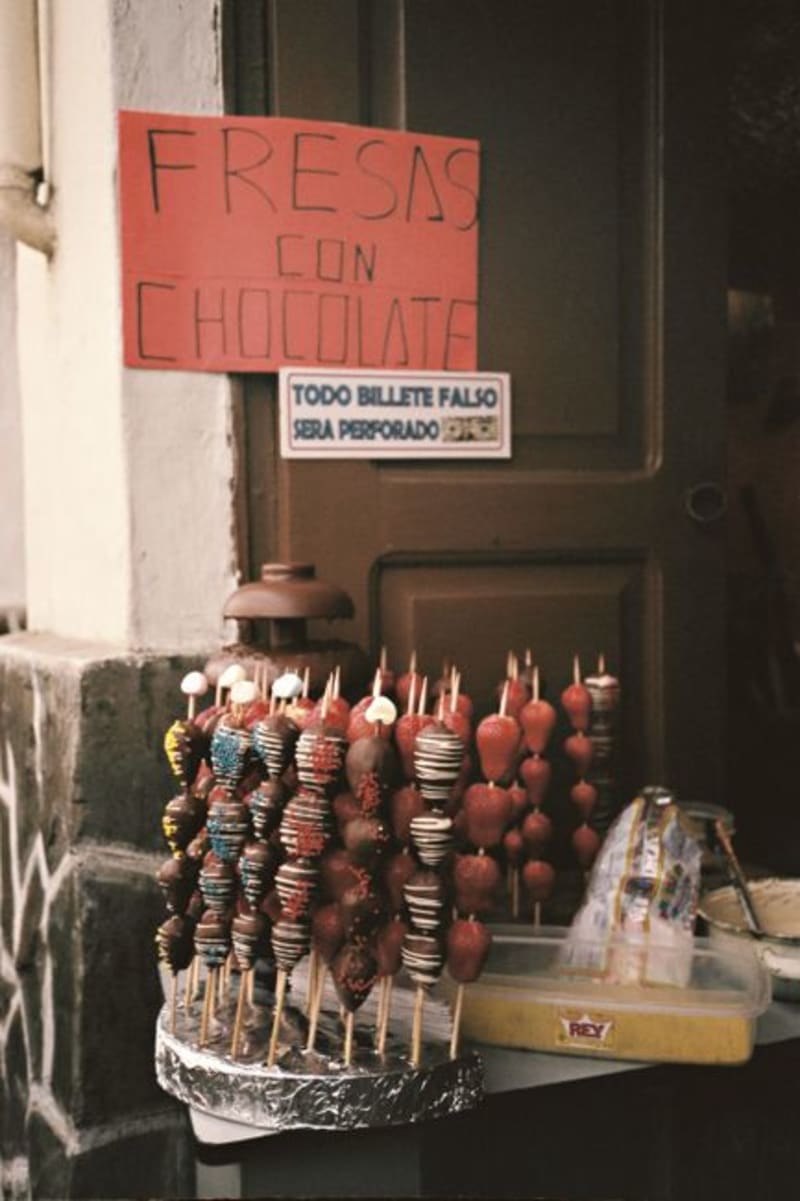 mexico
 Tingüindín
A small Purépecha town in the strawberry heartland of Michoacán, Tingüindín is the kind of place where the main activity is eating fresas con crema at a plastic table by the plaza and watching the morning unfold. The surrounding hills roll out in strawberry fields that turn pink-white in spring, and roadside vendors sell trays of berries by the kilo for less than it costs to think about it.
Explore mexico
 Cotija
This small Michoacán Pueblo Mágico gave its name to the pungent, crumbly aged cheese found on every tostada across Mexico — arriving here feels like discovering the source of something you have always taken for granted. The baroque Parroquia de San José anchors a handsome colonial plaza, while the ranchos dotting the surrounding hills have been producing that same sharp wheel the same way for four centuries.
Explore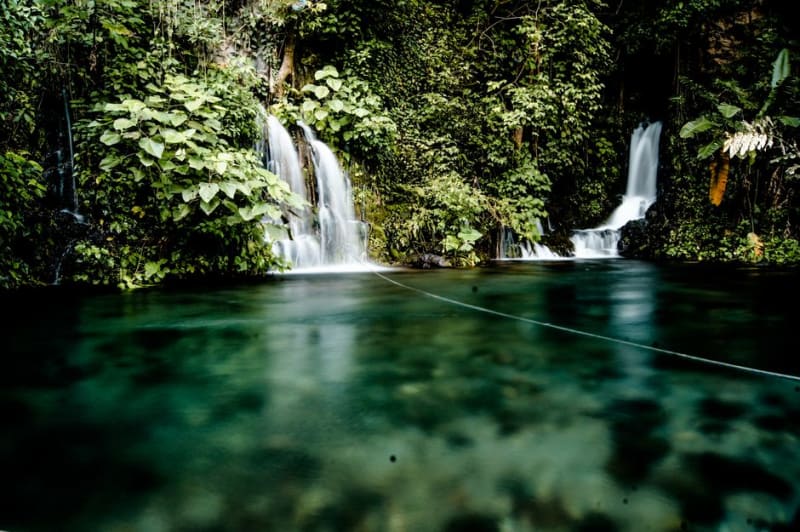 mexico
 Uruapan
The Michoacán avocado capital with the world's most extraordinary waterfall cascading through a national park in the city center — and an hour away, the volcanic cone of Paricutín, which erupted in a cornfield in 1943 and buried two towns.
Explore mexico
 Paracho
A Michoacán Purépecha town where every family builds classical guitars — 600 workshops producing 120,000 instruments per year, the luthier knowledge passed from father to son since the Franciscans introduced European string instruments in the 16th century.
Explore