Tingüindín
"I ate strawberries with cream standing in the plaza at nine in the morning and felt unreasonably content about it."
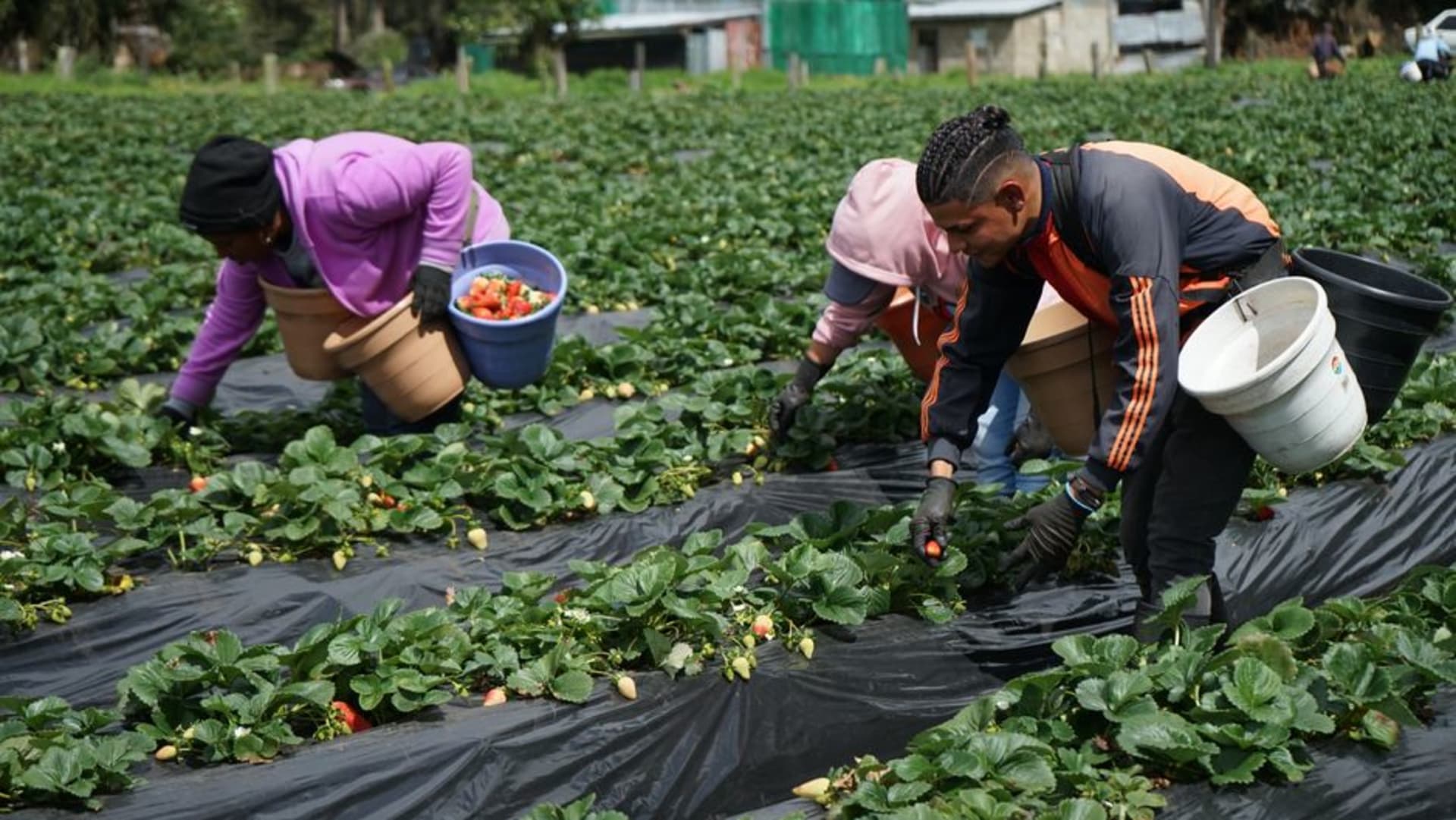
A small Purépecha town in the strawberry heartland of Michoacán, Tingüindín is the kind of place where the main activity is eating fresas con crema at a plastic table by the plaza and watching the morning unfold. The surrounding hills roll out in strawberry fields that turn pink-white in spring, and roadside vendors sell trays of berries by the kilo for less than it costs to think about it.

I stopped in Tingüindín because I was driving between Zamora and Uruapan and a roadside stand selling trays of fresas made it impossible to keep going. That was supposed to be a five-minute detour. I stayed three hours. The plaza is small and unhurried, the church is painted the particular shade of ochre that seems mandatory in Michoacán, and a woman near the kiosk was selling fresas con crema out of a styrofoam cooler at nine in the morning. I bought a cup. It seemed like the right thing to do.
The Strawberries, Which Are the Point
The Ciénega region of Michoacán — the lake district running west from Zamora toward the Jalisco border — grows a significant share of Mexico’s strawberry crop, and Tingüindín sits inside that productive belt. The fields visible from the highway are planted in long corrugated rows under plastic sheeting, and in late winter through spring the plants flower white and then turn red faster than seems reasonable. Vendors along the road into town sell trays of a kilo or two at prices that make supermarket strawberries feel like a scam. The berries here are smaller than the commercial ones bred for shelf life, and they taste like strawberries actually taste when no one has bred the flavor out of them. At the stands around the plaza you can get them plain, with crema and a little sugar, or blended into an agua fresca de fresa that is cold and very pink and exactly what you want at ten in the morning. I had two.

The Town Itself
Tingüindín is a Purépecha community, and the language still moves through the market and the streets in ways you notice if you listen. The Tuesday tianguis draws vendors from surrounding ranchos with produce, dried chiles, and handwork. The Templo de Santiago Apóstol on the plaza is worth the few minutes it takes to step inside — the interior is quieter than the exterior suggests and smells of candle wax and fresh flowers the way old Mexican churches reliably do. There is no tourist infrastructure to speak of, which is not a complaint. The fondas near the market serve pozole michoacano and carnitas de Michoacán the way they should be served: in generous portions with fresh tortillas made on the comal while you wait. I had the carnitas with a stack of tortillas and a salsa verde that was sharper than I expected. Nobody brought me a menu.

The Hills in Strawberry Season
If you are there between February and April, drive a few kilometers out of town on any road heading into the hills. The fields in bloom are genuinely beautiful — not in a dramatic way, but in the quiet, cumulative way of agricultural landscapes that have been worked for generations. A local farmer let me walk a row without much ceremony. The plants come up to your knees and the white flowers smell faintly sweet when there is no wind. It costs nothing and requires no planning. It is the kind of thing that makes you glad you stopped.

Getting There
Tingüindín sits on the MEX-37 corridor between Zamora and Jiquilpan, roughly 45 minutes west of Zamora by car. There is no direct bus from Guadalajara or Morelia, but combis run from Zamora’s central bus terminal to surrounding towns in the Ciénega region. The town is easiest reached with your own vehicle, which also lets you stop at roadside fresa stands on the way in.
Keep exploring
More of Michoacán
Keep exploring
More from Michoacán
 mexico
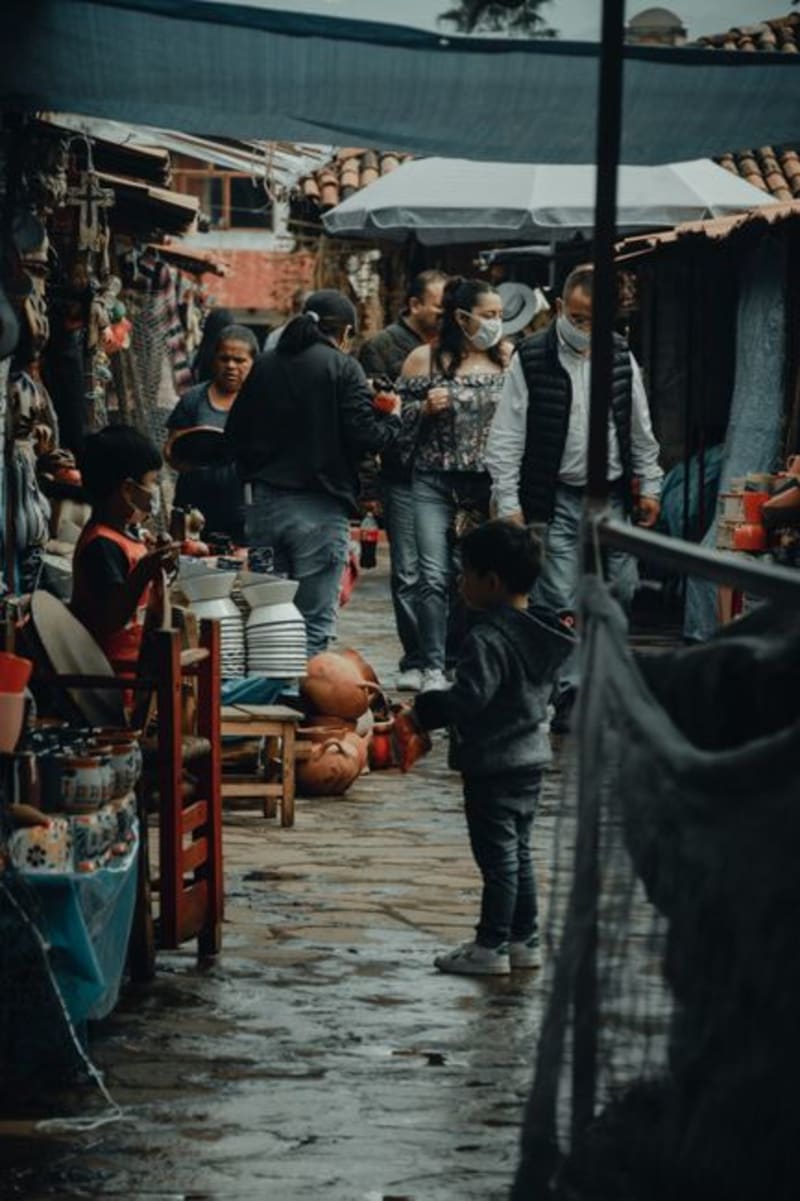
 Tingüindín
A small Purepecha town deep in Michoacán's avocado belt, where the Sunday tianguis overflows with fruit you will not find in any city and a 16th-century open chapel stands in quiet conversation with the surrounding orchards.
Explore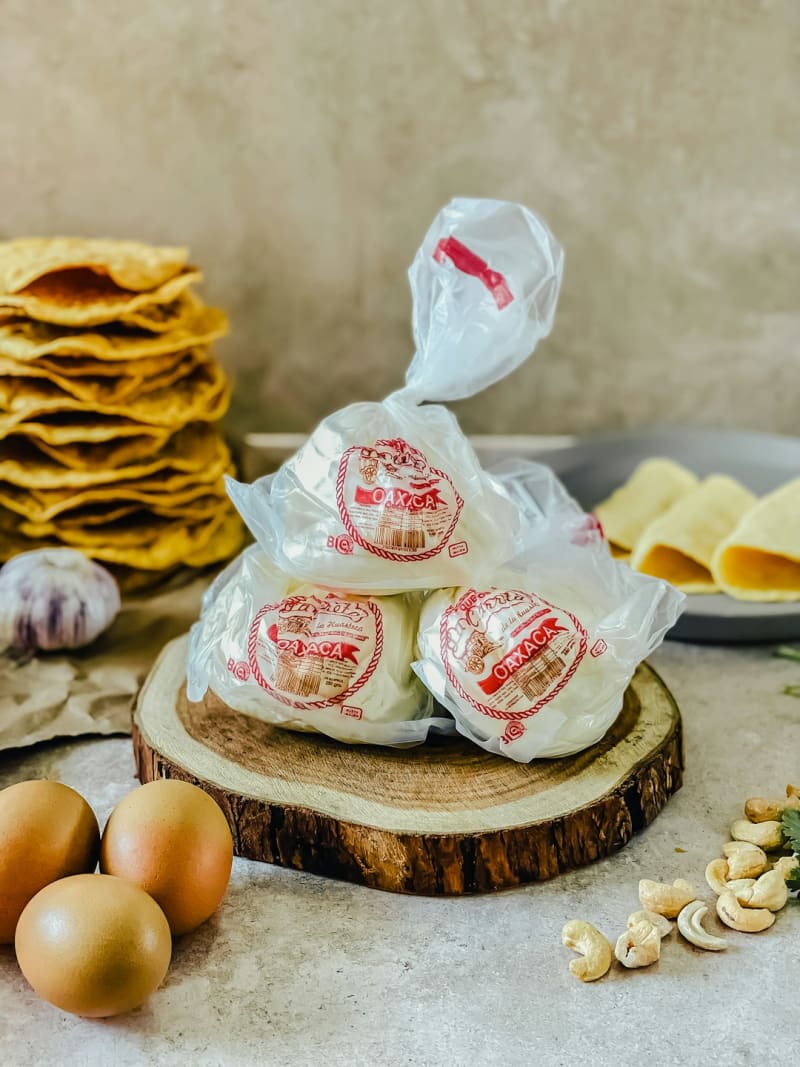 mexico
 Cotija
This small Michoacán Pueblo Mágico gave its name to the pungent, crumbly aged cheese found on every tostada across Mexico — arriving here feels like discovering the source of something you have always taken for granted. The baroque Parroquia de San José anchors a handsome colonial plaza, while the ranchos dotting the surrounding hills have been producing that same sharp wheel the same way for four centuries.
Explore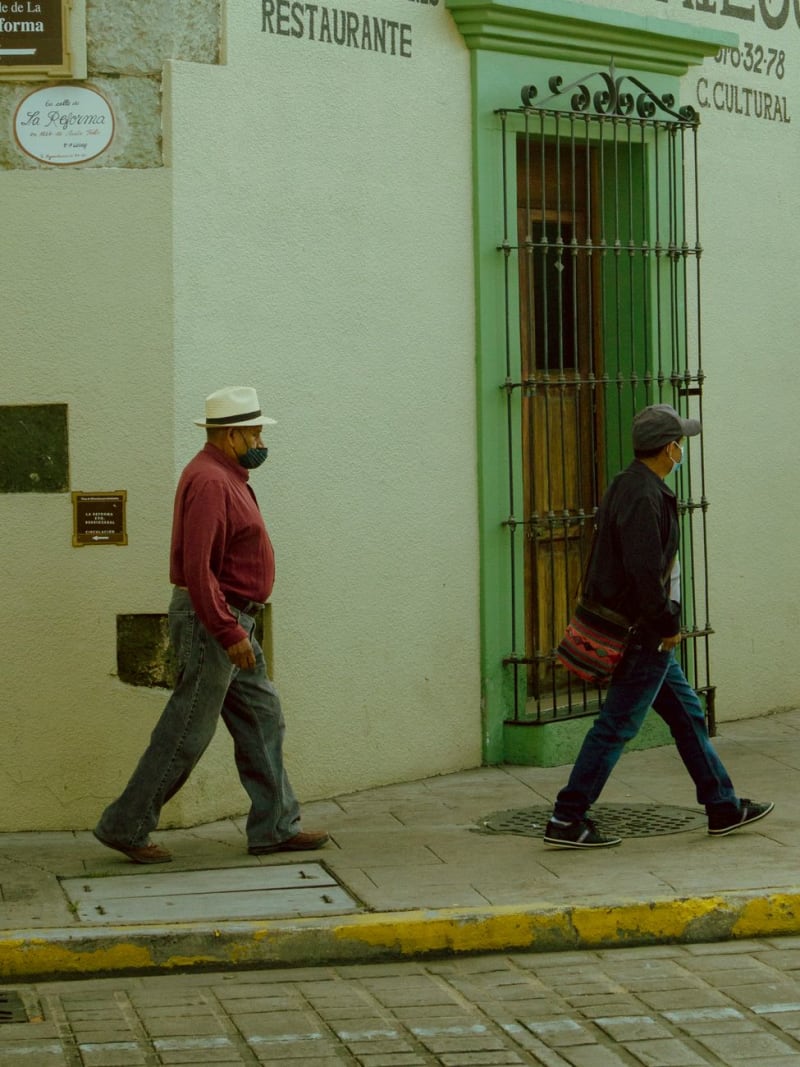 mexico
 Jiquilpan
Jiquilpan is a small city in western Michoacán's strawberry country, remarkable primarily as the birthplace of Lázaro Cárdenas — the president who nationalized Mexico's oil industry in 1938 in what may be the most consequential economic act in twentieth-century Mexican history. The house where he was born is now a cultural center with documents, photographs, and the personal effects of a man who redistributed more land to Mexican campesinos than anyone before or since. The Biblioteca Pública has Orozco murals.
Explore mexico
 Jiquilpan
A quiet colonial town in western Michoacán, Jiquilpan holds one of the most astonishing mural cycles in Mexico — José Clemente Orozco covering the entire interior of a public library — along with the birthplace legacy of Lázaro Cárdenas and a Sunday market that still runs on carnitas and unhurried conversation.
Explore mexico
 Zamora
Zamora is best known for two things that have nothing obvious to do with each other: a colossal unfinished neogothic cathedral that looms over the city center like a frozen promise, and the fact that it produces more cut roses than almost anywhere else in Mexico. The flower markets are worth the trip on their own.
Explore mexico
 Peribán
Every March, the volcanic slopes around Peribán turn pink and white when thousands of Japanese cherry trees bloom — an improbable collision of Purépecha tradition and East Asian aesthetics that drew me in for a single afternoon and kept me for three days. Outside blossom season, this Pueblo Mágico is an avocado-and-berry town where the produce market still runs on a handshake.
Explore