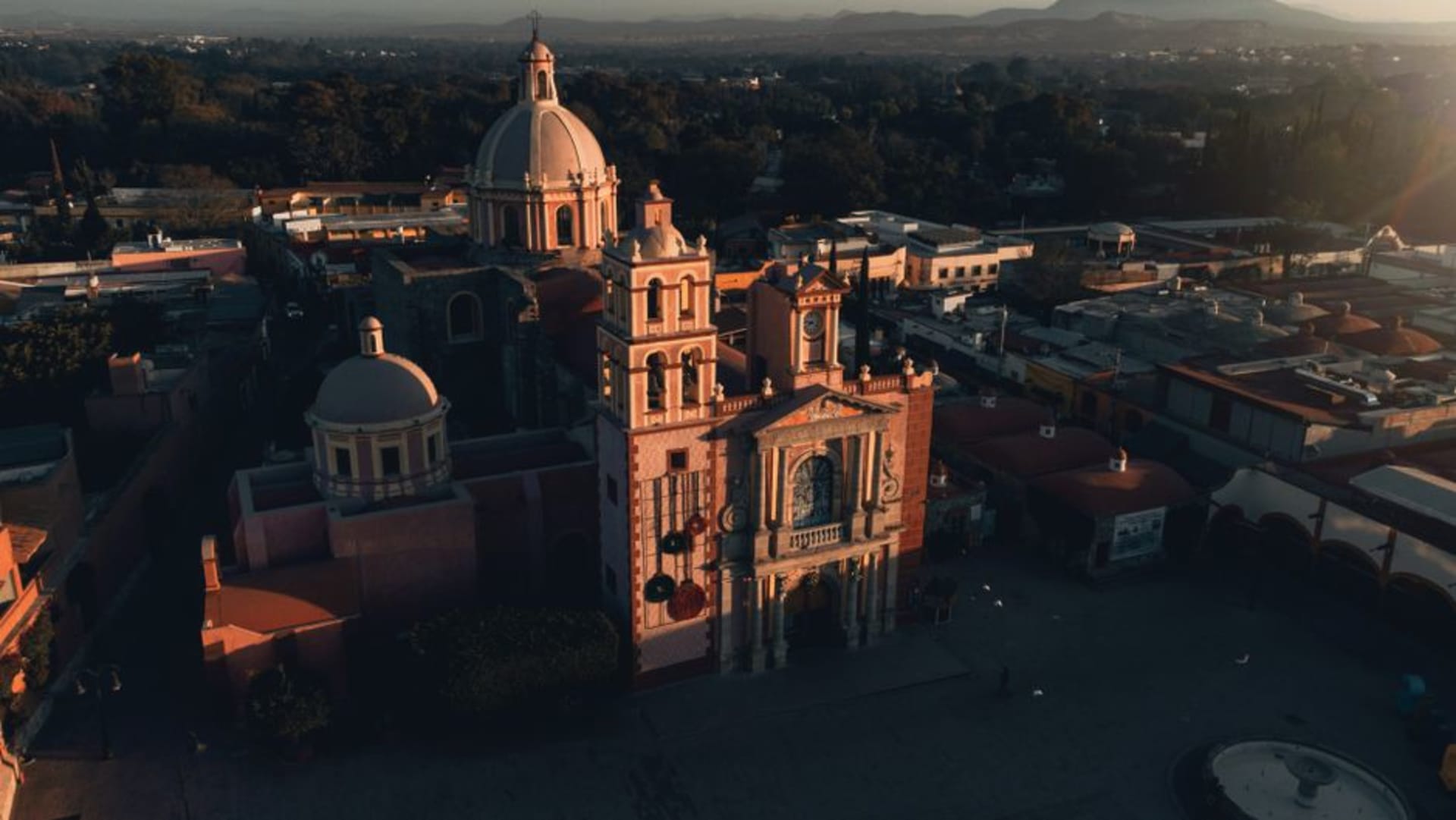
Jiquilpan
"The Orozco murals in the library stopped me cold — and I had not even known they were here."
A quiet colonial town in western Michoacán, Jiquilpan holds one of the most astonishing mural cycles in Mexico — José Clemente Orozco covering the entire interior of a public library — along with the birthplace legacy of Lázaro Cárdenas and a Sunday market that still runs on carnitas and unhurried conversation.

I stopped in Jiquilpan by accident, rerouting from Zamora when the direct bus was full. The town is the kind of place that doesn’t announce itself — a clean colonial grid, a central plaza with a working bandstand, a few taco stalls that open and close on their own schedule. I found a room, ate carnitas from a paper plate, and figured I’d leave by noon the next day. Then someone at breakfast mentioned the library, almost as an afterthought, and I walked in and didn’t come out for two hours.
The Orozco Library
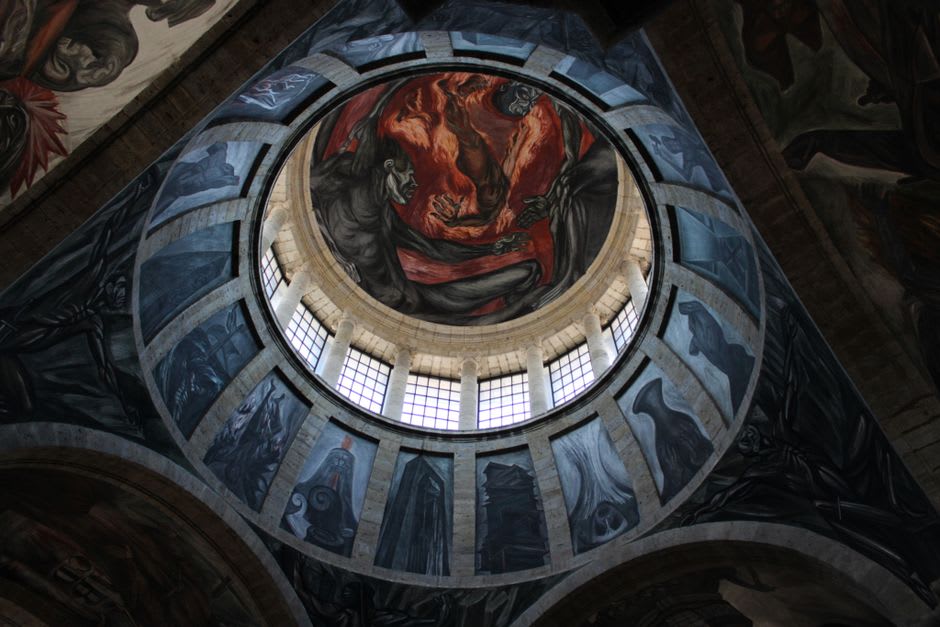
The Biblioteca Pública Gabino Ortiz looks modest from the street — low arched entrance, provincial signage. Inside, José Clemente Orozco covered every inch of the walls and ceiling with murals commissioned in 1940, the year after Lázaro Cárdenas left the presidency. They are dark, churning, allegorical — horses, figures in agony, industrial machinery pressing down on human forms. Nothing like the composed civic murals you see in Mexico City. These feel personal, almost apocalyptic, painted by a man with one arm who did not trust easy optimism. There are no roped-off sections, no guided tours at every hour. You walk in, sit on a bench if you want, and stay as long as you can stand the silence. I kept circling the room trying to find where the ceiling ended and the walls began. The answer is that they don’t.
The Sunday Market and the Carnitas Question
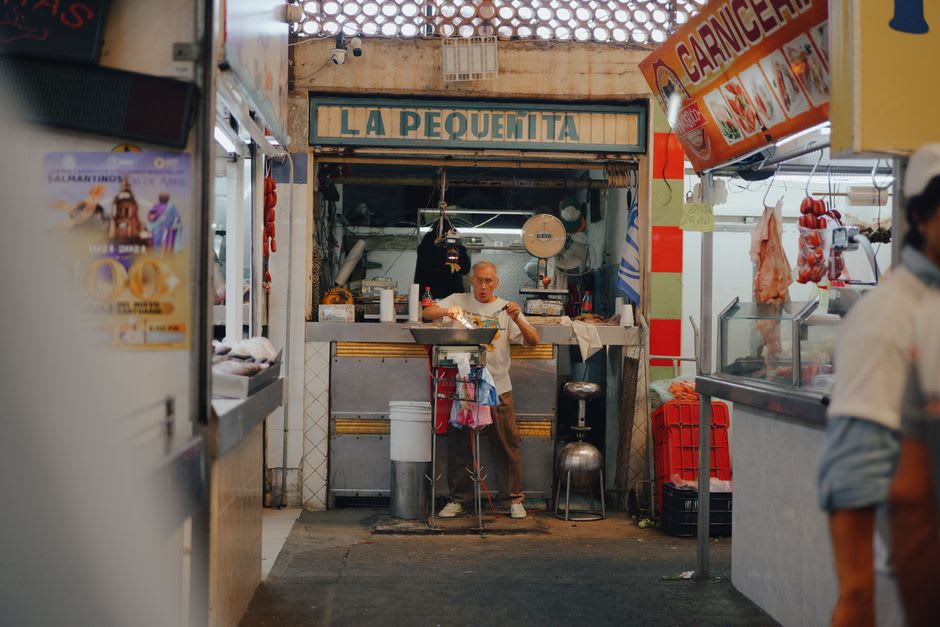
Jiquilpan’s tianguis spreads through several streets near the market building on Sunday mornings, selling everything from second-hand tools to fresh cheese from the lake region. The thing nobody tells you is that the carnitas here are served by weight, wrapped in paper, and handed over with only salsa verde and pickled jalapeños — no ceremony, no menu. I ordered two hundred grams and ate standing at the edge of a stall while a man beside me did the same without looking up from his phone. The pork was braised low enough that the fat had become something else entirely: soft, almost sweet, with a slightly crisped exterior that made a sound when you bit it. I ordered two hundred more grams.
The Cárdenas Legacy
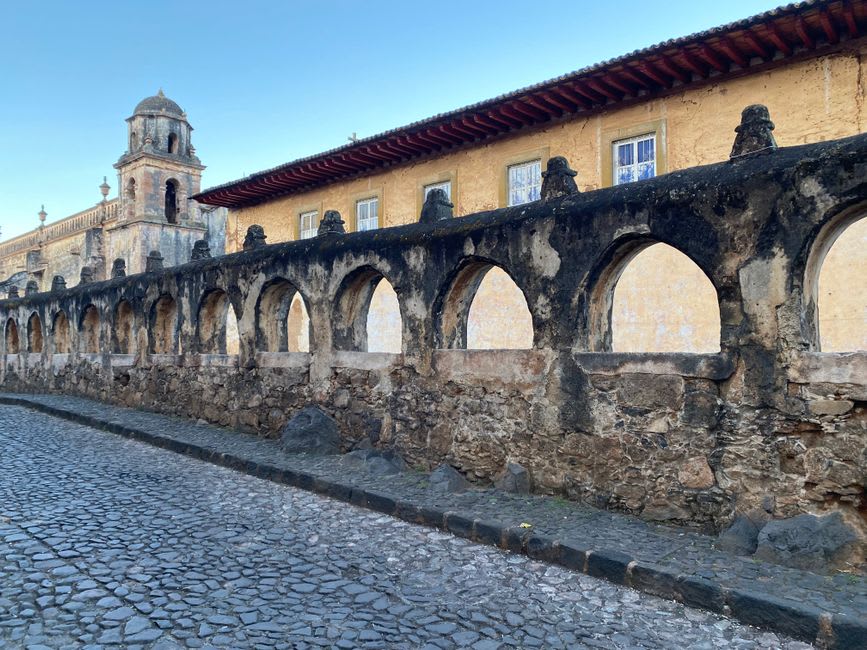
The town treats Lázaro Cárdenas with the careful reverence you’d expect — his boyhood home is marked, there’s a museum, statues appear at appropriate intervals. But what I found more interesting was the ambient pride that shows up in ordinary conversation. The 1938 oil nationalization is not ancient history here; it’s something people reference the way you’d reference a family decision that changed everything. Whether you find that history inspiring or complicated probably depends on where you’re sitting, but in Jiquilpan you’re clearly in the room where it was shaped.
Getting There
Jiquilpan sits on the Guadalajara–Morelia corridor, roughly three and a half hours from each by bus. ETN and Primera Plus both pass through; ask for the Jiquilpan or La Barca stop depending on your line. From Zamora it’s about forty minutes by local bus or colectivo from the central terminal. There is no real tourist infrastructure, which is precisely the point.
Keep exploring
More of Michoacán
Keep exploring
More from Michoacán
 mexico
 Jiquilpan
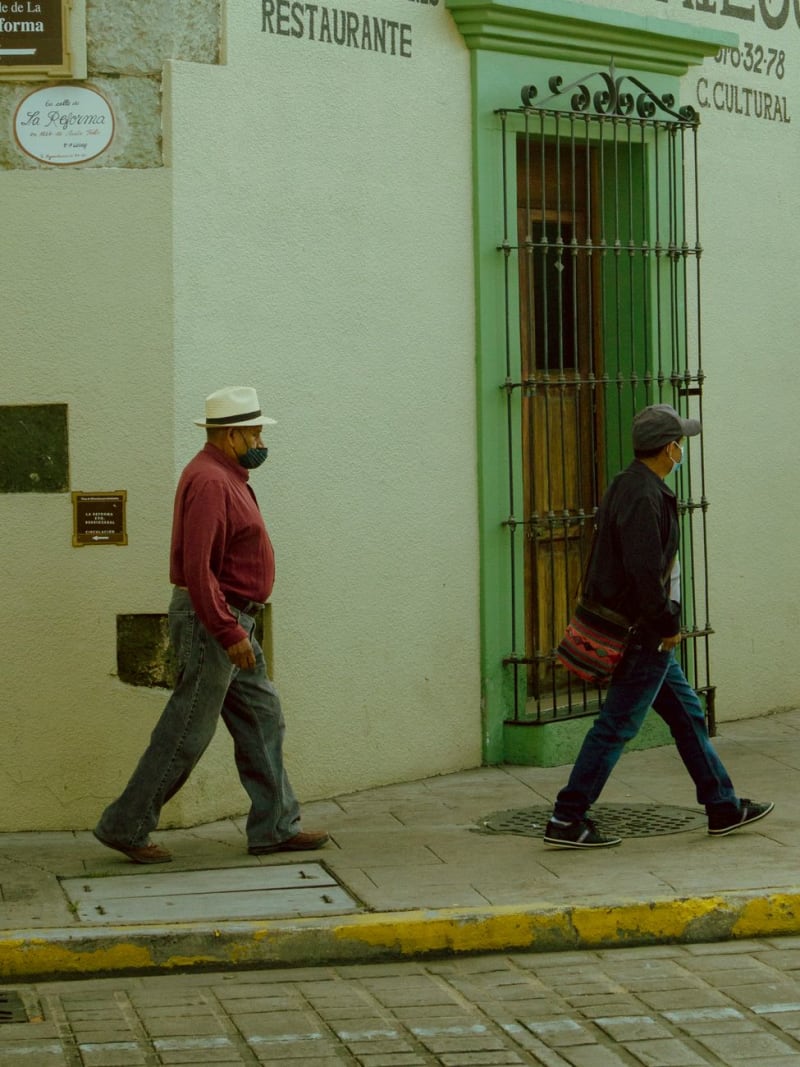
Jiquilpan is a small city in western Michoacán's strawberry country, remarkable primarily as the birthplace of Lázaro Cárdenas — the president who nationalized Mexico's oil industry in 1938 in what may be the most consequential economic act in twentieth-century Mexican history. The house where he was born is now a cultural center with documents, photographs, and the personal effects of a man who redistributed more land to Mexican campesinos than anyone before or since. The Biblioteca Pública has Orozco murals.
Explore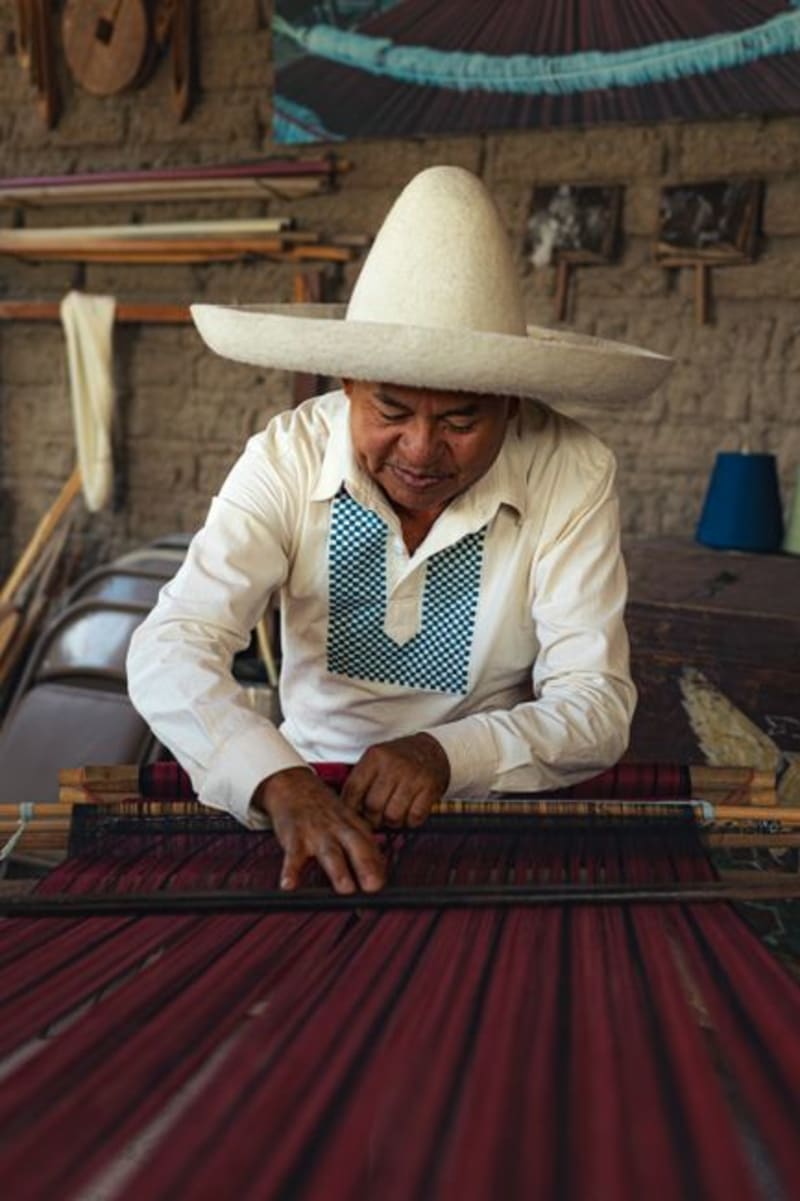 mexico
 Sahuayo
Sahuayo is a working sombrero town on the Michoacán shore of the Ciénega de Chapala, where master hat-makers still produce the wide-brimmed palm and wool hats that ranchers across western Mexico drive hours to buy. The Thursday tianguis pulls in the whole region, and the adjacent wetland offers some of the best early-morning birding in the state.
Explore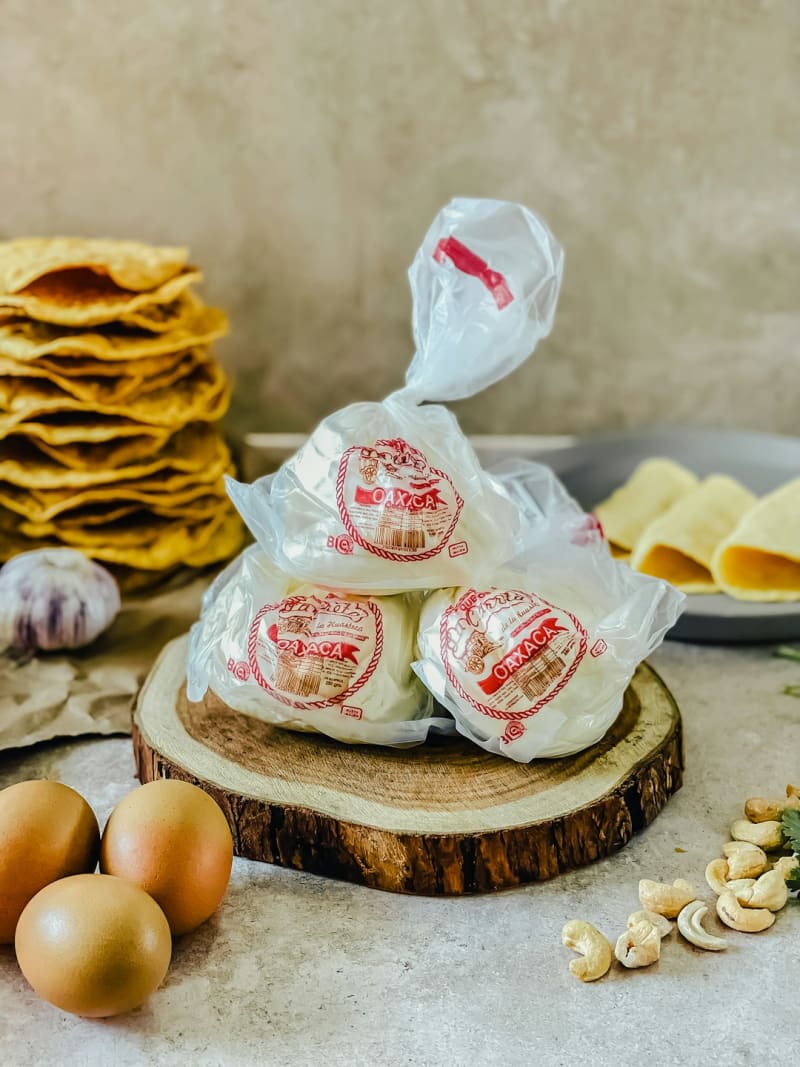 mexico
 Cotija
This small Michoacán Pueblo Mágico gave its name to the pungent, crumbly aged cheese found on every tostada across Mexico — arriving here feels like discovering the source of something you have always taken for granted. The baroque Parroquia de San José anchors a handsome colonial plaza, while the ranchos dotting the surrounding hills have been producing that same sharp wheel the same way for four centuries.
Explore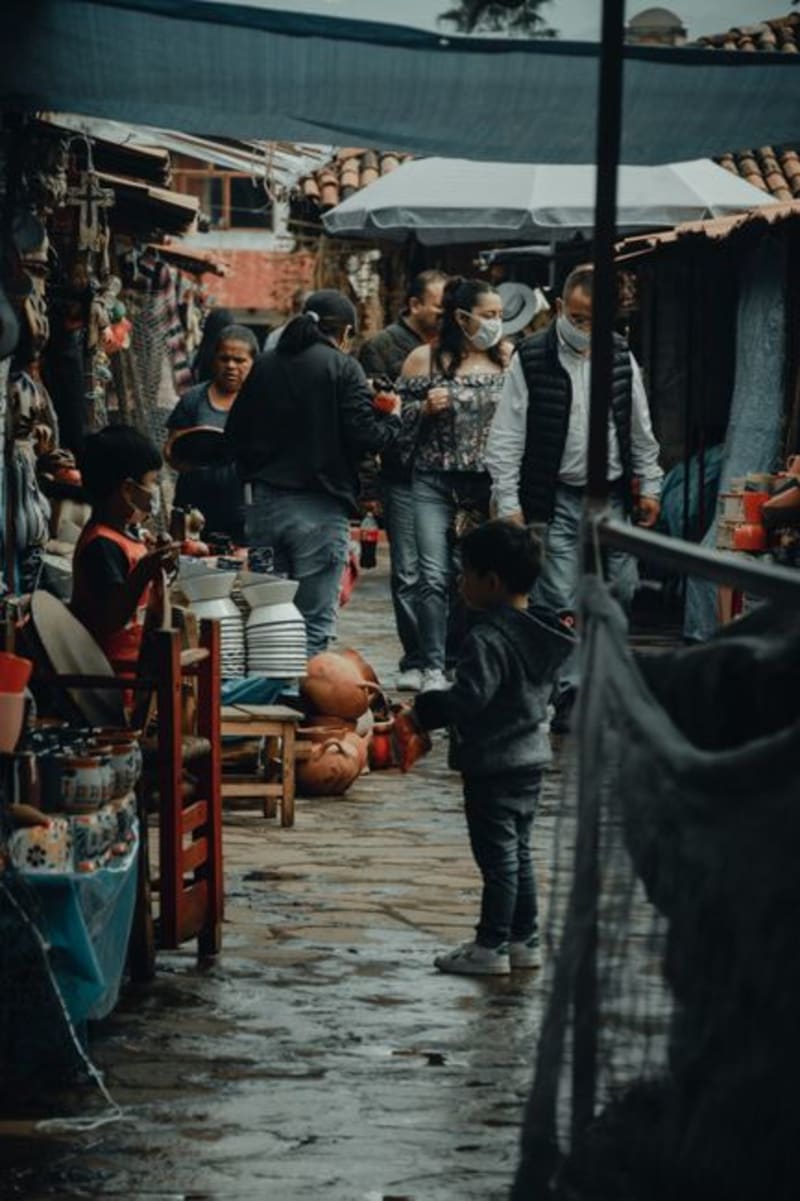 mexico
 Tingüindín
A small Purepecha town deep in Michoacán's avocado belt, where the Sunday tianguis overflows with fruit you will not find in any city and a 16th-century open chapel stands in quiet conversation with the surrounding orchards.
Explore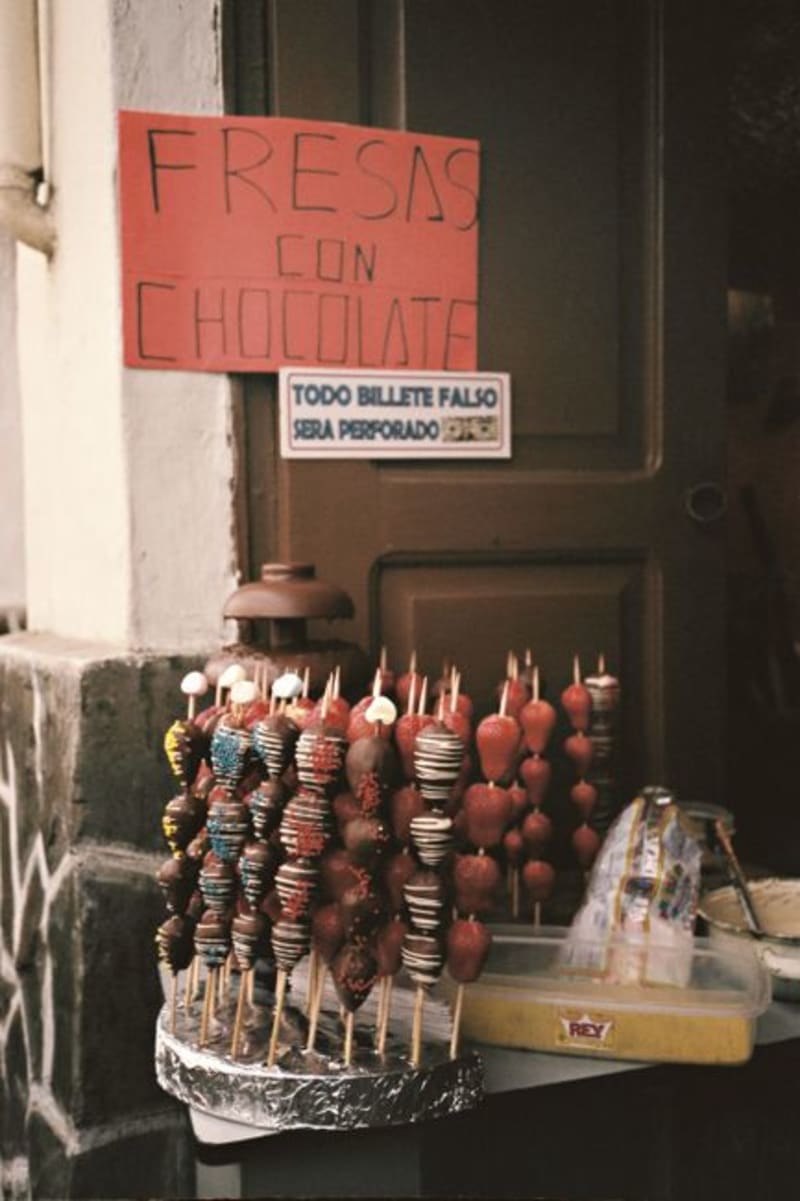 mexico
 Tingüindín
A small Purépecha town in the strawberry heartland of Michoacán, Tingüindín is the kind of place where the main activity is eating fresas con crema at a plastic table by the plaza and watching the morning unfold. The surrounding hills roll out in strawberry fields that turn pink-white in spring, and roadside vendors sell trays of berries by the kilo for less than it costs to think about it.
Explore mexico
 Zamora
Zamora is best known for two things that have nothing obvious to do with each other: a colossal unfinished neogothic cathedral that looms over the city center like a frozen promise, and the fact that it produces more cut roses than almost anywhere else in Mexico. The flower markets are worth the trip on their own.
Explore