Santa Clara del Cobre
"The ring of a copper hammer in a narrow alley at dawn is the sound of a living craft tradition — and that is increasingly rare."
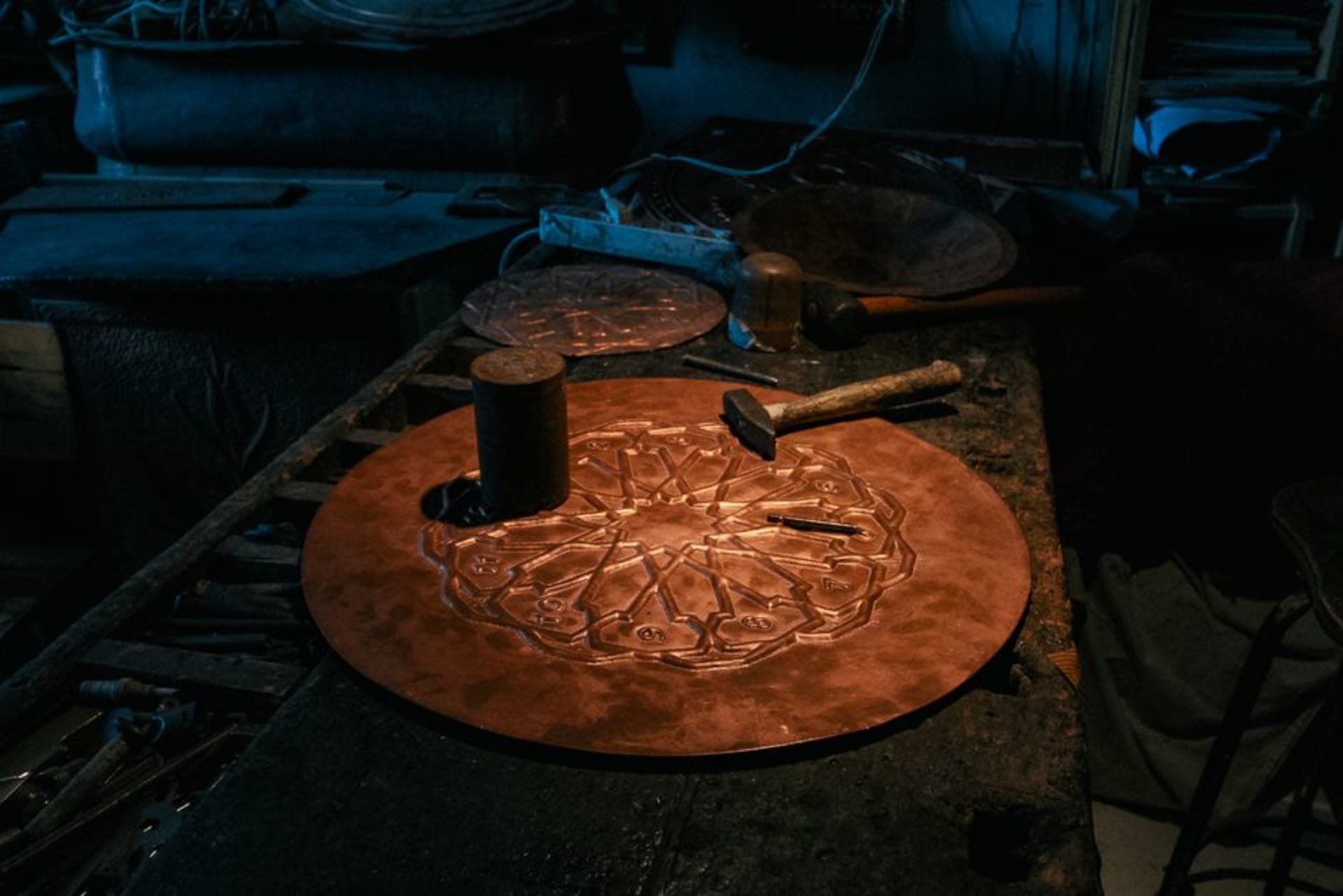
Santa Clara del Cobre, officially Villa Escalante, is a Purépecha town in Michoacán where copper-working is not a craft revival or a tourist attraction — it is simply what people do here, as they have for centuries. Every alley leads to a workshop, every morning begins with the ring of mallets, and the best pieces cost a fraction of what they would anywhere else.

I arrived in Santa Clara del Cobre on a Tuesday morning, which turned out to be the right day for no particular reason except that the town was already awake and working. Before I reached the plaza, I heard it: a dry, rhythmic clang coming from behind a half-open door on Calle Morelos. A man in his fifties was hammering a disc of copper over a wooden form, coaxing a bowl into existence stroke by stroke. He didn’t look up. I stood there longer than was polite and he still didn’t look up. The work had its own logic, its own tempo, and I was simply not part of it.
Where the Copper Gets Made
The thing nobody explains before you arrive is that this is not a market town with artisans in the back — it is a workshop town with a market as an afterthought. Nearly every household along Calle Tata Vasco, Calle Hidalgo, and the streets radiating off the main plaza runs some stage of production: annealing, hammering, planishing, finishing. You can follow the sound from one open doorway to the next and piece together the entire process without anyone stopping to give you a demonstration. The technique is pre-Columbian, refined under Vasco de Quiroga in the sixteenth century when the bishop organized Purépecha towns around single trades — Santa Clara got copper, Paracho got guitars, Tzintzuntzan got pottery. The division held. Pieces range from simple ladles and cazo cooking pots to large decorative platters with scenes hammered in relief, and the quality varies as much as the price. Spend time looking before you buy.

The August Fair and the Rest of the Year
The Feria Nacional del Cobre happens every August around the national holiday, and it fills the plaza with competitive exhibitions, live music, and artisans who bring their finest work specifically for the judging. If your timing lines up, go — the pieces displayed for competition are genuinely extraordinary, and watching craftspeople argue about technique is worth the trip alone. But the fair is not the point. The point is that Santa Clara functions the same way in February or May: workshops open by seven, families eating lunch at the tables visible through the front room, a finished piece cooling on a rack by the door. The Museo del Cobre on the plaza has a small but well-organized permanent collection that gives useful context for what you see in the streets, and admission is cheap enough that there is no reason to skip it.

Eating and Staying
Santa Clara is small enough that the food options are limited but reliable. The market on the east side of the plaza has a row of comedores serving carnitas michoacanas and corundas — the triangular Purépecha tamales wrapped in corn leaf rather than husk, denser and earthier than their coastal equivalents. I ate at the second stall from the left, ordered the corundas with salsa verde, and paid next to nothing. There are a handful of posadas in town for an overnight stay, though most people come as a day trip from Pátzcuaro, which is forty-five minutes away.

Getting There
From Pátzcuaro, shared combis to Santa Clara del Cobre leave from the market area near the second plaza — the ride takes around forty minutes and costs almost nothing. From Morelia, the journey is about two hours by combi or bus with a change in Pátzcuaro. Driving is straightforward on Federal Highway 120. There is no train.
Keep exploring
More of Michoacán
Keep exploring
More from Michoacán
 mexico
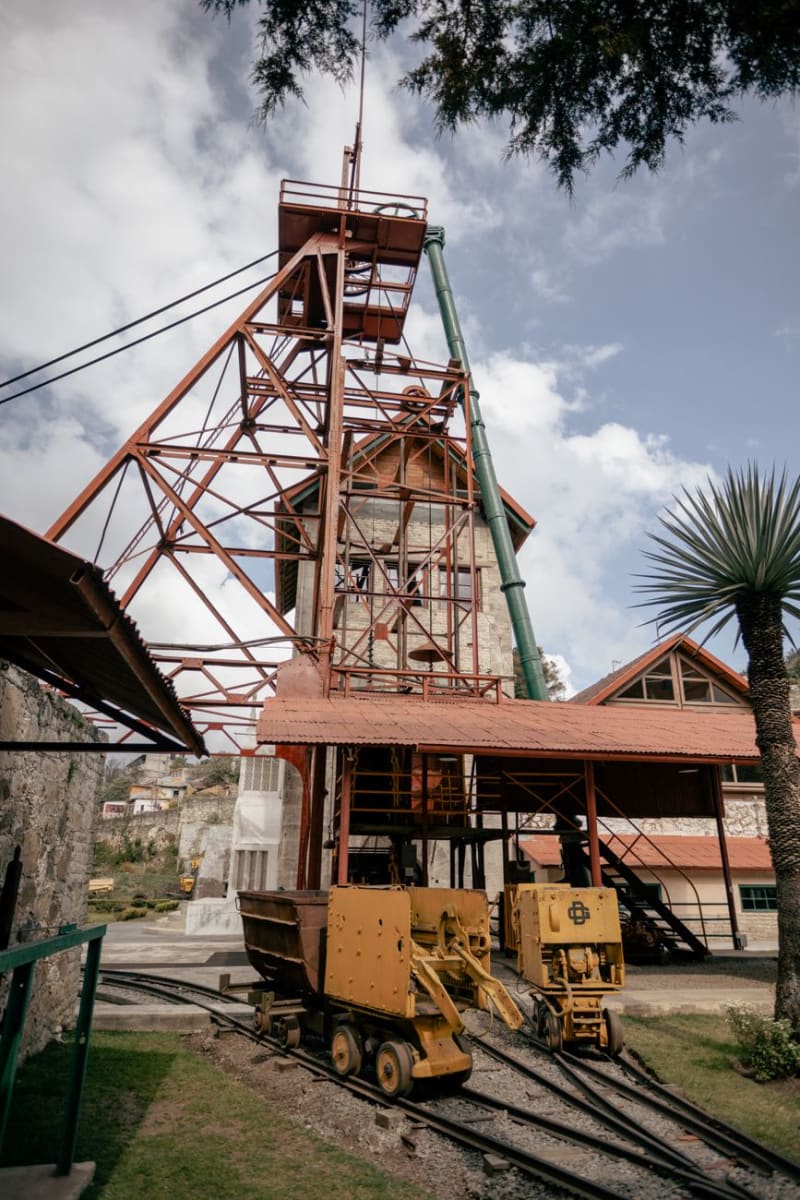
 Santa Clara del Cobre
A Pueblo Mágico in Michoacán where copper workshops line every street and the sound of hammers on metal has been the town's rhythm for centuries. Purépecha artisans still shape copper entirely by hand, using techniques that predate the Spanish by generations.
Explore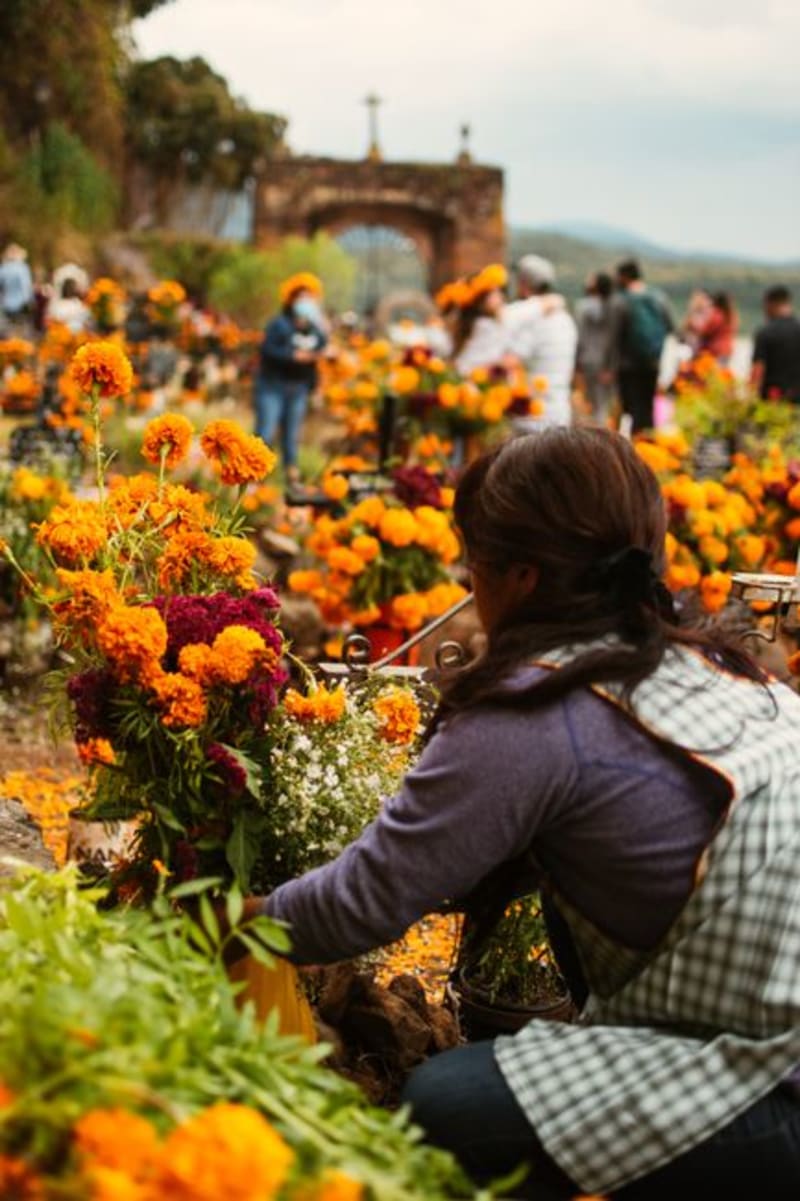 mexico
 Pátzcuaro
A colonial lakeside town built from dark volcanic stone, where Purepecha culture runs deeper than the tourist routes, and the lake at dawn still catches the nets of fishermen who learned the craft from their grandfathers. Come for the uchepos, the silence of the plazuela, and if you can time it right, the night of the dead on Janitzio.
Explore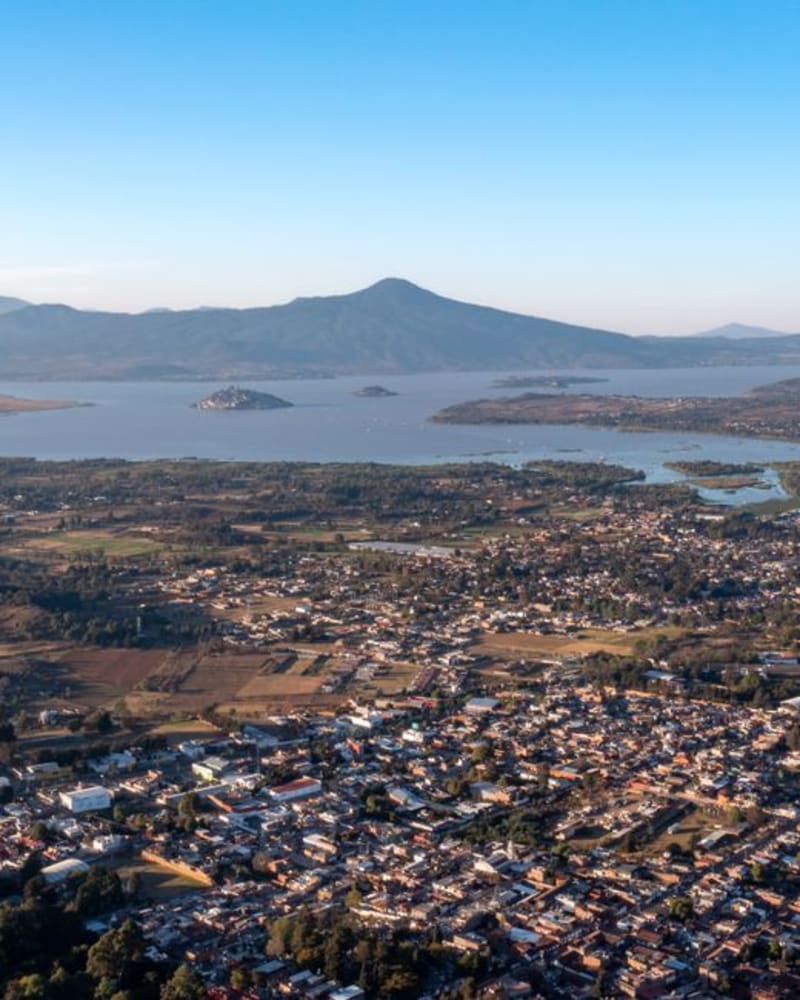 mexico
 Erongaricuaro
A small Purepecha village on the western shore of Lake Patzcuaro where artisan weavers still work backstrap looms, a handful of foreign painters settled decades ago and never left, and the dock offers what might be the quietest hour in all of Michoacán.
Explore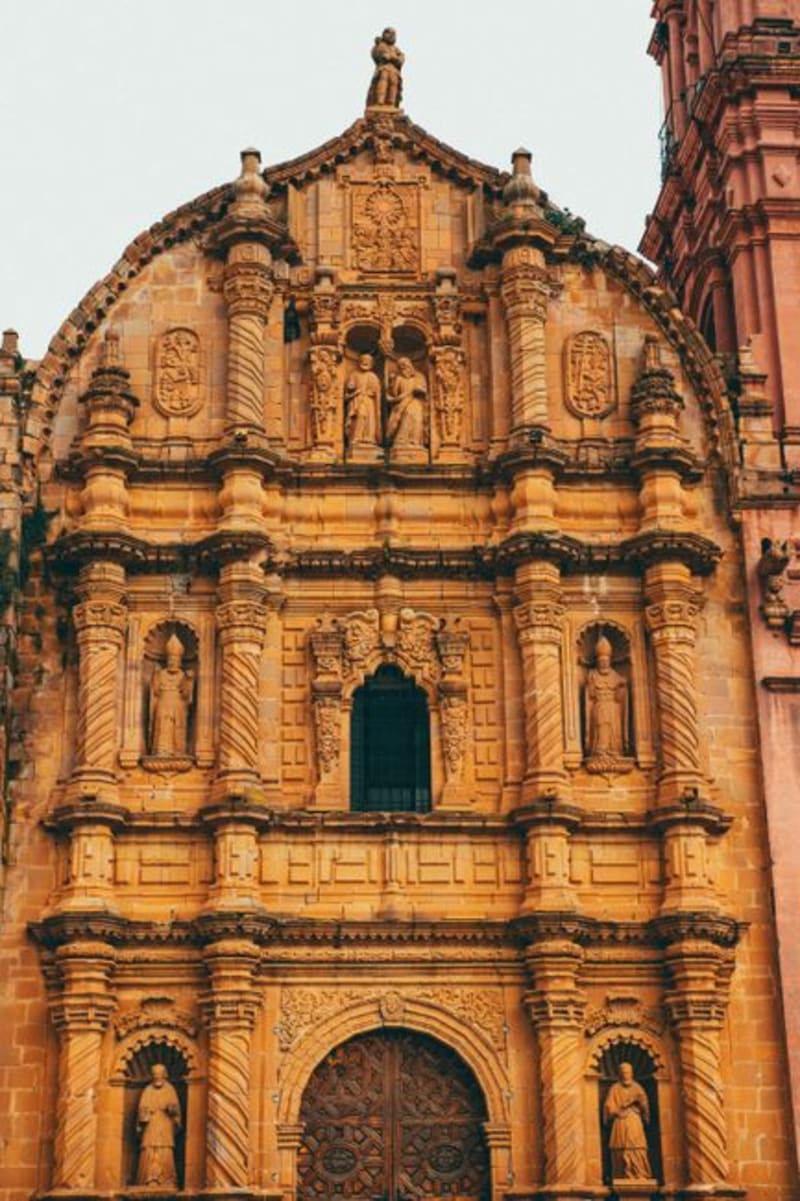 mexico
 Ario de Rosales
Ario de Rosales sits at 1,800 meters in the Michoacán sierra, ringed by avocado and peach orchards that perfume the approach roads with something between a produce market and a greenhouse. The colonial church is beautifully unrestored, the nearby La Escalera canyon offers serious slot-canyon hiking, and almost no one who visits Morelia or Pátzcuaro ever makes the drive.
Explore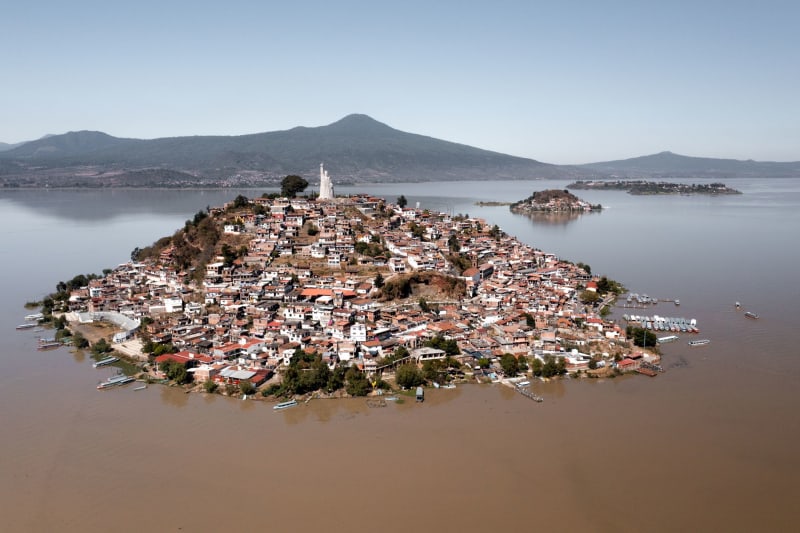 mexico
 Tzintzuntzan
The former capital of the Purépecha empire on the shores of Lake Pátzcuaro — five pyramid temples on a hillside platform, olive trees planted by Vasco de Quiroga in 1548 still producing fruit, and the most beautiful Day of the Dead cemetery in Mexico.
Explore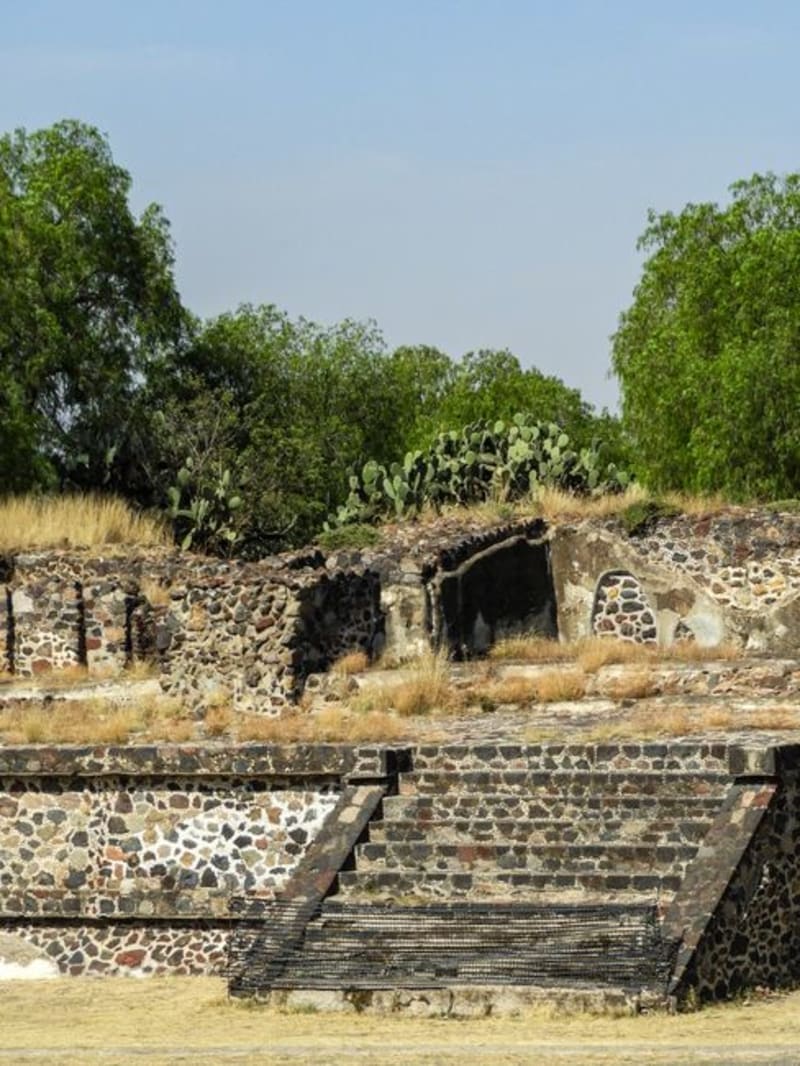 mexico
 Tzintzuntzan
The ancient capital of the Purépecha empire, Tzintzuntzan sits above Lake Pátzcuaro with five stepped pyramids — yácatas — still intact on a long ceremonial platform. A 16th-century Franciscan convent and one of Mexico's oldest olive orchards share the town with artisan workshops, and on Día de Muertos the cemetery becomes something you do not easily forget.
Explore