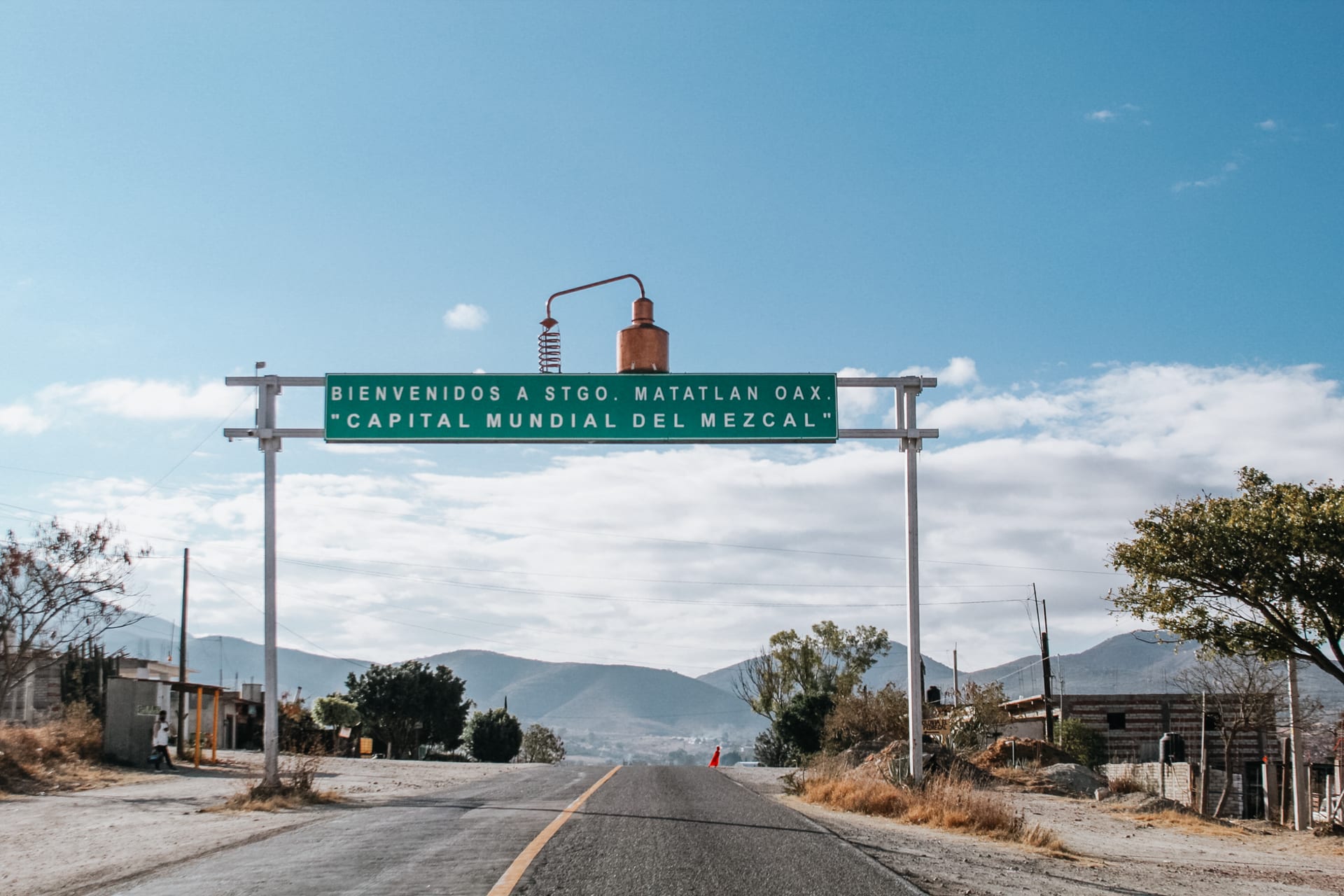
Santa Clara del Cobre
"I watched a man hammer a single sheet of copper into a bowl for forty minutes. He never looked at it — just kept going by feel."
A Pueblo Mágico in Michoacán where copper workshops line every street and the sound of hammers on metal has been the town's rhythm for centuries. Purépecha artisans still shape copper entirely by hand, using techniques that predate the Spanish by generations.

I drove up from Pátzcuaro on a Tuesday morning, which turned out to be exactly the right day — quiet enough to hear individual workshops rather than the collective din that blankets the plaza on weekends. The first thing you notice isn’t the copper itself but the sound: a layered, irregular hammering that seems to come from the walls. By the time I parked near the Mercado de Artesanías, I had already counted five separate workshops operating with their doors open to the street, each one its own rhythm section.
The Workshops
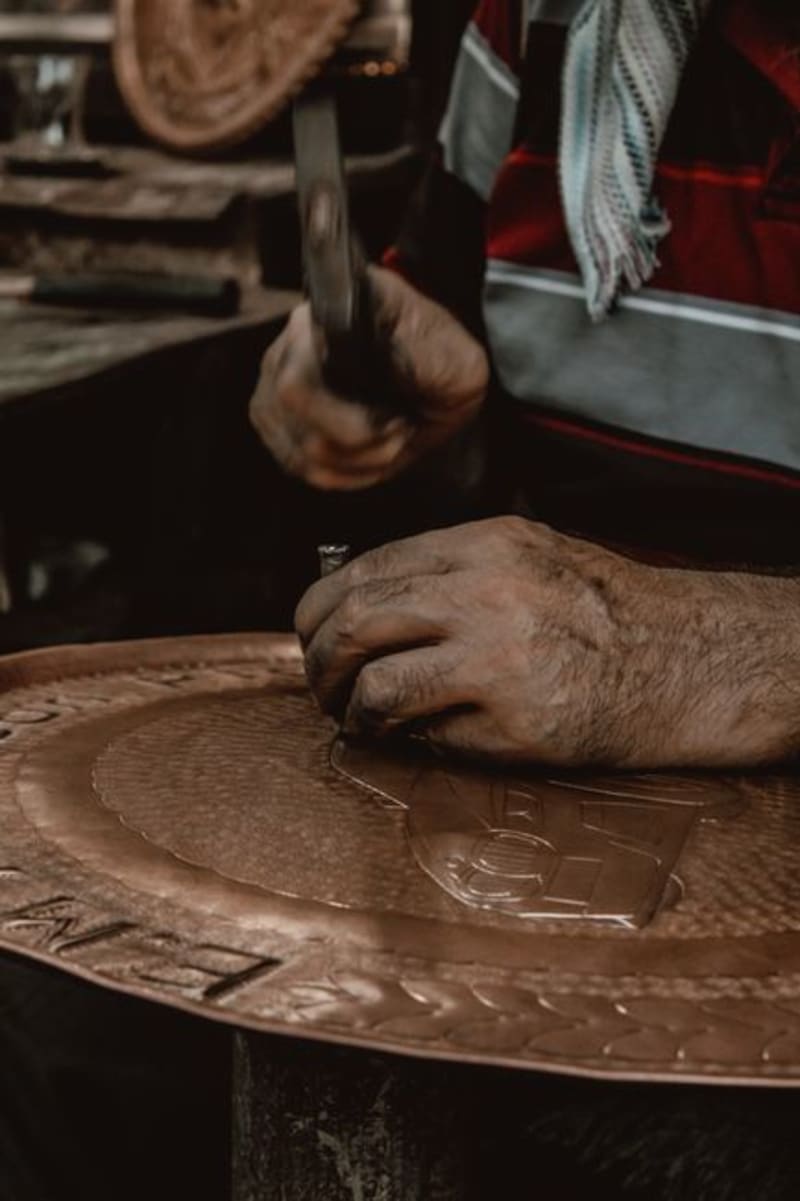
Santa Clara’s artisans don’t perform for tourists — they work, and you happen to be there. Walk down Calle Morelos or any of the side streets off the plaza and you’ll find men and women hunched over anvils, sheets of copper at various stages of becoming something: bowls, pitchers, decorative panels, fish-shaped platters. The technique — martillado en frío, cold-hammering — requires reheating the metal repeatedly to keep it workable, and you’ll see braziers glowing inside nearly every workshop. I stopped at one run by a man who appeared to be in his sixties, and he let me stand there without explanation for a good half hour. He shaped a serving bowl from a flat disc, working from the center outward in slow concentric rings. No template, no measuring. Just the metal telling him what it needed. The thing nobody tells you is how physical it is — the force each blow requires, the constant repositioning of the sheet, the reading of color and tension that guides the whole process. It’s not craft in any decorative sense. It’s closer to having an argument with a material and knowing you’ll win.
The August Fair
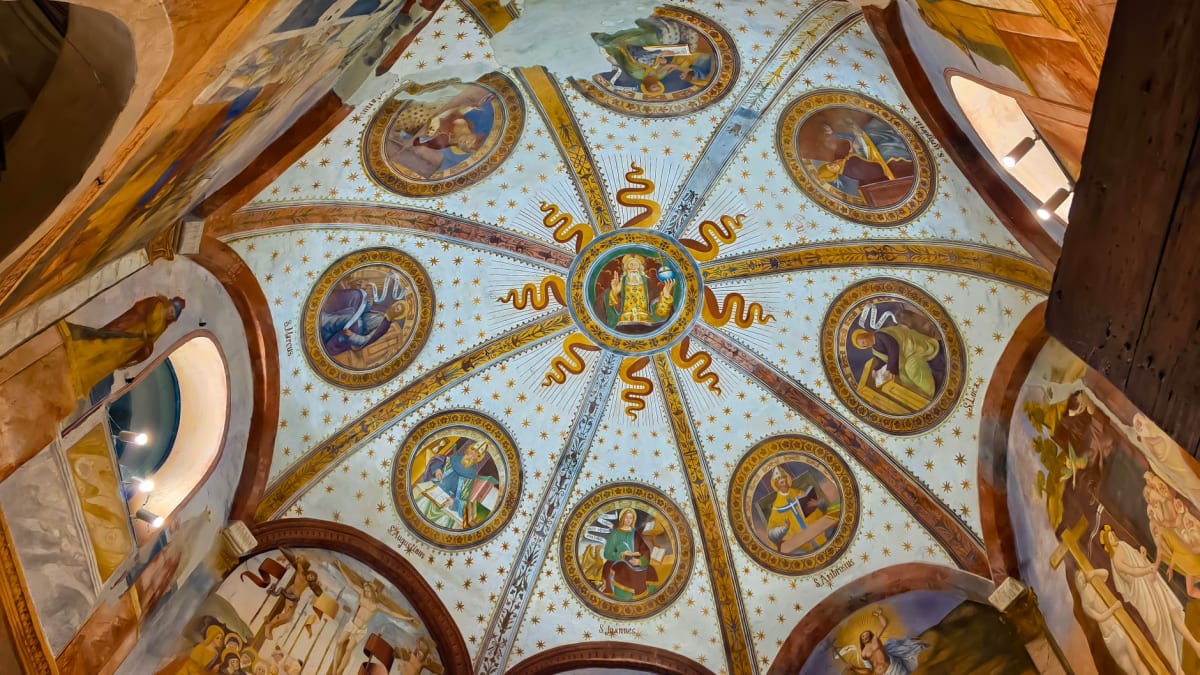
The Feria Nacional e Internacional del Cobre — held every August since 1973 — takes over the Plaza Vasco de Quiroga for several days and draws artisans from across Michoacán and beyond. Competitions are judged on technical precision and design innovation; the pieces on display range from functional kitchen items to sculptures that have no business being this refined. If you can time a visit for the fair, go on a weekday. Weekend crowds turn the narrow streets into a slow shuffle, and the best conversations happen when a workshop owner isn’t simultaneously managing four other visitors. I went one August afternoon and spent most of my time talking to a young woman — maybe twenty-five — who had taken over her father’s stall and was experimenting with oxidized finishes that gave the copper a deep, almost purplish sheen. She had a stack of rejection letters from design programs in Guadalajara and was doing more interesting work than most of what I’ve seen in those galleries.
Eating Near the Plaza
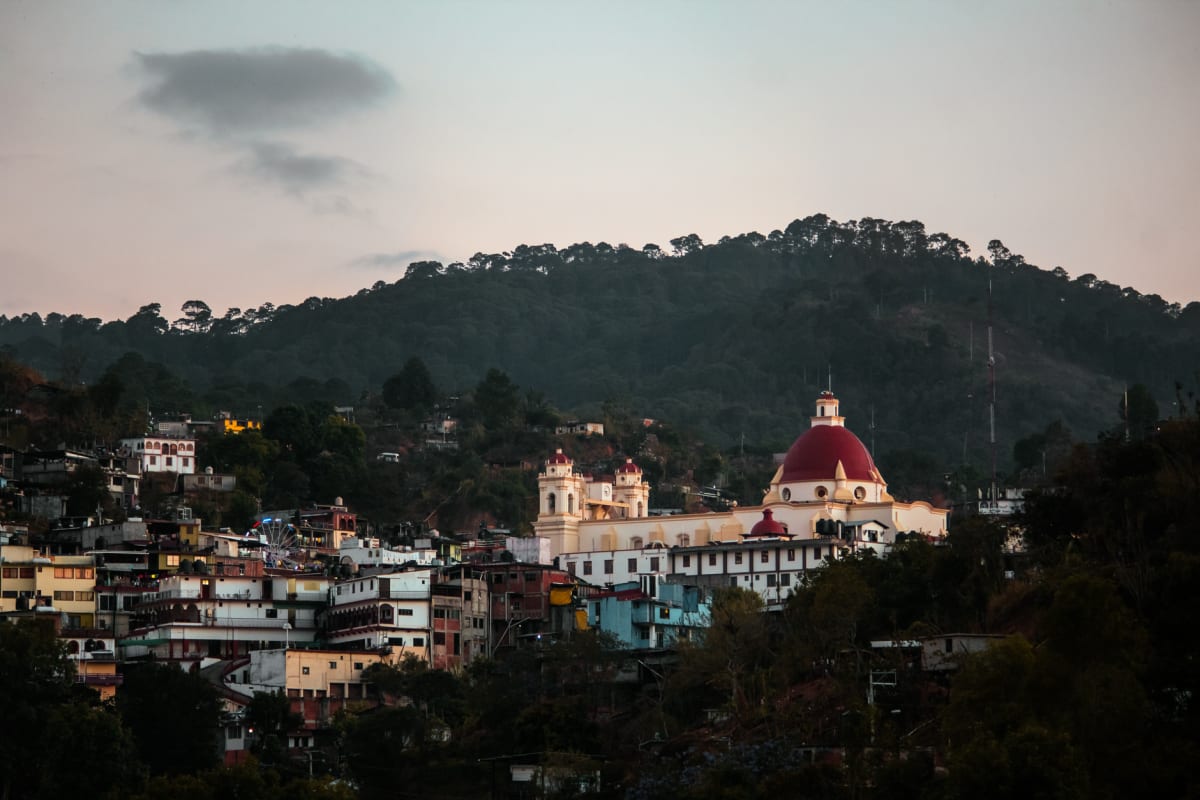
The town is small enough that the food scene isn’t elaborate, but the market corridor near the plaza has a handful of fondas serving solid Michoacán standards. I had carnitas with fresh tortillas and a bowl of corundas — the triangular Purépecha tamales wrapped in corn leaves — at a place with no name on the door, just a handwritten sign advertising comida corrida. The woman running it ladled the corundas from a clay pot she kept warm on a comal beside the counter. My table was a plastic one wedged between the door and a stack of copper trays someone had left for the market. It cost about sixty pesos and I sat there longer than was strictly necessary.
Getting There
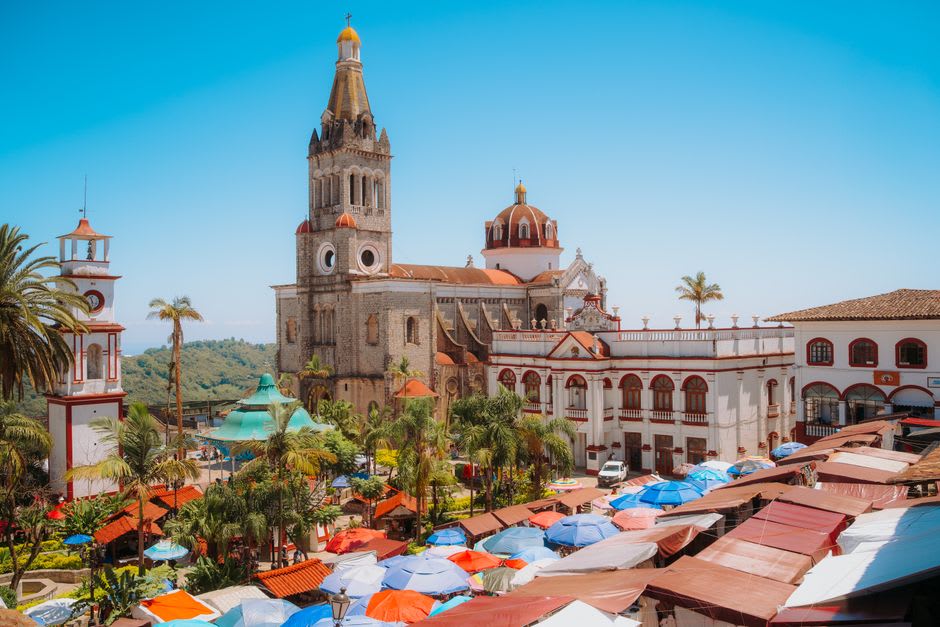
From Pátzcuaro, take MEX-120 southwest toward Ario de Rosales; Santa Clara del Cobre is signposted after about 17 kilometers. The drive takes under 25 minutes. Colectivos also run from the Pátzcuaro bus terminal throughout the day for a few pesos. There is no direct bus from Morelia — change in Pátzcuaro. Most visitors base themselves in Pátzcuaro and come for the day, which is the right call.
Keep exploring
More of Michoacán
Keep exploring
More from Michoacán
 mexico
 Santa Clara del Cobre
Santa Clara del Cobre, officially Villa Escalante, is a Purépecha town in Michoacán where copper-working is not a craft revival or a tourist attraction — it is simply what people do here, as they have for centuries. Every alley leads to a workshop, every morning begins with the ring of mallets, and the best pieces cost a fraction of what they would anywhere else.
Explore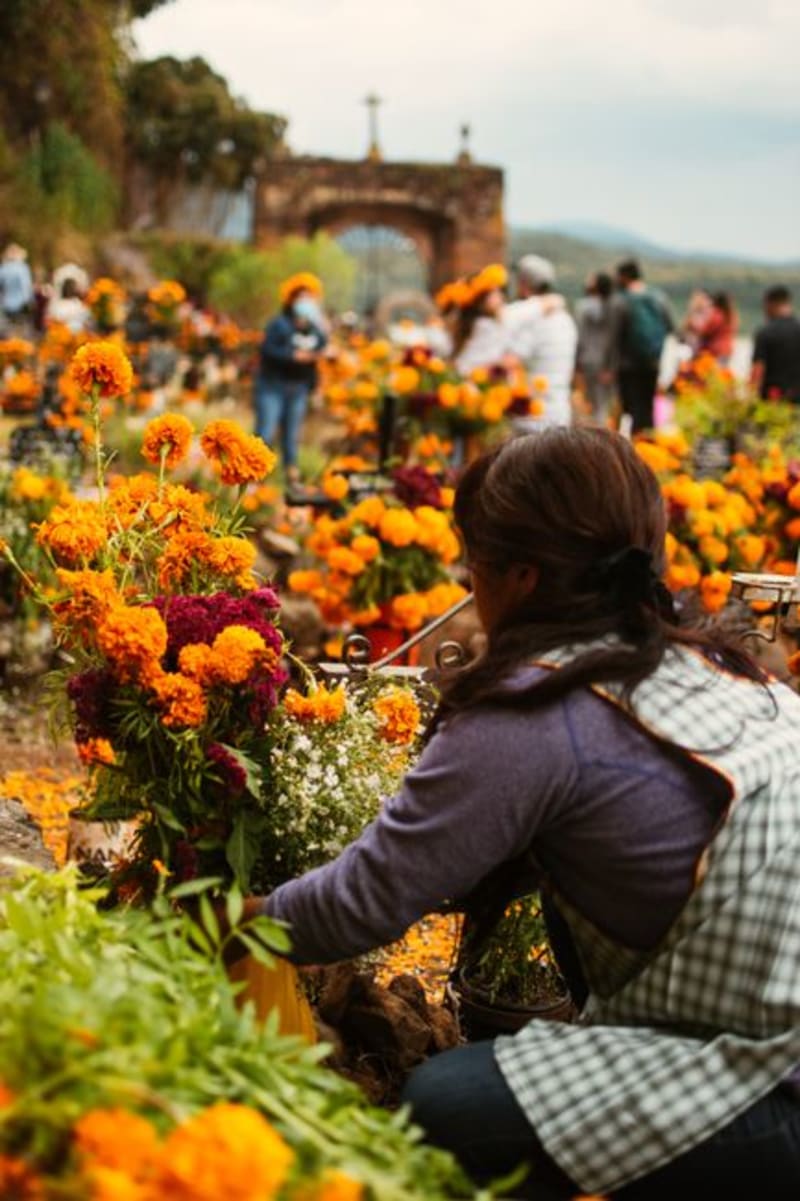 mexico
 Pátzcuaro
A colonial lakeside town built from dark volcanic stone, where Purepecha culture runs deeper than the tourist routes, and the lake at dawn still catches the nets of fishermen who learned the craft from their grandfathers. Come for the uchepos, the silence of the plazuela, and if you can time it right, the night of the dead on Janitzio.
Explore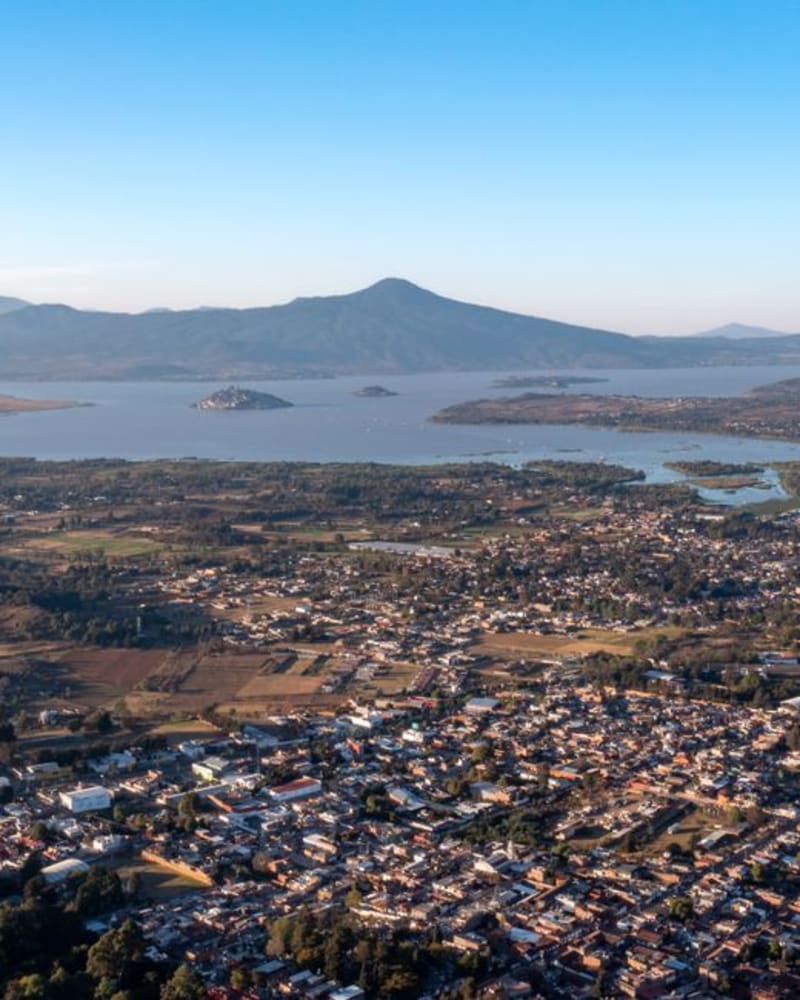 mexico
 Erongaricuaro
A small Purepecha village on the western shore of Lake Patzcuaro where artisan weavers still work backstrap looms, a handful of foreign painters settled decades ago and never left, and the dock offers what might be the quietest hour in all of Michoacán.
Explore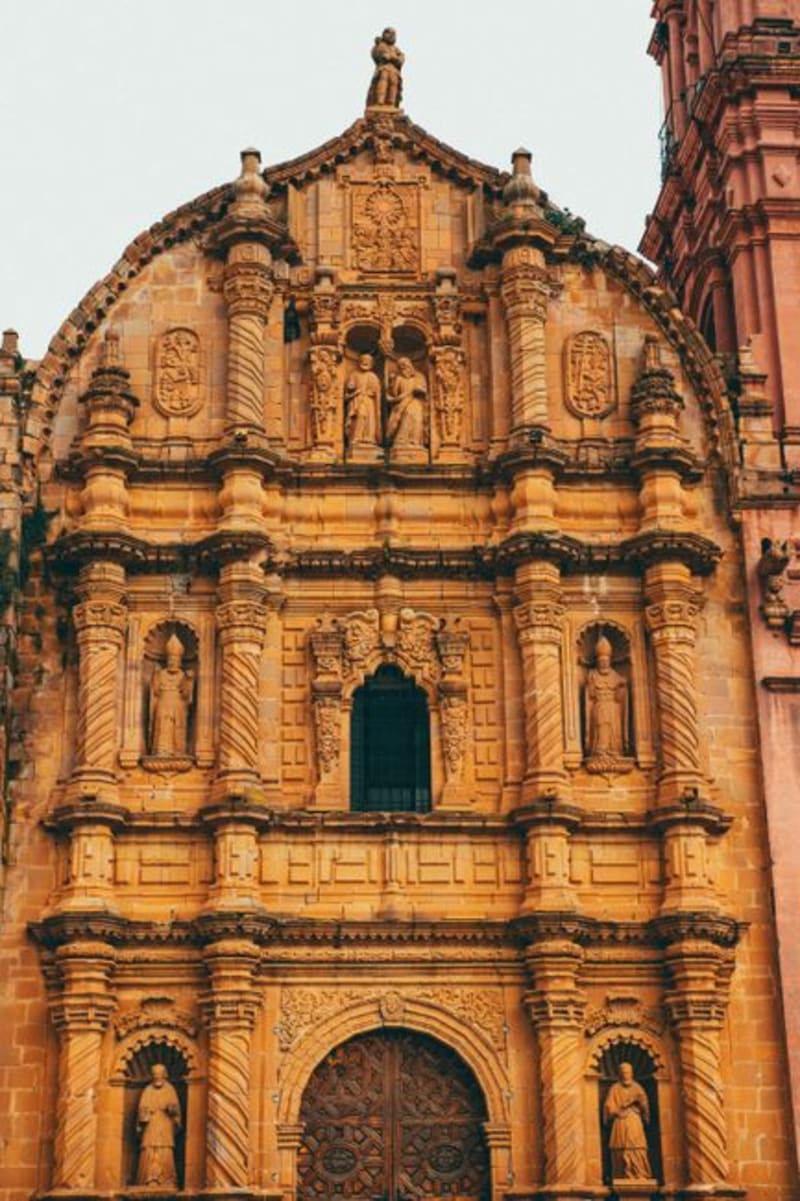 mexico
 Ario de Rosales
Ario de Rosales sits at 1,800 meters in the Michoacán sierra, ringed by avocado and peach orchards that perfume the approach roads with something between a produce market and a greenhouse. The colonial church is beautifully unrestored, the nearby La Escalera canyon offers serious slot-canyon hiking, and almost no one who visits Morelia or Pátzcuaro ever makes the drive.
Explore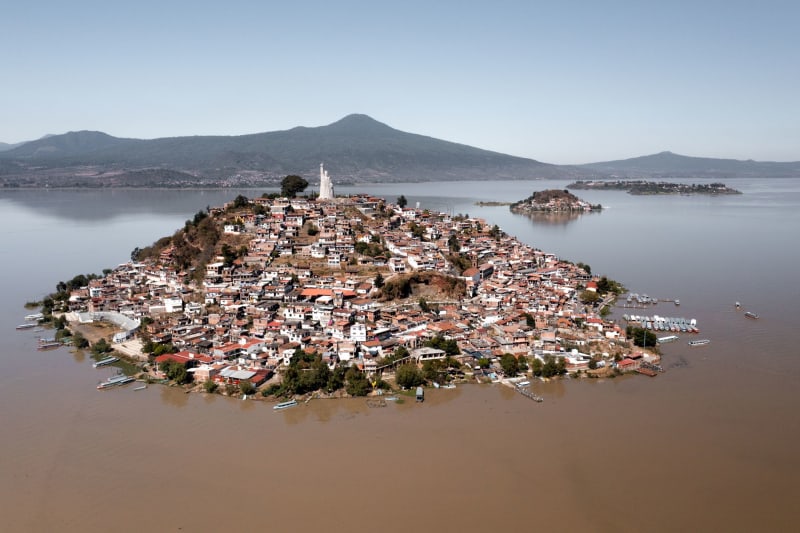 mexico
 Tzintzuntzan
The former capital of the Purépecha empire on the shores of Lake Pátzcuaro — five pyramid temples on a hillside platform, olive trees planted by Vasco de Quiroga in 1548 still producing fruit, and the most beautiful Day of the Dead cemetery in Mexico.
Explore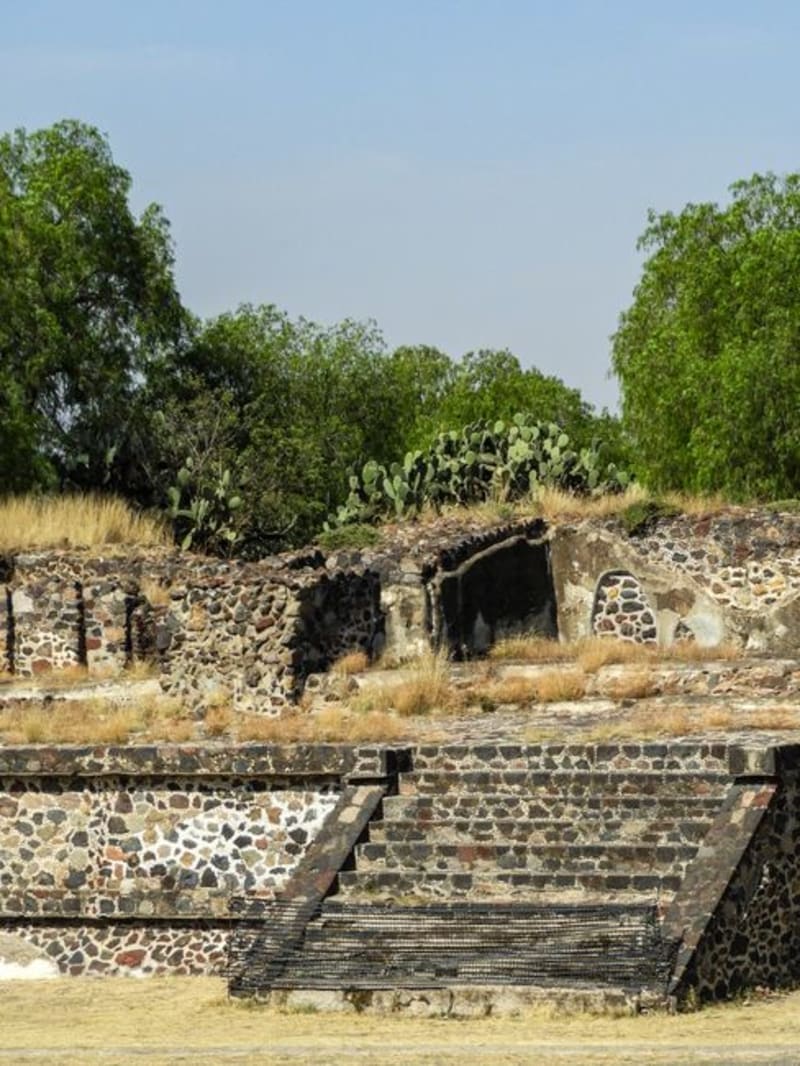 mexico
 Tzintzuntzan
The ancient capital of the Purépecha empire, Tzintzuntzan sits above Lake Pátzcuaro with five stepped pyramids — yácatas — still intact on a long ceremonial platform. A 16th-century Franciscan convent and one of Mexico's oldest olive orchards share the town with artisan workshops, and on Día de Muertos the cemetery becomes something you do not easily forget.
Explore