Pátzcuaro
"The candles on the cemetery in Janitzio burned all night and the lake held their reflection still, as if it understood the occasion."
A colonial lakeside town built from dark volcanic stone, where Purepecha culture runs deeper than the tourist routes, and the lake at dawn still catches the nets of fishermen who learned the craft from their grandfathers. Come for the uchepos, the silence of the plazuela, and if you can time it right, the night of the dead on Janitzio.

I came to Pátzcuaro on a second-class bus from Morelia on a grey Tuesday in November, which turned out to be the correct way to arrive — not the comfortable way, but the one that earns it. The town materialized slowly: pine forests, then the smell of woodsmoke, then those dark basalt facades that make every other colonial city in Mexico look overlit by comparison. Pátzcuaro does not try to charm you. It lets you walk its cobblestones until you figure out on your own that you are somewhere genuinely different.
The Lake and the Fishermen
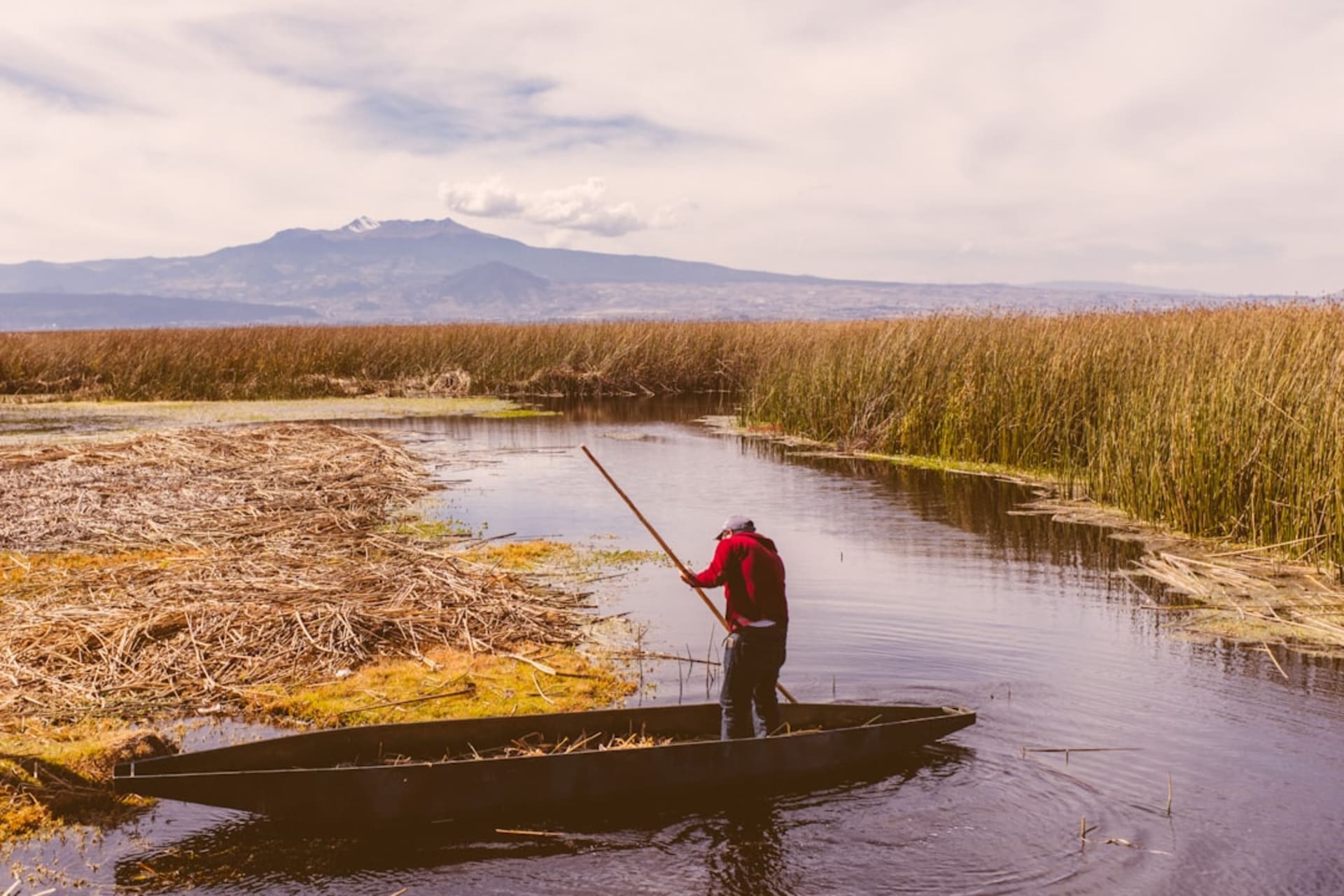
Lake Pátzcuaro is not the most spectacular lake in Mexico, and I mean that as a compliment. It does not perform. In the early morning, when the light is still white and flat, the fishermen from Janitzio and Ucasanastacua push out in their wooden lanchas and lift their mariposa nets — butterfly nets, wide-winged wooden frames that open across the surface like something ceremonial. Most of the catches are small now; the pescado blanco that made the lake famous is nearly gone. But the gesture remains. I watched from the embarcadero at Muelle General for an hour one morning with a styrofoam cup of atole from a woman who had been stationed there, apparently, since the beginning of time. The ride to Janitzio takes twenty minutes and costs almost nothing. The island is steep and crowded with vendors on weekends, but climb to the top past the giant Morelos statue and you get the whole lake in a single glance.

Día de Muertos on Janitzio
I have seen Día de Muertos in Oaxaca, in Mexico City, in towns that have learned to package the ritual for cameras. Janitzio on the night of November 1st is different in a way I did not fully expect. The Purepecha families cross to the island in the dark, carrying marigolds and candles and photographs, and they spend the night at the graves of their dead. The lake reflects the candlelight. There is almost no sound except the water and, occasionally, someone weeping. I felt acutely like a witness rather than a participant, which is the correct feeling. Go if you have the chance. Do not take flash photographs. Stand back.

What to Eat Around Plaza Vasco de Quiroga
The Plazuela de San Francisco and the streets behind the market on Calle Enseñanza are where I ate best. Uchepos — fresh corn tamales, softer and sweeter than the masa you know, served with crema and a salsa verde — are the thing to order at almost any hour. Sopa tarasca, a bean soup thickened until it is almost a purée and finished with fried tortilla strips and chile, appeared on my table twice in three days without any plan on my part. The Mercado de San Juan de Dios on the Calle Ponce de León side has the better produce stalls and a row of comedores where lunch is still four courses for a price that feels morally incorrect.

Getting There
Buses from Morelia’s Central de Autobuses run to Pátzcuaro roughly every thirty minutes; the ride is ninety minutes on a good day. From Mexico City’s Terminal Poniente, ETN and Primera Plus run direct overnight services. The town itself is walkable, though the streets are steep enough that by day two your calves will have opinions.
Keep exploring
More of Michoacán
Keep exploring
More from Michoacán
 mexico
 Santa Clara del Cobre
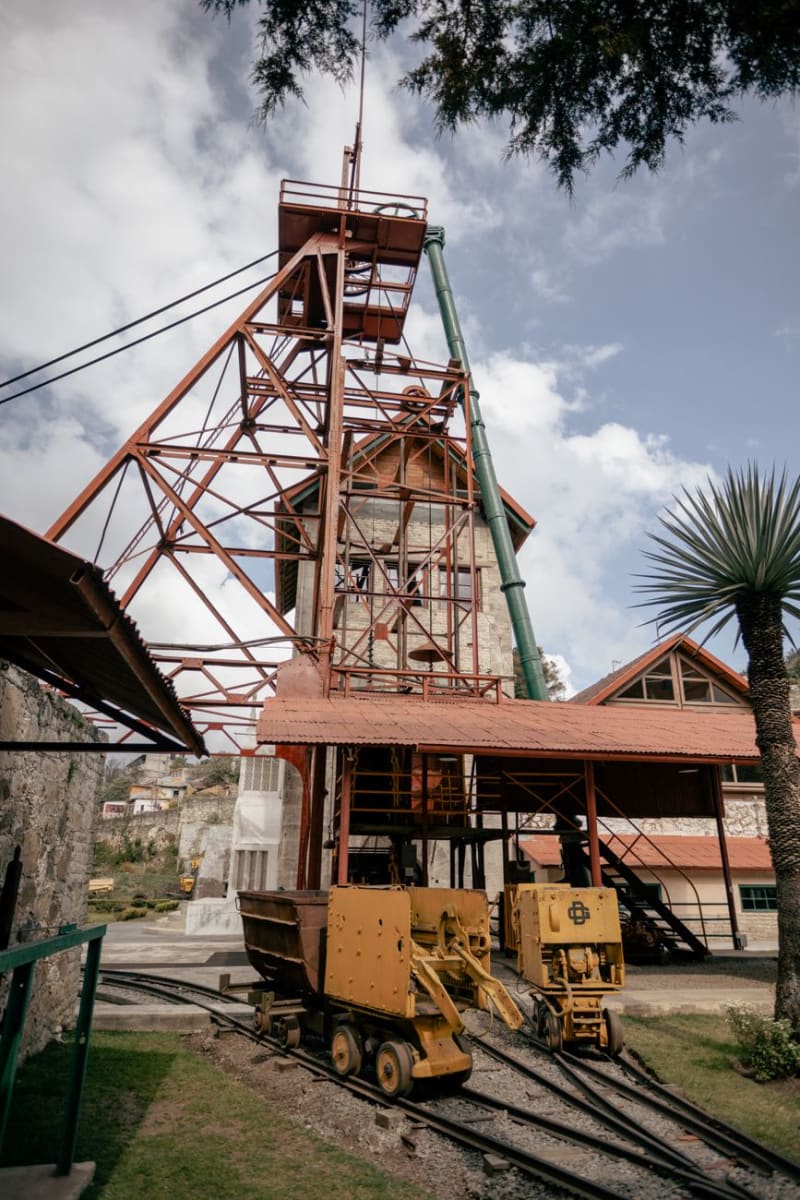
A Pueblo Mágico in Michoacán where copper workshops line every street and the sound of hammers on metal has been the town's rhythm for centuries. Purépecha artisans still shape copper entirely by hand, using techniques that predate the Spanish by generations.
Explore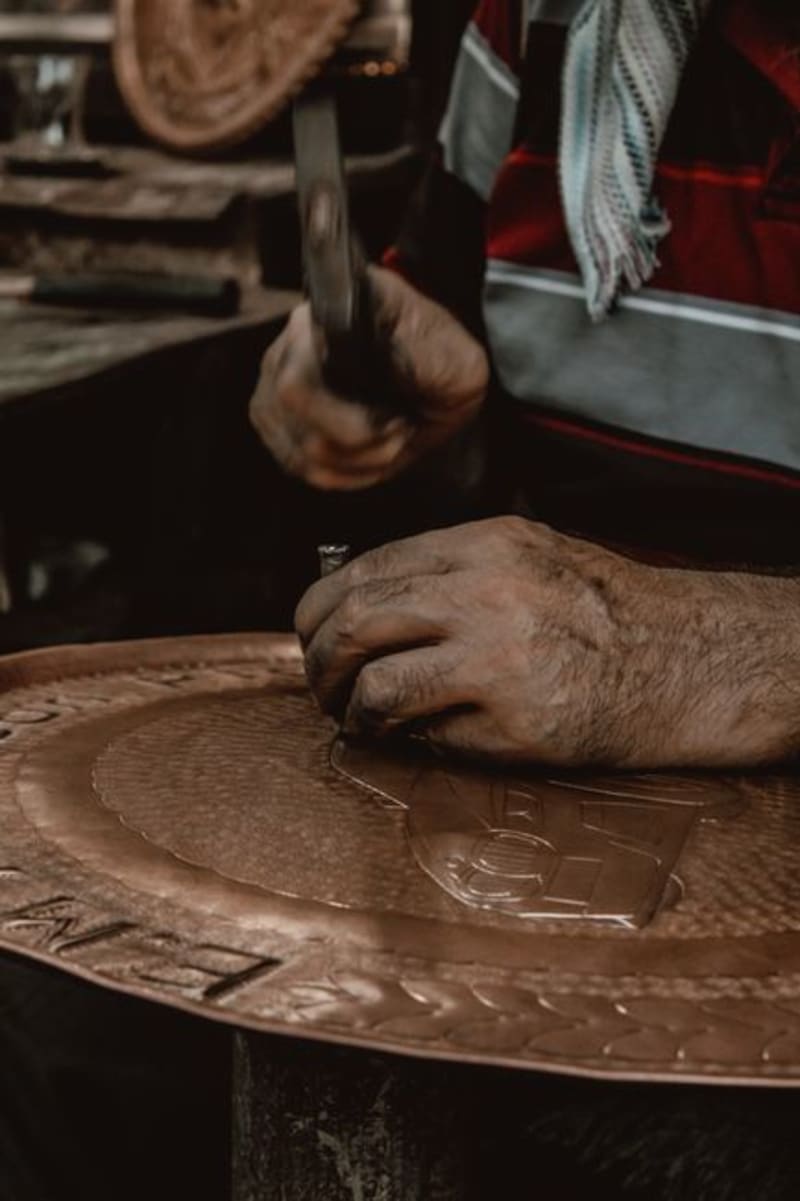 mexico
 Santa Clara del Cobre
Santa Clara del Cobre, officially Villa Escalante, is a Purépecha town in Michoacán where copper-working is not a craft revival or a tourist attraction — it is simply what people do here, as they have for centuries. Every alley leads to a workshop, every morning begins with the ring of mallets, and the best pieces cost a fraction of what they would anywhere else.
Explore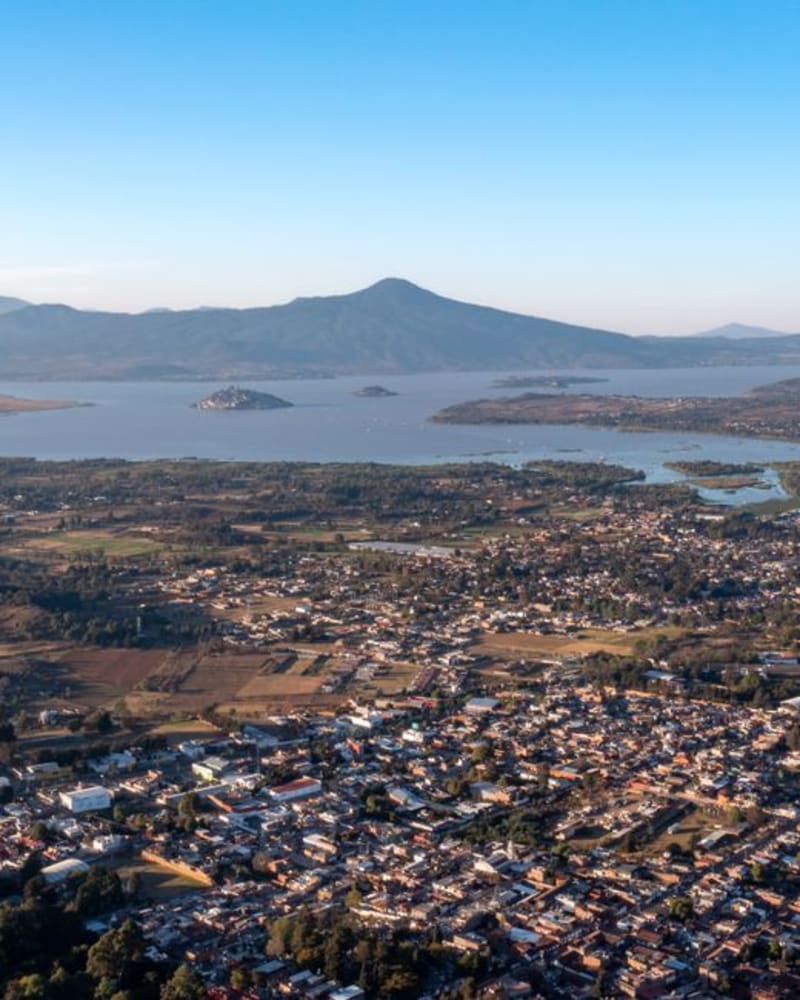 mexico
 Erongaricuaro
A small Purepecha village on the western shore of Lake Patzcuaro where artisan weavers still work backstrap looms, a handful of foreign painters settled decades ago and never left, and the dock offers what might be the quietest hour in all of Michoacán.
Explore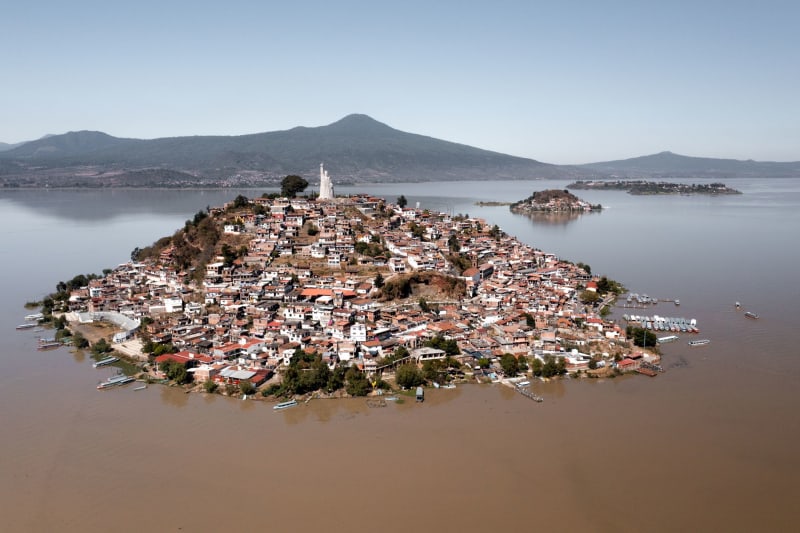 mexico
 Tzintzuntzan
The former capital of the Purépecha empire on the shores of Lake Pátzcuaro — five pyramid temples on a hillside platform, olive trees planted by Vasco de Quiroga in 1548 still producing fruit, and the most beautiful Day of the Dead cemetery in Mexico.
Explore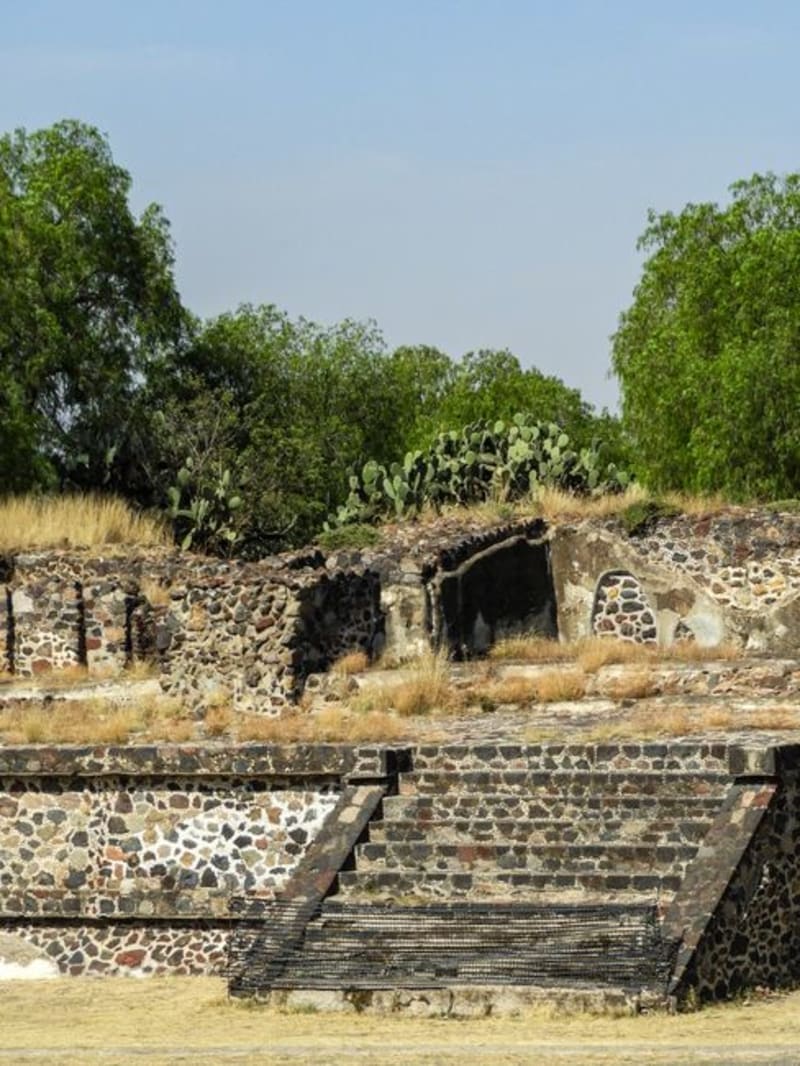 mexico
 Tzintzuntzan
The ancient capital of the Purépecha empire, Tzintzuntzan sits above Lake Pátzcuaro with five stepped pyramids — yácatas — still intact on a long ceremonial platform. A 16th-century Franciscan convent and one of Mexico's oldest olive orchards share the town with artisan workshops, and on Día de Muertos the cemetery becomes something you do not easily forget.
Explore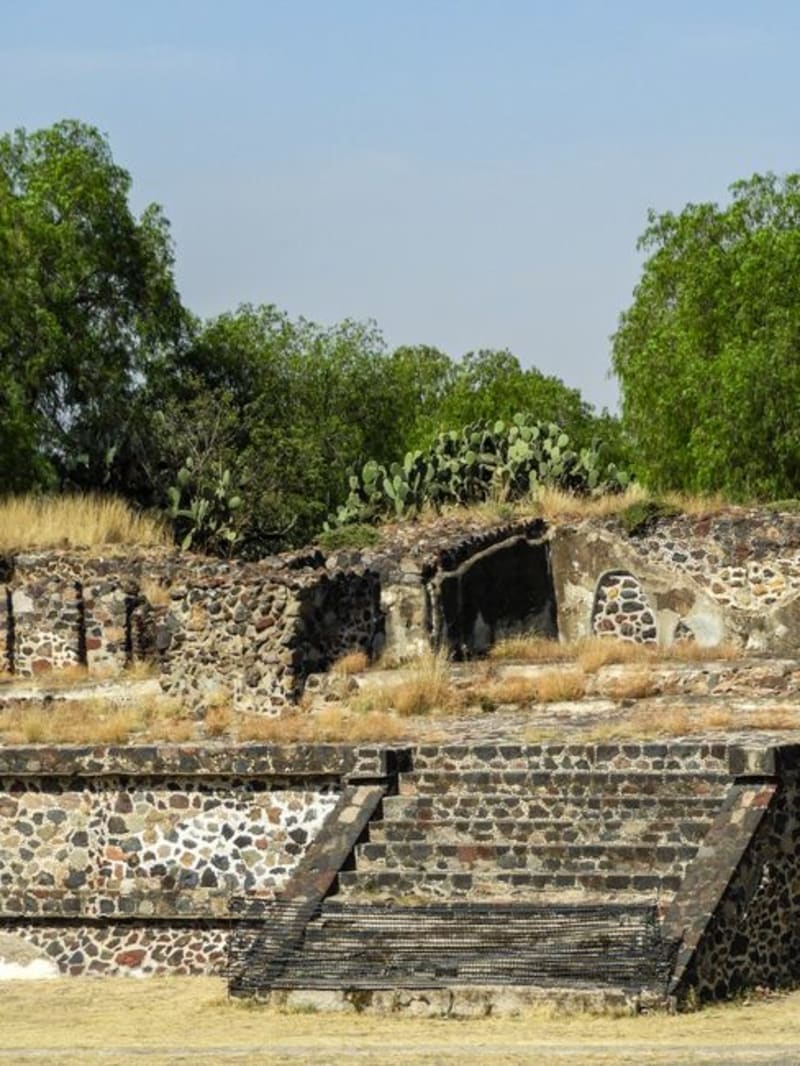 mexico
 Tingambato
Twelve kilometers from Pátzcuaro, Tingambato's archaeological zone sits in pine-forest quiet where most lake-region visitors never venture. The site flourished between 450 and 900 AD, the ball court is among the better-preserved in western Mexico, and you can walk the whole thing without once queuing for a photo.
Explore