Ario de Rosales
"Ario de Rosales is a high-sierra Michoacán town that rewards the traveler who came prepared to be surprised."
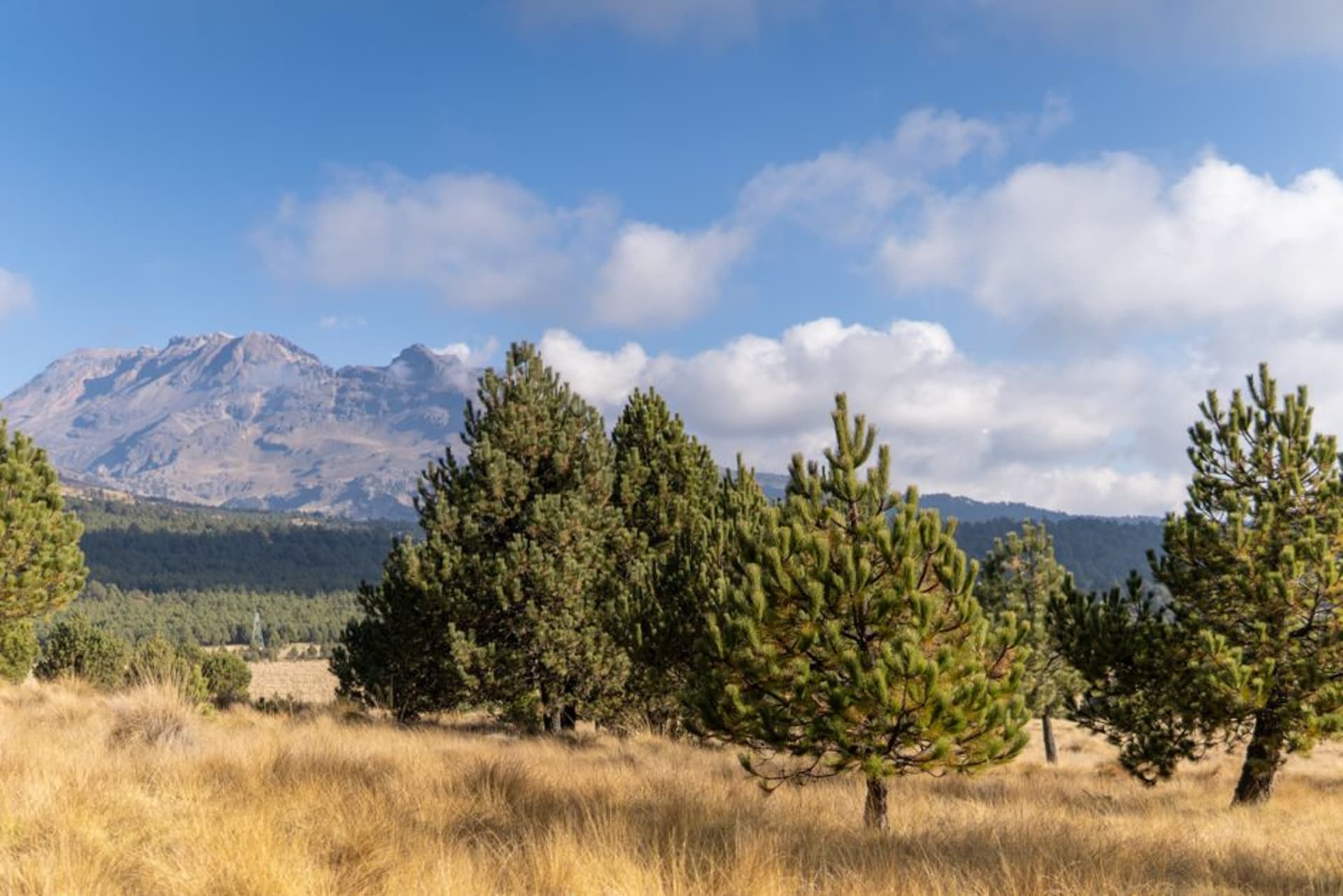
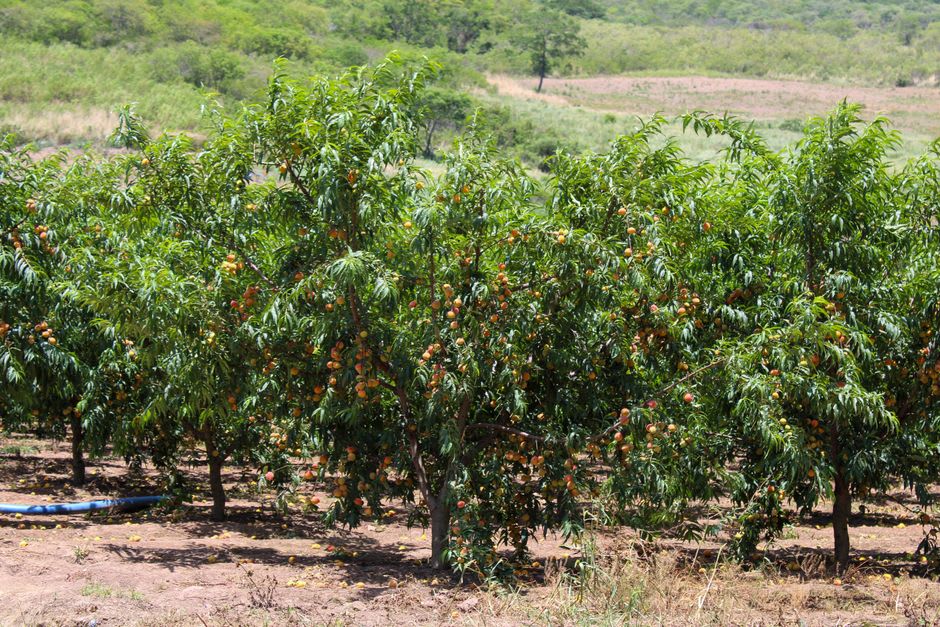
Ario de Rosales sits at 1,800 meters in the Michoacán sierra, ringed by avocado and peach orchards that perfume the approach roads with something between a produce market and a greenhouse. The colonial church is beautifully unrestored, the nearby La Escalera canyon offers serious slot-canyon hiking, and almost no one who visits Morelia or Pátzcuaro ever makes the drive.

The road climbs out of the Tierra Caliente through orchards that make you forget you are driving — avocados on the left slope, peaches on the right, and the air at 1,800 meters thin enough that the windows stay down even in December. I had taken the detour from Uruapan on a Tuesday morning because someone at a lonchería in Pátzcuaro had mentioned La Escalera canyon the way people mention things they assume everyone already knows. I did not know. By the time I reached the plaza in Ario de Rosales, my notebook was already open.
The Canyon Nobody Plots on Their Map
La Escalera is a slot canyon cut into the sierra roughly twenty minutes south of town, and the hike into it felt like something stumbled onto rather than planned. The walls narrow to a meter and a half in places, and the light enters in diagonals that shift every twenty minutes as the sun moves across the gap above. I went on a Wednesday with a guide I found through the municipal tourism office on the plaza — a man named Rodrigo who carried rope and knew exactly where to step when the path crossed the streambed. The descent takes about two hours if you are not in a hurry, which you should not be. The canyon floor is littered with smooth stones and occasional pools that, in February, were cold enough to make me inhale sharply at the first crossing. There is no infrastructure here — no railings, no painted markers beyond Rodrigo’s knowledge. That is precisely the point.
A Market Morning and a Church Left Largely Alone
The Sunday tianguis in Ario de Rosales sprawls from the jardín down Calle Hidalgo and partway onto the side streets before eight in the morning. I bought a bag of ataulfo mangos from a grower near Apatzingán and a portion of corundas — the triangular Michoacán tamales wrapped in reed rather than corn husks — from a woman whose table occupied roughly half a meter of sidewalk and required a forty-minute wait. The church at the plaza dates from the eighteenth century and has been left largely alone by restorers, which means the stone has darkened in organic patterns and the interior smells of wax and old wood rather than fresh paint. I spent a quarter of an hour inside after eight o’clock mass, when the town was still waking up and the light through the side windows was pale and nearly horizontal.
Where to Eat and How to Pace the Day
Ario de Rosales is not a town with restaurant districts. What it has is a handful of comedores around the market and a couple of spots on the plaza where the comida corrida arrives in generous courses around two in the afternoon. I ate at a corner place on the jardín — the sign had faded past legibility — and ordered a caldo de res followed by enchiladas michoacanas with crema and queso cotija. The bill came to seventy pesos. On Sunday mornings there are carnitas near the market entrance, sold by the kilo and eaten standing. Plan a full day if you are doing La Escalera: aim to be out of the canyon by early afternoon so the return drive to Uruapan does not catch you on mountain roads in the dark.
Getting There
Ario de Rosales is roughly 90 kilometers from Uruapan on Federal Highway 37, about two hours of curves and climbing through orchard country. There is no direct bus from Morelia; the standard route involves a connection at Uruapan’s Central Camionera. A rental car from Morelia or Uruapan makes the canyon considerably more practical. For a guide to La Escalera, ask directly at the municipal tourism office on the main plaza before driving out.
Keep exploring
More of Michoacán
Keep exploring
More from Michoacán
 mexico
 Santa Clara del Cobre
A Pueblo Mágico in Michoacán where copper workshops line every street and the sound of hammers on metal has been the town's rhythm for centuries. Purépecha artisans still shape copper entirely by hand, using techniques that predate the Spanish by generations.
Explore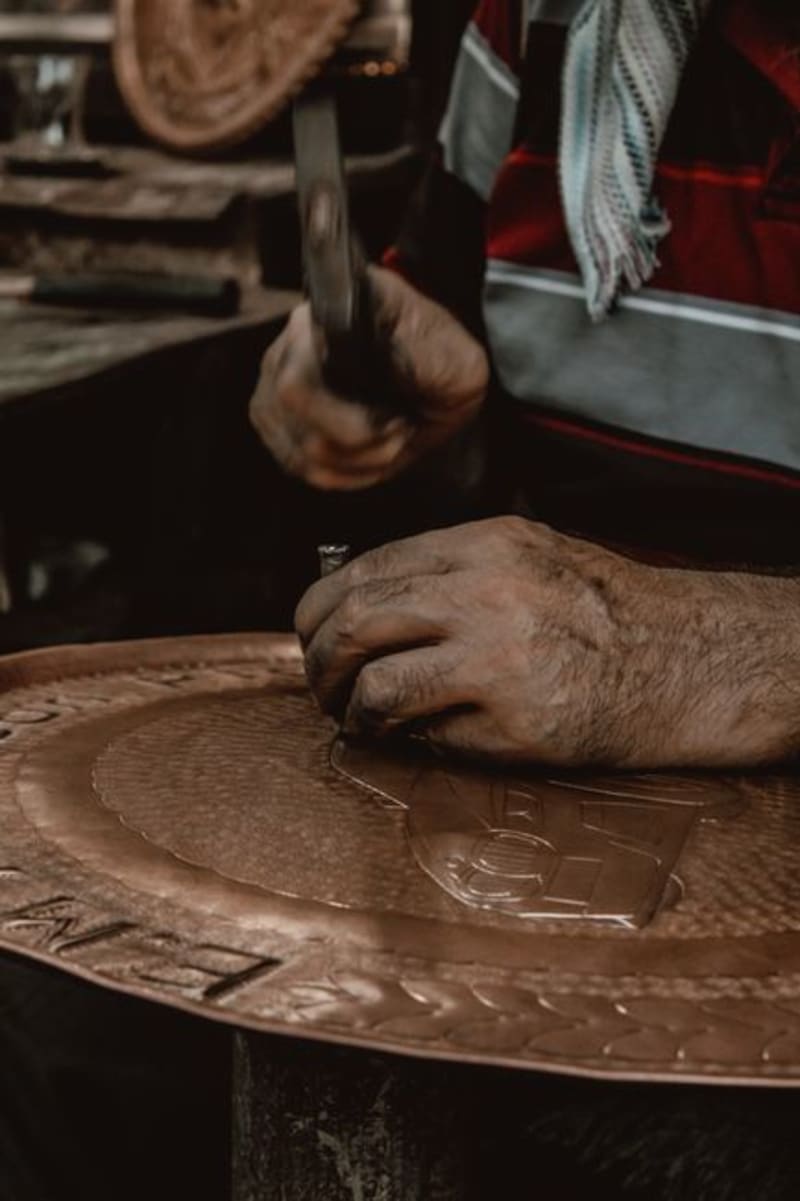 mexico
 Santa Clara del Cobre
Santa Clara del Cobre, officially Villa Escalante, is a Purépecha town in Michoacán where copper-working is not a craft revival or a tourist attraction — it is simply what people do here, as they have for centuries. Every alley leads to a workshop, every morning begins with the ring of mallets, and the best pieces cost a fraction of what they would anywhere else.
Explore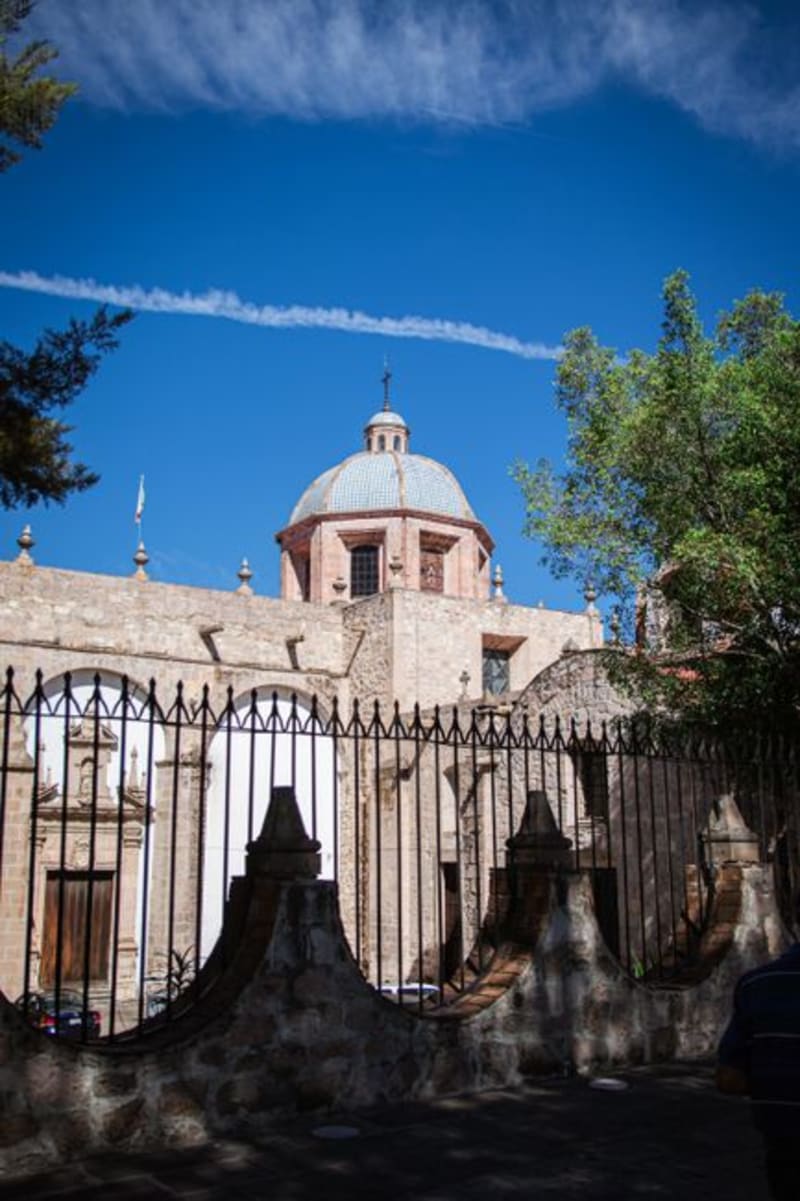 mexico
 Tacámbaro
A Michoacán Pueblo Mágico built into a hillside above avocado country, Tacámbaro carries an outsized piece of history — the 1865 Battle of Tacámbaro, where Belgian Zouaves fighting for Maximilian's empire met a decisive and humbling end. The steep cobblestones, the 16th-century Franciscan convent, and the approach roads lined with orchards make it a place worth the detour from Pátzcuaro.
Explore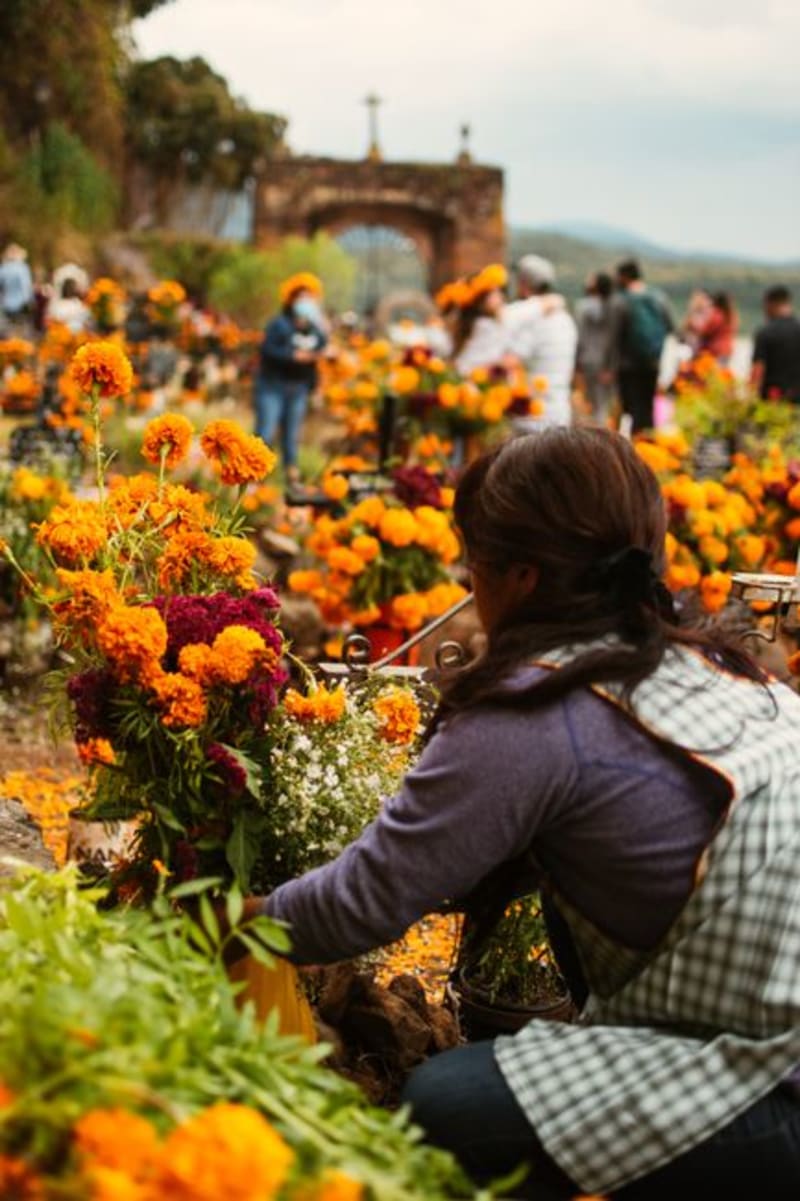 mexico
 Pátzcuaro
A colonial lakeside town built from dark volcanic stone, where Purepecha culture runs deeper than the tourist routes, and the lake at dawn still catches the nets of fishermen who learned the craft from their grandfathers. Come for the uchepos, the silence of the plazuela, and if you can time it right, the night of the dead on Janitzio.
Explore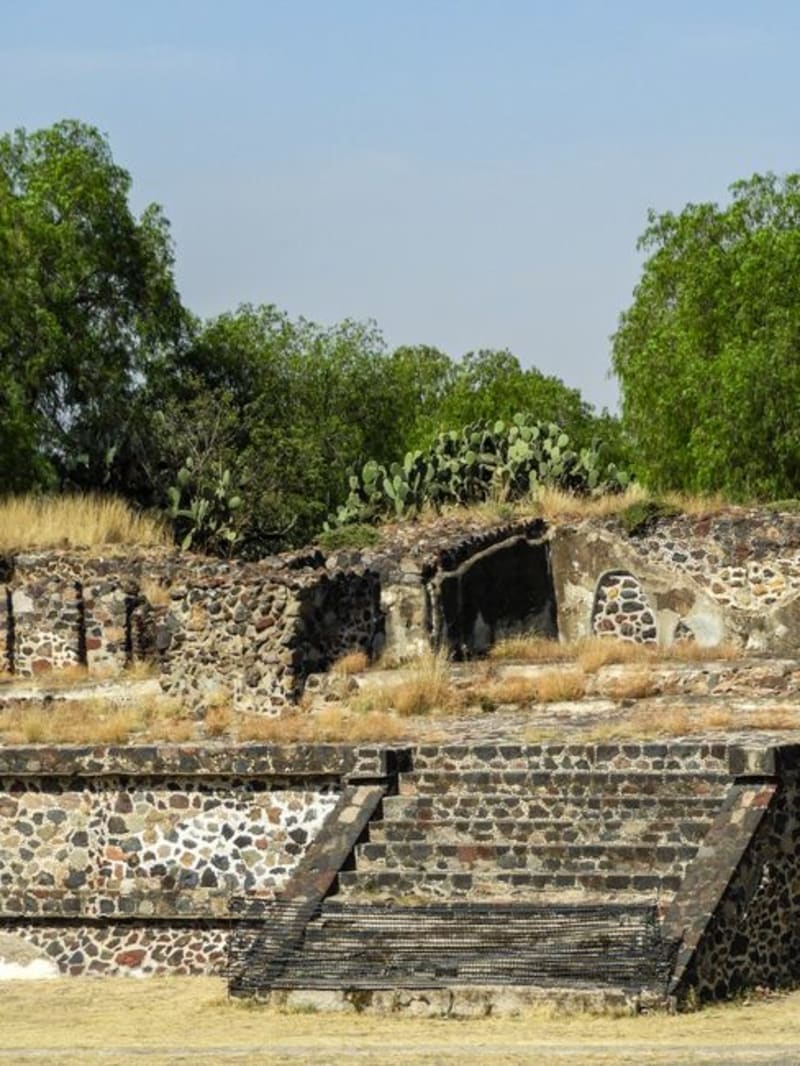 mexico
 Tingambato
Twelve kilometers from Pátzcuaro, Tingambato's archaeological zone sits in pine-forest quiet where most lake-region visitors never venture. The site flourished between 450 and 900 AD, the ball court is among the better-preserved in western Mexico, and you can walk the whole thing without once queuing for a photo.
Explore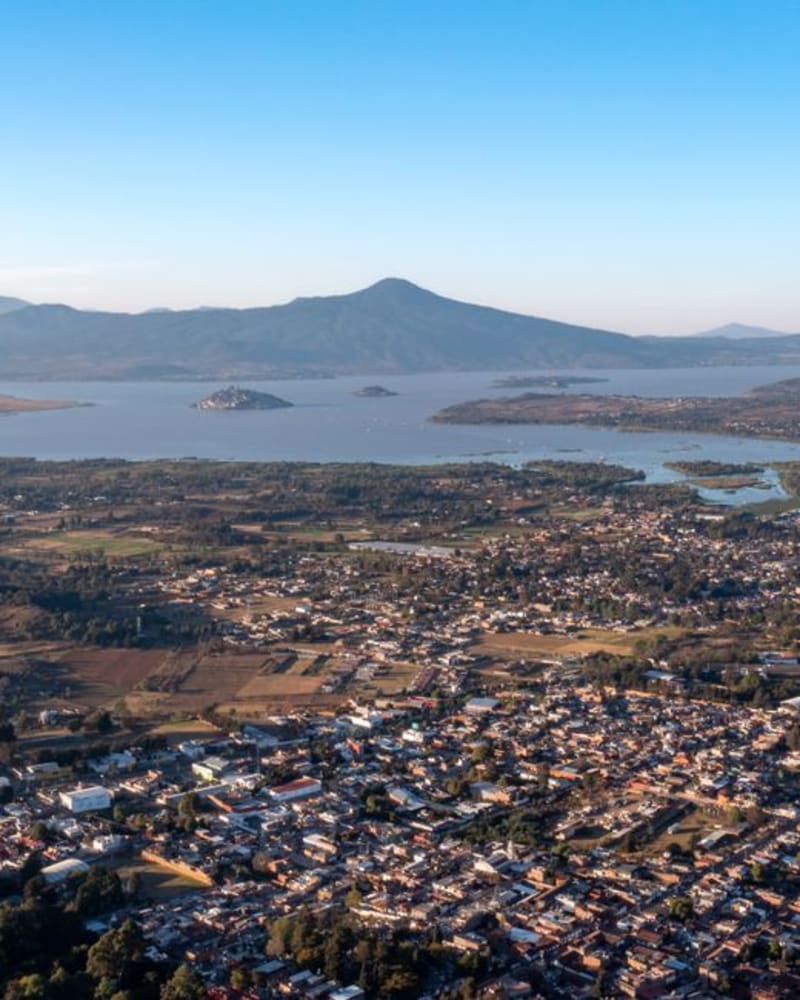 mexico
 Erongaricuaro
A small Purepecha village on the western shore of Lake Patzcuaro where artisan weavers still work backstrap looms, a handful of foreign painters settled decades ago and never left, and the dock offers what might be the quietest hour in all of Michoacán.
Explore