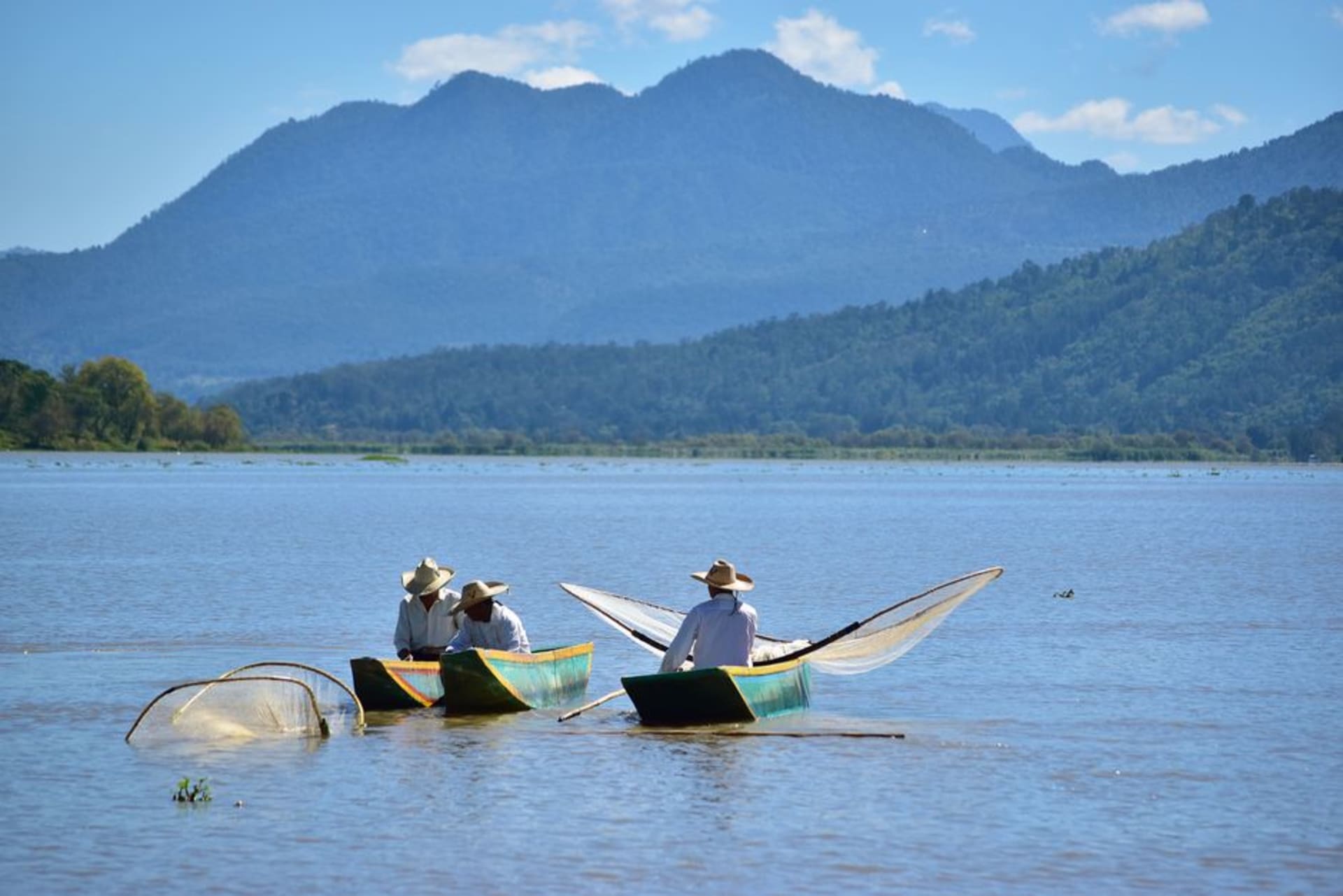
Quiroga
"Quiroga is Pátzcuaro's scrappier neighbor — less polished, better carnitas, and refreshingly uninterested in being photogenic."
Quiroga sits at the edge of Lake Pátzcuaro without pretending to compete with its neighbor — a working town that happens to make some of the best carnitas in Mexico, cooked the Purépecha way in massive copper cauldrons along the main road. The artisan market is unpolished and negotiable, which makes it more interesting.

I took a combi from Pátzcuaro on a Tuesday morning, twenty minutes of pine forest and lake views, and stepped off into the smell of rendered fat and wood smoke. Quiroga announces itself before you see anything. The main road — Avenida Lázaro Cárdenas — runs straight through town and both sides of it are given over almost entirely to carnitas vendors, each one presiding over a copper cauldron the size of a small bathtub. It is, if you came from Pátzcuaro expecting more cobblestones and artisan cool, genuinely disorienting. I was hungry in under a minute.
The Carnitas
The copper pot is not a marketing prop. The Purépecha people of this region have been rendering pork this way for centuries, and Quiroga’s vendors are keeping something specific alive — lard-poached, low-and-slow, the whole animal used. You order by cut: maciza for lean shoulder, costilla for rib, buche for stomach, nana if you are curious and not squeamish. Vendors slice to order, wrap in paper, hand it over with tortillas and salsa verde. No menus, no signs explaining the tradition. You point, they weigh, you pay around 30–40 pesos per taco if you assemble at the communal table where the salsas are already set out.
The best carnitas I had were from a stall near the market entrance with nothing posted on it — just a woman in an apron and a copper pot older than my parents. Her maciza had this particular quality of being simultaneously crisp on the exterior and yielding inside, which is the whole point and harder to achieve than it sounds. I went back twice.

The Market
The Mercado de Artesanías de Quiroga is bigger and more chaotic than Pátzcuaro’s, and for that reason more honest. The lacquerwork here — bowls, trays, furniture — follows the same Purépecha aesthetic tradition but at a fraction of the price you would pay after the tourist markup gets applied somewhere more photogenic. The woodcarving stalls carry everything from rough decorative pieces to carefully painted masks used in the Danza de los Viejitos. Textile vendors sell rebozos and tablecloths in the deep magentas and greens that come from the sierra villages nearby.
Vendors will negotiate here — not performatively, but actually negotiate, the way markets work when they are not primarily selling to day-trippers with credit cards. Come with cash, come without urgency, and do not pretend something is more interesting than it is. A straightforward ¿me lo deja en X? works better than elaborate haggling theater. I left with a small lacquered bowl for 80 pesos that would have cost 250 in San Miguel de Allende.

Staying Oriented
Quiroga is not a full-day destination unless you eat a great deal. Arriving around 10am hits the carnitas vendors at peak production. Eat first, then walk the market for an hour or two. The main square — Plaza Vasco de Quiroga, named for the 16th-century bishop who organized the regional craft economy — is pleasant without being remarkable. The Parroquia de Santiago Apóstol is worth stepping inside; there are Purépecha iconographic details in the interior that you will miss entirely if you only pass by on the street. The road between Quiroga and Pátzcuaro follows the lake’s northern edge and the views, especially in morning light, are worth slowing down for.

Getting There
Combis run frequently between Pátzcuaro and Quiroga — roughly 20 minutes, around 15 pesos, departing from near the Pátzcuaro bus terminal. From Morelia it is about an hour by combi or bus. There is no real reason to sleep here; it functions as a half-day from either city. Go hungry.
Keep exploring
More of Michoacán
Keep exploring
More from Michoacán
 mexico
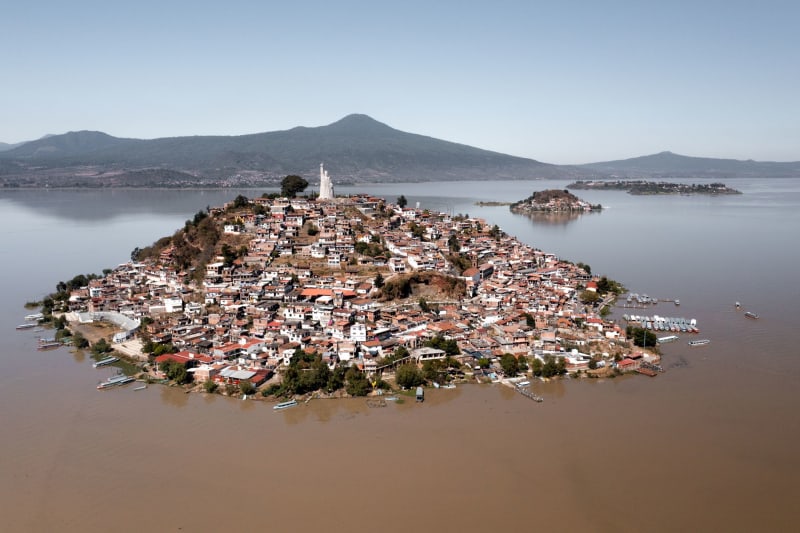
 Tzintzuntzan
The former capital of the Purépecha empire on the shores of Lake Pátzcuaro — five pyramid temples on a hillside platform, olive trees planted by Vasco de Quiroga in 1548 still producing fruit, and the most beautiful Day of the Dead cemetery in Mexico.
Explore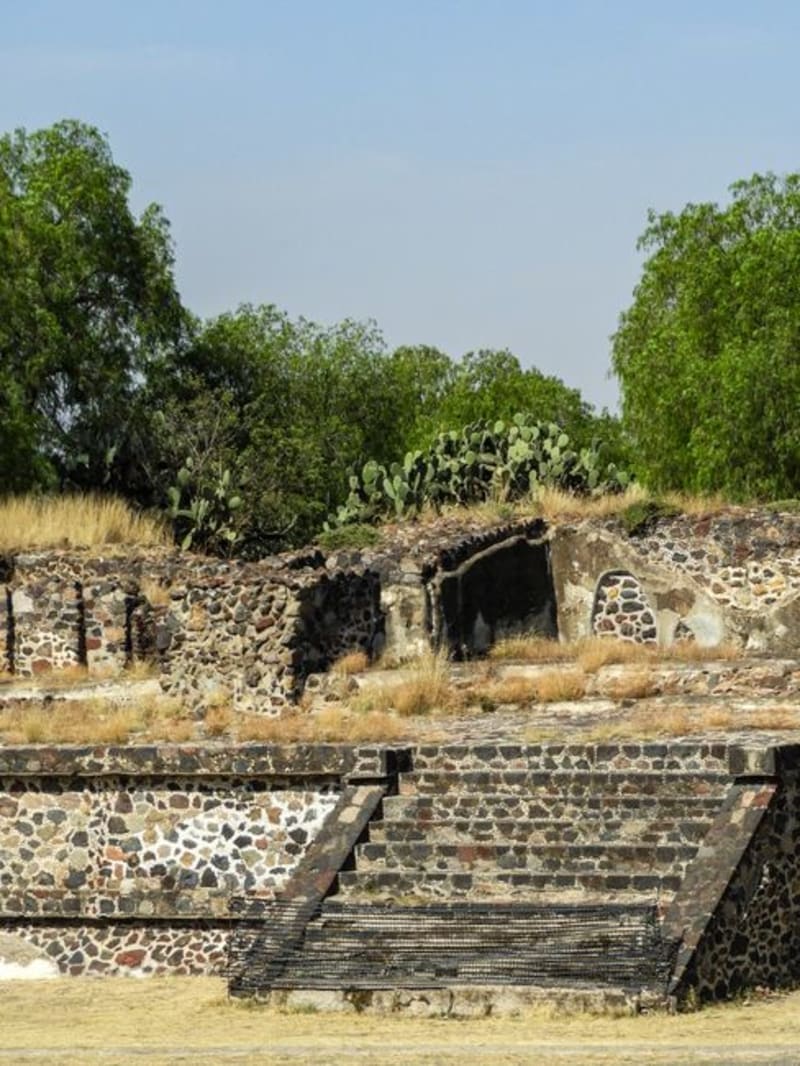 mexico
 Tzintzuntzan
The ancient capital of the Purépecha empire, Tzintzuntzan sits above Lake Pátzcuaro with five stepped pyramids — yácatas — still intact on a long ceremonial platform. A 16th-century Franciscan convent and one of Mexico's oldest olive orchards share the town with artisan workshops, and on Día de Muertos the cemetery becomes something you do not easily forget.
Explore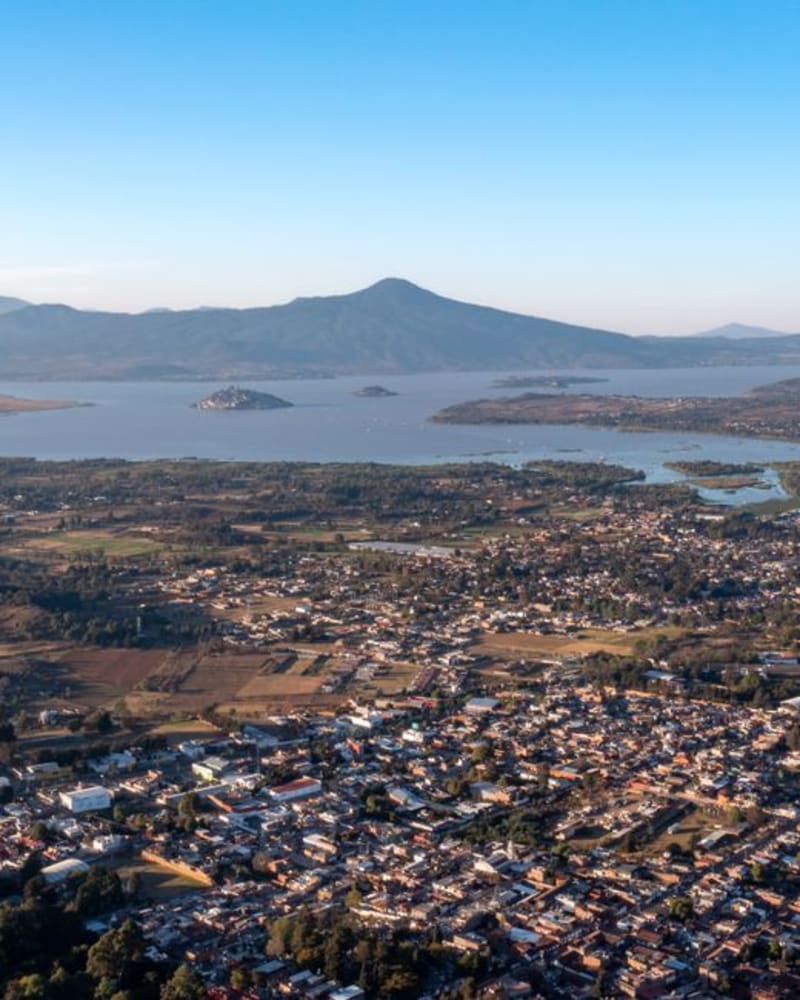 mexico
 Erongaricuaro
A small Purepecha village on the western shore of Lake Patzcuaro where artisan weavers still work backstrap looms, a handful of foreign painters settled decades ago and never left, and the dock offers what might be the quietest hour in all of Michoacán.
Explore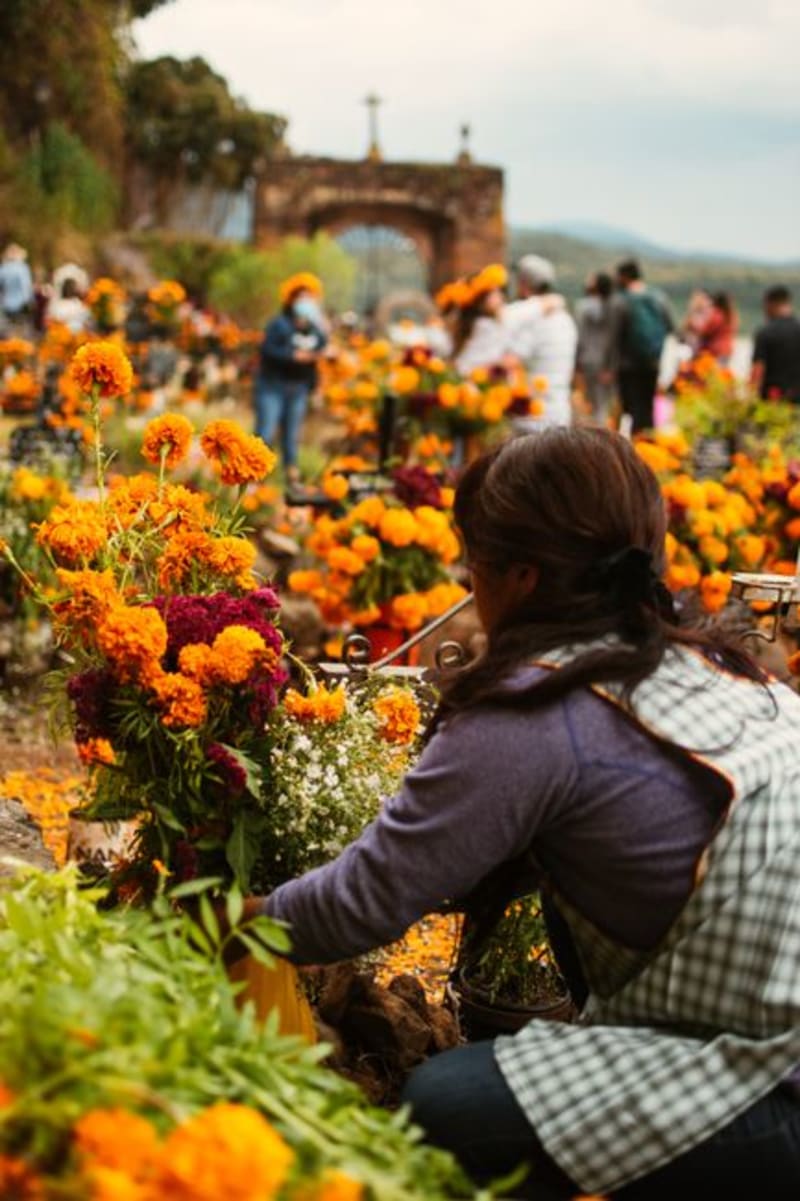 mexico
 Pátzcuaro
A colonial lakeside town built from dark volcanic stone, where Purepecha culture runs deeper than the tourist routes, and the lake at dawn still catches the nets of fishermen who learned the craft from their grandfathers. Come for the uchepos, the silence of the plazuela, and if you can time it right, the night of the dead on Janitzio.
Explore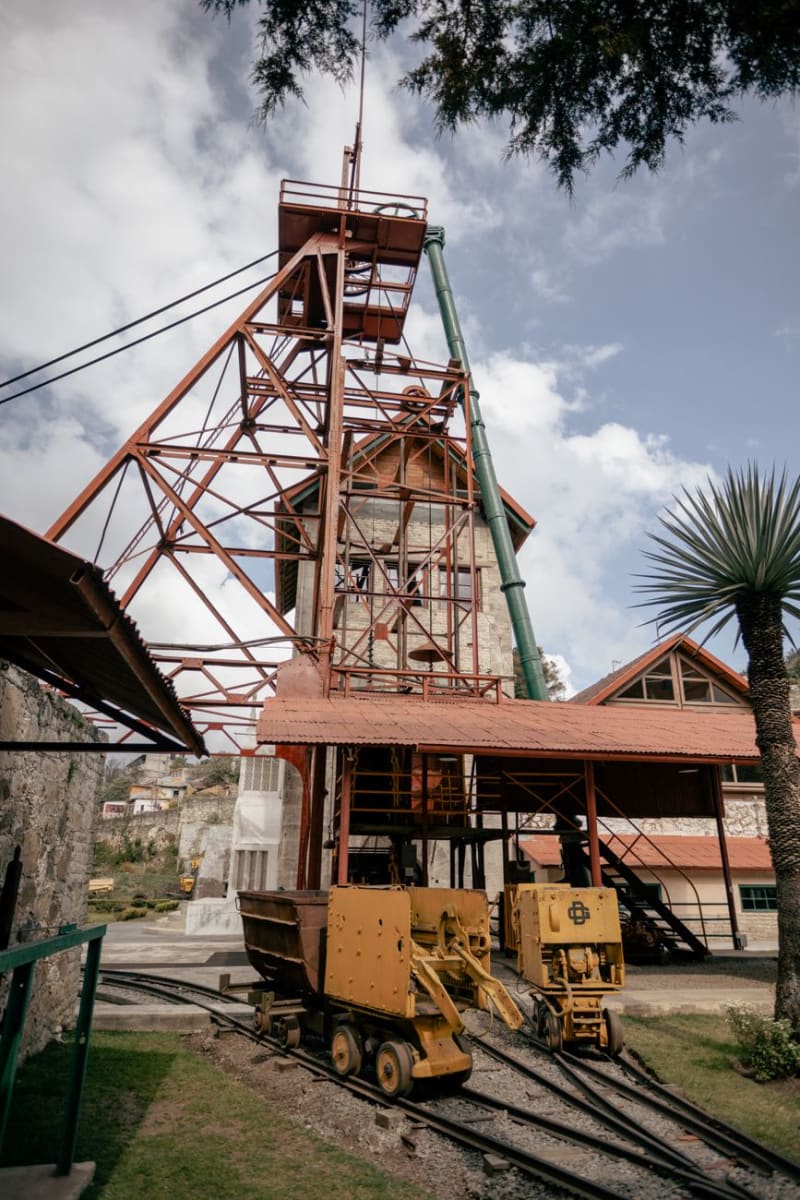 mexico
 Santa Clara del Cobre
A Pueblo Mágico in Michoacán where copper workshops line every street and the sound of hammers on metal has been the town's rhythm for centuries. Purépecha artisans still shape copper entirely by hand, using techniques that predate the Spanish by generations.
Explore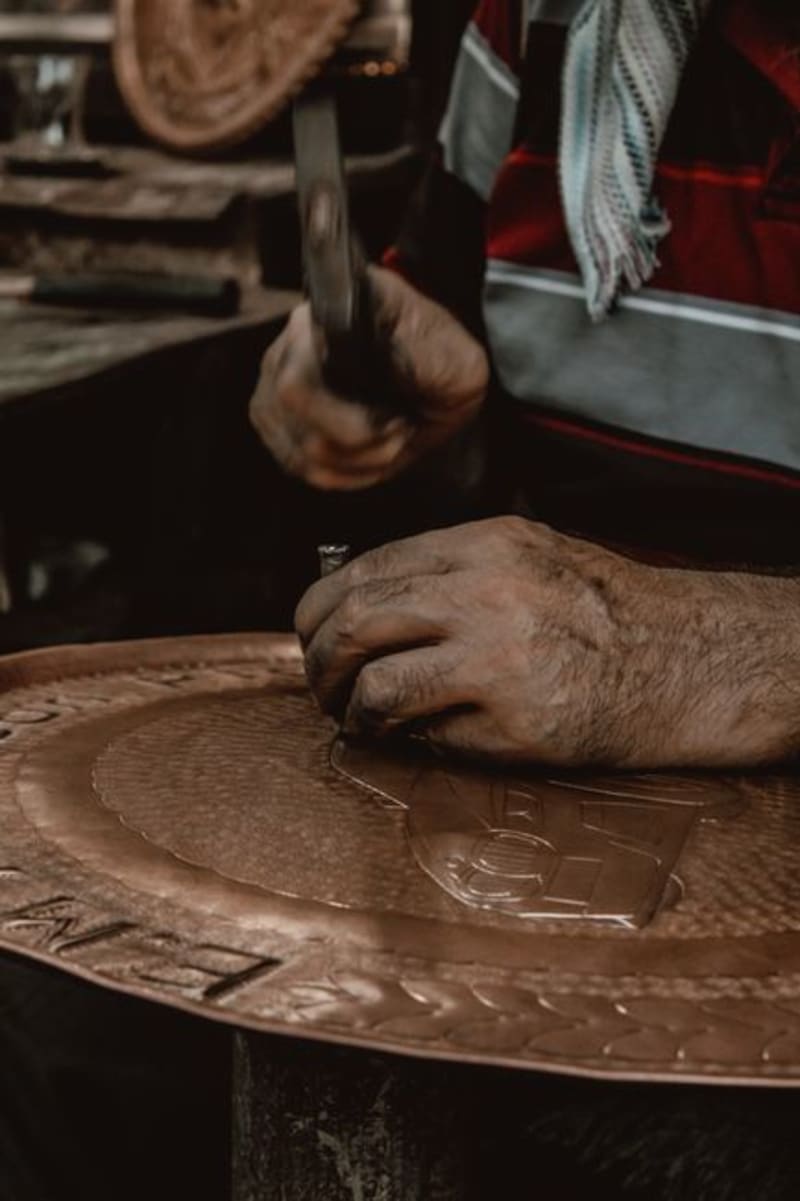 mexico
 Santa Clara del Cobre
Santa Clara del Cobre, officially Villa Escalante, is a Purépecha town in Michoacán where copper-working is not a craft revival or a tourist attraction — it is simply what people do here, as they have for centuries. Every alley leads to a workshop, every morning begins with the ring of mallets, and the best pieces cost a fraction of what they would anywhere else.
Explore