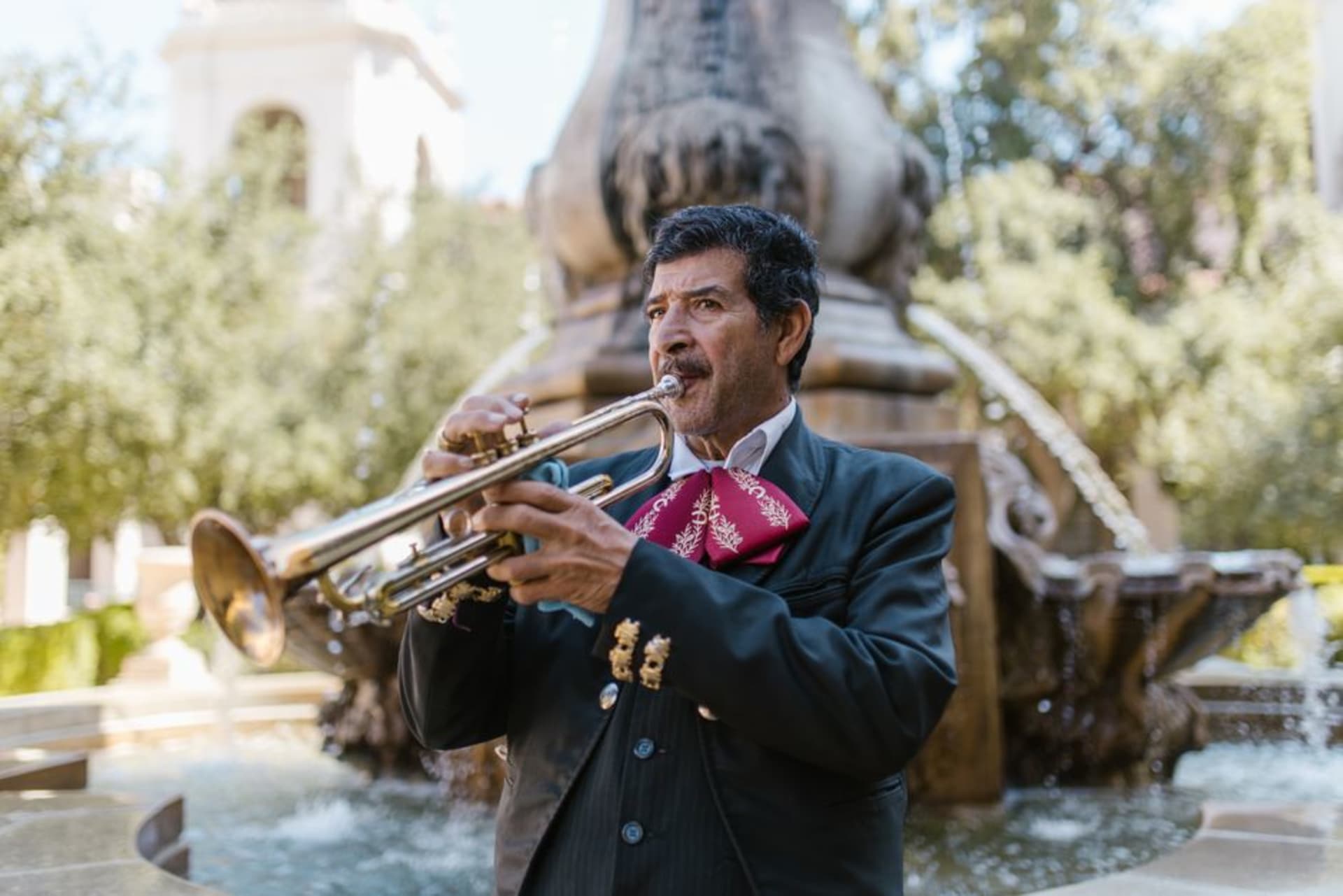
Plaza Garibaldi
"The trumpets were still going at 3am when I left, and I had the feeling they never really stop."
The beating, chaotic heart of Mexico's mariachi tradition — a plaza where hundreds of musicians in charro suits wait to be hired, the pulquerías have been pouring fermented maguey since the 1940s, and the music genuinely does not stop.

I arrived at Plaza Garibaldi at 11pm on a Tuesday, which felt late until I realized I was early. The plaza was already thick with trumpet smoke — that particular combination of brass resonance and cigarette haze I have never encountered anywhere else — and the musicians were still trickling in, adjusting sombreros, negotiating rates in clusters near the central fountain. Someone to my left was crying quietly into a michelada. Someone to my right was bargaining down the price of a corrido. I stood there for a long moment, unable to tell whether I was watching theater or just a Tuesday.
The Hiring Economy of Heartbreak
The business model of Plaza Garibaldi is simple and very old: you come with a feeling too large for ordinary language and you hire someone to sing it — at a lover, at a window, at whatever requires musical confrontation. The mariachis work in ensembles of eight to twelve, clustered by band, and will quote you anywhere from 80 to 200 pesos per song depending on the composition and, I suspect, how desperate you appear. By 1am the plaza holds several hundred musicians simultaneously, which means the sound is not music so much as competing music — three different songs from three different directions, the trumpets cutting through everything.
What surprised me was the professionalism beneath the chaos. These are not buskers. The men and women in embroidered charro suits have often spent decades learning the canon — Cielito Lindo, La Bikina, El Rey, Sabor a Mí — and they take commissions with the seriousness of craftsmen. The plaza is the chaos. The music is not.

Pulque and the Tiled Bar
The pulquerías ringing the plaza have the same clientele they have always had — older men, deliberate drinkers, people who have been coming since before the metro was built — and essentially the same product: pulque, the fermented sap of the maguey agave, slightly viscous, mildly sour, tasting of something between yogurt and fresh hay in a way that sounds unpleasant until it isn’t. La Hermosa Hortensia, just off the plaza’s northeast edge, still uses its original tiled bar. I ordered a curado de guayaba — pulque blended with guava — for 35 pesos and the man beside me did not look up from his own glass. Nobody performs at the pulquerías. It’s where you go when the scene outside becomes too much, which it will.

What to Know Before You Go
Come after midnight. Before 11pm the plaza is a tourist facsimile of itself; after midnight it becomes the actual thing, which is louder and considerably more honest. Eat beforehand — the tostadas de pata sold from carts around the perimeter are decent, but this is not a dinner destination. If you commission a song, agree on the price before the first note. And when a band approaches your table and begins playing without asking, that is not rudeness but commerce — you can wave them off or let it happen, and both responses are understood.

Getting There
Plaza Garibaldi sits in CDMX’s historic center, a fifteen-minute walk from the Zócalo and directly served by Metro Line 8 at Garibaldi-Lagunilla station. From Puerto Escondido, fly into the capital or take the overnight ADO — the plaza tends to appear on any CDMX itinerary whether planned or not. Stay aware of the surrounding streets after 3am; the neighborhood changes when the crowds thin and the music finally, briefly, pauses.
Keep exploring
More of Mexico City
Keep exploring
More from Mexico City
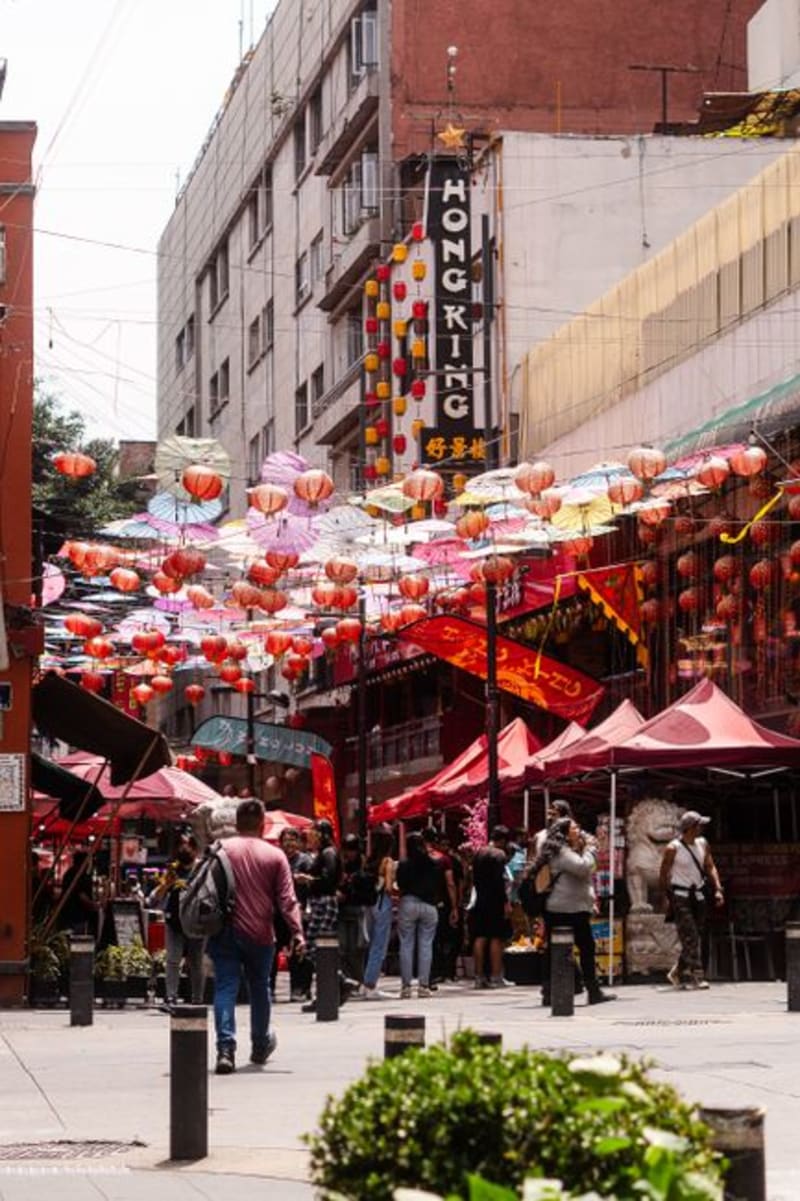 mexico
 Barrio Chino
One block on Calle Dolores in the Centro Histórico constitutes the whole of Mexico City's Chinatown — a fact that should disappoint but somehow doesn't. The restaurants here serve a hybrid cuisine that has been quietly evolving for a century, and the food world doesn't talk about it nearly enough.
Explore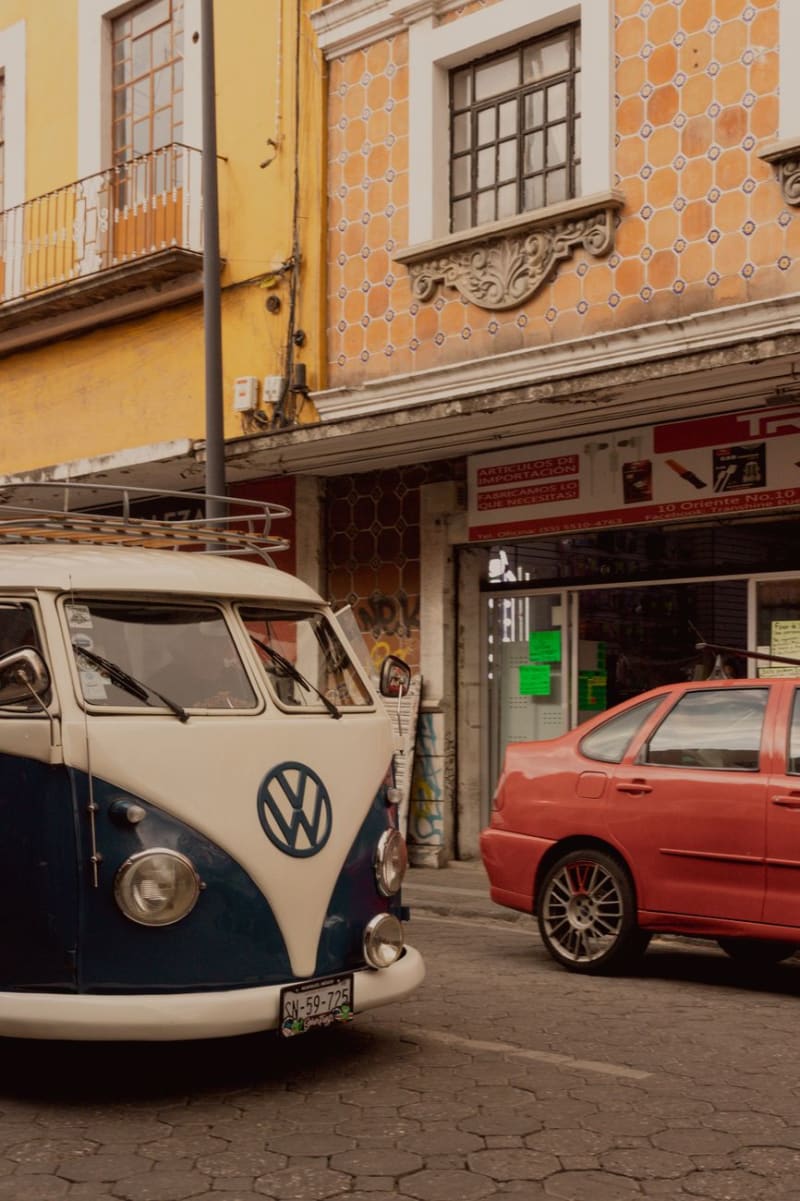 mexico
 Tlatelolco
Tlatelolco's Plaza de las Tres Culturas contains, in a single enclosed space, the ceremonial center of the Aztec city that was larger than Tenochtitlán in 1519, a sixteenth-century colonial church built from the stones of those temples, and the 1964 Secretaría de Relaciones Exteriores building whose concrete walls face onto the square where the Mexican army killed an unknown number of student protesters on October 2, 1968 — ten days before the Mexico City Olympics opened. The plaza is almost always quiet. Given what happened there, the quiet feels wrong.
Explore mexico
 Tepito
Tepito is the barrio bravo of Mexico City — a dense, working-class district north of the historic center with a street market that sells everything, a boxing culture that has produced three world champions, and Santa Muerte devotion maintained with the genuine seriousness of a living religion. The reputation that keeps most chilangos away is not exactly wrong, but it is not the whole story. I went on a Tuesday morning with a friend who grew up there and ate the best carnitas tacos of my life at eight in the morning.
Explore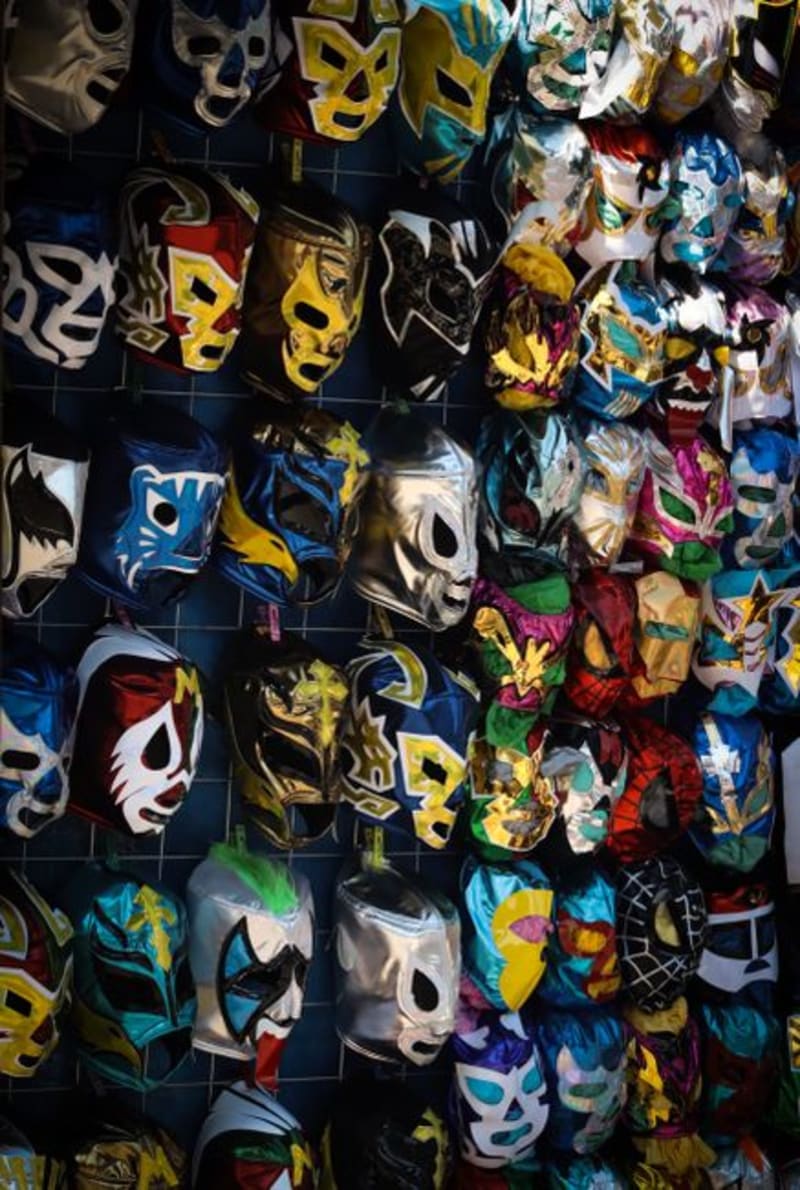 mexico
 Doctores
Doctores is a working-class barrio in the heart of Mexico City, named for the physicians who once populated its streets and now inseparable from the spectacle of lucha libre. Arena México anchors the neighborhood like a cathedral anchors a colonial square — everything orients around it, from the taco stands to the mask vendors to the rhythms of Tuesday and Friday nights.
Explore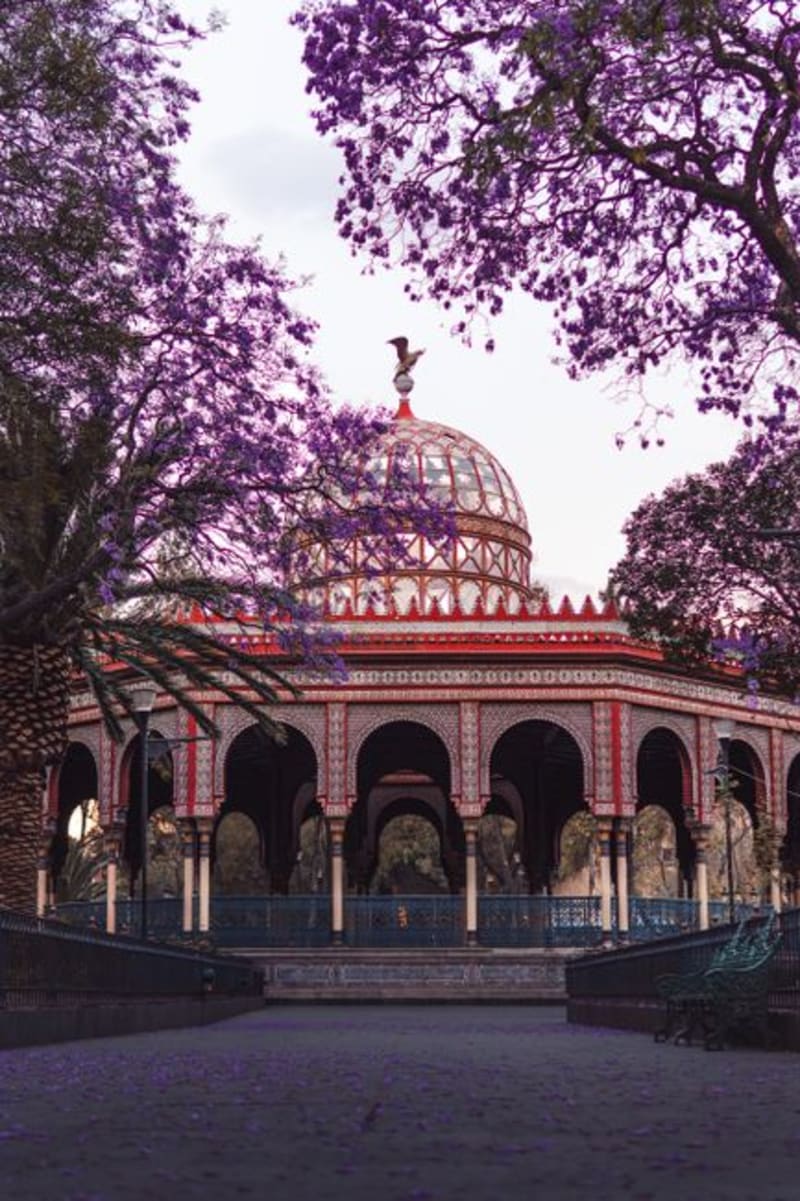 mexico
 Santa María la Ribera
Santa María la Ribera was built for a bourgeoisie that has long since moved on, leaving behind century-old Porfiriato facades and one completely improbable centerpiece: a Moorish iron pavilion that arrived from the 1889 Paris World's Fair and never left. It is the kind of colonia that rewards arriving without a plan.
Explore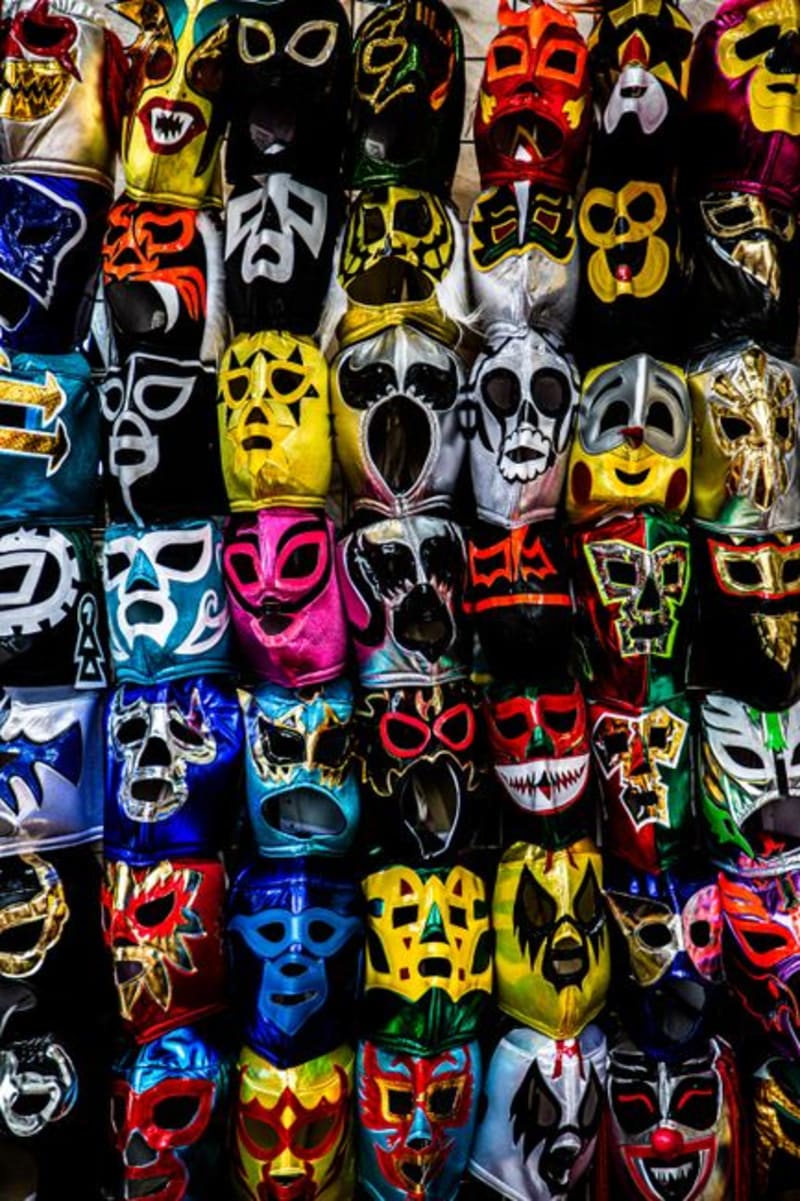 mexico
 Arena México
Every Tuesday and Friday night, the Doctores neighborhood transforms around lucha libre's holiest ground — a squat concrete building that looks like nothing from outside and everything from within. Arena México is where El Santo wrestled, where masks are theological objects, and where the crowd knows every move before it happens and screams for it anyway.
Explore