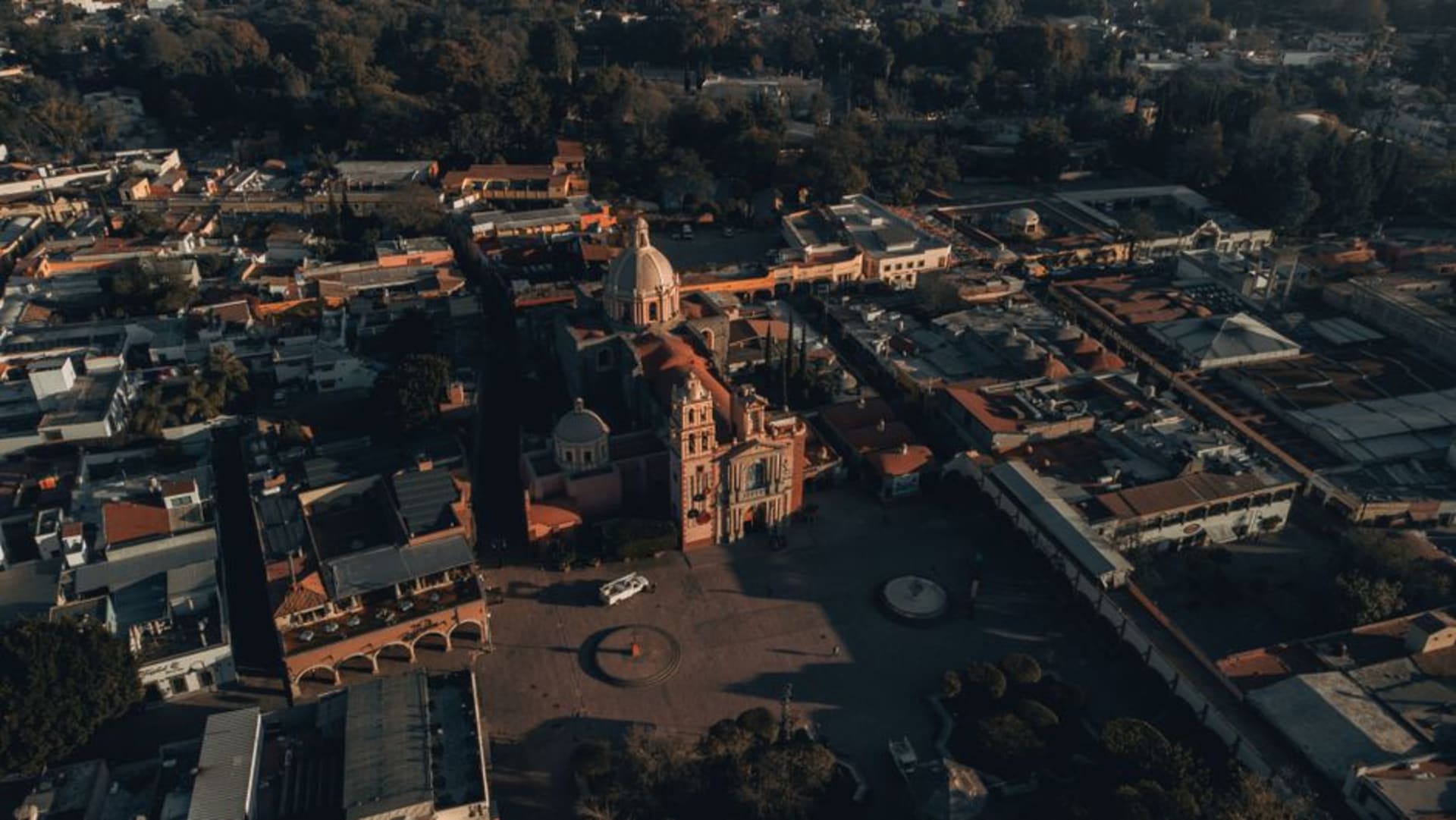
Tlalpan
"Tlalpan is proof that you can spend a week in Mexico City and still find a neighborhood that was set aside just for you."
Tlalpan is the southern borough that most visitors drive through without stopping, which is exactly why it still feels like it belongs to itself. A colonial cathedral, unsigned cantinas, and a Saturday market built around serious carnitas make it the most grounded hour you can spend near Mexico City.

I was heading to Ajusco for the morning, passing through Tlalpan the way everyone does — without stopping. Then the traffic light on Calle Insurgentes Sur caught me at the wrong moment, I looked left, and there was a cathedral old enough to have watched the republic get built from scratch. I pulled over. That was three hours ago. Tlalpan has that quality: it doesn’t announce itself. It just waits for your schedule to slip.
The Square at the Center of It
The central plaza of Tlalpan feels categorically different from the Mexico City forty minutes north by metro. The cathedral — formally the Parroquia de San Agustín de las Cuevas — dates to the colonial period, its façade weathered to the particular pale ochre that means genuinely old, not decoratively old. On a Tuesday afternoon the square is quiet enough that you can hear the birds in the laurel trees. Old men play dominoes near the kiosk. A woman sells tlayudas from a folding table she has clearly positioned in the same spot for years. What strikes you is not picturesque — Tlalpan isn’t precious about itself — but the absence of performance. Nobody here is doing “authentic neighborhood” for an audience. The pace is slow because that is simply the pace. It is a strange relief, thirty kilometers south of the Zócalo.

Saturday, Copper Cazos, and the Cantina Question
The Saturday market is where Tlalpan makes its real argument. By nine in the morning the streets around the plaza smell of wood smoke and copal, and the carnitas situation is serious — whole pigs slowly rendered in enormous copper cazos, the kind of operation that takes all night to set up and all day to sell through. Order by weight at one of the stalls near Calle del Hueso, eat standing up with a stack of blue corn tortillas and whatever salsa verde they put in front of you. The cantinas require more patience. Several have no sign outside — just a door, sometimes ajar, sometimes not. The trick is to walk slowly past and listen for the draft of cold air and the sound of a radio. Go in. Order whatever they have. The one I found on Calle de la Paz had three tables, a handwritten menu on a chalkboard, and a television in the corner showing a telenovela at low volume. Nobody asked me anything. I stayed two hours.

The Pulquería and the Road to Ajusco
What I actually recommend — and this is specific — is arriving by ten on a Saturday, spending the first hour at the market eating, then walking north along Calle de la Paz to see the old houses with their colonial-era portals. By noon the cantinas are unlocked. There is a pulquería near the plaza that serves curado de guayaba and does not rush you toward the door. After that, if you still have energy, the road up toward Ajusco starts fifteen minutes from the center; the pine forests at altitude are genuinely cold, which after a morning of carnitas and pulque is something of a relief. But honestly, most people just stay in Tlalpan. It turns out there is more than enough here once you stop treating it as a throughway.

Getting There
From central CDMX, take a pesero from Metro Tasqueña — look for the ones marked “Tlalpan Centro” on Calzada de Tlalpan. By car, follow Insurgentes Sur south until it transitions to highway; Tlalpan Centro is signed off to the right before the first caseta. Allow forty-five minutes from Condesa on a Saturday morning, longer if you hit the Periférico. Metro Line 12 gets you to Periférico, but from there you will still need a taxi or pesero south.
Keep exploring
More of Mexico City
Keep exploring
More from Mexico City
 mexico
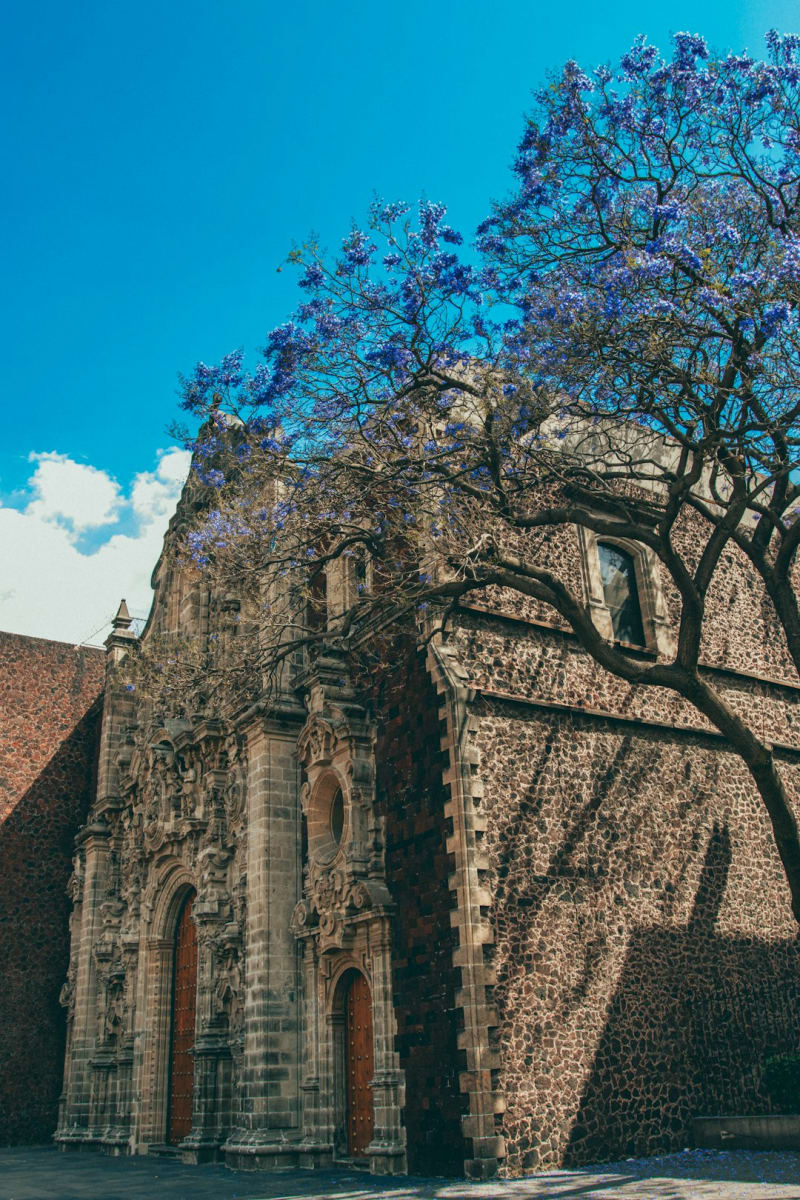
 Ciudad Universitaria
The UNAM campus is a UNESCO World Heritage Site where Diego Rivera and David Alfaro Siqueiros covered the buildings in mosaic and fresco — and anyone can walk in off the street. The sheer democratic audacity of the place takes some getting used to.
Explore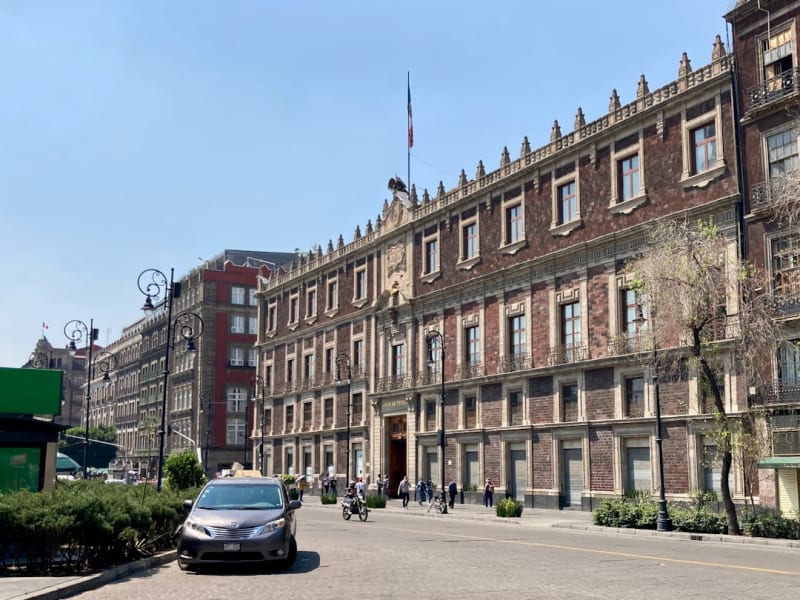 mexico
 Coyoacán
Mexico City's most beloved neighborhood — cobblestoned streets where Frida Kahlo was born and buried, León Trotsky spent his last years, and the best churros in the capital are served at midnight in the central plaza.
Explore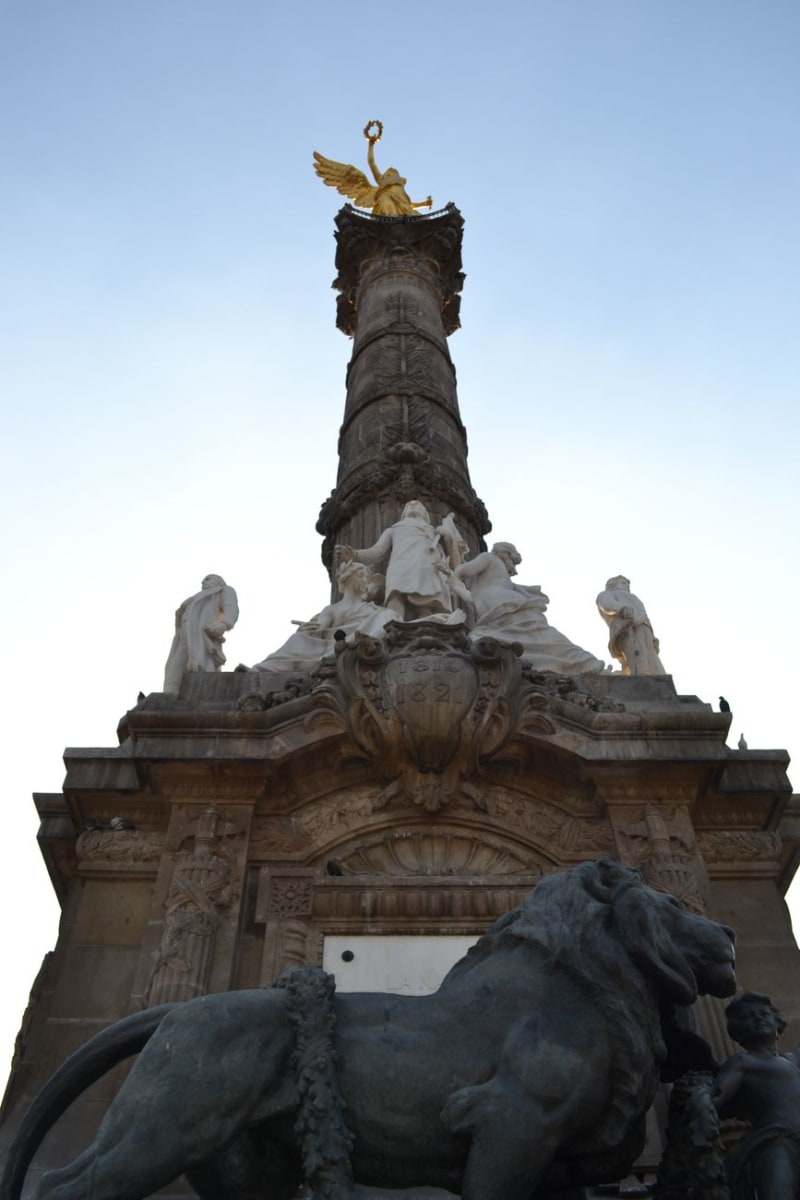 mexico
 San Ángel
A southern Mexico City neighborhood of cobblestone streets and 17th-century haciendas, where the best weekly craft market in the country takes over the plaza every Saturday and the light through the jacarandas feels briefly Parisian — without the pretension.
Explore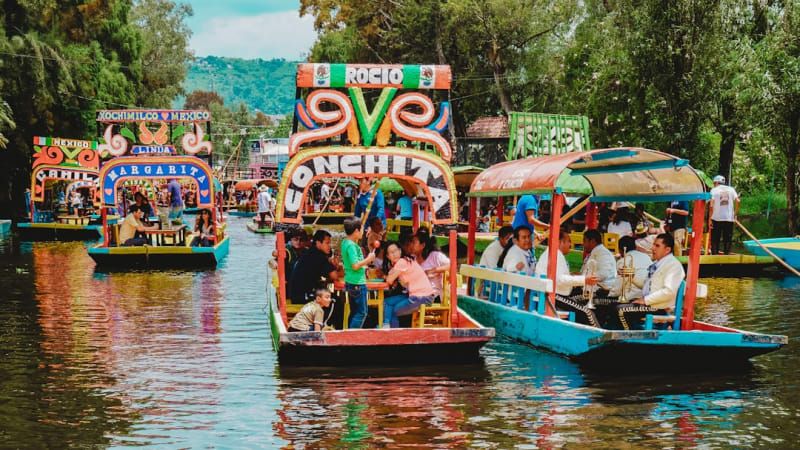 mexico
 Xochimilco
The last surviving Aztec chinampas south of Mexico City — a canal network of floating gardens where trajineras have carried people and flowers for seven hundred years.
Explore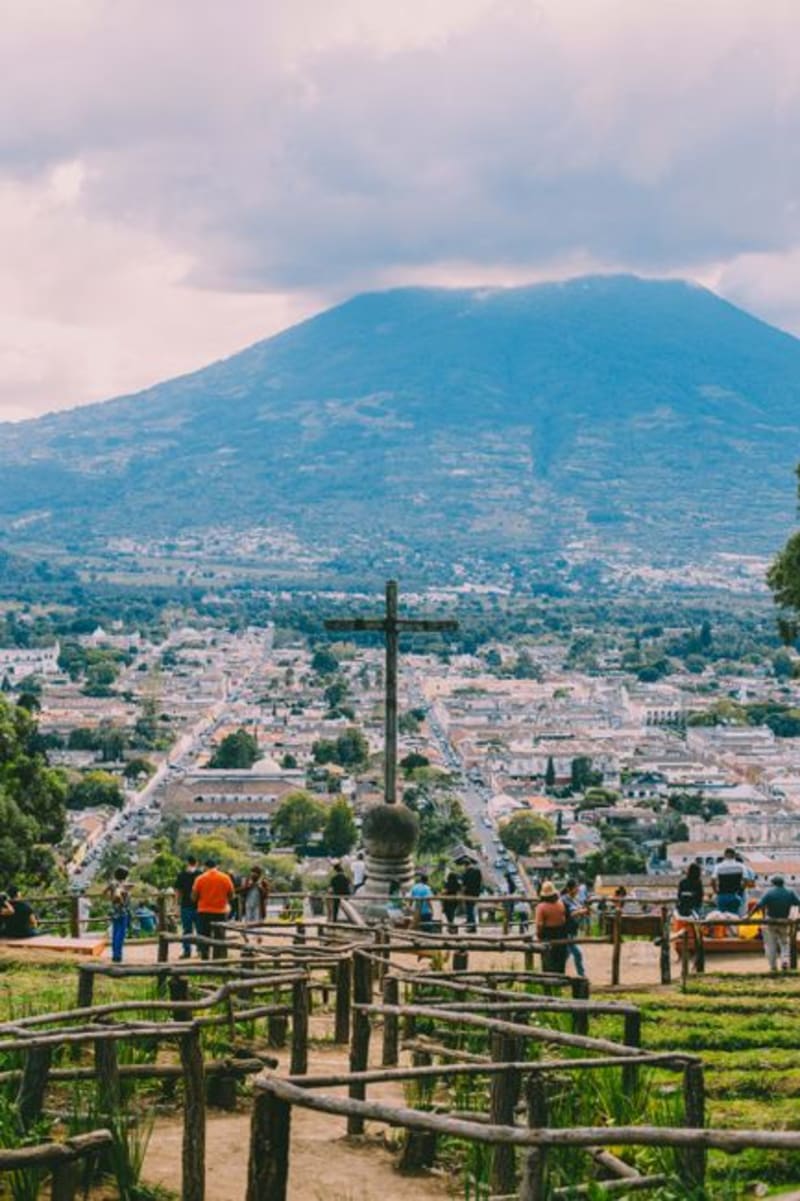 mexico
 Iztapalapa
The most-populated borough in the Americas and almost entirely ignored by tourists, Iztapalapa rewards the curious with a pre-Hispanic hill at its center and the largest Passion Play on earth every Semana Santa. This is Mexico City without the performance of itself — dense, proud, and completely unbothered by your arrival.
Explore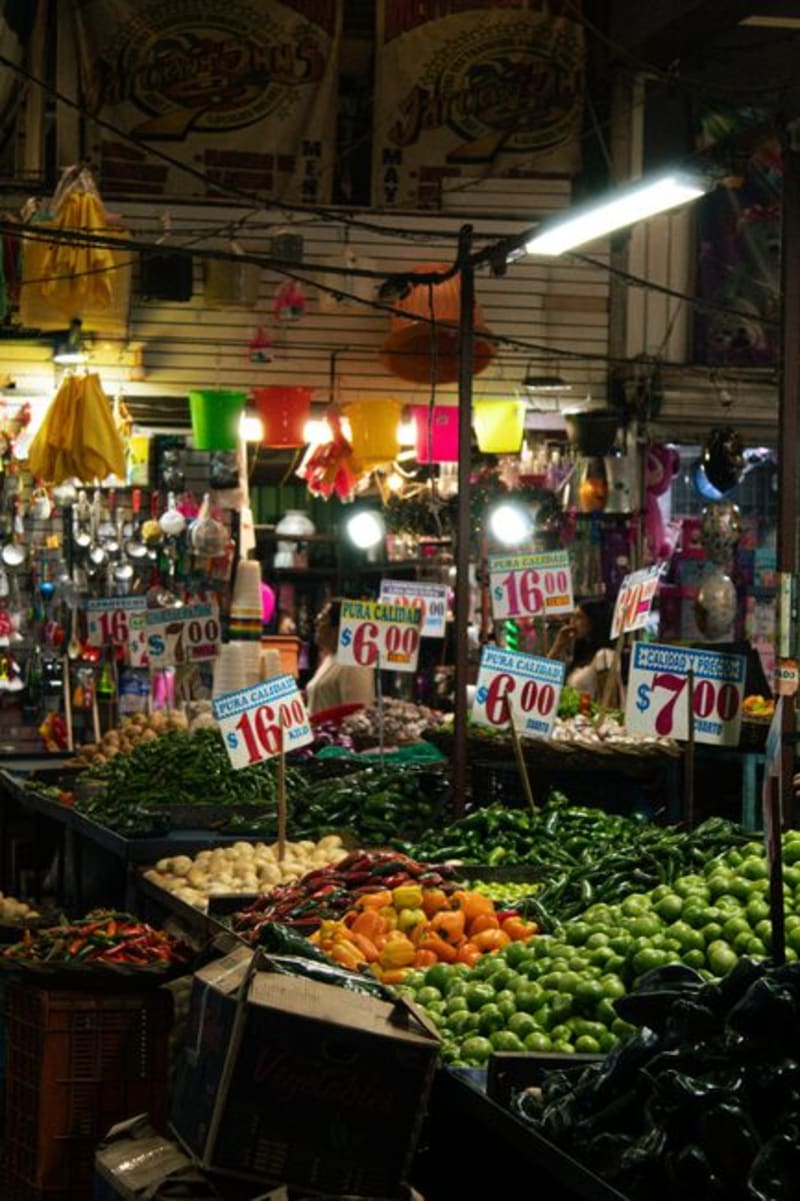 mexico
 Colonia del Valle
Colonia del Valle is what Roma and Condesa looked like before the boutique hotels moved in — wide residential streets, a serious mercado on Eugenio Sue, and torta shops with no signs and no tourists. It is where actual chilangos live, and on a Tuesday morning it shows.
Explore