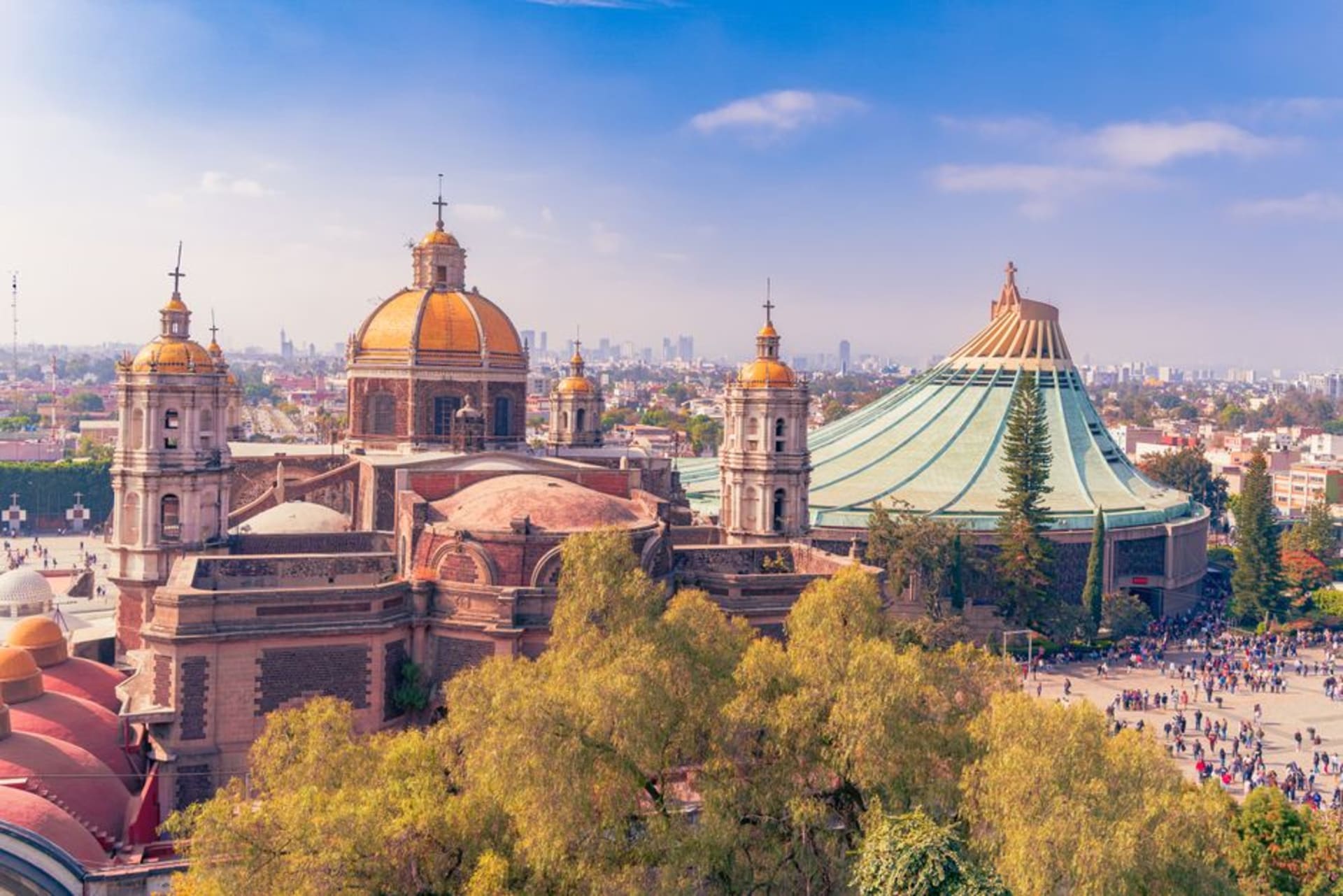
Basílica de Guadalupe
"Twelve million people visit each year. On December 12th, that number feels accurate."
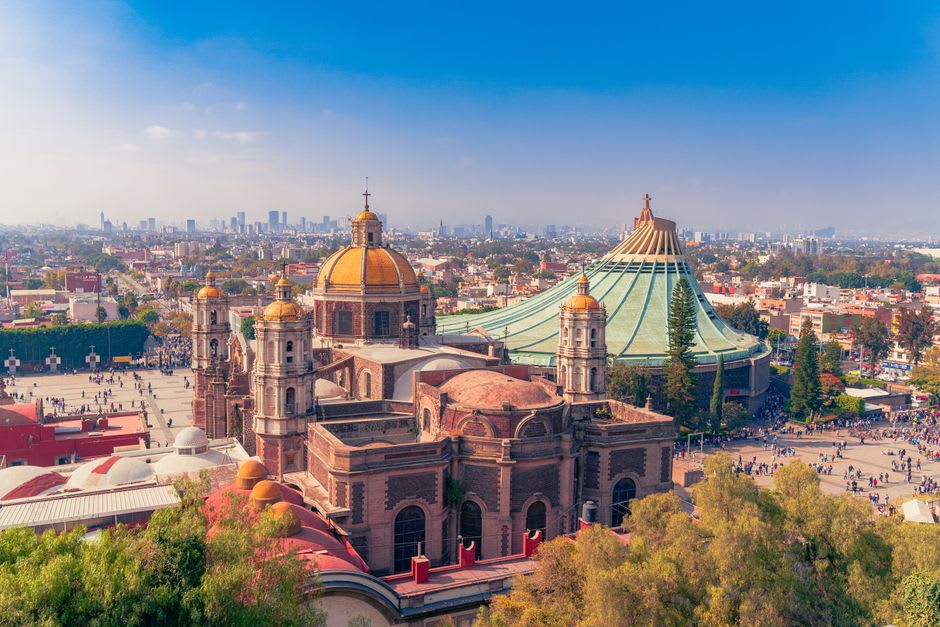
The most visited Catholic pilgrimage site in the world sits at the base of Tepeyac hill in northern Mexico City, where a baroque colonial basilica leans dramatically beside a modern circular one. This is the home of Juan Diego's tilma, the cloth that carries the image of the Virgin of Guadalupe — and the destination of twelve million visitors each year.

I came to the Basílica de Guadalupe on a Tuesday in November, which I thought would be quiet. I was wrong. I walked out of La Villa metro station into an atrium the size of several city blocks and immediately found a man in his sixties crossing the stone plaza on his knees, arms outstretched, a portrait of the Virgin pressed to his chest. His wife walked alongside him, saying nothing. I stood there for a long time before I went inside. Some places ask for your attention before they ask for your opinion.
Two Buildings, Four Centuries Apart
The ensemble is stranger and more compelling than any photograph suggests. The old Colegiata — officially the Antigua Basílica, built between 1695 and 1709 — has been sinking into the unstable volcanic soil of the former lake bed for three centuries, and it shows. The facade tilts visibly, the floor inside rippling like a slow-frozen wave. It was deconsecrated in 1976 when the new basilica opened next door and now functions as a museum. Walking inside, past the cracked gilded altarpieces and the uneven marble floors, I felt the weight of that geological patience — the earth slowly, methodically winning.
The new basilica, designed by Pedro Ramírez Vázquez, is circular and deliberately modern — large enough to hold ten thousand worshippers at once, built so that every seat faces the altar and the image above it. It looks nothing like a colonial church, which is either jarring or precisely correct depending on your sensibility. I spent time in both, and I needed both.
The Tilma Above the Altar
The image that draws twelve million people a year is a small one — roughly 1.7 meters tall, mounted high above the altar of the new basilica. Juan Diego’s tilmanli, the rough-woven ayate cloak on which the Virgin is said to have miraculously appeared in 1531, hangs behind thick glass, illuminated so that it glows slightly against the dimness of the space. To see it up close, you ride one of the moving walkways installed below — conveyor belts that carry visitors slowly past and beneath it, so that no one lingers too long in any one spot.
The first time I rode those walkways, I watched the people around me as much as the image. A woman crossing herself without looking away. A teenager raising his phone and then lowering it again, deciding something. An elderly man standing perfectly still as the belt moved him forward. What you encounter here is not simply an icon. It is an ongoing conversation between this country and something it has believed in for five centuries.

The Hill and the Hours
Most visitors miss the Cerro del Tepeyac — the hill rising directly behind the basilicas. A path climbs past a series of small chapels to a hermitage at the top, the Capilla del Cerrito, which marks the spot where Juan Diego’s apparitions are said to have occurred. The climb takes twenty minutes and the view over the northern sprawl of Mexico City is clear on any smog-free morning. Up here the crowd thins to almost nothing.
Come early — before 9 a.m. on a weekday if you can. The atrium fills steadily through the morning, and by midday on a Sunday it is difficult to move. December 12th, the feast day of Our Lady of Guadalupe, transforms the neighborhood into something beyond a pilgrimage: groups arrive from across the country in traditional dress, dancing for hours in the atrium. I have not yet been for December 12th. I am told it is not something you can be fully prepared for.

Getting There
Take Metro Line 6 — the rose-colored line — to La Villa–Basílica station; the atrium gates are a three-minute walk from the exit. The complex is free to enter and open daily from roughly 6 a.m. to 9 p.m., though hours shift around feast days. The street food around the plaza rewards an early arrival — tamales and atole from the vendors along Calzada de Guadalupe in the morning, before the crowds arrive.
Keep exploring
More of Mexico City
Keep exploring
More from Mexico City
 mexico
 La Merced
La Merced is the great wholesale food market district of east-central Mexico City, the kind of neighborhood that travel guides mention briefly and with mild apprehension before moving on to more photogenic ground. It is four distinct market buildings covering multiple blocks, surrounded by chile vendors, herb sellers, and spice merchants operating in the streets between them, and the smell when you walk in — dried chiles and epazote and fresh earth and the sweet rot of overripe fruit — is the smell of Mexico's kitchen before it was cleaned up for outside consumption. I ate the best tamales I have found in Mexico City at a comedor inside the main building at eight in the morning, surrounded by vendors who hadn't yet opened their stalls.
Explore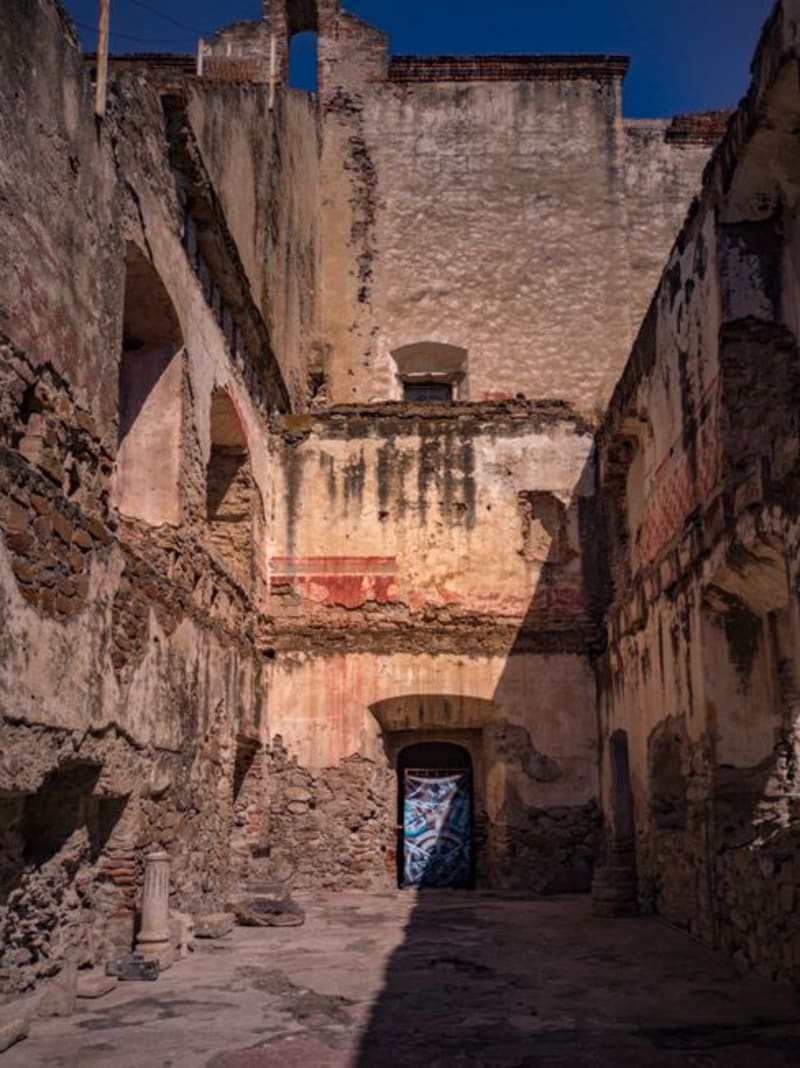 mexico
 Desierto de los Leones
Twenty minutes west of Condesa, the pine forests of Desierto de los Leones swallow the city whole. A seventeenth-century Carmelite monastery sits at the center, abandoned for its extreme solitude — a decision that still makes complete sense given the fog and cold — and most of the twenty-one million people living nearby have never once made the trip.
Explore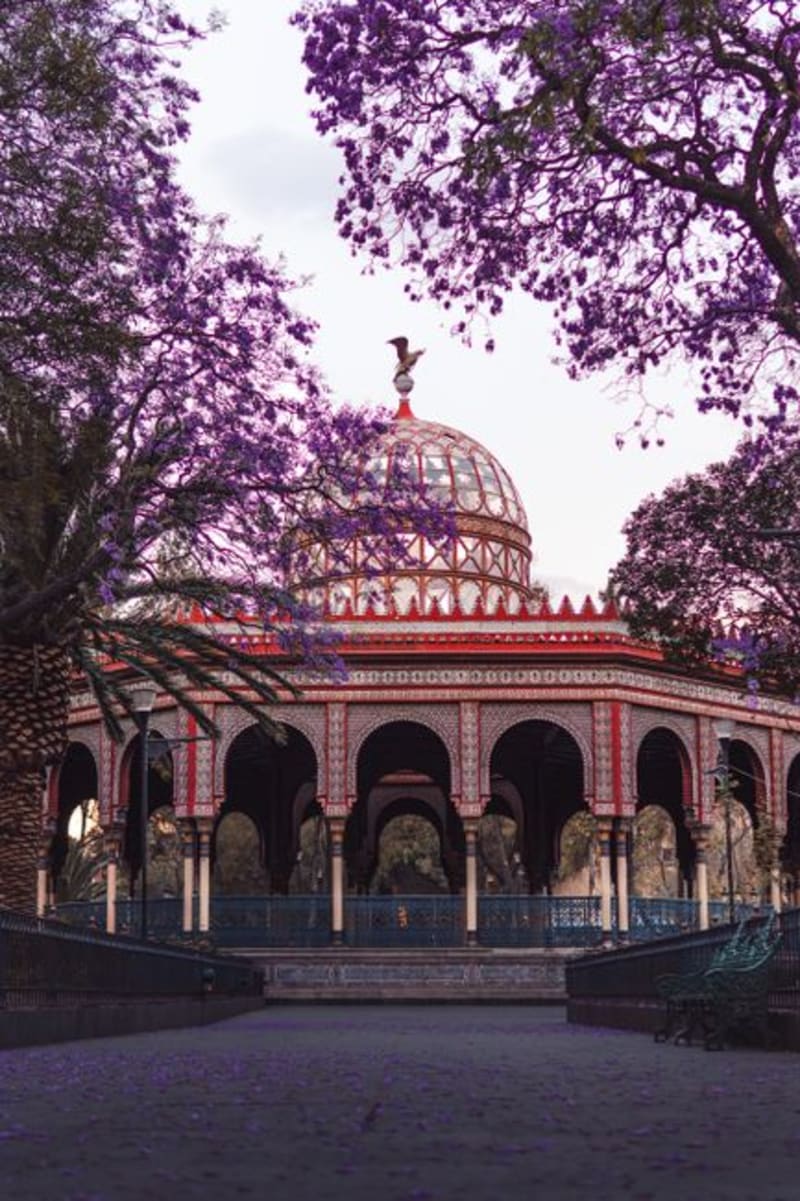 mexico
 Santa María la Ribera
Santa María la Ribera was built for a bourgeoisie that has long since moved on, leaving behind century-old Porfiriato facades and one completely improbable centerpiece: a Moorish iron pavilion that arrived from the 1889 Paris World's Fair and never left. It is the kind of colonia that rewards arriving without a plan.
Explore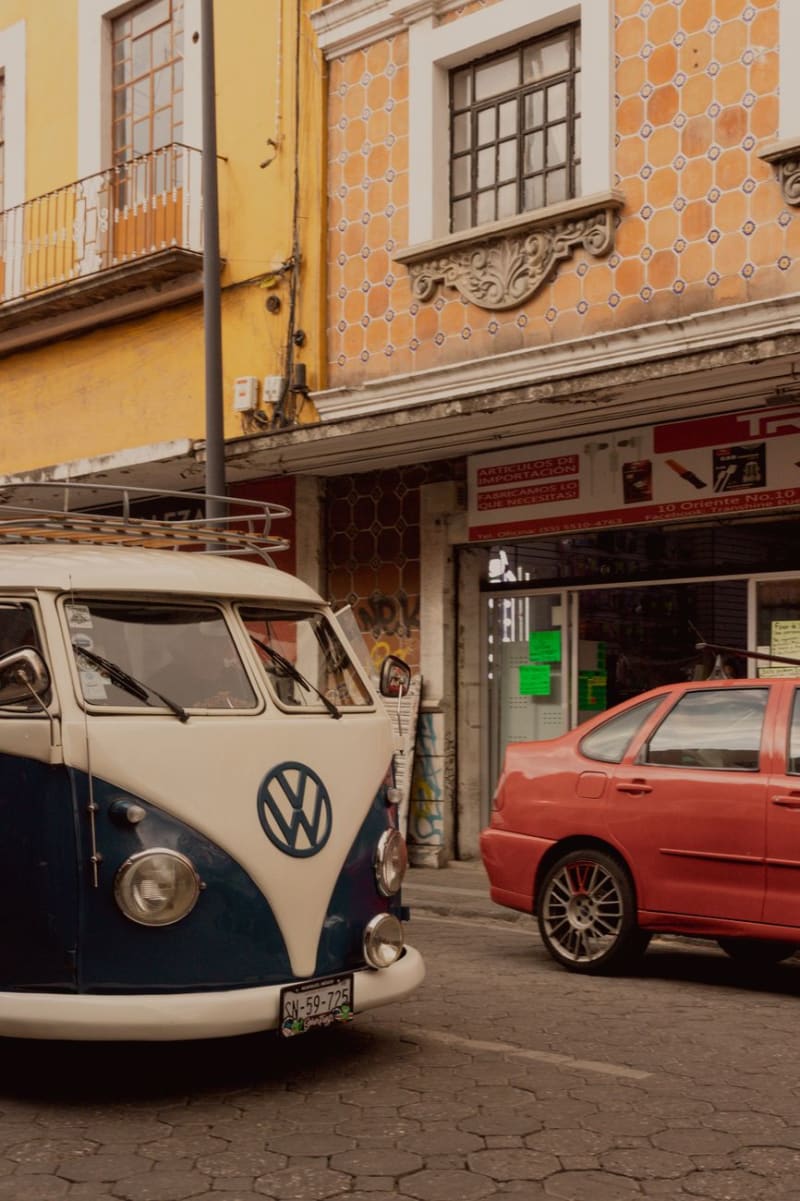 mexico
 Tlatelolco
Tlatelolco's Plaza de las Tres Culturas contains, in a single enclosed space, the ceremonial center of the Aztec city that was larger than Tenochtitlán in 1519, a sixteenth-century colonial church built from the stones of those temples, and the 1964 Secretaría de Relaciones Exteriores building whose concrete walls face onto the square where the Mexican army killed an unknown number of student protesters on October 2, 1968 — ten days before the Mexico City Olympics opened. The plaza is almost always quiet. Given what happened there, the quiet feels wrong.
Explore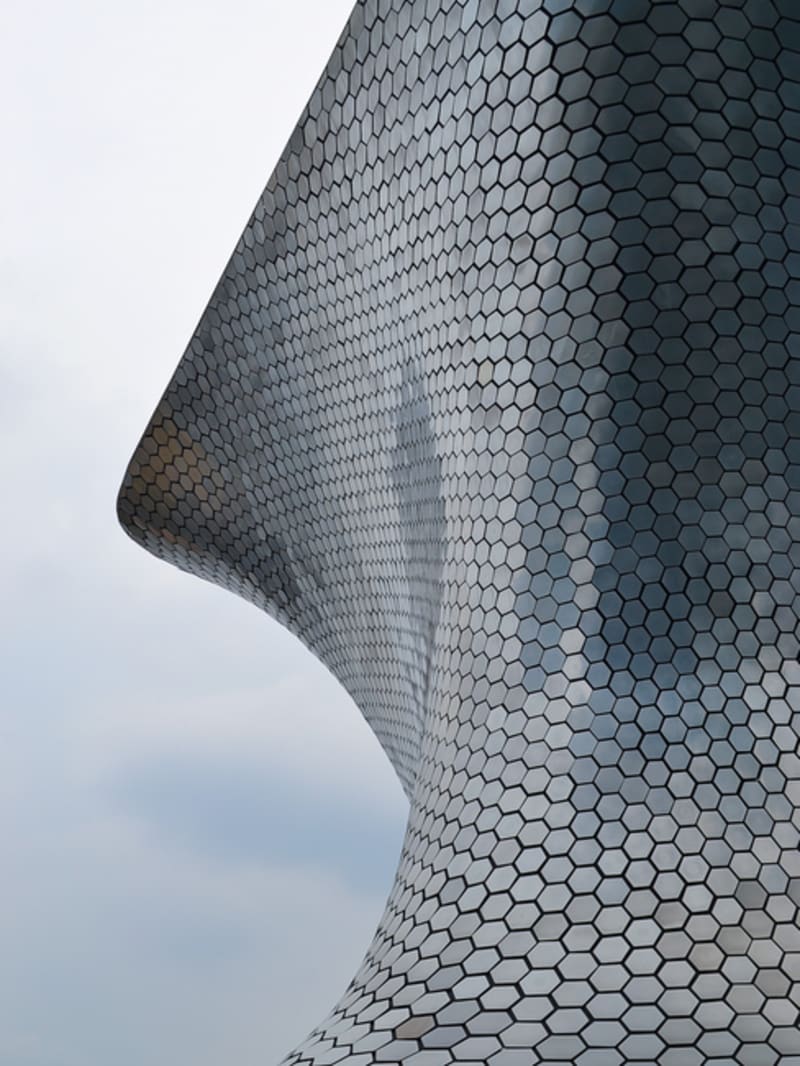 mexico
 Polanco
Polanco is where CDMX puts on its most polished face — wide leafy boulevards, the free Museo Soumaya packed with forty-five thousand pieces of art, and restaurant tables that make you question what country you are in. It is not where I usually end up, but the art is impossible to argue with.
Explore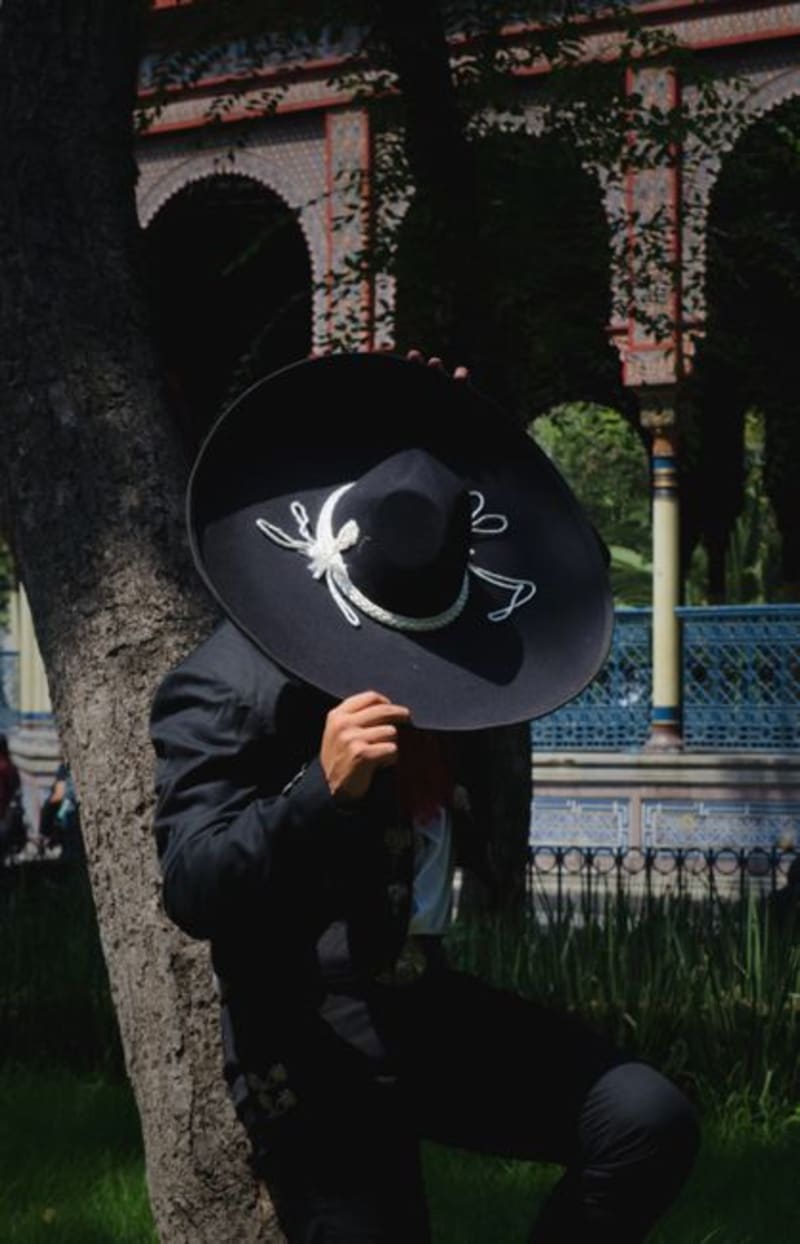 mexico
 Plaza Garibaldi
The beating, chaotic heart of Mexico's mariachi tradition — a plaza where hundreds of musicians in charro suits wait to be hired, the pulquerías have been pouring fermented maguey since the 1940s, and the music genuinely does not stop.
Explore