Ozumba
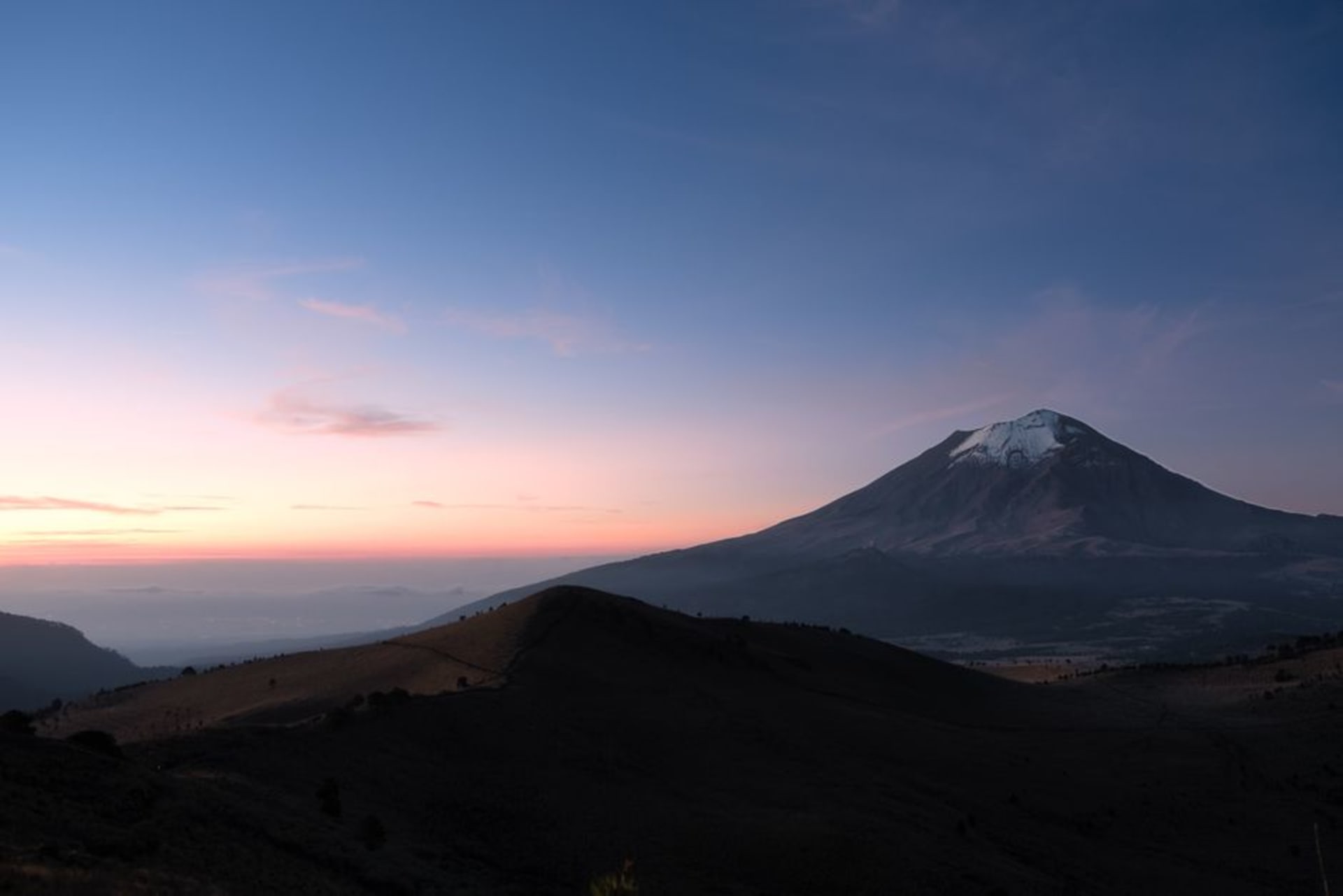
"I woke up before the light in Ozumba and watched Popocatépetl emit a white plume that rose straight up in the still air — the whole town seemed to sleep straight through their volcano."
Ozumba sits at the foot of Popocatépetl in Estado de México, close enough that on clear mornings the volcano dominates the eastern sky like something the town has quietly agreed to ignore. The Friday tianguis draws in vendors from the surrounding villages with local cheeses, chile pastes, and cut flowers, and the Augustinian convent holds a 16th-century mural program that most people driving through the region never stop to find.

I set my alarm for five-thirty and was standing in the street by six, coffee from a thermos, watching the sky turn pale behind Popocatépetl. The volcano was close in a way that felt different from any other volcano town I had been to — not scenic, not picturesque, just enormous and present, filling the eastern horizon like a wall that happened to be breathing. A woman walked past carrying a bucket of flowers without glancing up once. The town had clearly reached some kind of understanding with the mountain a long time ago.
The Volcano on the Doorstep
The thing nobody tells you about Ozumba is that the volcano does not feel optional here. In Cholula or Amecameca you can tuck Popocatépetl into a corner of the frame and make a pleasant photograph. In Ozumba the mountain takes over the frame entirely and there is nothing you can do about it. The best views are from the edge of town on the road toward Tlamapa, where the fields open up and the cone becomes almost abstract in its scale. Mornings are the only reliable window — by ten o’clock the haze usually softens everything into grey. I walked out twice before sunrise during my two nights there, and the second morning the plume caught a streak of orange light just before the sun cleared the ridge. A rooster was crowing somewhere behind me. It felt genuinely strange and good.

The Friday Market and the Convent
The Friday tianguis sets up around the zócalo and spills into the adjacent streets by seven in the morning. I bought a wedge of queso de aro from a woman who told me it came from a rancho twenty minutes up the road toward Tepetlixpa, and a small jar of chile pasilla paste that I am still rationing three weeks later. The flower vendors are worth the trip on their own — dahlias, gladiolas, and cempasúchil in stacks that make the whole block smell like a celebration. After the market I spent an hour inside the Ex Convento Agustiniano de San Andrés, which dates to the 1550s and contains a series of murals in the lower cloister that are in genuinely good condition. There is no interpretive signage to speak of, which means you stand in front of the paintings and figure it out yourself. I preferred it that way.

Where to Eat and Sleep
The market comedor row on calle Hidalgo is the right answer for lunch on Fridays — I had a bowl of caldo de res that was dark and serious, served with handmade tortillas from a griddle set up on the sidewalk. For dinner the options thin out considerably; a couple of taquerías near the bus stop do decent pastor off the trompo. There is a small hotel on the plaza, clean and very basic, run by a family who left a thermos of café de olla outside the door each morning. That thermos was worth more to me than any amenity I can think of.

Getting There
From Mexico City’s TAPO terminal, take a bus toward Cuautla or Amecameca and transfer at Amecameca for a colectivo to Ozumba — the full trip runs about two hours depending on connections. From Puebla, colectivos via Atlixco reach Ozumba in roughly ninety minutes. There is no train and no direct ADO service; the town is small enough that the drivers all know where the convent is if you ask.
Keep exploring
More of Estado de México
Keep exploring
More from Estado de México
 mexico
 Amecameca
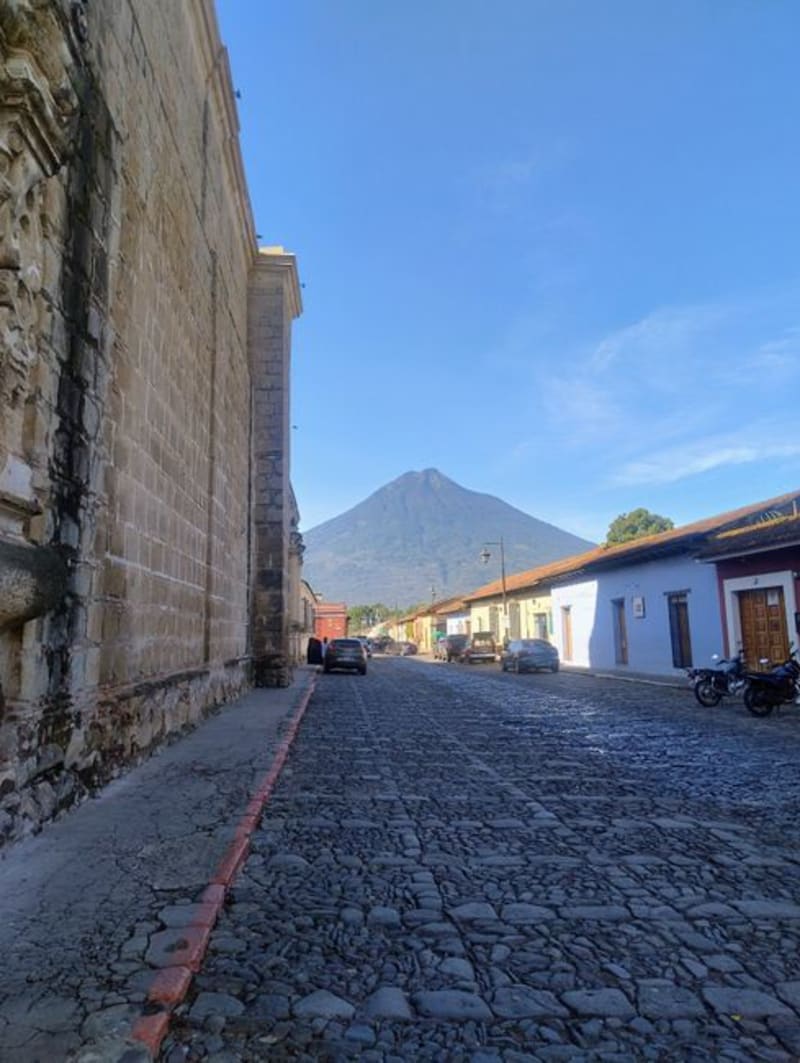
Amecameca is a cold, pine-scented town at the foot of Popocatépetl and Iztaccíhuatl, calibrated for volcano hikers and pilgrims in equal measure. Waking up at 2,400 meters to watch Popo glow against a still-dark sky is the kind of thing that recalibrates your sense of scale.
Explore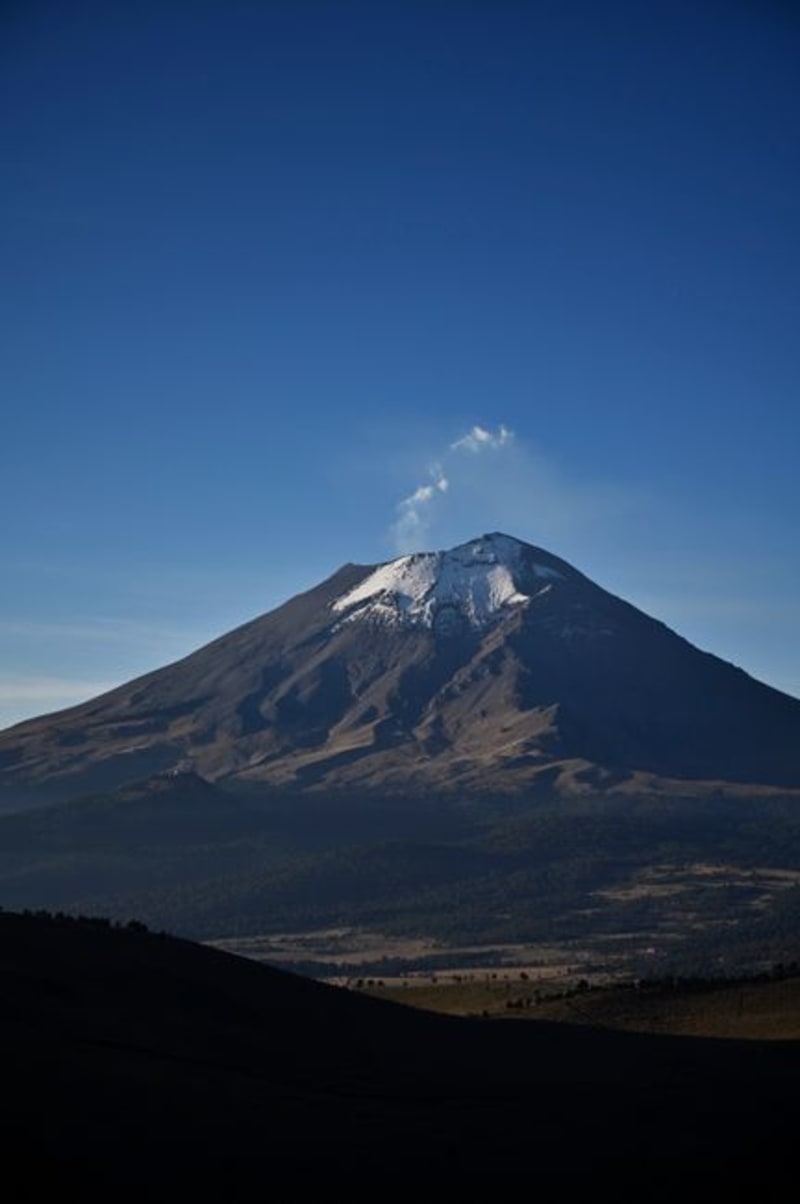 mexico
 Tlalmanalco
Tlalmanalco sits at the foot of the Iztaccihuatl-Popocatépetl massif, where one of Mexico's finest Augustinian open chapels faces the volcanoes as if the two were in conversation. The pine forests above town open into the national park, and the morning light on the stone facade is worth the early bus from TAPO.
Explore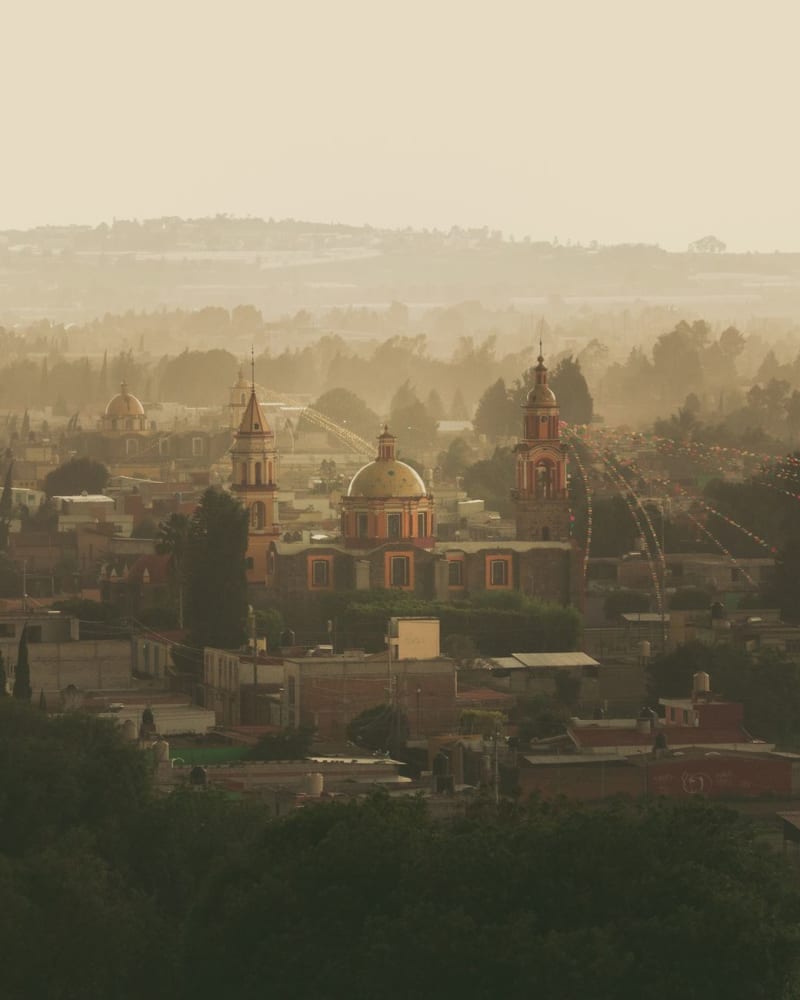 mexico
 Texcoco
Texcoco was the intellectual capital of the Aztec Triple Alliance — Nezahualcóyotl, philosopher-king and poet, ruled here, built hanging gardens and aqueducts and a library, and composed verse that is still read in Mexico. The lake he looked out on no longer exists; the ruins of his bath complex survive in the hills above the city. Standing there, you understand something about the scale of what was erased when the lake was drained.
Explore mexico
 Tepetlaoxtoc
A quiet agricultural town in the eastern valley of Estado de México, Tepetlaoxtoc holds one of the most remarkable documents to survive the colonial period — a pictorial codex created by indigenous inhabitants to formally protest Spanish tax abuses. The museum that reconstructs it is worth the detour from Texcoco alone.
Explore mexico
 Acambay
An Otomí highland town in the far northwest of Estado de México, where rolling rocky hills give way to fields of volcanic boulders that climbers travel hours to reach. The air is cool and thin, the plaza is quiet, and the ranch country stretches to a horizon that feels far from Mexico City.
Explore mexico
 Acolman
Acolman holds one of the finest 16th-century Augustinian monasteries in Mexico, its Plateresque facade an obsessive inventory of carved stone that most Teotihuacan-bound visitors never slow down to read. The ex-convento also carries a distinction few people fully register: this is where the posada tradition was invented, conceived by the friars here as a staged instrument of evangelization.
Explore