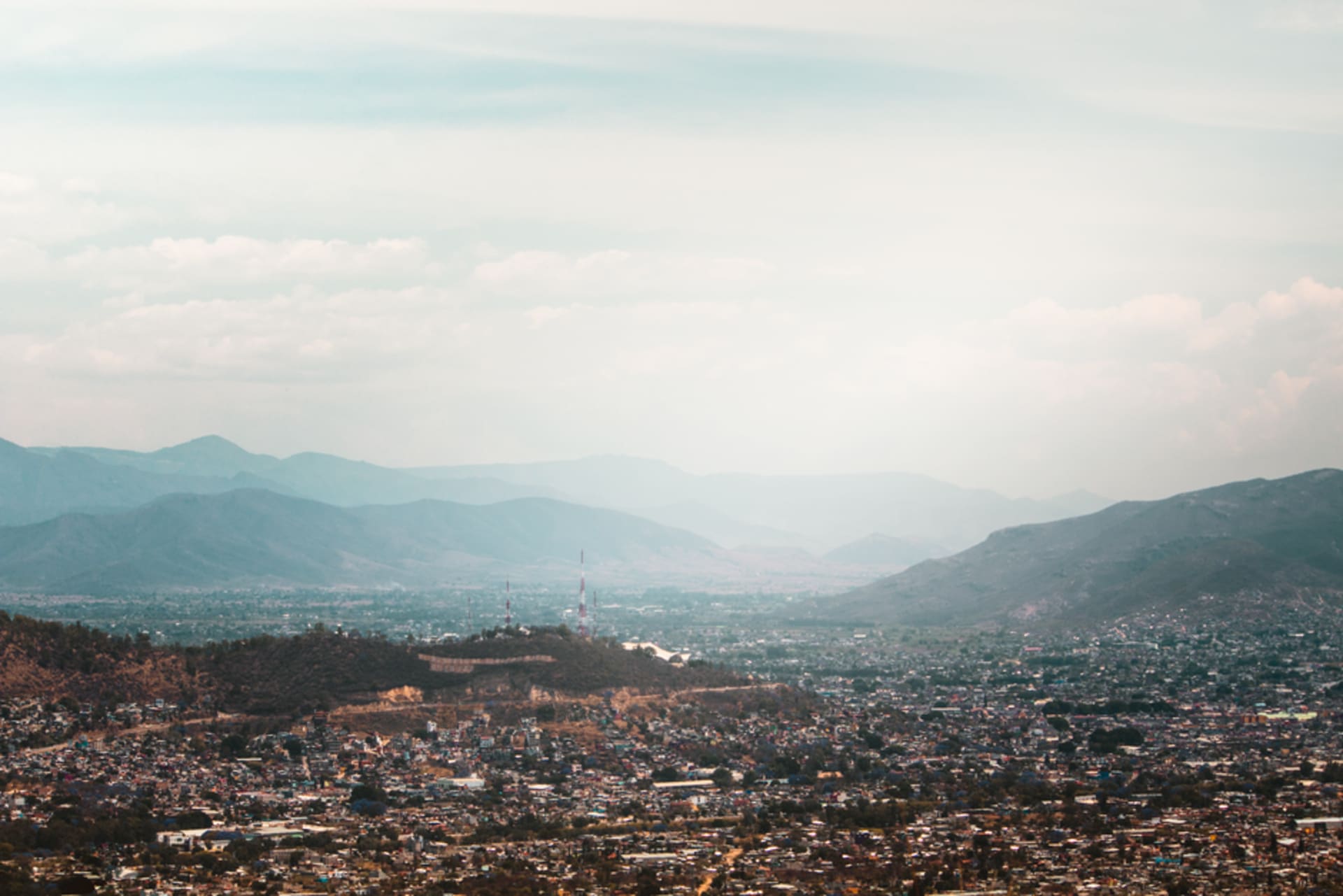
Acambay
"The rock here doesn't rise into peaks. It surfaces — shoulders of grey stone pushing up through the grass as if the hills were shrugging."
An Otomí highland town in the far northwest of Estado de México, where rolling rocky hills give way to fields of volcanic boulders that climbers travel hours to reach. The air is cool and thin, the plaza is quiet, and the ranch country stretches to a horizon that feels far from Mexico City.

I came to Acambay for the rock, not the town. A friend in Toluca who climbs on weekends had been telling me for a year about the boulders scattered across these hills — grey volcanic stone the size of small houses, dropped across the ranch land as if the sierra had been shaken loose. We drove up on a Saturday in the cold season, and I remember the moment the landscape changed: the highway climbing, the maize fields thinning, and then the first boulders appearing on the slopes above the road, catching the low morning light. By the time we reached town my ears had popped twice and the temperature in the car had dropped enough that I reached for a jacket I’d almost left behind.
The Rock Country
The hills around Acambay are what brought me back three times. This is one of the quiet climbing areas of central Mexico — not the crowded, named-route destinations, but a scatter of volcanic outcrops across the ranch land where you climb on rock nobody has bothered to make famous. My friend led me between formations while cattle watched from a distance, unbothered, and I spent an afternoon mostly failing to pull myself onto boulders he made look easy.
What struck me was how the stone sits in the landscape. It doesn’t rise into peaks or ridges. It surfaces — grey shoulders pushing up through the yellow grass, some smooth and rounded, some fractured into blocks. Between them the land rolls open toward distant fences and the pale line of the sierra. We ate tortas on top of a boulder at noon, the wind steady and cold even in the sun, and I understood why he kept coming up here on his days off.

The Town and the Otomí Highland
Acambay itself is small and unhurried, an Otomí town where the plaza fills slowly on a Sunday and empties again by dusk. This is old Otomí country — the highland people who were here long before the Spanish, and whose presence you feel in the market, in the faces, in the quiet way the town holds itself. I’ve come to love plazas like this precisely because nothing happens on them: a few men talking on a bench, a woman selling atole from a clay pot, the church bells marking hours that no one seems to be racing.
I got talking one morning to a vendor selling gorditas at the edge of the market, and she told me — matter-of-factly, the way people here mention it — that the town had been shaken badly by an earthquake long ago, in 1912, and rebuilt. It’s a fault-line country; the same geology that pushed up all that climbable rock also cracks the ground now and then. She said it without drama, sliding another gordita onto the comal, and I bought two more than I meant to.

Cold Mornings and Ranch Roads
What I remember most from Acambay is the cold. Not dramatic cold, but the specific chill of a highland town where the altitude does the work — mornings where your breath shows, where the grass holds frost in the shadows until mid-morning, where the first coffee of the day matters more than usual. I stayed once in a modest room on the edge of town and woke to fog sitting in the low fields, the boulders on the hills above it floating like islands.
The roads out of town run through ranch country — fences, cattle, the occasional horseman, fields of maize and maguey. I drove one of these roads slowly one afternoon with no destination, just following where it went, and it delivered me to a viewpoint over the whole rocky basin with the sierra beyond. There’s a kind of travel I’ve grown to prefer since living in Mexico: not chasing landmarks, but letting a small place teach you its own rhythm. Acambay is good for that.

Getting There
From Mexico City: about 2.5 hours by car heading northwest toward Atlacomulco and then Acambay, or a bus from the Terminal del Norte to Atlacomulco (roughly 2h) and a short local connection onward. From Toluca: about 1.5 hours by car, the most common approach for weekend climbers. A car is genuinely useful here — the boulder fields and ranch roads are spread across the hills and not walkable from the plaza. Bring warm layers year-round; even in the dry warm months the mornings and nights at this altitude are cold, and the wind on the open hills never fully stops.
Keep exploring
More of Estado de México
Keep exploring
More from Estado de México
 mexico
 Tultepec
Tultepec has been engineering fireworks for generations, and the craft is so threaded into daily life here that the air carries a faint sulfur note even on a quiet Tuesday. Come in early March for the Feria Nacional de la Pirotecnia and you will watch castillos and toritos light up the sky in displays that make everything else feel like an afterthought.
Explore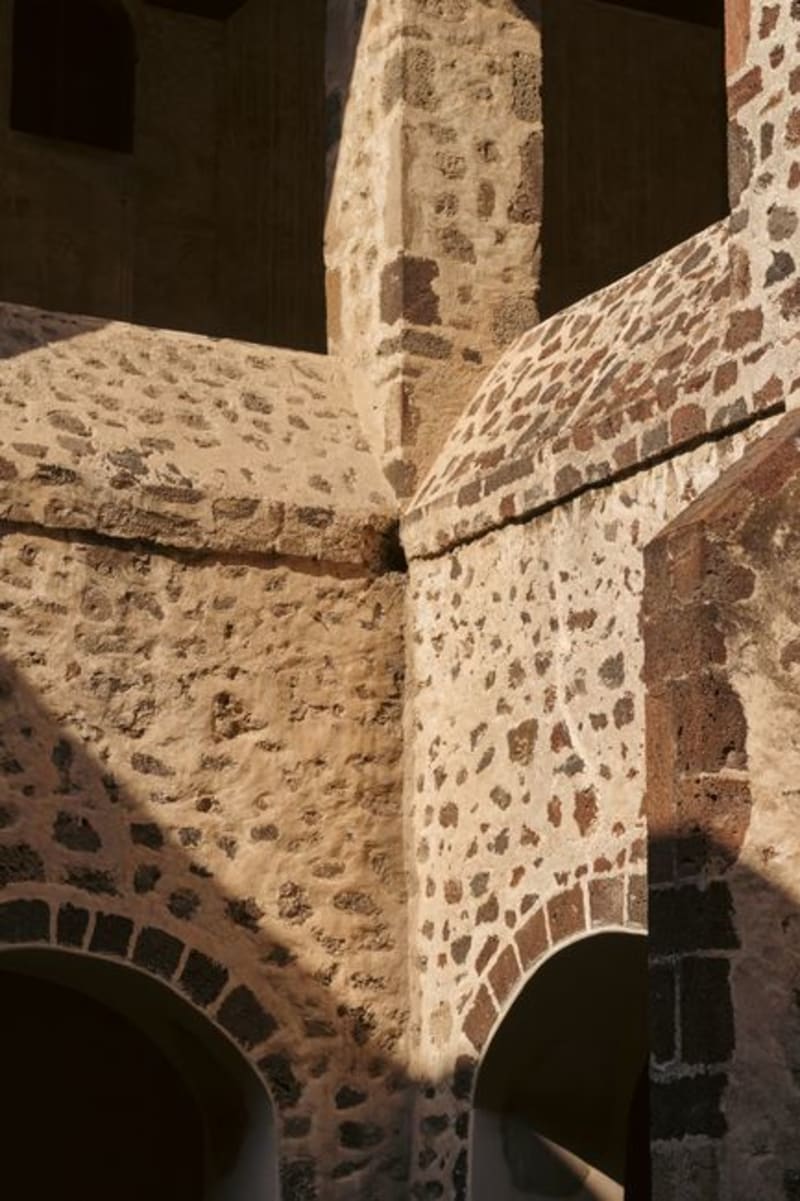 mexico
 Acolman
Acolman holds one of the finest 16th-century Augustinian monasteries in Mexico, its Plateresque facade an obsessive inventory of carved stone that most Teotihuacan-bound visitors never slow down to read. The ex-convento also carries a distinction few people fully register: this is where the posada tradition was invented, conceived by the friars here as a staged instrument of evangelization.
Explore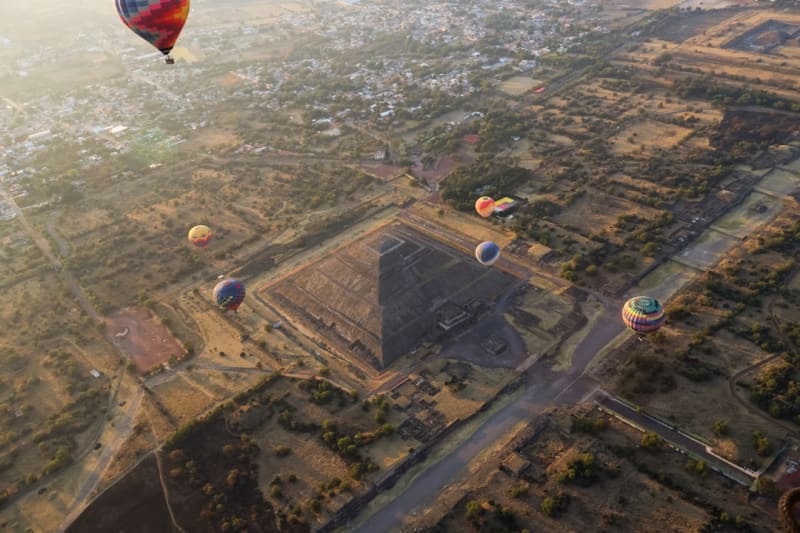 mexico
 Teotihuacán
The largest city in the pre-Columbian Americas — a metropolis of two hundred thousand people that nobody has ever identified, built around two pyramids aligned with the stars and an avenue two kilometers long.
Explore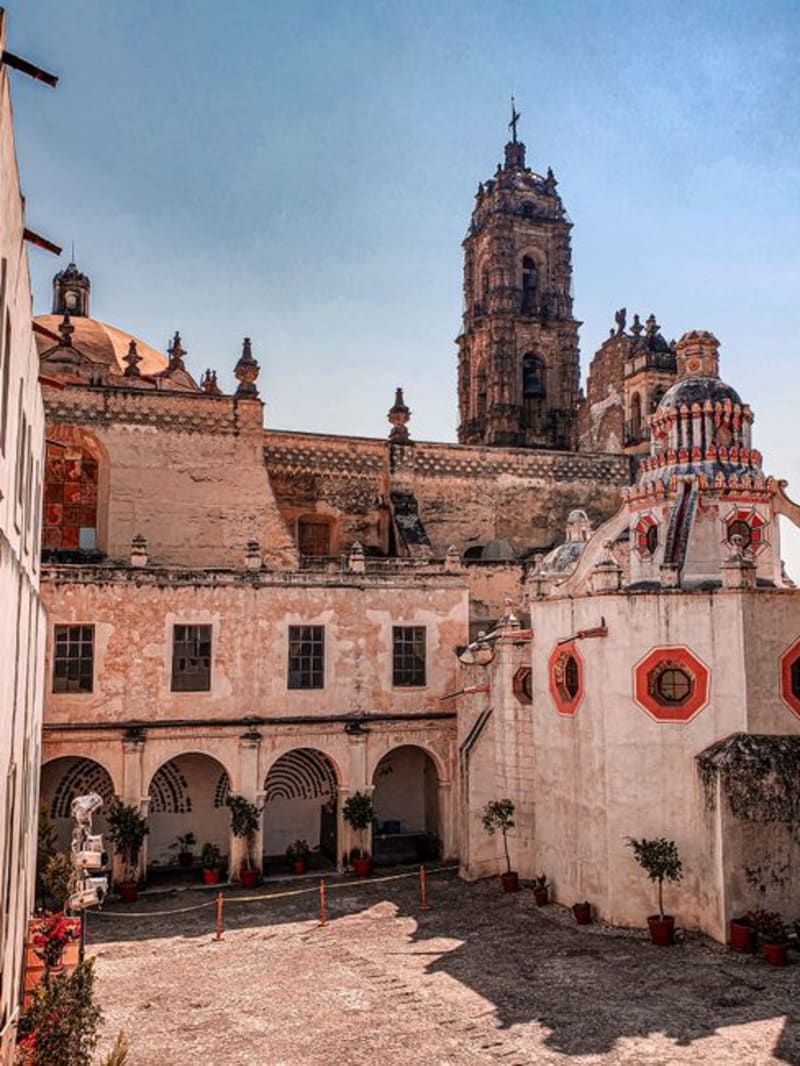 mexico
 Tepotzotlán
Forty minutes north of Mexico City, Tepotzotlán holds the most extravagant churrigueresque church facade in the country and a world-class museum of colonial art that most visitors to Mexico never find. The town takes half a day and rewards every minute of the detour.
Explore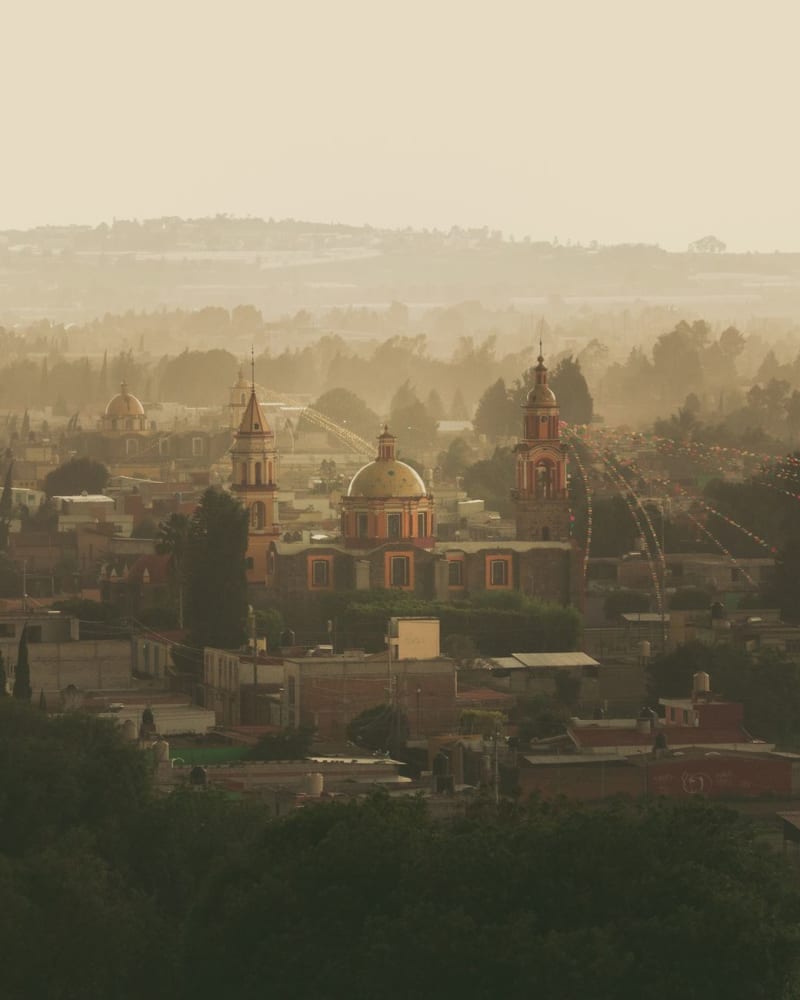 mexico
 Texcoco
Texcoco was the intellectual capital of the Aztec Triple Alliance — Nezahualcóyotl, philosopher-king and poet, ruled here, built hanging gardens and aqueducts and a library, and composed verse that is still read in Mexico. The lake he looked out on no longer exists; the ruins of his bath complex survive in the hills above the city. Standing there, you understand something about the scale of what was erased when the lake was drained.
Explore mexico
 Tepetlaoxtoc
A quiet agricultural town in the eastern valley of Estado de México, Tepetlaoxtoc holds one of the most remarkable documents to survive the colonial period — a pictorial codex created by indigenous inhabitants to formally protest Spanish tax abuses. The museum that reconstructs it is worth the detour from Texcoco alone.
Explore