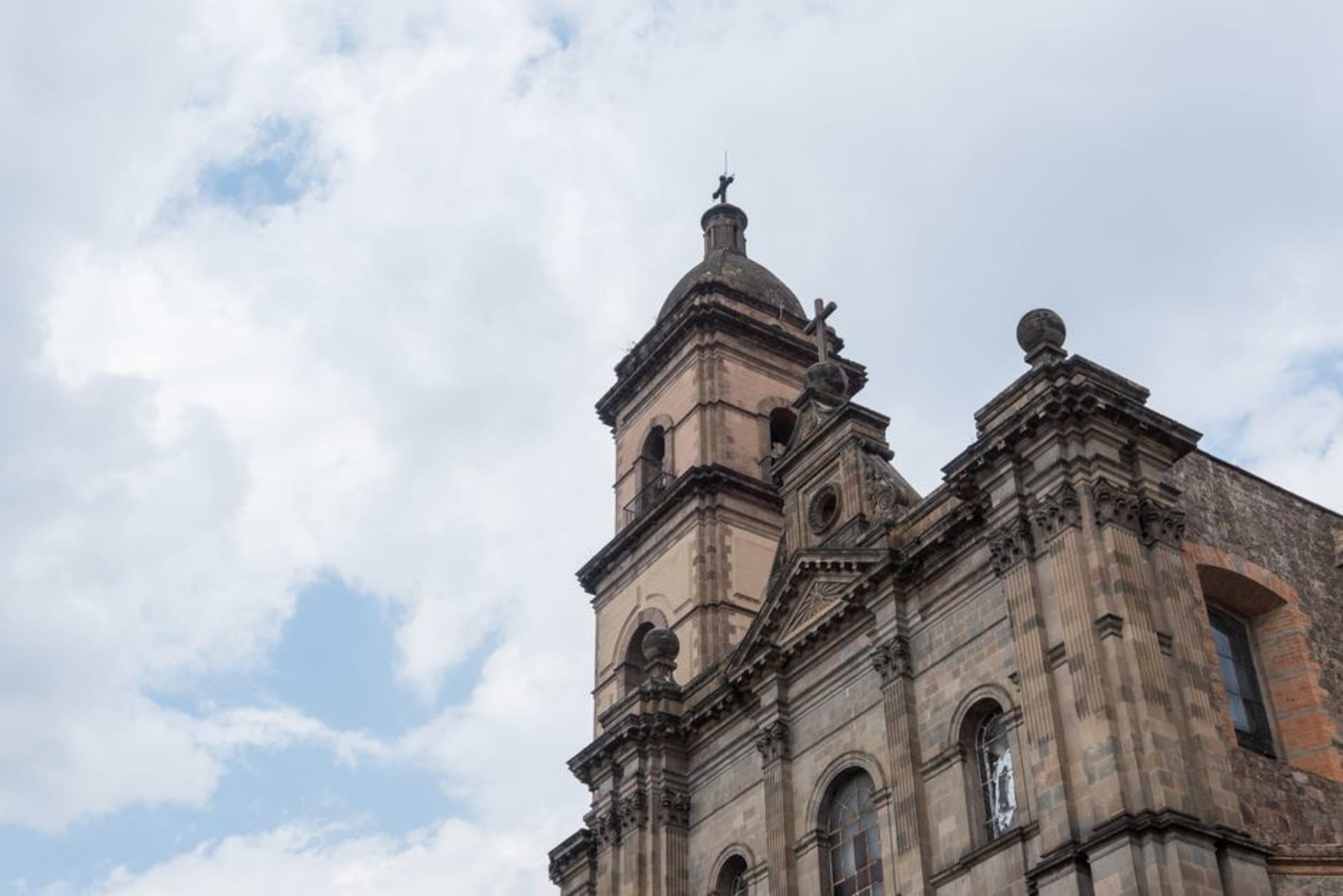
Tlalmanalco
"The open chapel at Tlalmanalco made me understand for the first time why the early friars built outdoor spaces — you stand inside it and you are also somehow outside, under the volcano, in the mountains."
Tlalmanalco sits at the foot of the Iztaccihuatl-Popocatépetl massif, where one of Mexico's finest Augustinian open chapels faces the volcanoes as if the two were in conversation. The pine forests above town open into the national park, and the morning light on the stone facade is worth the early bus from TAPO.

I came on a Tuesday, which turned out to be the right choice. The weekend crowd that descends from Mexico City for a forest walk and carnitas hadn’t materialized, and I had the atrium of the convent almost entirely to myself for the better part of an hour. A woman was sweeping near the side entrance. Iztaccíhuatl’s western flank was visible above the roofline, catching the kind of light that photographers wait all morning for, and here it was just the backdrop to an ordinary Tuesday.
The Open Chapel and Convent
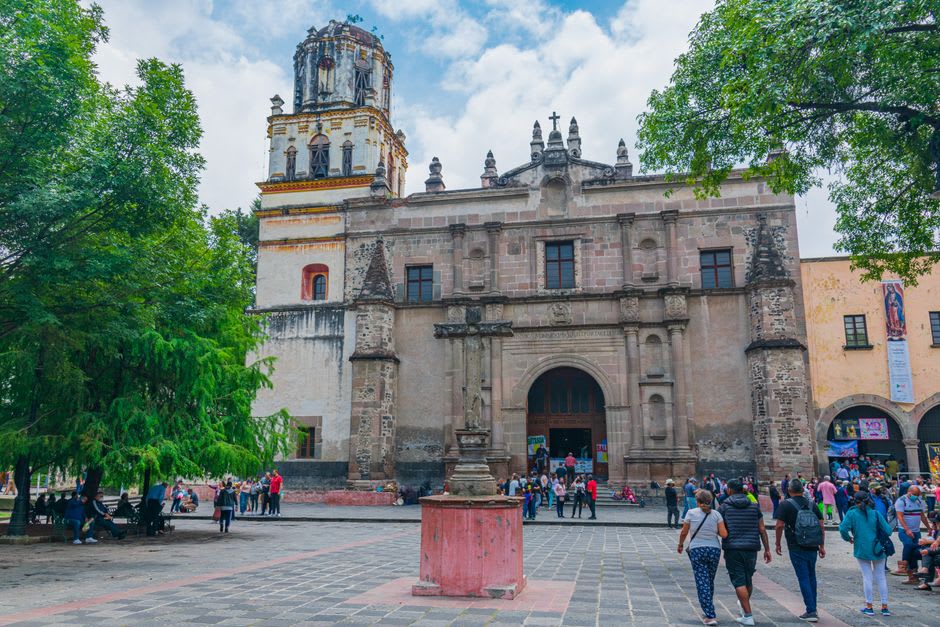
The Convento de San Luis Obispo was begun by the Augustinians around 1554, and the open chapel — the capilla abierta — is the structure that stops you. It is not a building in the conventional sense. Three arches open onto the atrium like a stage set, and the design logic only becomes clear when you understand its purpose: to hold Mass for thousands of newly converted indigenous parishioners who had no tradition of enclosed worship and every tradition of ceremony conducted in open air. Standing inside the chapel, you face outward, and beyond the atrium wall the volcano completes the composition in a way that feels deliberate even if it wasn’t.
The carved stone throughout the complex — the plateresque portal, the relief work on the cloister walls — is the kind of thing that would have a ticket queue in Oaxaca. Here, the sacristan glanced at me, went back to his phone.
Pine Forest and the Park Access
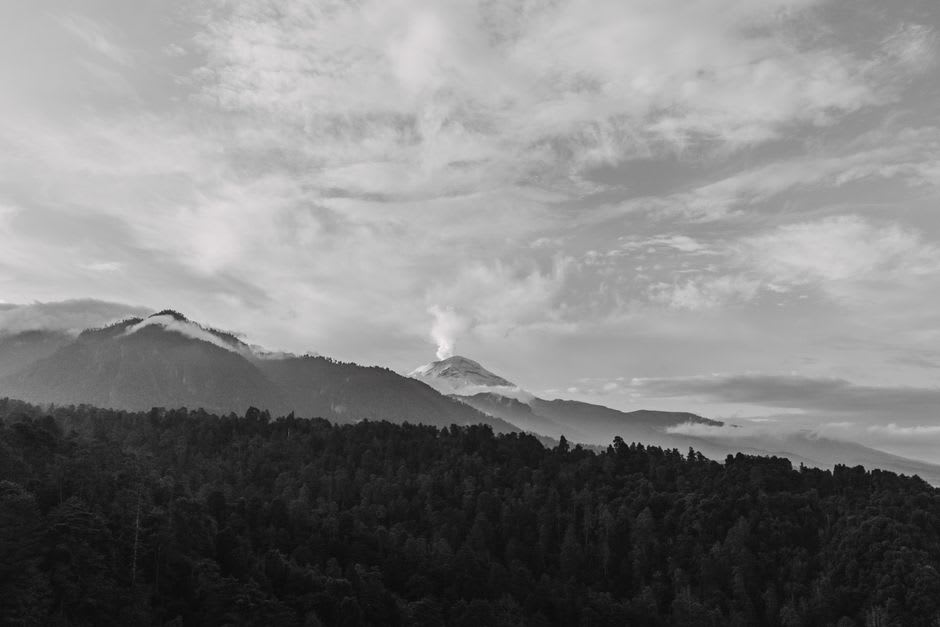
The road above Tlalmanalco climbs into the Parque Nacional Iztaccíhuatl-Popocatépetl through a belt of pine and oyamel fir that smells, on cold mornings, almost European. The access point here is less trafficked than the routes from Amecameca to the south, which means you trade convenience for quiet. I walked a stretch of trail past a stream crossing where the soil was soft enough to show deer prints, turned back when clouds started building over Izta’s summit, and found a puesto near the trailhead selling atole and tamales de rajas that I ate standing at the truck, watching the cloud cover roll in.
This is not an approach for technical climbing — for that, Amecameca is the gateway. But for a morning in the forest with serious altitude and serious views before the weather closes, it works.
The Town and What to Eat
Tlalmanalco’s market on Calle Morelos runs a short block but punches above its size on weekends. The carnitas vendors set up early — by eight the copper cazo is already rendering — and the local specialty is barbacoa de hoyo, pit-cooked lamb wrapped in maguey leaves and served with a consommé that has no business being as good as it is at that hour of the morning. I ordered two tacos and a bowl of broth and ate at a plastic table while a man across from me read the newspaper with great seriousness.
Getting There
From TAPO (Terminal de Autobuses de Pasajeros de Oriente) in Mexico City, take any bus toward Cuautla or Amecameca and ask to be dropped at Tlalmanalco — journey time around 90 minutes depending on traffic on the México-Cuautla highway. From Amecameca, combis run the 12 kilometers north in about 20 minutes. There is no reason to stay overnight; this is a day trip from the capital.
Keep exploring
More of Estado de México
Keep exploring
More from Estado de México
 mexico
 Amecameca
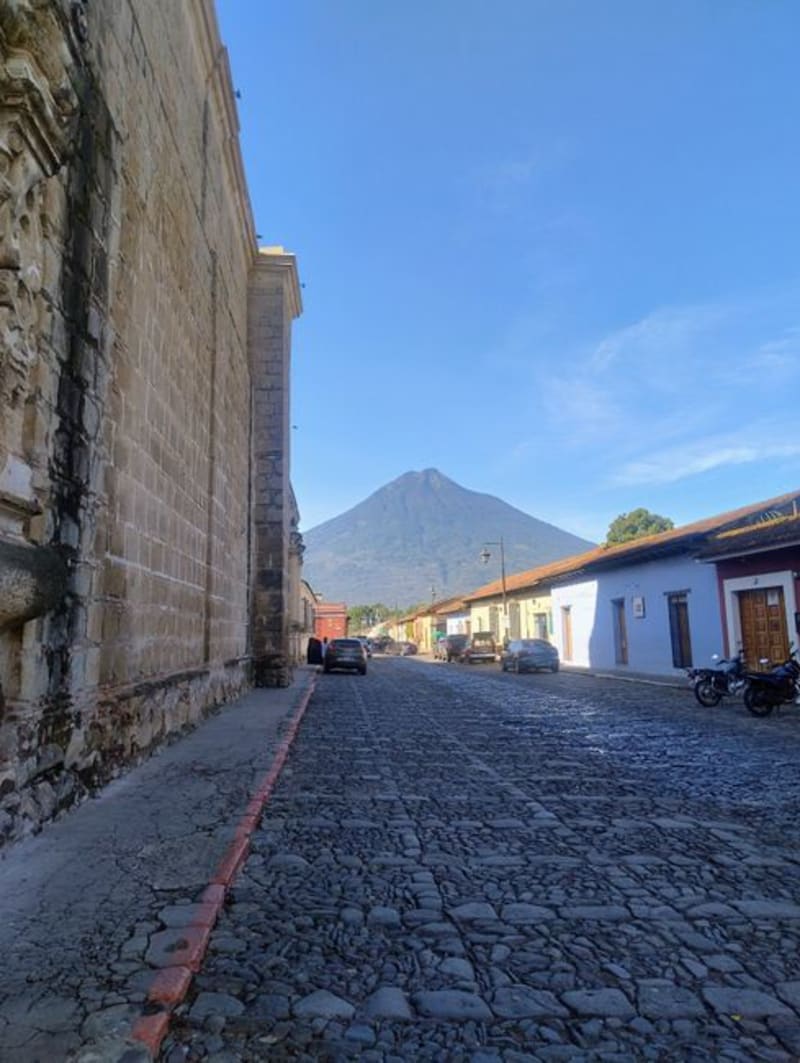
Amecameca is a cold, pine-scented town at the foot of Popocatépetl and Iztaccíhuatl, calibrated for volcano hikers and pilgrims in equal measure. Waking up at 2,400 meters to watch Popo glow against a still-dark sky is the kind of thing that recalibrates your sense of scale.
Explore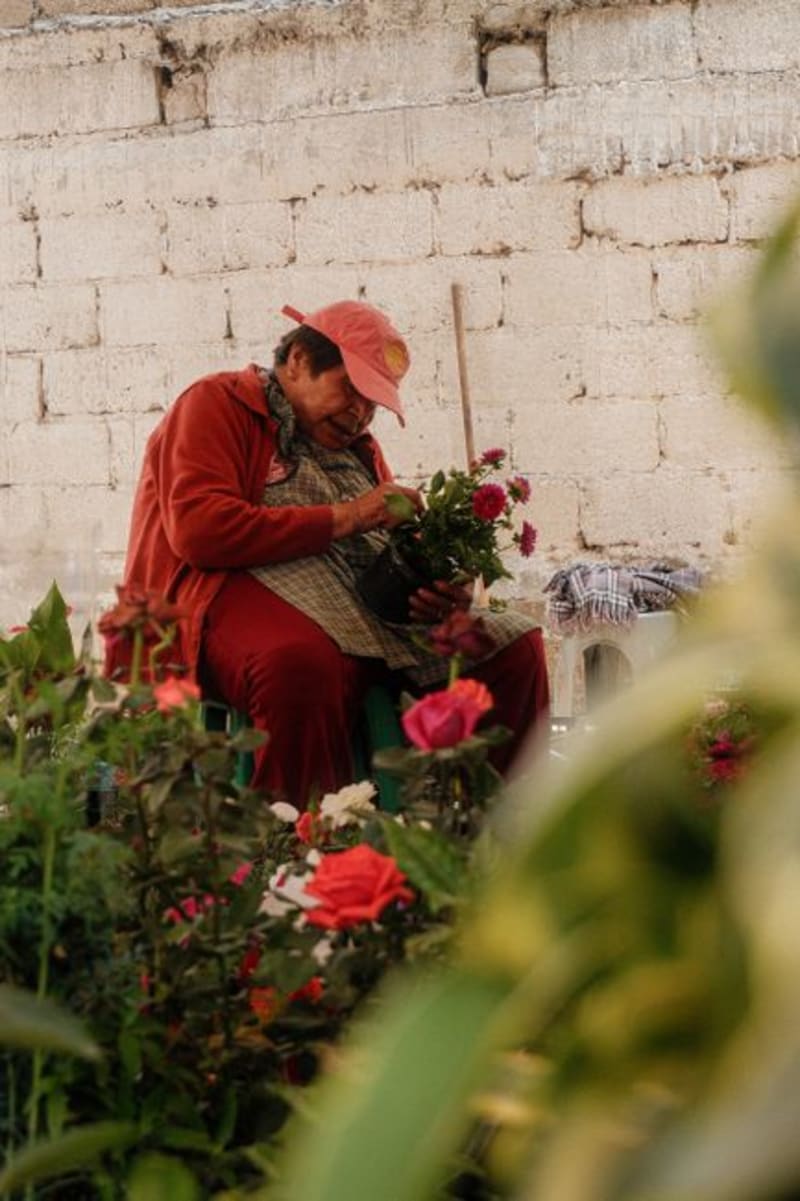 mexico
 Ozumba
Ozumba sits at the foot of Popocatépetl in Estado de México, close enough that on clear mornings the volcano dominates the eastern sky like something the town has quietly agreed to ignore. The Friday tianguis draws in vendors from the surrounding villages with local cheeses, chile pastes, and cut flowers, and the Augustinian convent holds a 16th-century mural program that most people driving through the region never stop to find.
Explore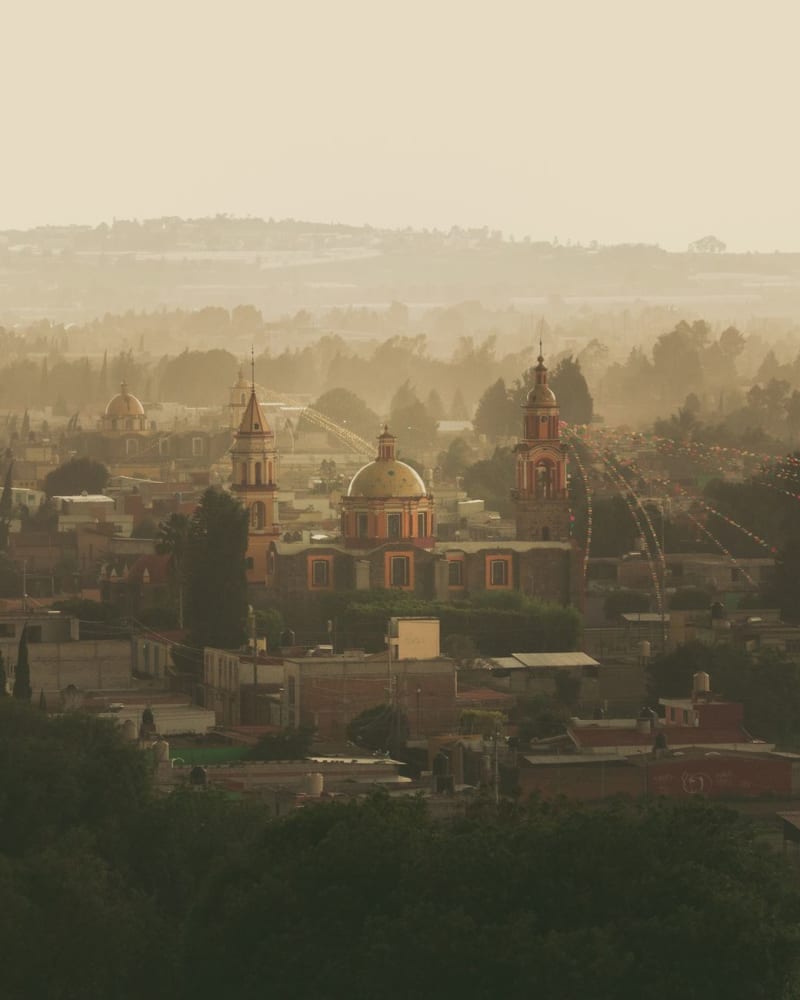 mexico
 Texcoco
Texcoco was the intellectual capital of the Aztec Triple Alliance — Nezahualcóyotl, philosopher-king and poet, ruled here, built hanging gardens and aqueducts and a library, and composed verse that is still read in Mexico. The lake he looked out on no longer exists; the ruins of his bath complex survive in the hills above the city. Standing there, you understand something about the scale of what was erased when the lake was drained.
Explore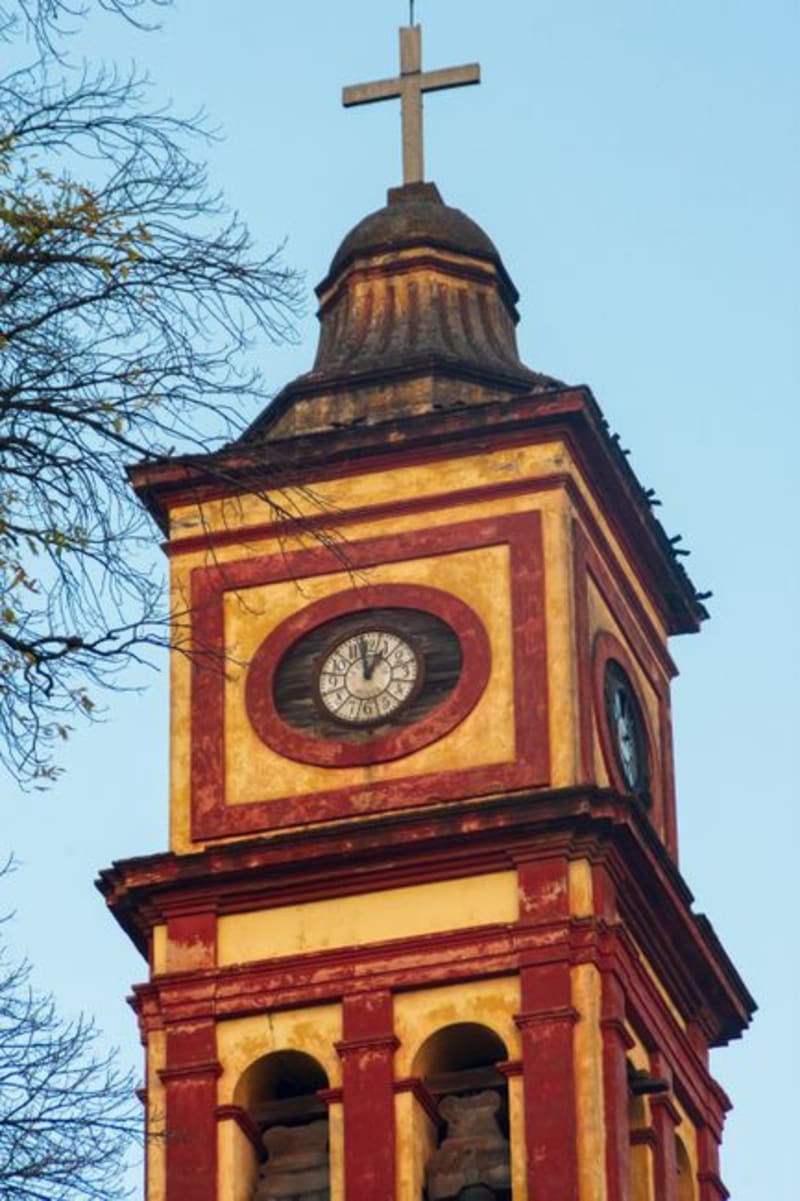 mexico
 Tepetlaoxtoc
A quiet agricultural town in the eastern valley of Estado de México, Tepetlaoxtoc holds one of the most remarkable documents to survive the colonial period — a pictorial codex created by indigenous inhabitants to formally protest Spanish tax abuses. The museum that reconstructs it is worth the detour from Texcoco alone.
Explore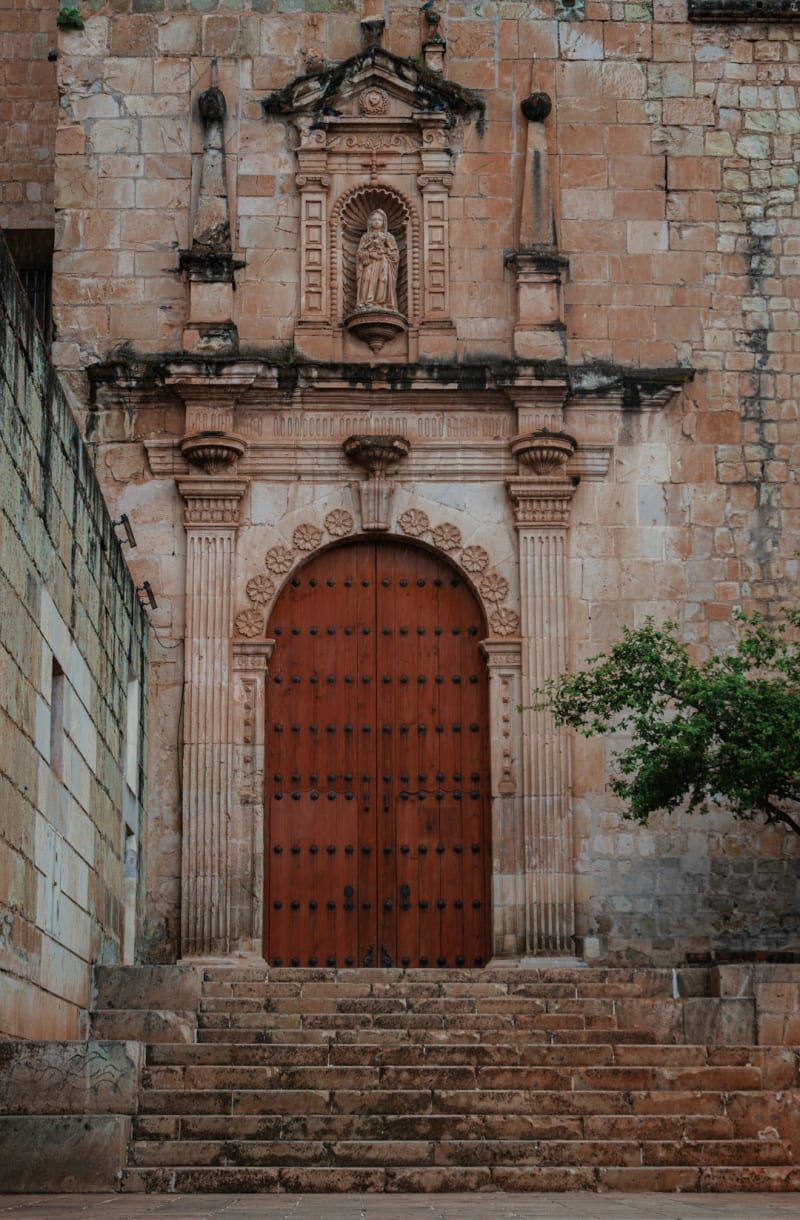 mexico
 Otumba
A dusty historic town on the maguey plains east of Teotihuacán, famous for its donkeys and its annual burro fair, and for the rows of agave that still feed the pulque tradition. Big dry skies, a weathered Franciscan church, and a sense of history pressed flat into the land.
Explore mexico
 Acolman
Acolman holds one of the finest 16th-century Augustinian monasteries in Mexico, its Plateresque facade an obsessive inventory of carved stone that most Teotihuacan-bound visitors never slow down to read. The ex-convento also carries a distinction few people fully register: this is where the posada tradition was invented, conceived by the friars here as a staged instrument of evangelization.
Explore