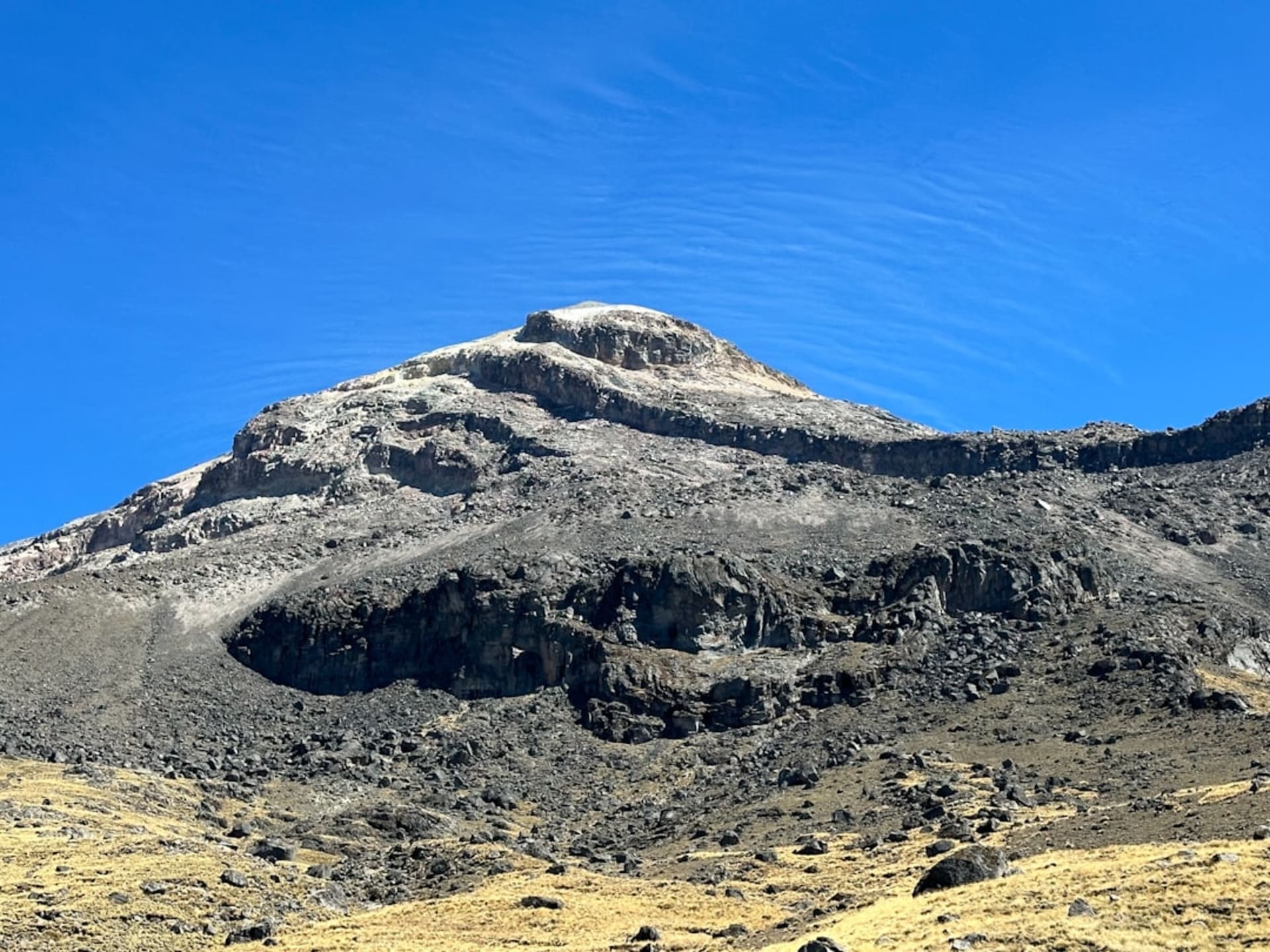
Amecameca
"Amecameca smells like pine forests and thin air, and the volcanoes fill the entire eastern horizon — there is no humble angle from which to view them."
Amecameca is a cold, pine-scented town at the foot of Popocatépetl and Iztaccíhuatl, calibrated for volcano hikers and pilgrims in equal measure. Waking up at 2,400 meters to watch Popo glow against a still-dark sky is the kind of thing that recalibrates your sense of scale.

I set my alarm for 4:50 a.m. without much conviction. By 5:05 I was standing in the courtyard of my guesthouse on Calle Fray Diego de Chávez in socks and a fleece, looking east, and Popocatépetl was glowing — not metaphorically, but with an actual faint internal light, smoke rising white against the dark. Iztaccíhuatl lay beside it like something sleeping. I forgot I was cold.
Two Volcanoes at the End of Every Street
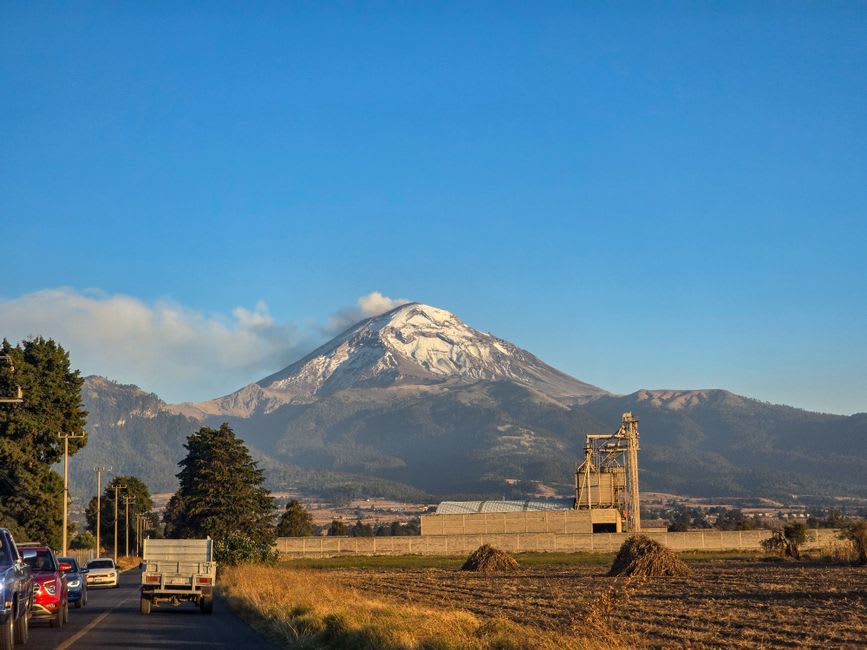
Amecameca exists in a specific gravitational field. The town has a zócalo, a municipal market, a Coppel, the usual — but everything orients east, toward the volcanoes, the way Mediterranean towns orient toward the sea. You cannot walk a block without the white peaks reappearing between buildings. Popocatépetl, at 5,426 meters, is still active; on clear mornings the plume casts a shadow you can actually track. Iztaccíhuatl, the dormant one, holds its snow year-round in formations that resemble — and are named for — a sleeping woman.
Most people who sleep in Amecameca are there to climb. The Paso de Cortés, the high saddle between the two volcanoes and the trailhead for Izta, is about 45 minutes by car or colectivo from the centro. Access to Popo itself is restricted due to ongoing activity, but the national park around it is open, and even the drive up through the pine forest, ending at 3,700 meters with both summits overhead, justifies the trip completely. I am not a serious climber. I drove up, ate a torta in the cold wind, and felt very satisfied.
Sacromonte and the Pilgrims
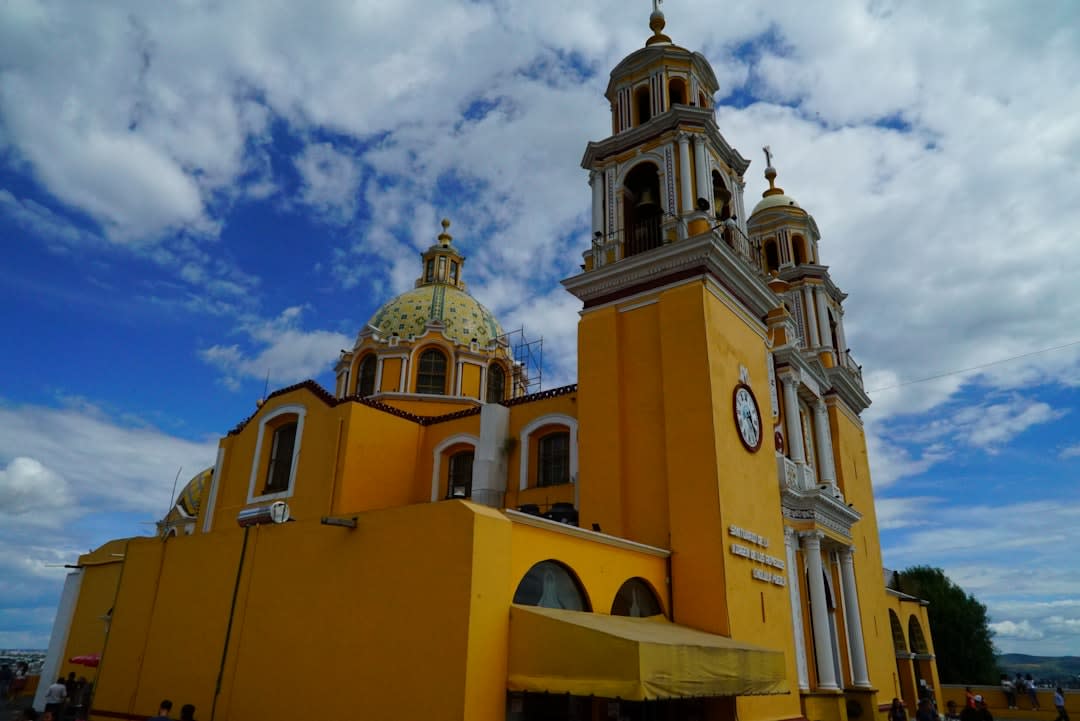
The hill that rises just west of the centro, the Sacromonte, has been a place of pilgrimage since the sixteenth century. Pilgrims climb its cobbled path on their knees — a practice that sounds theatrical until you watch someone actually doing it, slowly, on the stones, in silence, and the theatricality dissolves entirely into something harder to name. At the summit is the Santuario del Sacromonte, a colonial chapel that holds a figure of Christ brought here, according to the tradition, by the Dominican friar Fray Martín de Valencia in the 1520s. The view from the top — the valley, the town grid below, the volcanoes beyond — is the best vantage in Amecameca.
The market at the foot of the Sacromonte sells carnitas on weekend mornings and quesillo and tlayudas of a rougher, central-Mexico variety. I had a bowl of caldo de res from a woman who had been there since before dawn and who refilled the tortilla basket without being asked.

What to Eat, Where to Sleep
The mercado municipal on Avenida Hidalgo is the right place for breakfast — enchiladas verdes, atole de guayaba on cold mornings, tlacoyos with fava beans that cost twelve pesos each. For something more substantial before a mountain day, the comedores on the south side of the zócalo open by seven and serve cecina de Yecapixtla, the famous salted beef from the neighboring town, with black beans and rice. Sleep cheaply at one of the small hostales near the bus terminal; the rooms are bare but the blankets are heavy, which is what matters at this altitude.
Getting There
From Mexico City’s TAPO terminal (Oriente), take a direct bus with Volcanes or Cristóbal Colón — the ride takes about 90 minutes and costs around 70 pesos. Buses run frequently from early morning. From Amecameca’s bus station, colectivos leave throughout the day for Paso de Cortés and the national park entrance.
Keep exploring
More of Estado de México
Keep exploring
More from Estado de México
 mexico
 Tlalmanalco
Tlalmanalco sits at the foot of the Iztaccihuatl-Popocatépetl massif, where one of Mexico's finest Augustinian open chapels faces the volcanoes as if the two were in conversation. The pine forests above town open into the national park, and the morning light on the stone facade is worth the early bus from TAPO.
Explore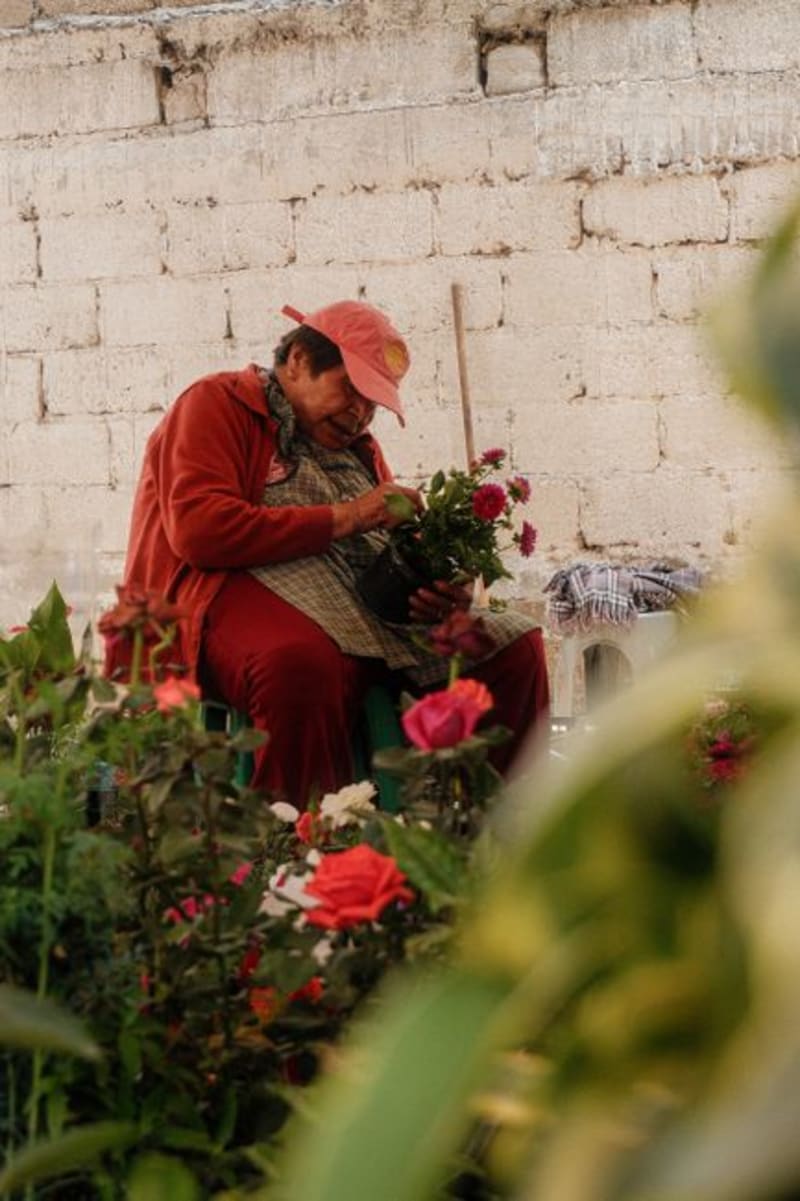 mexico
 Ozumba
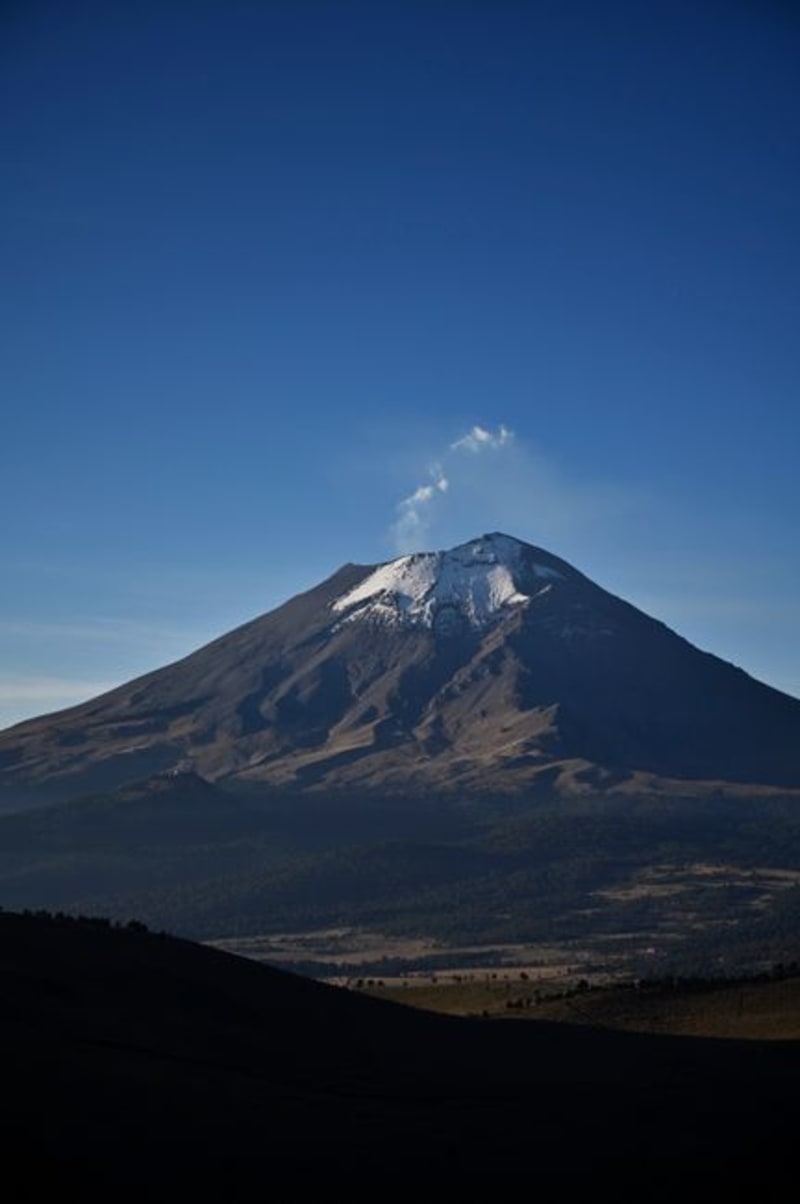
Ozumba sits at the foot of Popocatépetl in Estado de México, close enough that on clear mornings the volcano dominates the eastern sky like something the town has quietly agreed to ignore. The Friday tianguis draws in vendors from the surrounding villages with local cheeses, chile pastes, and cut flowers, and the Augustinian convent holds a 16th-century mural program that most people driving through the region never stop to find.
Explore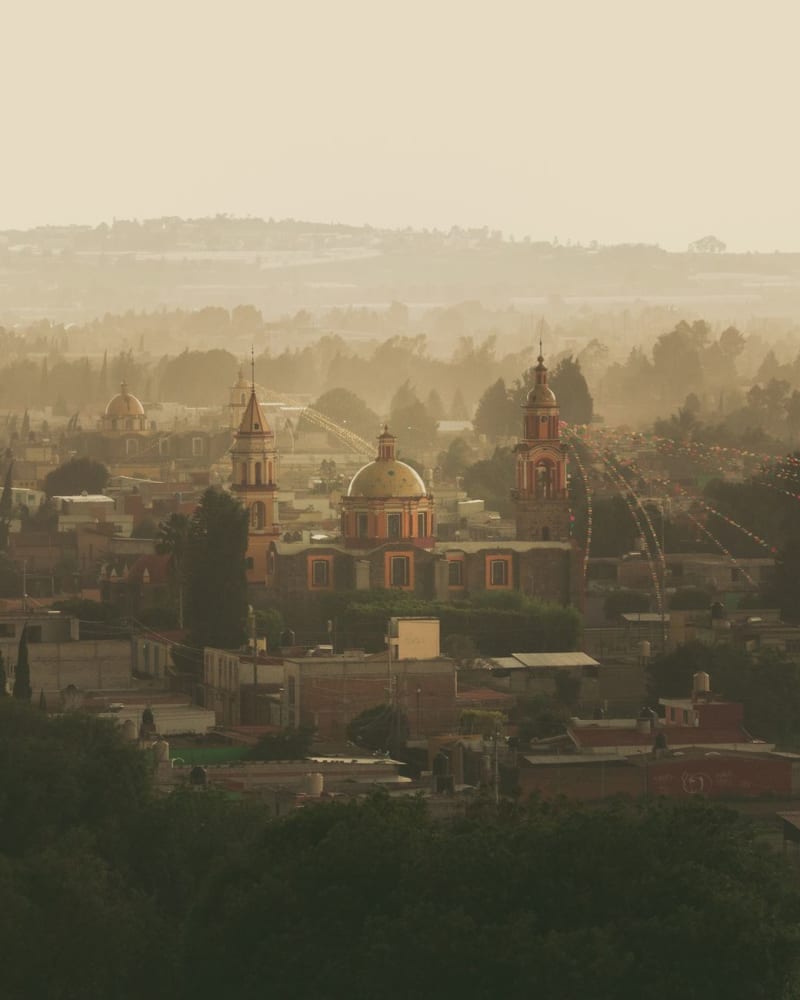 mexico
 Texcoco
Texcoco was the intellectual capital of the Aztec Triple Alliance — Nezahualcóyotl, philosopher-king and poet, ruled here, built hanging gardens and aqueducts and a library, and composed verse that is still read in Mexico. The lake he looked out on no longer exists; the ruins of his bath complex survive in the hills above the city. Standing there, you understand something about the scale of what was erased when the lake was drained.
Explore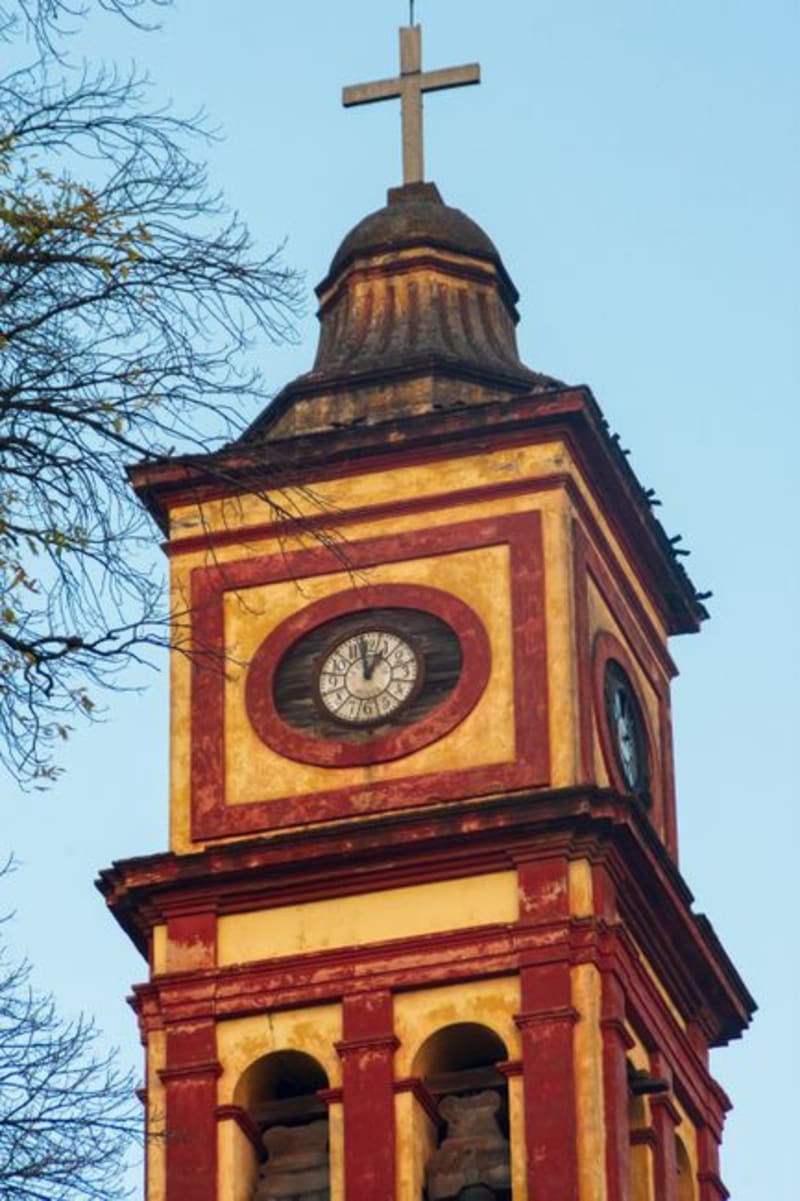 mexico
 Tepetlaoxtoc
A quiet agricultural town in the eastern valley of Estado de México, Tepetlaoxtoc holds one of the most remarkable documents to survive the colonial period — a pictorial codex created by indigenous inhabitants to formally protest Spanish tax abuses. The museum that reconstructs it is worth the detour from Texcoco alone.
Explore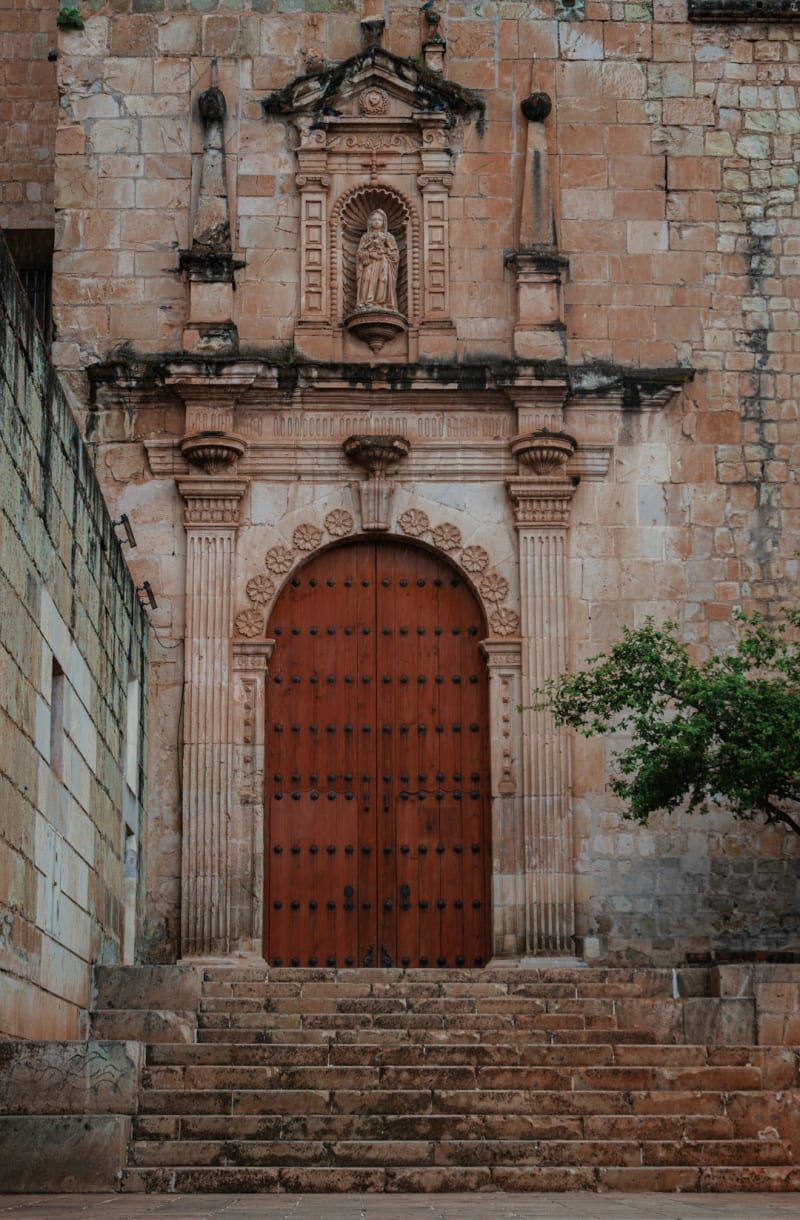 mexico
 Otumba
A dusty historic town on the maguey plains east of Teotihuacán, famous for its donkeys and its annual burro fair, and for the rows of agave that still feed the pulque tradition. Big dry skies, a weathered Franciscan church, and a sense of history pressed flat into the land.
Explore mexico
 Acolman
Acolman holds one of the finest 16th-century Augustinian monasteries in Mexico, its Plateresque facade an obsessive inventory of carved stone that most Teotihuacan-bound visitors never slow down to read. The ex-convento also carries a distinction few people fully register: this is where the posada tradition was invented, conceived by the friars here as a staged instrument of evangelization.
Explore