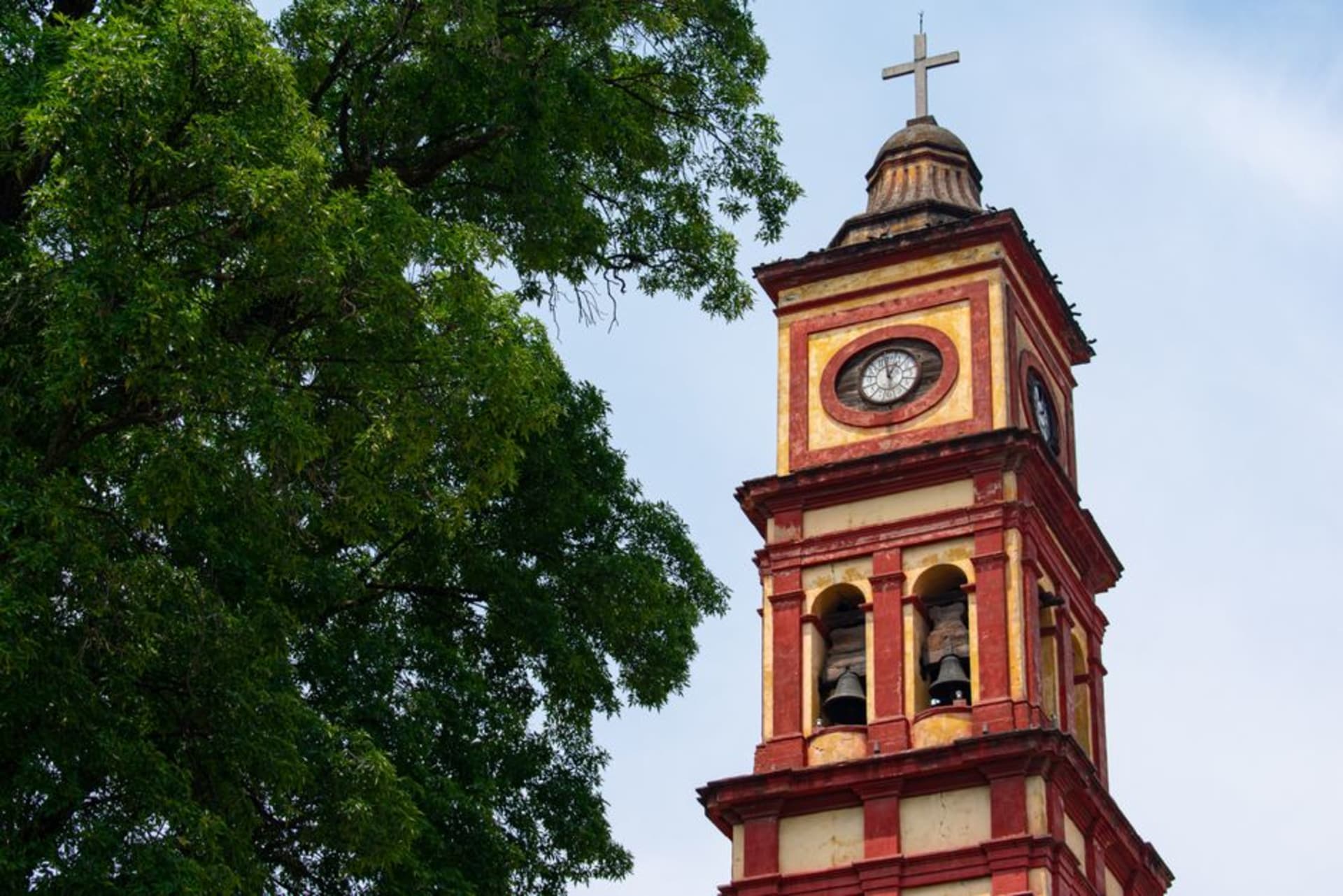
Tepetlaoxtoc
"The curator at the small codex museum spent an hour explaining the tax complaint encoded in the manuscript — a bureaucratic grievance from 1554 that reads as surprisingly contemporary."
A quiet agricultural town in the eastern valley of Estado de México, Tepetlaoxtoc holds one of the most remarkable documents to survive the colonial period — a pictorial codex created by indigenous inhabitants to formally protest Spanish tax abuses. The museum that reconstructs it is worth the detour from Texcoco alone.

I came to Tepetlaoxtoc on a Tuesday, which turned out to be exactly right. The market on the main plaza was winding down by the time the combi from Texcoco dropped me at the corner of the church, vendors folding their plastic tarpaulins over whatever hadn’t sold — dried chiles, a few kilos of quelites, hand-painted ceramics with no obvious destination. The town felt unhurried in a way that the Basin of Mexico rarely does anymore. No one was trying to sell me anything. I walked the length of the main street, ate a quesillo de flor de calabaza at a comedor with three tables, and found the museum almost by accident.
The Codex and Its Argument
The Museo del Codex Kingsborough occupies a modest building near the atrio of the sixteenth-century convent of San Juan Evangelista. The original manuscript — named after the British collector who eventually acquired it — now lives in the Biblioteca Nacional in Madrid, but the museum holds a meticulous reproduction alongside explanatory panels that actually do the work of teaching you to read it. The codex was produced around 1554 by Tepetlaoxtoc’s indigenous population as a formal legal complaint against their Spanish encomendero, Gonzalo de Salazar, documenting in pictorial script the excessive tributes he demanded: loads of firewood, cacao, labor days, animals. It is, at its core, a spreadsheet of grievances. The curator — a soft-spoken man named Rodrigo who seemed genuinely delighted that someone had come — walked me through panel after panel, pointing out the glyphs for specific quantities of maize and the figures of men bent under impossible loads. What struck me was the precision of the document, the faith that someone, somewhere, would read it and find it legible. In 1554 that faith was not entirely misplaced: Spanish courts did sometimes rule in favor of indigenous petitioners. Whether they did here, Rodrigo wasn’t certain.

The Convent and the Valley
The Convento de San Juan Evangelista, attached to the museum complex, is one of those sixteenth-century Franciscan structures that manages to feel both monumental and completely unpretentious. The atrio is large enough to have held hundreds for open-air mass during the early conversion decades. I spent a while in the shadow of the east wall, watching a dog sleep in a strip of afternoon sun. From the ridge above the town — a fifteen-minute walk up a dirt track that begins behind the market — the valley opens out in a way that explains why the Spanish bothered establishing an encomienda here at all. The fields below are still planted in corn and beans, not subdivisions. The mountains that ring the basin on three sides look enormous from up here. It is one of those views that reminds you the Basin of Mexico was always a landscape before it became a metropolitan area.

What to Eat
The comedores around the plaza run on market logic — best before one in the afternoon, quieter after. I had decent sopa de lima and a plate of enfrijoladas at a place on the north side of the zócalo whose name I never caught. The tortillas were hand-pressed. That is not nothing.

Getting There
From Texcoco, take a combi headed toward Tepetlaoxtoc from the market terminal on Calle Nezahualcóyotl — they run regularly throughout the morning and cost around fifteen pesos. The ride takes about thirty minutes through flat farmland and small villages. Texcoco itself is forty minutes by bus from the TAPO terminal in Mexico City.
Keep exploring
More of Estado de México
Keep exploring
More from Estado de México
 mexico
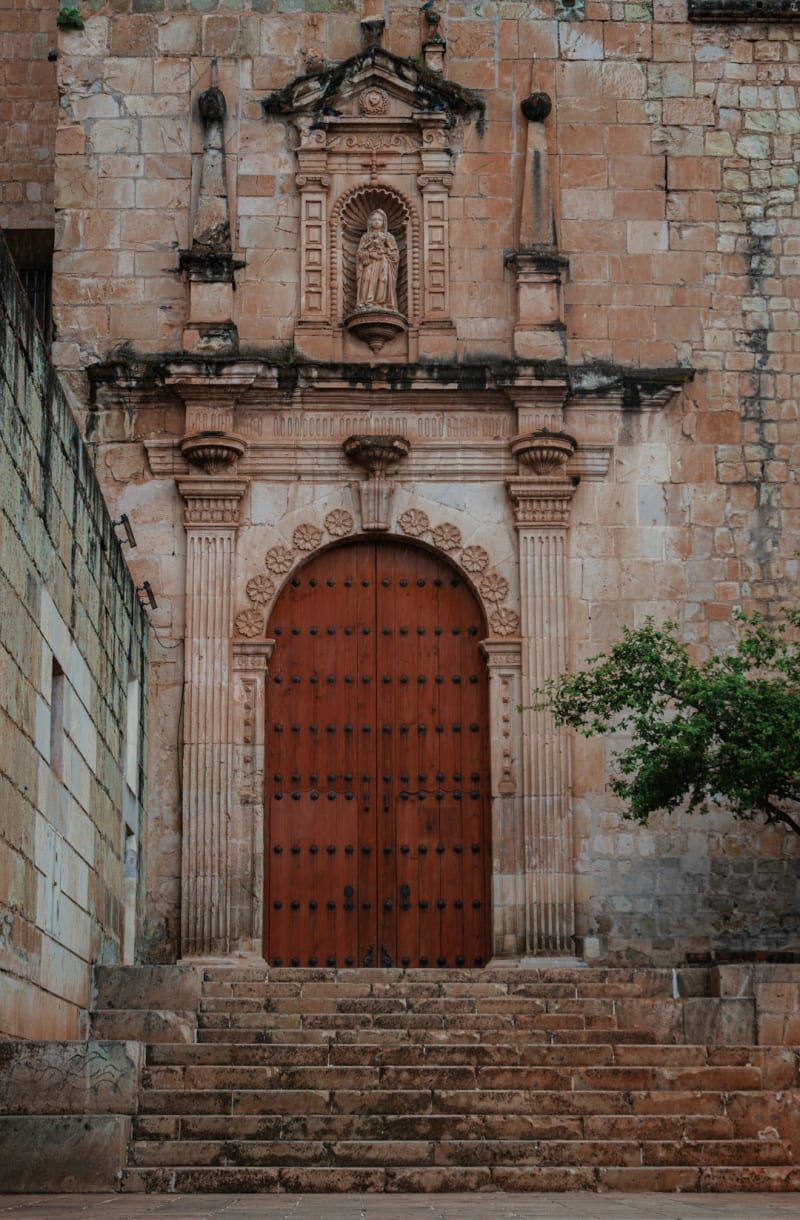
 Otumba
A dusty historic town on the maguey plains east of Teotihuacán, famous for its donkeys and its annual burro fair, and for the rows of agave that still feed the pulque tradition. Big dry skies, a weathered Franciscan church, and a sense of history pressed flat into the land.
Explore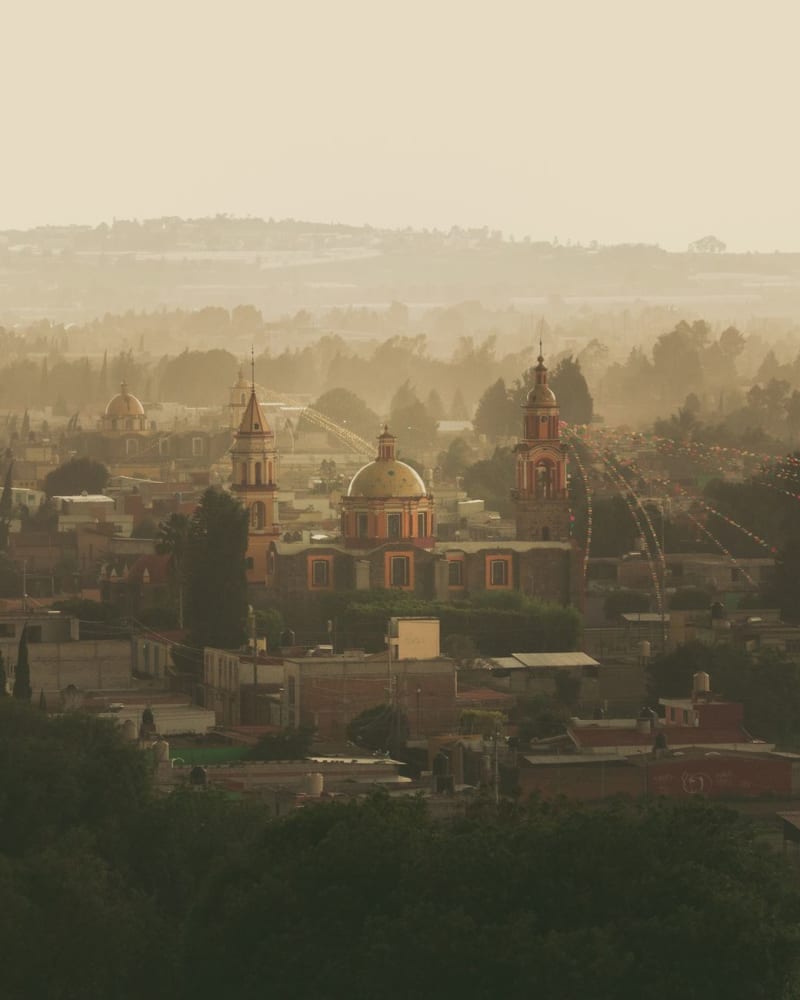 mexico
 Texcoco
Texcoco was the intellectual capital of the Aztec Triple Alliance — Nezahualcóyotl, philosopher-king and poet, ruled here, built hanging gardens and aqueducts and a library, and composed verse that is still read in Mexico. The lake he looked out on no longer exists; the ruins of his bath complex survive in the hills above the city. Standing there, you understand something about the scale of what was erased when the lake was drained.
Explore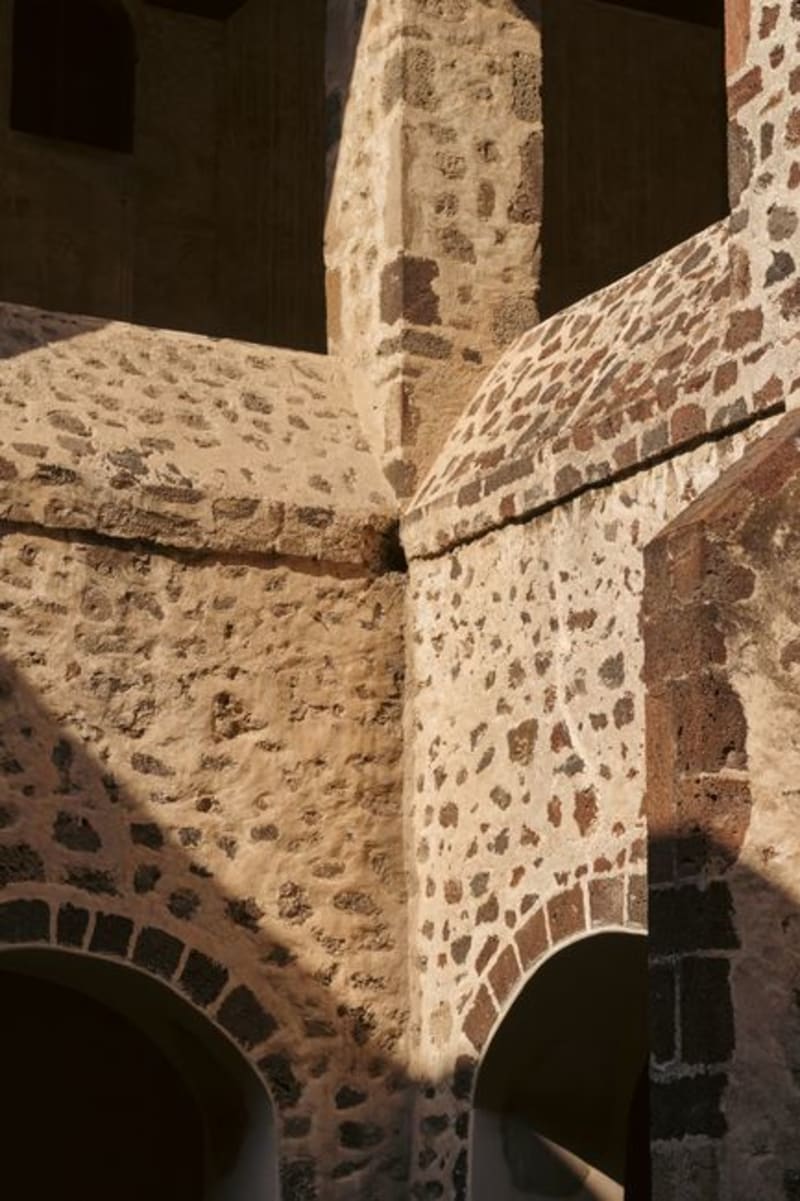 mexico
 Acolman
Acolman holds one of the finest 16th-century Augustinian monasteries in Mexico, its Plateresque facade an obsessive inventory of carved stone that most Teotihuacan-bound visitors never slow down to read. The ex-convento also carries a distinction few people fully register: this is where the posada tradition was invented, conceived by the friars here as a staged instrument of evangelization.
Explore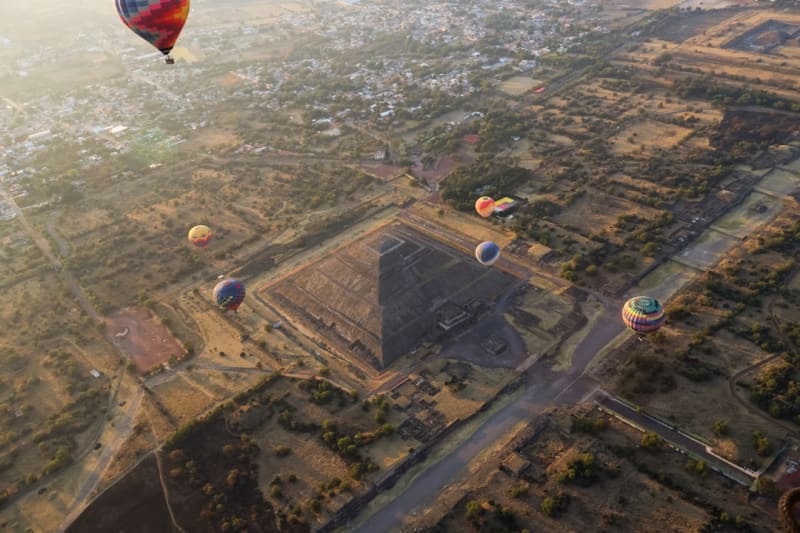 mexico
 Teotihuacán
The largest city in the pre-Columbian Americas — a metropolis of two hundred thousand people that nobody has ever identified, built around two pyramids aligned with the stars and an avenue two kilometers long.
Explore mexico
 Acambay
An Otomí highland town in the far northwest of Estado de México, where rolling rocky hills give way to fields of volcanic boulders that climbers travel hours to reach. The air is cool and thin, the plaza is quiet, and the ranch country stretches to a horizon that feels far from Mexico City.
Explore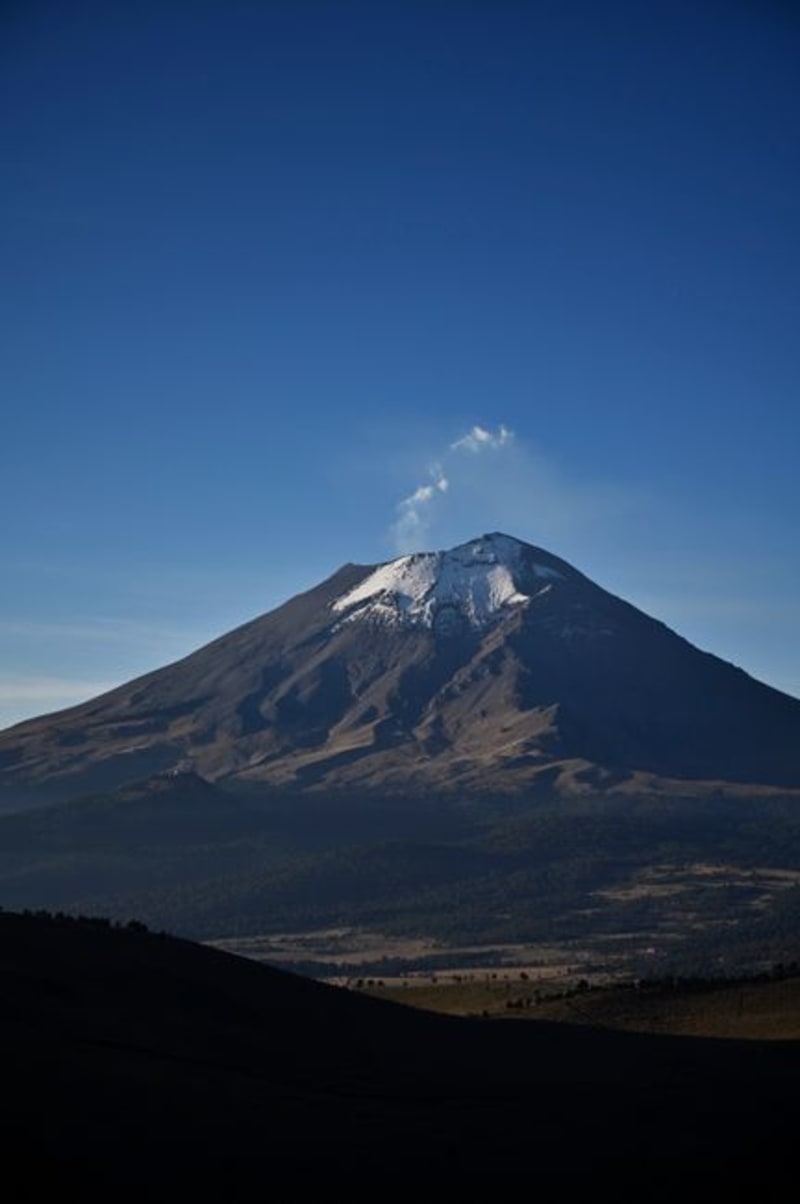 mexico
 Tlalmanalco
Tlalmanalco sits at the foot of the Iztaccihuatl-Popocatépetl massif, where one of Mexico's finest Augustinian open chapels faces the volcanoes as if the two were in conversation. The pine forests above town open into the national park, and the morning light on the stone facade is worth the early bus from TAPO.
Explore