Tecomán
"Every meal arrived with a dish of limes. Not slices, whole limes. You were expected to know what to do with them."
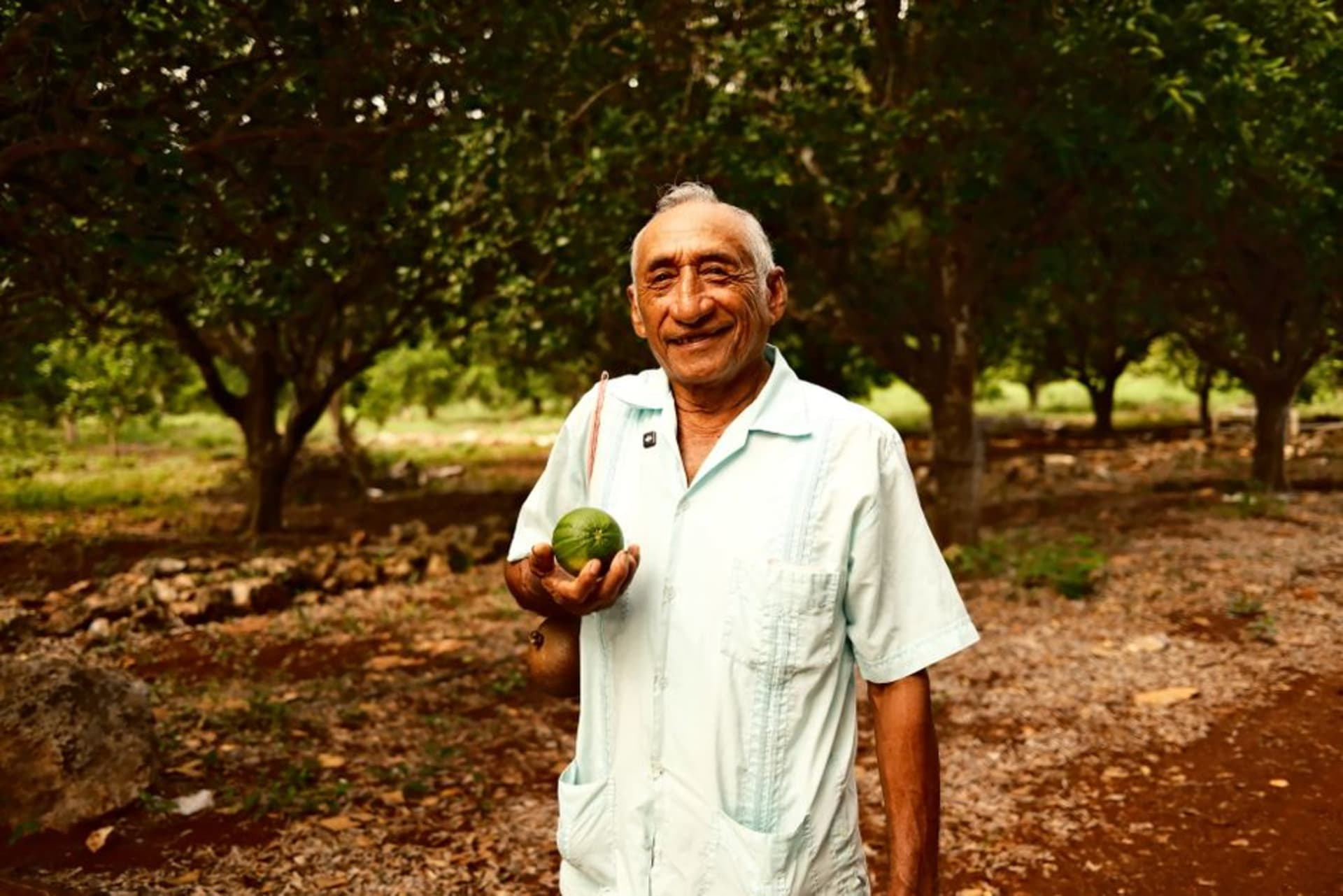
Tecomán sits on the coastal plain of southern Colima, ringed by lime orchards that stretch flat to every horizon. It is Mexico's limón capital in more than name — the fruit shapes every plate, every glass, every handshake with a vendor at the market. This is not a city that performs for visitors, which is exactly what makes it worth the detour.

I came to Tecomán because a woman selling ceviche in Manzanillo told me her limes came from here, and that Manzanillo limes were somehow lesser. I didn’t entirely believe her. Then I drove the forty minutes south, and the landscape changed before the city appeared — flat agricultural land, row after row of low trees loaded with fruit, the smell of citrus faint and constant through the open window. By the time I parked near the centro and ordered a cold agua de limón con chía from a cart outside the palacio municipal, I understood what she meant. The lime here tastes like an argument you’re not going to win.
Mercado Municipal and the Lime Economy
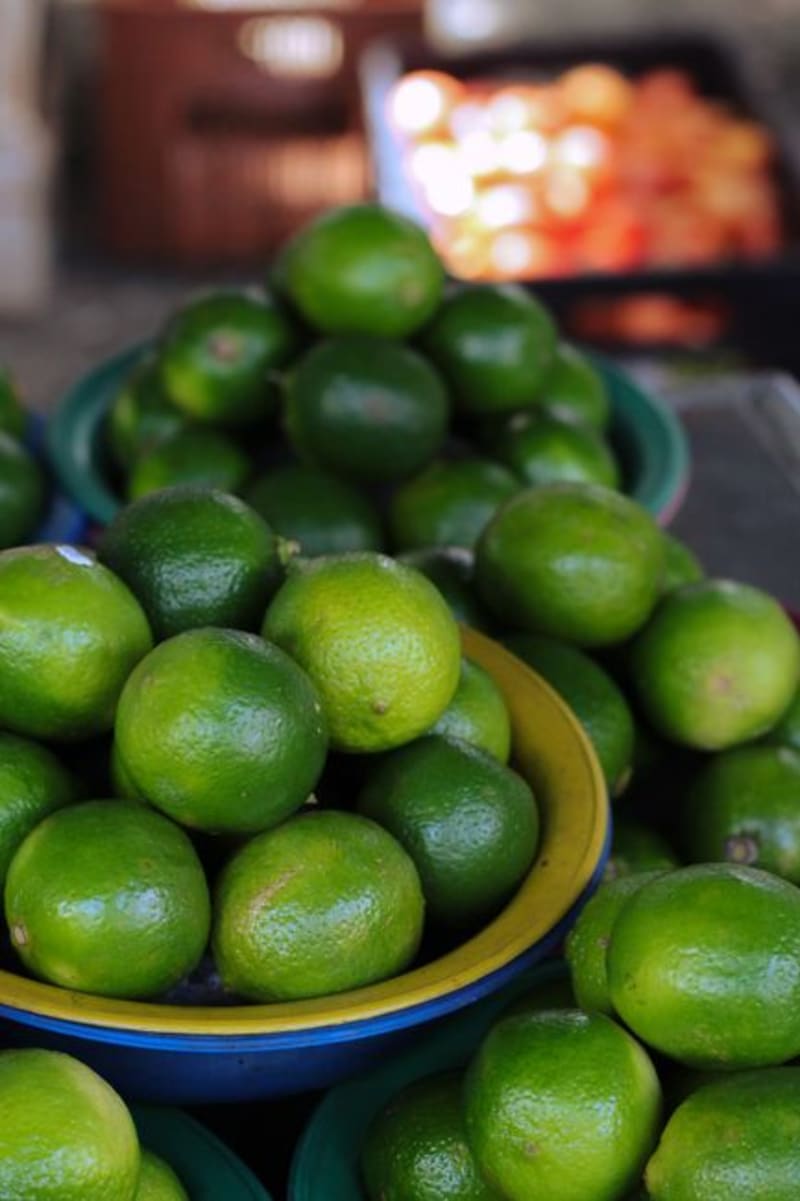
The Mercado Municipal on Avenida López Mateos is the right place to start a morning. Not because it’s picturesque — it isn’t, particularly — but because it runs on an honesty that markets in more tourist-facing cities have lost. Vendors sell limes by the kilo in quantities that assume you’re feeding a household, not photographing a travel post. I bought half a kilo out of embarrassment and ended up eating them with tajín on a bench outside.
The market’s food stalls open early. By seven the steam from the caldos is already heavy in the back section. I sat down at a narrow counter and ordered caldo de pescado, which arrived in a bowl so sour and bright with lime it was essentially the sea reconstituted. The fish was firm, the broth thin and aggressive. A second bowl came without my asking. I paid sixty pesos for both.

Ceviche and the Afternoon Logic
Tecomán operates on coastal time even though the ocean is twenty minutes west. Things slow after noon and the cevicherías near the centro fill up with men drinking beer and moving slowly through plates of pescado or camarón. The thing nobody tells you about the ceviche here is that the lime isn’t an accent — it’s the cooking medium, the seasoning, and the point. The ceviches I found along Calle Constitución were cured longer than what I’m used to in Puerto Escondido, the fish firmer, the acidity rounder rather than sharp.
I stayed at one plastic table for two hours. The fan overhead moved warm air in a circle. Someone brought a plate of tostadas I hadn’t ordered and then charged me for them anyway. I didn’t argue.

The Orchards Outside Town
If you have a car, drive five minutes in any direction and pull over. The lime orchards run right to the roadside in places, the trees compact and heavy, the ground beneath them bare and pale. Fieldworkers move through in the early morning. By ten most have finished. I parked once on a dirt track heading toward Armería and stood there for a while doing nothing in particular. It smelled extraordinary. That’s the whole activity.

Getting There
Tecomán is roughly 45 minutes south of Manzanillo by car on Federal Highway 200, and about two hours from Colima city. First-class buses on the Manzanillo–Lázaro Cárdenas route pass through with regularity. There is no reason to stay more than a day, but a day is exactly enough.
Keep exploring
More of Colima
Keep exploring
More from Colima
 mexico
 Tecomán
Mexico's lime capital in every sense that matters — Tecomán is a working agricultural city in coastal Colima where the citrus groves run to the horizon and the seafood is the kind of honest, unreconstructed cooking that only places without tourists tend to produce. Nobody comes here on purpose, which is exactly why I did.
Explore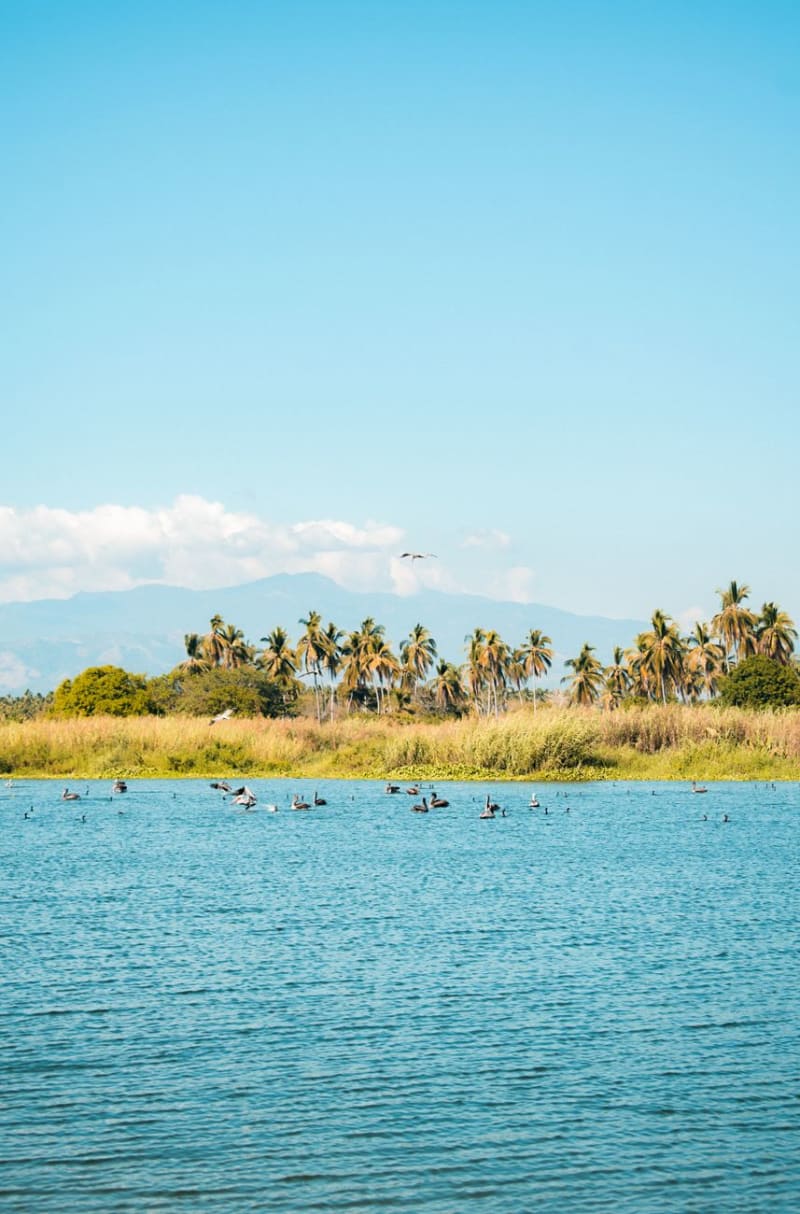 mexico
 Boca de Pascuales
Boca de Pascuales is a Pacific fishing village in Colima state with a wave that serious big-wave surfers travel from three continents to ride, and that I watched from the beach with the expression of someone who has just seen something both beautiful and medically alarming. The general tourist infrastructure that usually follows serious surfers to a place never arrived here; what you get is dark sand, brightly painted fishing boats, palapa restaurants serving fresh catch, and a barreling shore break that closes out fast and does not forgive. I ordered ceviche, ate it facing the water, and stayed longer than I needed to.
Explore mexico
 Cuyutlán
A faded Pacific beach town south of Manzanillo where the surf glows green on summer nights — a bioluminescent phenomenon known as the Ola Verde — and a turtle sanctuary lets you wade among olive ridley hatchlings in a protected lagoon.
Explore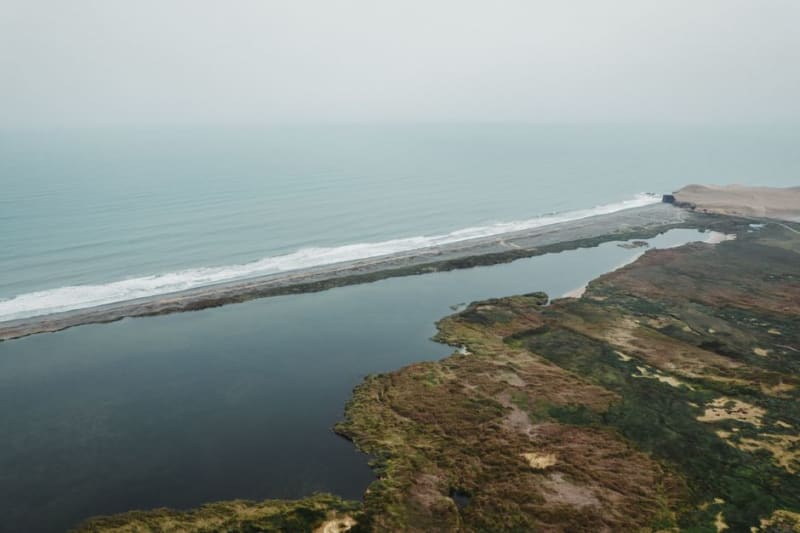 mexico
 Cuyutlán
Cuyutlán is a lagoon-side village on Colima's Pacific coast where the beach runs black from volcanic sand and the surf glows green at night. It moves slowly, looks like a faded postcard from 1974, and is completely unbothered by that fact.
Explore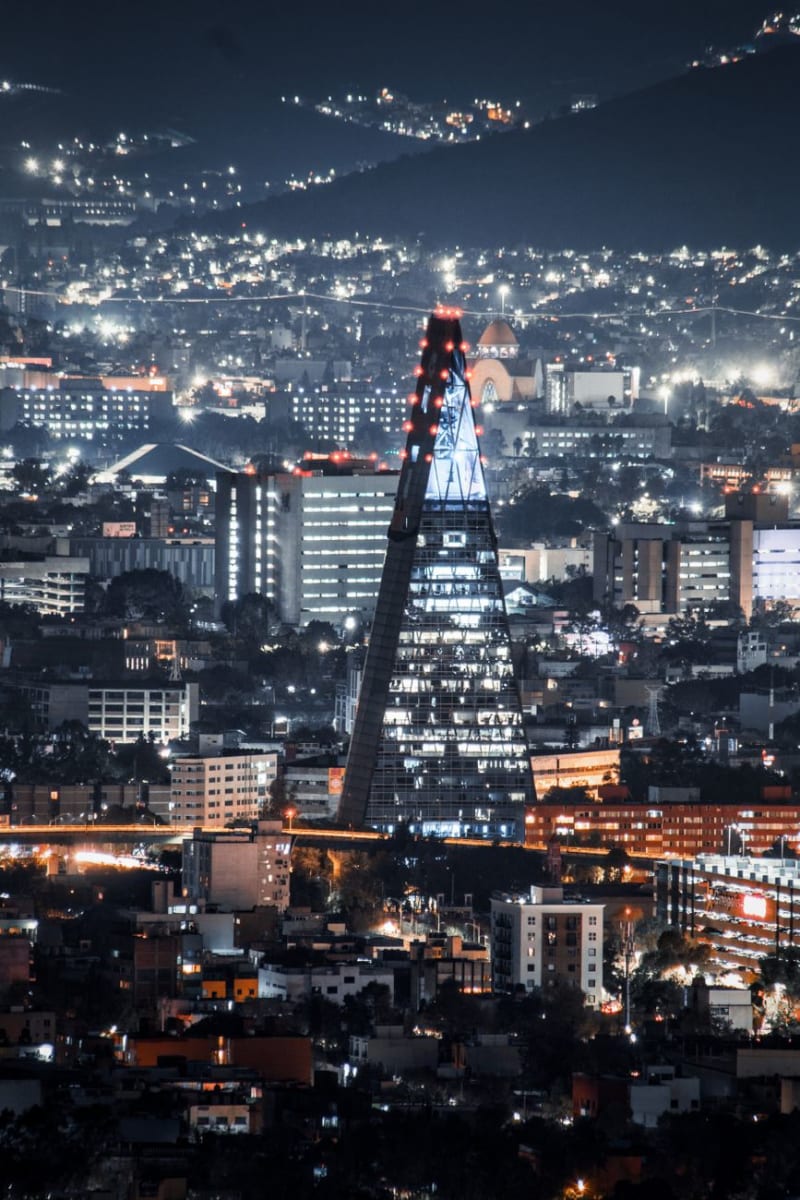 mexico
 Colima City
The calm, undervisited capital of Mexico's smallest mainland state, where a world-class collection of pre-Hispanic ceramics and the country's finest tejuino exist entirely in the shadow of the most active volcano in Mexico.
Explore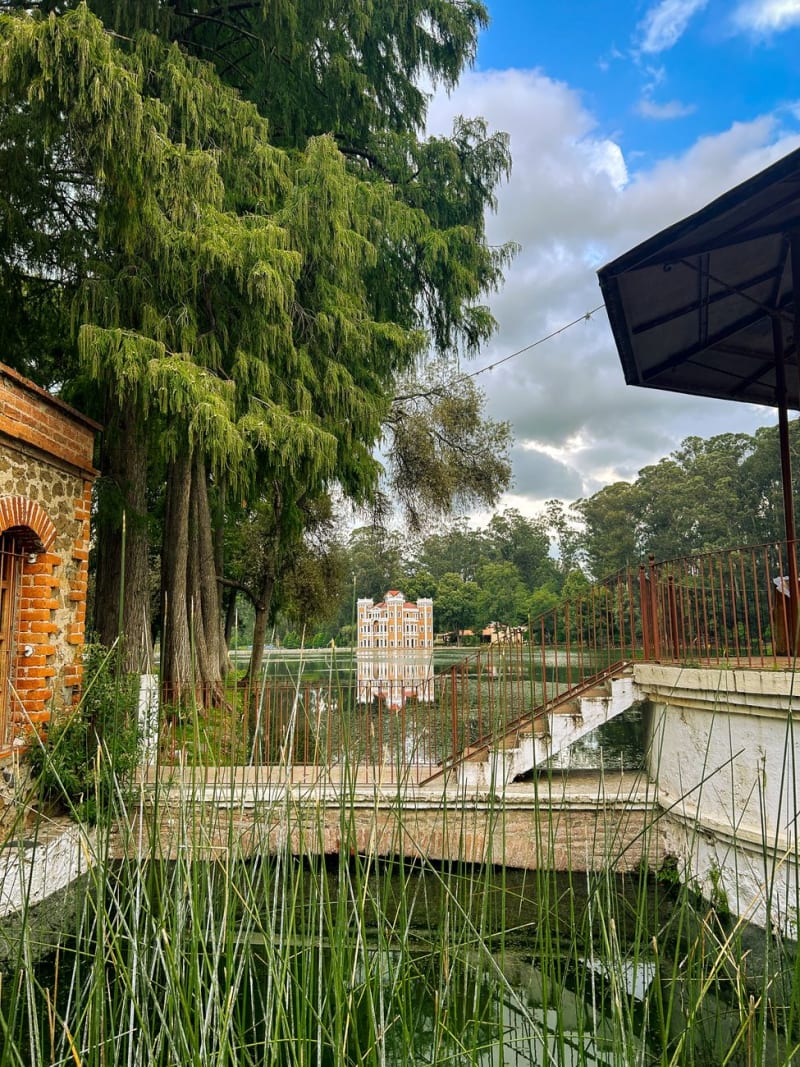 mexico
 El Chanal
El Chanal is a pre-Hispanic archaeological site on the outskirts of Colima City — close enough to reach on foot — where the Aztatlán culture built a ballcourt and ceremonial complex between 900 and 1200 CE, and buried their dead with the dog figurines that now sell in every Mexican folk art shop as reproductions. The originals were ritual objects. The site has a modest museum that explains this with clarity, almost no foreign visitors, and a guard who pointed out a feature I would have missed. I visited on a Wednesday afternoon and felt the specific satisfaction of a place that has not been organized for anyone's benefit but its own.
Explore