Sierra Mojada
"Ghost towns in Mexico are either sad or beautiful; Sierra Mojada managed to be both, with the desert keeping its own record of everything that happened here."
Sierra Mojada is a former silver, lead, and zinc mining town at 2,000 metres in the Coahuila desert, its 19th-century stone architecture still standing with quiet, unrestored dignity. Crystal caves a short drive into the sierra hold selenite formations that feel geological and impossible in the same breath. Come for the silence; the place earns it.

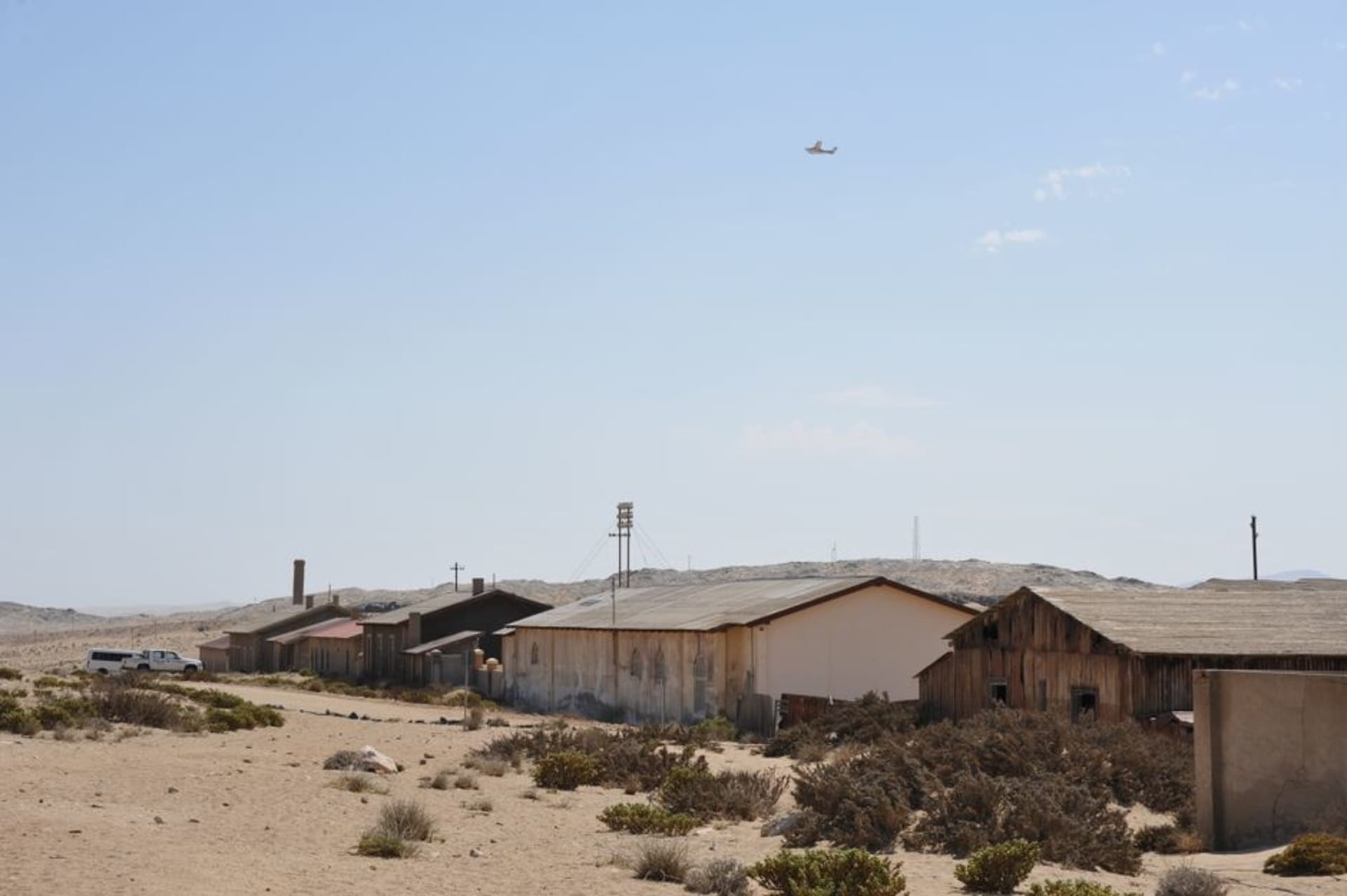
I took a shared taxi from Torreón that dropped me at the edge of Sierra Mojada with the particular finality of someone who has no intention of waiting. It was just past noon, the sun doing its Coahuila thing at 2,000 metres — bright enough to wash out colour, not quite warm enough to forgive the wind. The town revealed itself slowly: a church facade the colour of old bone, a row of stone commercial buildings that looked built for permanence and then abandoned mid-thought, the faintest smell of dust and mineral rust that I later learned is just what the air smells like here, always.
The Architecture of Abandonment
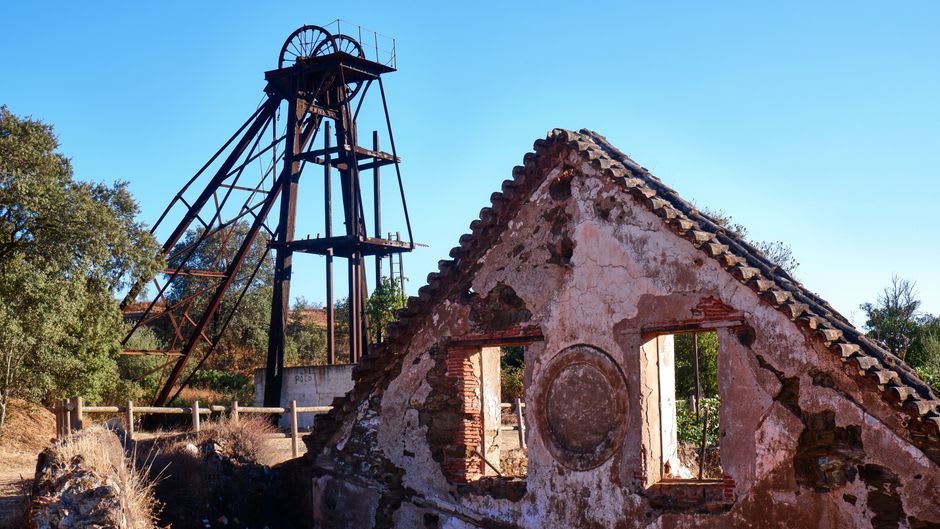
Mining towns in Mexico tend toward one of two outcomes: resuscitation as a Pueblo Mágico or slow collapse into atmospheric ruin. Sierra Mojada occupies a middle state that I found more honest than either. Silver, lead, and zinc came out of these mountains from the 1870s onward, and the town that grew around that extraction built in stone, with ambition — the Parroquia de Santa Rosa de Lima still holds Sunday Mass, the old casino has kept its facade if not its function, and the central plaza feels designed rather than improvised. What is missing is the noise. The commercial buildings along Calle Hidalgo have their original ironwork and their shuttered windows, and if you walk them in early morning you spend time trying to calculate what year feels most accurate. The mines shut down in stages through the 20th century as prices dropped and veins narrowed, which is why the town looks unfinished rather than destroyed. That distinction matters when you are standing in it.
Las Grutas de Cristal
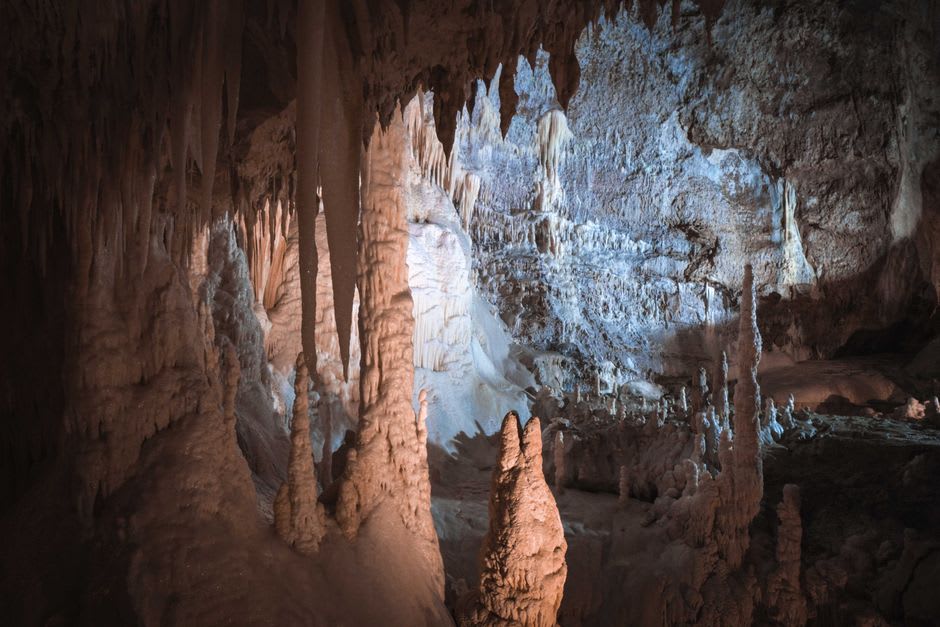
I was not expecting the caves to do what they did. I had seen photographs of selenite formations before — the kind that circulate in travel contexts alongside words I am not going to use — and I had adjusted my expectations downward accordingly. Then I was inside the Grutas de Cristal, roughly eight kilometres out of town toward the sierra, standing in a chamber where columns of translucent selenite grew at angles that had nothing to do with gravity as I understand it. Some of the formations reach two metres, pale as old teeth, completely still. The guide, a local man named Ernesto who had a flashlight and very few words, let me take my time. Weekend tours leave from the plaza; for a weekday visit, the palacio municipal can arrange a guide if you arrive before ten in the morning and are patient about it.

Where the Town Still Runs
The restaurant situation in Sierra Mojada is modest in the way that a nine-hundred-person town at altitude tends to be modest. I ate most of my meals at a comedor on Calle Morelos whose name I never caught but whose pozole rojo was straightforward and sufficient. The Hotel San Francisco on the plaza has rooms, hot water, and a proprietor who will recommend the caves without being asked — I arrived without a reservation on a Tuesday and had no problem. The Saturday market near the church brings vendors from surrounding ranchos with dried chiles, quelites, and occasional fresh cheese worth acquiring before it runs out. Late afternoon light on the stone facades turns everything briefly the colour of good wood, which is when Sierra Mojada looks least like a warning and most like a place someone was glad they stayed in.
Getting There
From Torreón, shared taxis and occasional direct buses run toward Cuatro Ciénegas; from there, arrange a connection to Sierra Mojada — roughly two and a half hours total depending on timing. The road climbs from the desert floor to 2,000 metres and is paved throughout. There is no formal bus terminal in Sierra Mojada; ask at the plaza for onward transport, and do not count on anything departing after four in the afternoon.
Keep exploring
More of Coahuila
Keep exploring
More from Coahuila
 mexico
 Cuatro Ciénegas
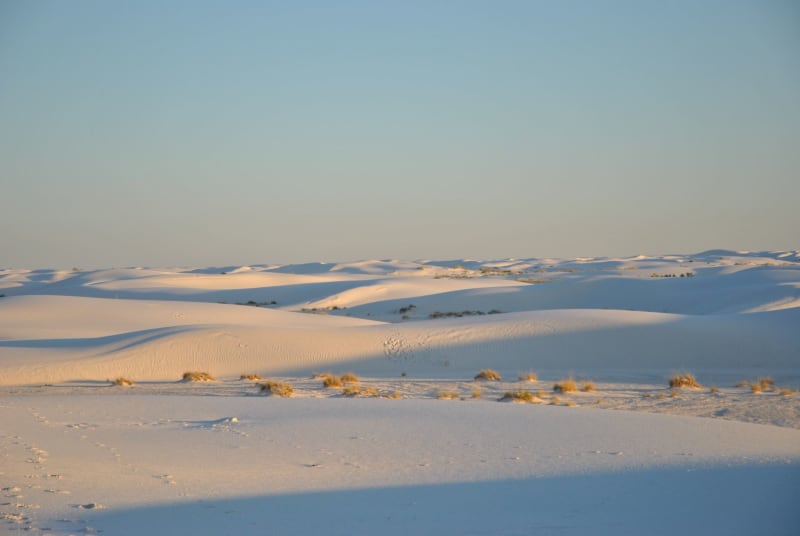
A Coahuila desert valley with more endemic species per square kilometer than the Galápagos — gypsum dunes, turquoise pools fed by ancient aquifers, stromatolites (living fossils that oxygenated Earth's atmosphere 3 billion years ago), and almost nobody.
Explore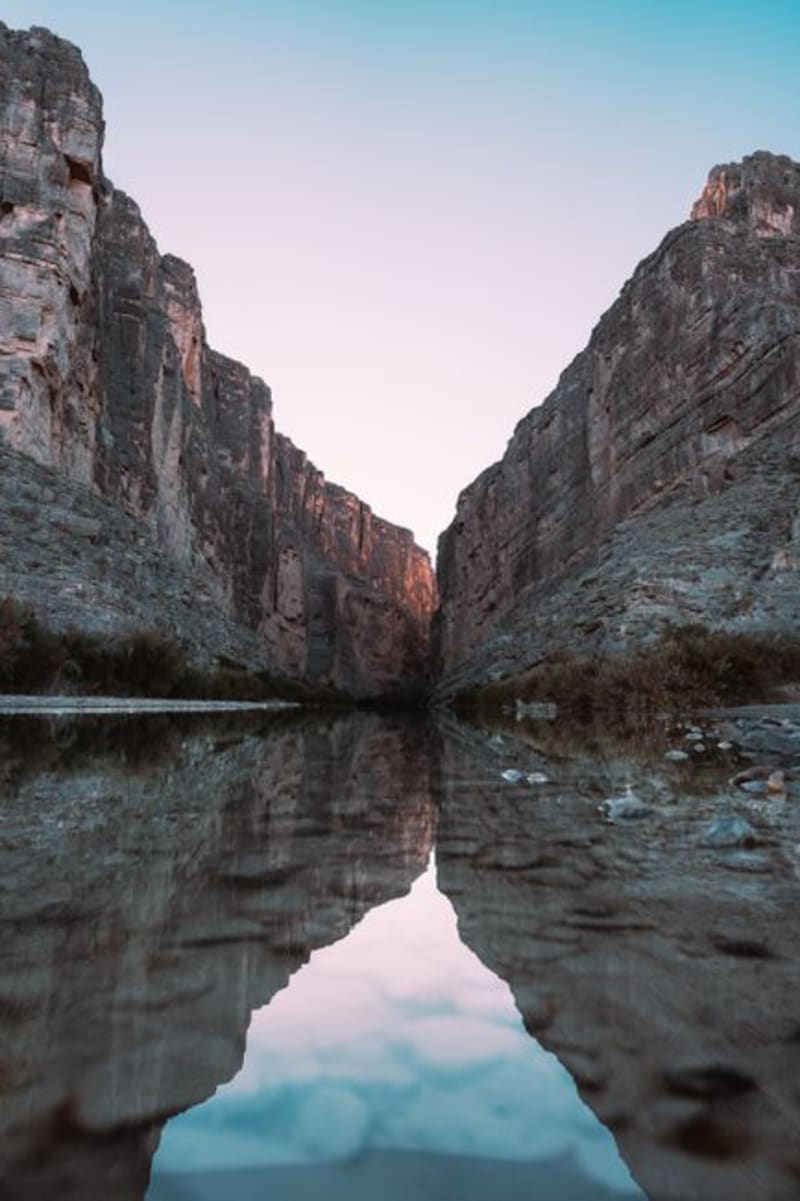 mexico
 Boquillas del Carmen
Boquillas del Carmen is a village of roughly 200 people at the far end of a dirt road through the Coahuila desert, and the smallest official border crossing between Mexico and the United States — one you make by wooden rowboat over the Rio Grande. Villagers sell handmade wire sculptures and embroidered goods on the American bank on an honor-payment system, and the Sierra del Carmen canyon walls cut off afternoon sunlight by three o'clock.
Explore mexico
 Torreón
The Laguna region's industrial capital keeps its best qualities quietly — a covered market that rivals any in the north, a centro histórico stacked with early-20th-century ambition in concrete and tile, and vineyards close enough for a half-day escape. Most people pass through on the way to somewhere else. That's the mistake.
Explore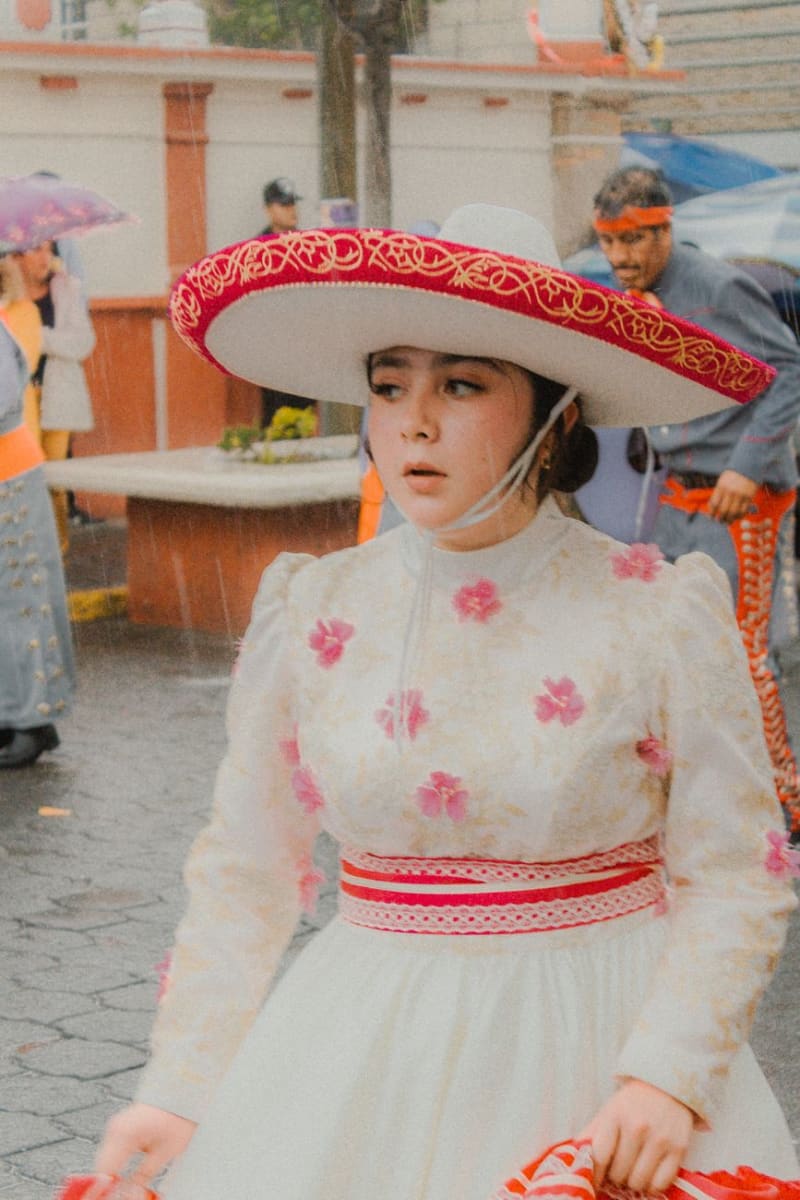 mexico
 Múzquiz
Múzquiz is a coal mining town in northern Coahuila near the Chihuahua border whose surrounding desert landscape starts to look like West Texas in the specific way that borders make territories resemble each other. The Kickapoo — originally Great Plains people who migrated south to Mexico in the nineteenth century — have a reserve near the town of El Nacimiento, and at the Nacimientos del Río San Antonio hot springs rise from the desert floor into natural pools in a limestone canyon. I visited the springs in winter, when the steam rises from the water against the cold desert air, and there was almost no one there.
Explore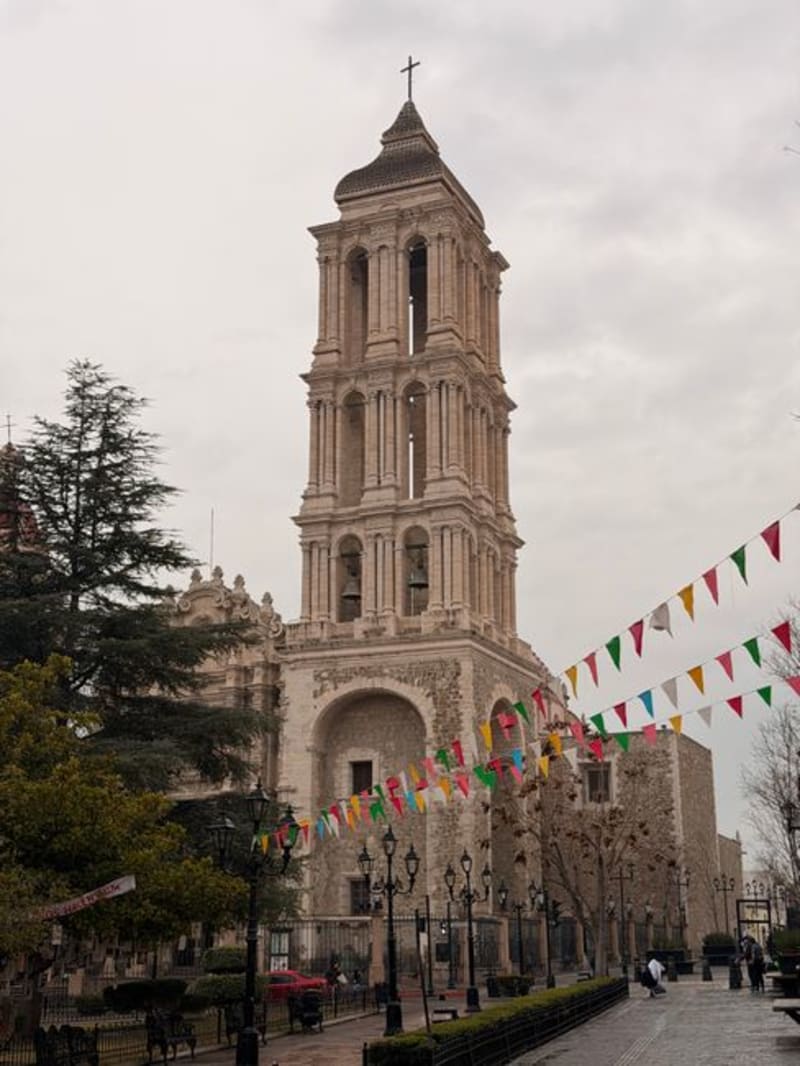 mexico
 Muzquiz
Deep in northern Coahuila, Muzquiz is the traditional homeland of the Kikapoo people and the gateway to the Sierra del Burro — a semi-desert landscape of extraordinary silence that almost no one visits. Coal country on the surface, something far older underneath.
Explore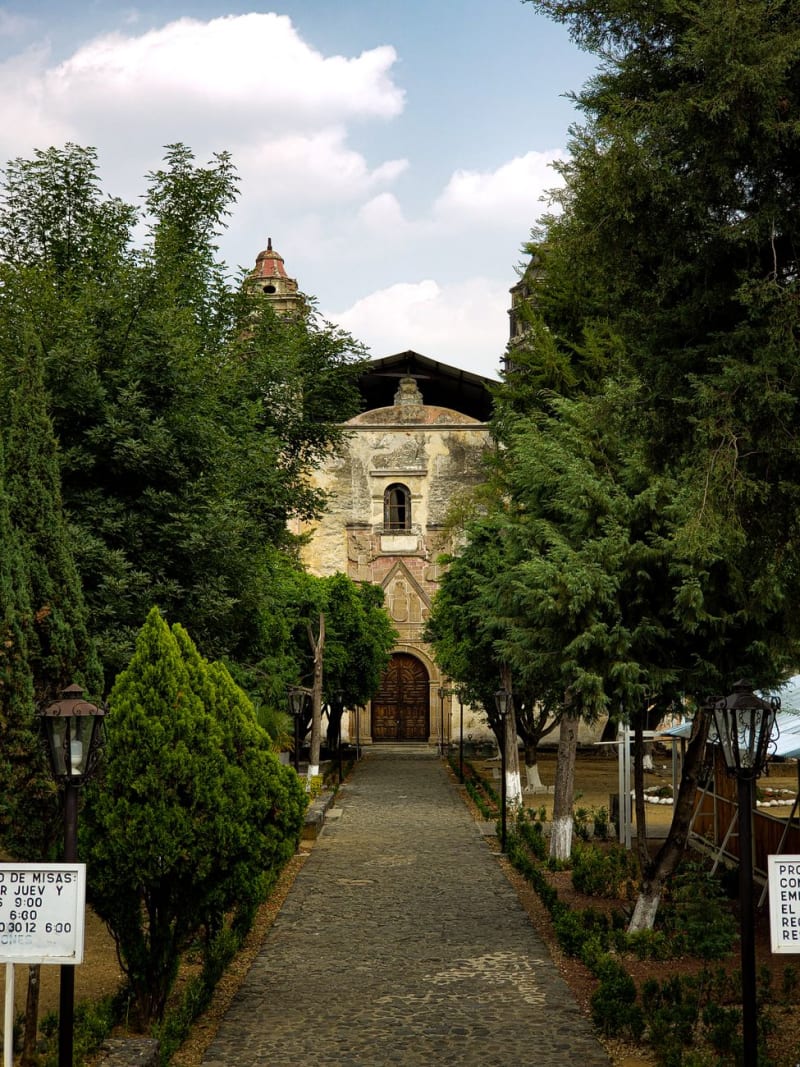 mexico
 Viesca
Viesca is a semi-ghost town in the Coahuilan desert, a hundred and fifty kilometers west of Torreón, where the water table dropped in the twentieth century, the salt industry declined, and perhaps a third of the original buildings were abandoned in place — their walls still standing, roofless, with desert scrub growing through the floors. The remaining residents, a few hundred of them, carry on with an active plaza and a school with children in it, and the abandoned buildings press directly against the occupied ones in a way that concentrates the mind considerably.
Explore