Europe
Malta
"Every stone here has been claimed by someone — and then taken back."
A sun-scorched limestone archipelago where Baroque churches outnumber cafés and three thousand years of invasion have compressed into one improbably small island.
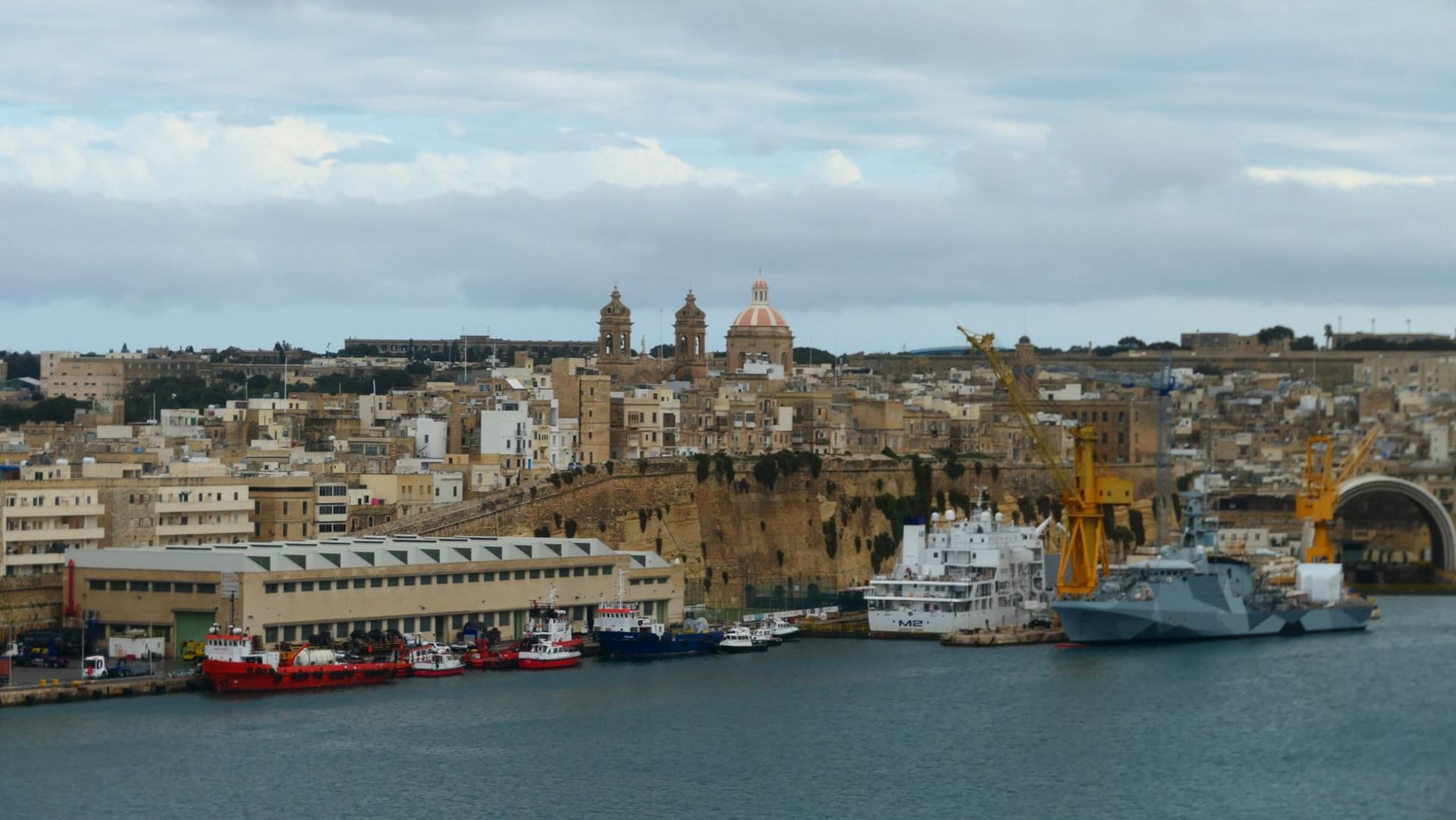
I arrived by ferry from Sicily at dawn, and the first thing I saw was a wall. Not a quaint garden wall — a fortified rampart thirty metres high, honey-gold limestone catching the early light, bristling with cannon embrasures that haven’t fired in centuries. Valletta rose straight out of the sea like a stage set someone forgot to strike. I’d read about Malta plenty of times. Nothing prepares you for the sheer vertical density of it.
What nobody tells you is how small the whole thing is. You can drive across the island in forty minutes, yet somehow it contains: the Knights of Saint John, the British Empire, the Phoenicians, the Arabs, the Normans, and a megalithic temple culture that predates Stonehenge. That compression gives Malta a strange intensity — history doesn’t feel distant here, it feels geological, layered under your feet. I spent an afternoon at Ħaġar Qim, the Neolithic temples on the southern cliffs, in near-complete solitude. The wind off the Mediterranean was absurd, and I kept thinking: people built this in 3600 BC and nobody knows who they were or what language they spoke. That kind of mystery ages well.
The food took me by surprise in the best way. Ftira — the local flatbread stuffed with tuna, capers, sun-dried tomatoes, and ricotta — became a daily habit I’m not embarrassed about. Pastizzi, the flaky ricotta or mushy-pea pastries sold from tiny kiosks for fifty cents, are honest fast food in a way that no artisan sourdough situation ever quite manages. I ate them at six in the morning in a bar in Valletta with elderly Maltese men watching football highlights, and I felt briefly and completely at ease somewhere I had no business feeling at ease.
When to go: April through June, or October. The island bakes mercilessly from July through September — crowds, heat, and prices peak together. Spring gives you wildflowers on the clifftops and comfortable temperatures for walking Valletta’s stepped streets without arriving everywhere soaked. October empties out fast and the light turns extraordinary.
What most guides get wrong: They sell Malta as a short city-break destination — fly in, do Valletta, fly out. That misses the point entirely. The south of the island — Marsaxlokk with its painted luzzu fishing boats, the cliffs at Dingli, the silent streets of Mdina at seven in the morning before the tour coaches arrive — is where Malta actually lives. Gozo, the smaller sister island a twenty-minute ferry away, operates at a completely different pace: quieter, greener after rain, with the ruined Azure Window replaced by something better, which is the reality that beauty is always temporary. Give it four or five days minimum, and resist the temptation to cross off sights. The best hours here are the slow ones.
Explore
Places in Malta
 malta
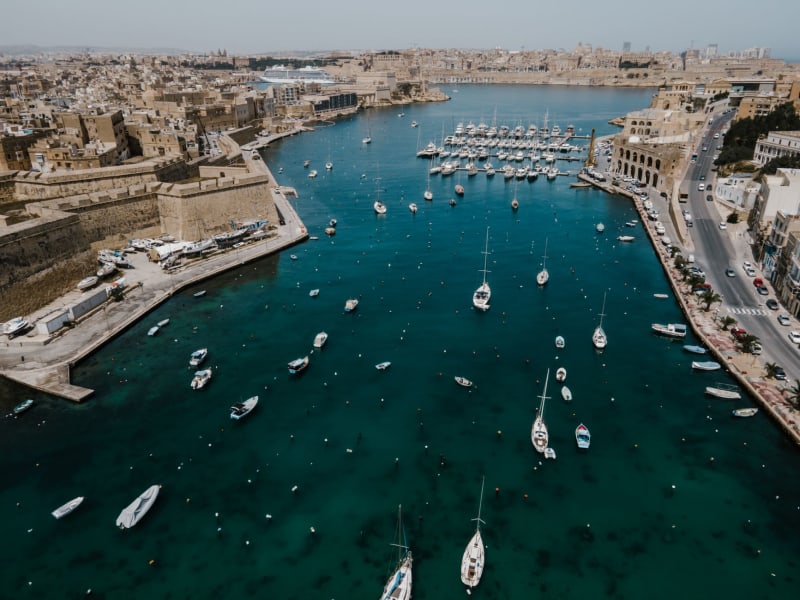
malta Birgu
Older than Valletta and half as visited, Birgu sits across the Grand Harbour wearing its Knights-era fort walls like a coat that still fits perfectly.
Explore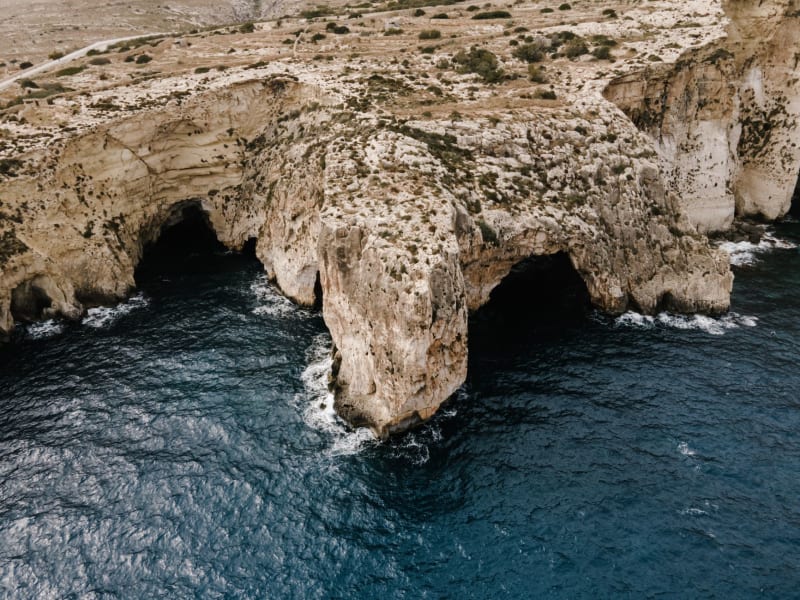 malta
malta Blue Grotto
A cluster of sea caves on Malta's southwest coast where the water turns a color that sits somewhere between turquoise and hallucination.
Explore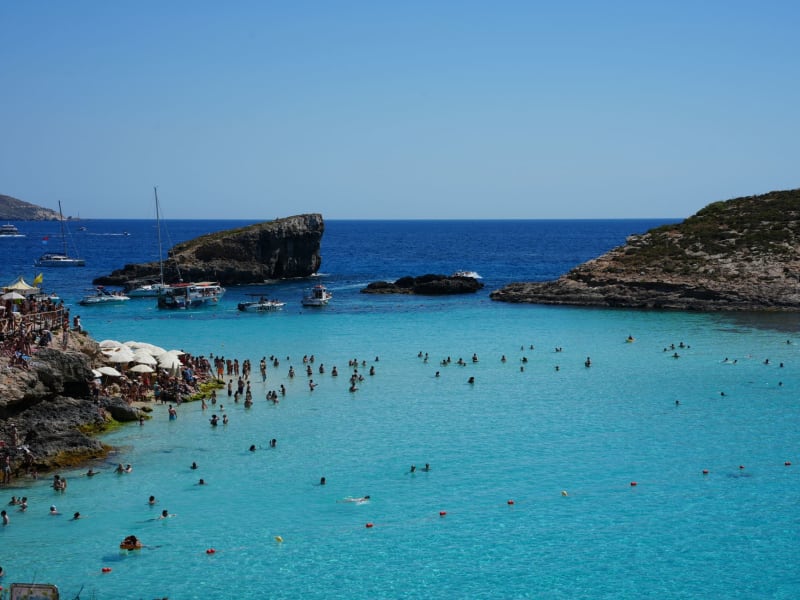 malta
malta Comino
A three-kilometer island with fewer than ten permanent residents, no cars, and a lagoon so blue it looks like someone has been tinting the water since the Phoenicians.
Explore malta
malta Dingli Cliffs
The highest point in Malta: 250 meters of sheer limestone dropping into open Mediterranean with no railing, no signage, and a silence that doesn't feel like absence.
Explore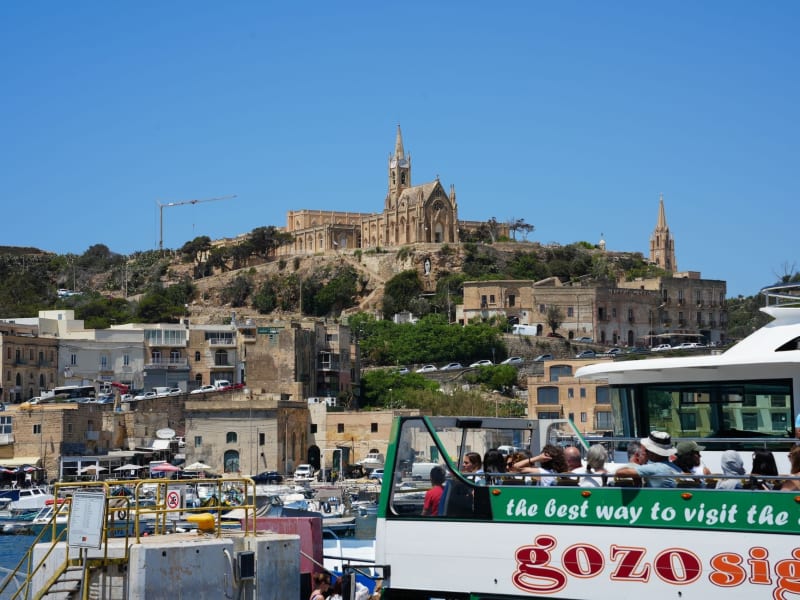 malta
malta Gozo
Malta's sister island moves at a slower pace, offering citadel views, salt pans, and sea caves in an island the size of a weekend.
Explore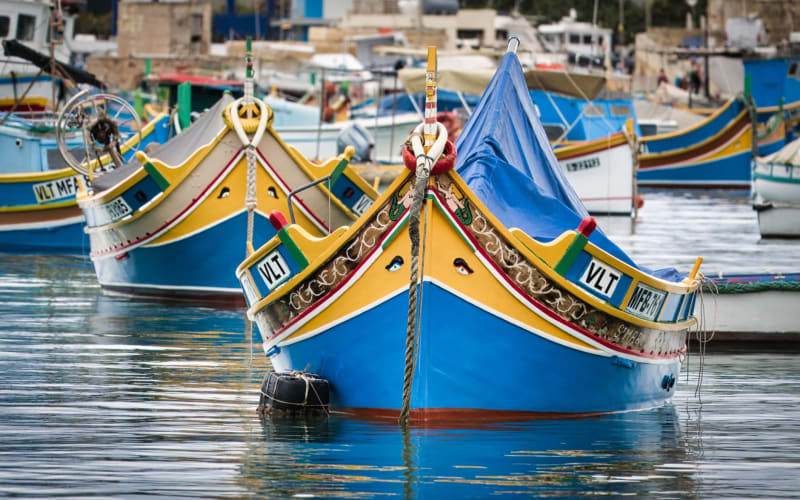 malta
malta Marsaxlokk
A fishing village where luzzus bob in eye-of-osiris rows and the Sunday market sells swordfish steaks as thick as your forearm.
Explore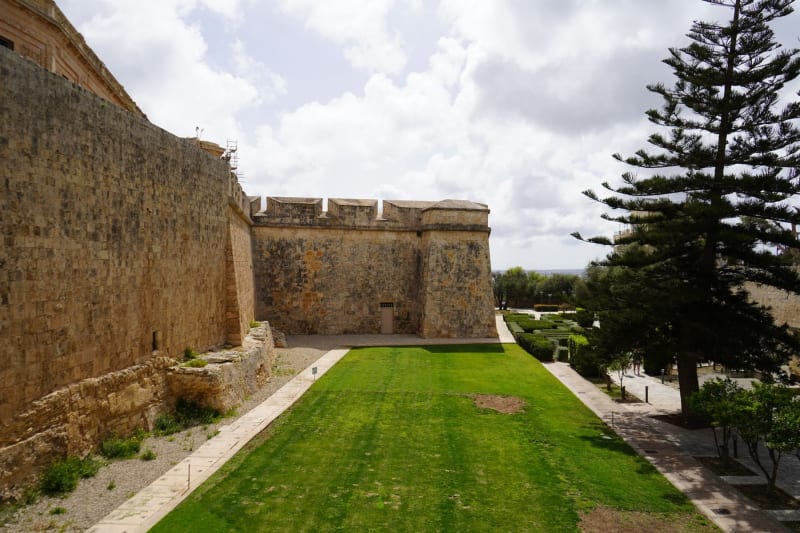 malta
malta Mdina
The Silent City — a walled medieval hilltop fortress where cars are forbidden, and you walk through narrow limestone lanes into pure antiquity.
Explore malta
malta Mellieha
The north end of Malta where the island tapers toward Gozo and the country's only proper sandy beach spreads wide enough to actually lose yourself on it.
Explore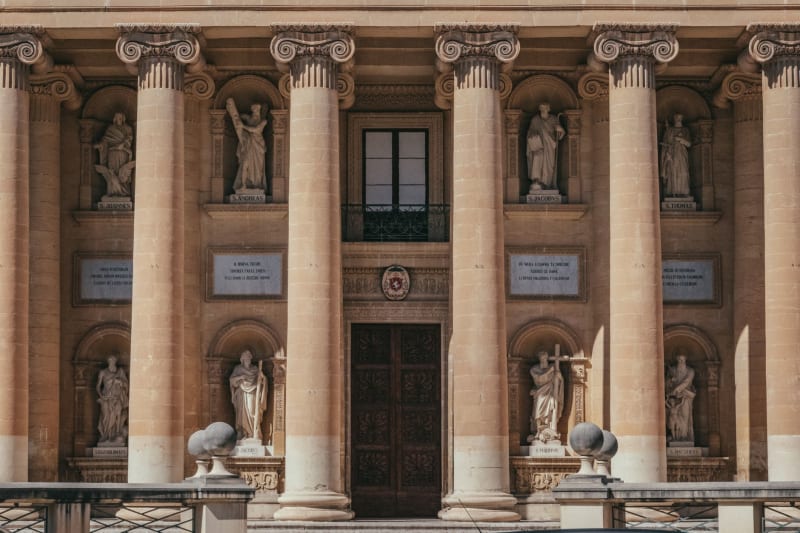 malta
malta Mosta
A workaday Maltese town crowned by one of the largest unsupported domes on earth — and the unexploded bomb that fell through it and changed nothing.
Explore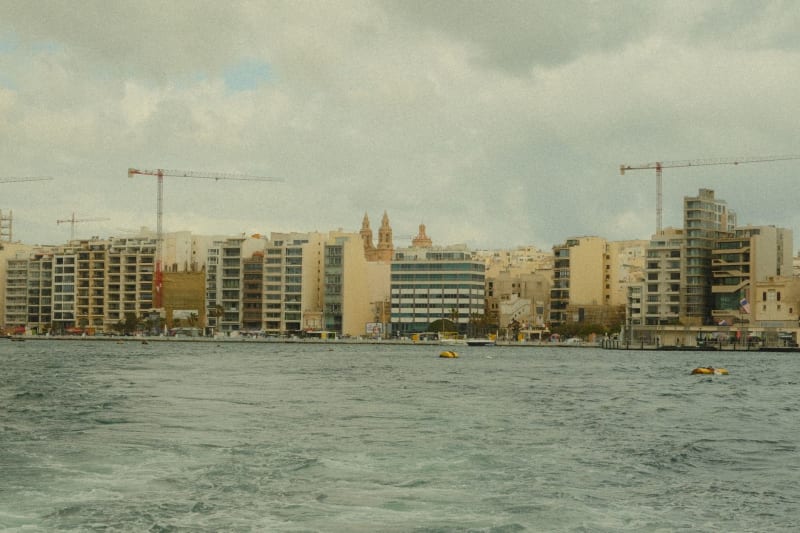 malta
malta Sliema
The seafront promenade across the bay from Valletta, where Maltese families walk at dusk and the ferry crosses every half hour between two different centuries.
Explore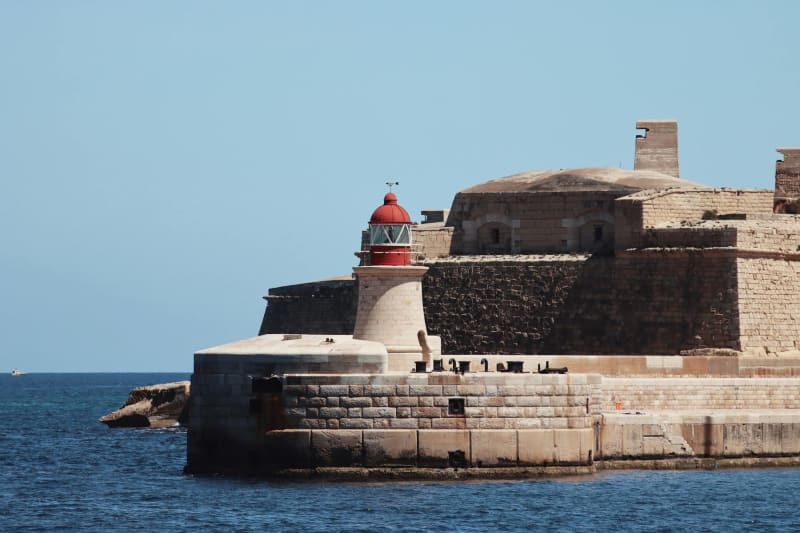 malta
malta Valletta
Europe's smallest capital packs an extraordinary density of baroque palaces, Caravaggio paintings, and honey-gold limestone onto a fortified peninsula.
Explore