Kasama
"The shrine felt ancient, but it was the clay under our feet that had actually been there longest."
A pottery and pilgrimage town ninety minutes from Tokyo, home to one of Japan's three great Inari shrines and a ceramics tradition, Kasama-yaki, that's been fed by the region's iron-rich clay since the 1770s.

Lia found Kasama the way she finds most of our better detours — by falling down a rabbit hole of ceramics photos online and refusing to leave it. She’s collected small pottery pieces from almost every region we’ve visited, and when she learned there was a whole town built around both a major shrine and a centuries-old kiln tradition, ninety minutes from Tokyo, there wasn’t much discussion about whether we were going.
Kasama Inari Shrine
Kasama Inari Shrine dates back to the 7th century and is counted among Japan’s three great Inari shrines, alongside the far more famous Fushimi Inari in Kyoto, though it draws its own millions of visitors a year without ever feeling as overwhelmed as its southern counterpart. We arrived on an ordinary weekday and had long stretches of the grounds nearly to ourselves, walking past rows of fox statues — Inari’s traditional messengers — toward the main hall. The shrine’s real showpiece, though, is its wisteria trellis, centuries old and enormous, supported on a wooden frame that must stretch fifty meters across; we’d timed it slightly early for full bloom, but even the first cascading purple clusters were enough to make Lia stop and just look up for a long minute.

The Clay That Built a Craft
Kasama’s other identity comes from the ground itself: iron-rich clay in the surrounding hills that’s supported a pottery tradition, Kasama-yaki, since the 1770s, originally producing simple, sturdy vessels sold to the very pilgrims visiting the Inari shrine. We spent an afternoon in the Kasama Pottery District, a scattered collection of studios and galleries where the historical style — thick-walled, earthy, unglazed in places — sits alongside strikingly modern work from a new generation of ceramicists who’ve moved here specifically for the clay and the community. Lia talked a young potter’s ear off about glaze techniques while I quietly bought a set of cups I had no real plan for packing home.

An Afternoon at the Wheel
On a recommendation from one of the studios we’d visited, we booked a short hands-on pottery session at a workshop just outside the main district, the kind of place clearly built for visitors but run by people who took the craft seriously regardless. My bowl came out lopsided in a way the instructor was too polite to comment on; Lia’s came out genuinely good, centered and thin-walled, which she has not let me forget since. We left our pieces to be fired and shipped weeks later, and unwrapping them back home, misshapen and all, brought back the whole afternoon more vividly than most souvenirs manage.

Getting There
Kasama Station sits on the JR Mito Line, reachable from Tokyo in about ninety minutes with a transfer, most commonly via Tomobe or Mito depending on your route. The shrine sits an easy walk from the station, while the pottery district is spread out a bit further, so renting a bicycle or taking one of the local loop buses makes exploring the studios far less tiring than walking between them all. It works comfortably as a day trip from Tokyo, though a slower overnight stay leaves more room for an actual pottery session rather than just browsing the shops.
Keep exploring
More of Kantō
Keep exploring
More from Kantō
 japan
japan Katsuura
A weather-softened fishing town on the Pacific side of Chiba, home to one of Japan's three oldest morning markets, going strong for more than four centuries. Grandmothers selling seaweed off blue tarps, a coastline of tide pools, and tuna hauled in fresh enough to shame the city. Slow, salt-stained, and utterly unbothered by trends.
Explore japan
japan Kawagoe
A Saitama town that kept its Edo-era face when Tokyo lost its own — a street of black clay-walled warehouses, a wooden bell tower that still marks the hours, and an alley that smells of burnt sugar. The easiest half-day escape from the capital I know.
Explore japan
japan Kinugawa Onsen
A Tochigi gorge hot-spring resort strung along a jade-green river, an easy detour from the temples of Nikko. Kinugawa is a place of grand riverside bathhouses, a wooden pleasure-boat drifting between cliffs, and — endearingly — a faint air of faded bubble-era glory. We came to soak, and found the melancholy oddly beautiful.
Explore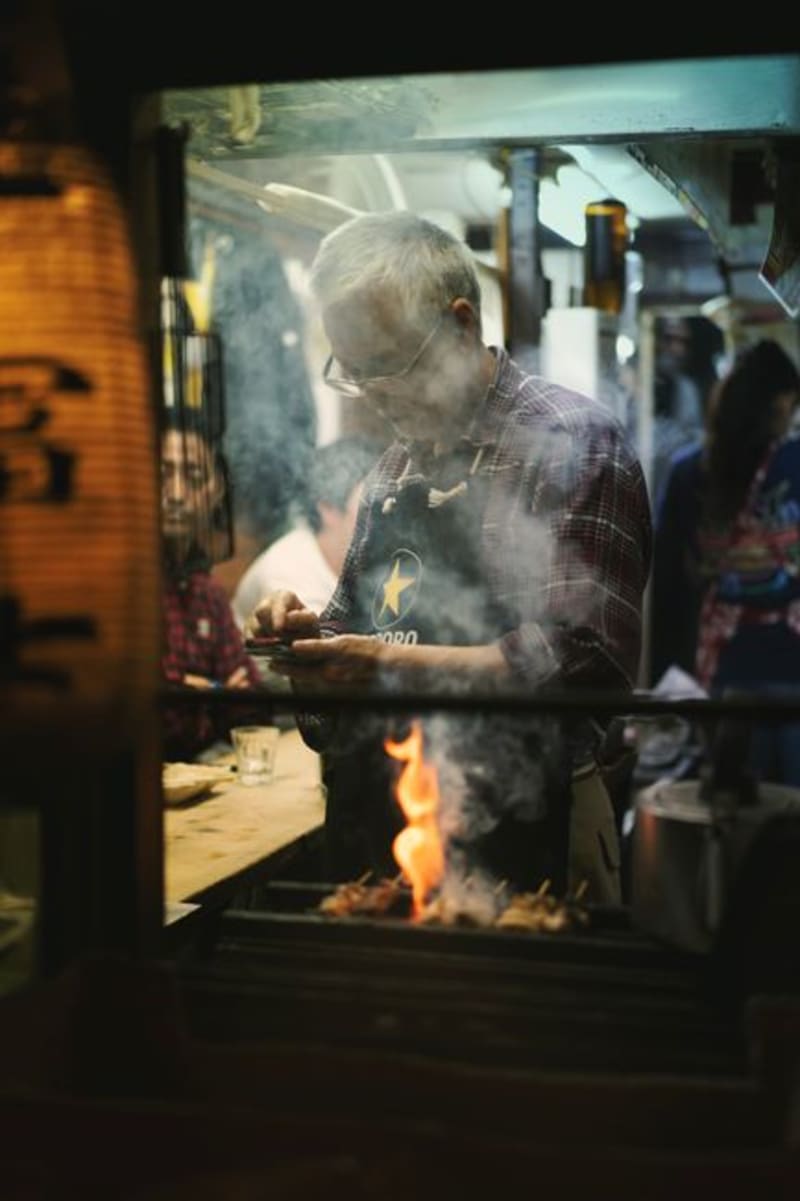 japan
japan Kusatsu Onsen
A hot-spring town high in the Gunma mountains, built around a steaming field of scalding water that pours through the middle of the streets. Sulphur in the air, snow on the roofs, and women singing as they cool the water by hand with wooden paddles.
Explore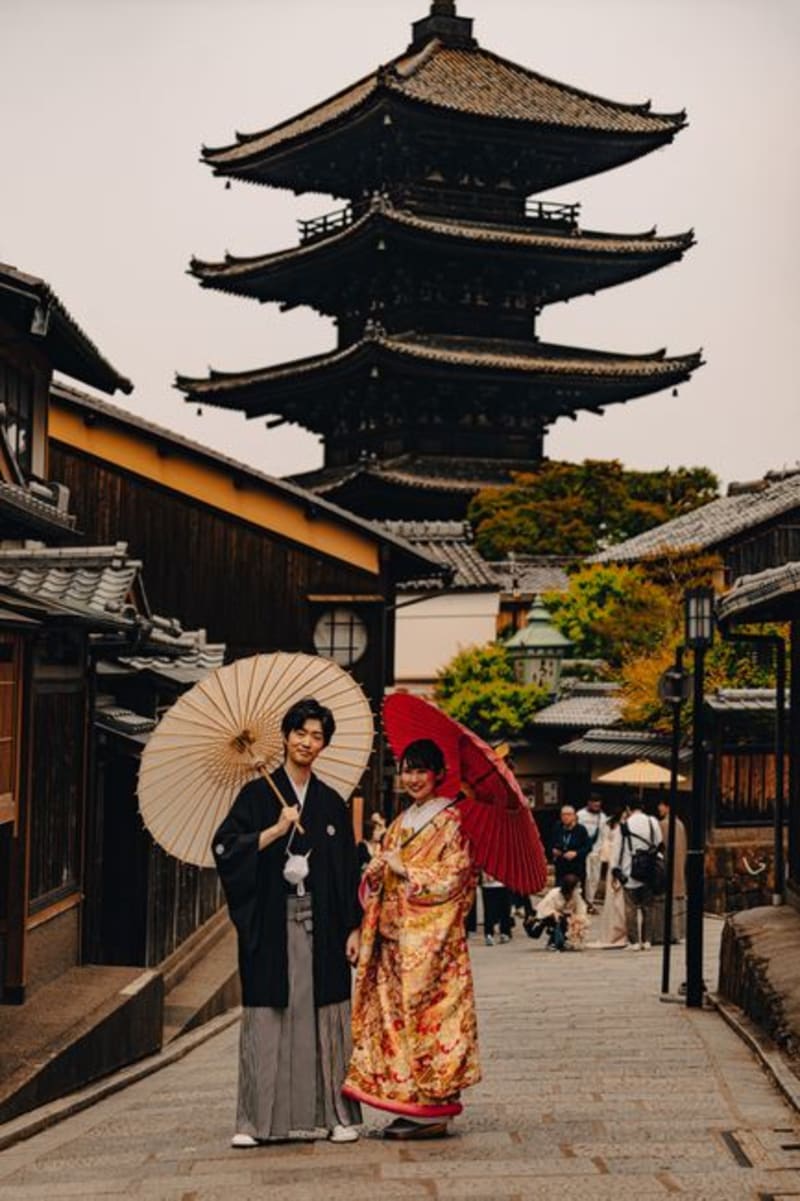 japan
japan Manazuru
A crane-shaped peninsula on the Kanagawa coast, eighty minutes from Tokyo, still run by stonecutters and fishing boats rather than resort infrastructure, with three jagged rocks at its tip reachable only at low tide.
Explore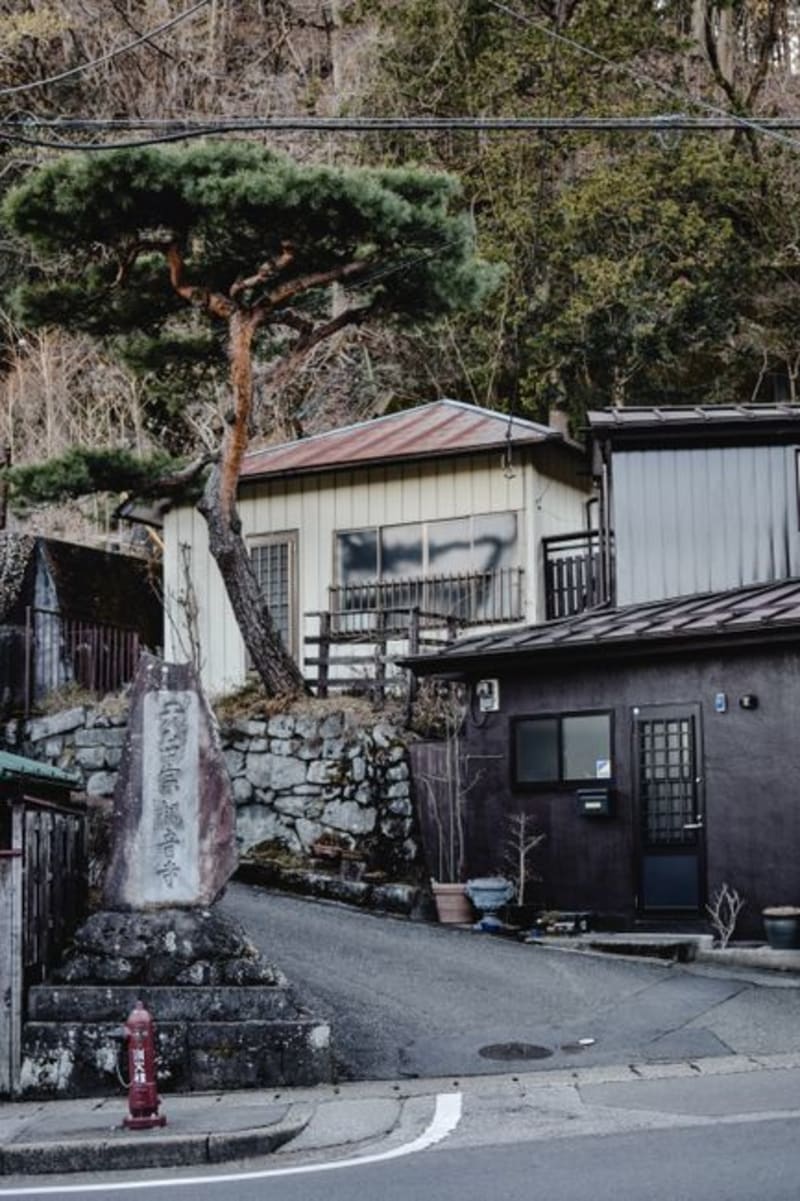 japan
japan Mashiko
A Tochigi pottery town where the clay is coarse, the glazes are earthy, and beauty is supposed to come from use. Home of the mingei folk-craft movement and Shoji Hamada's kilns, Mashiko fills twice a year with a sprawling pottery fair. It taught us to buy the cup with the thumbprint still in it.
Explore