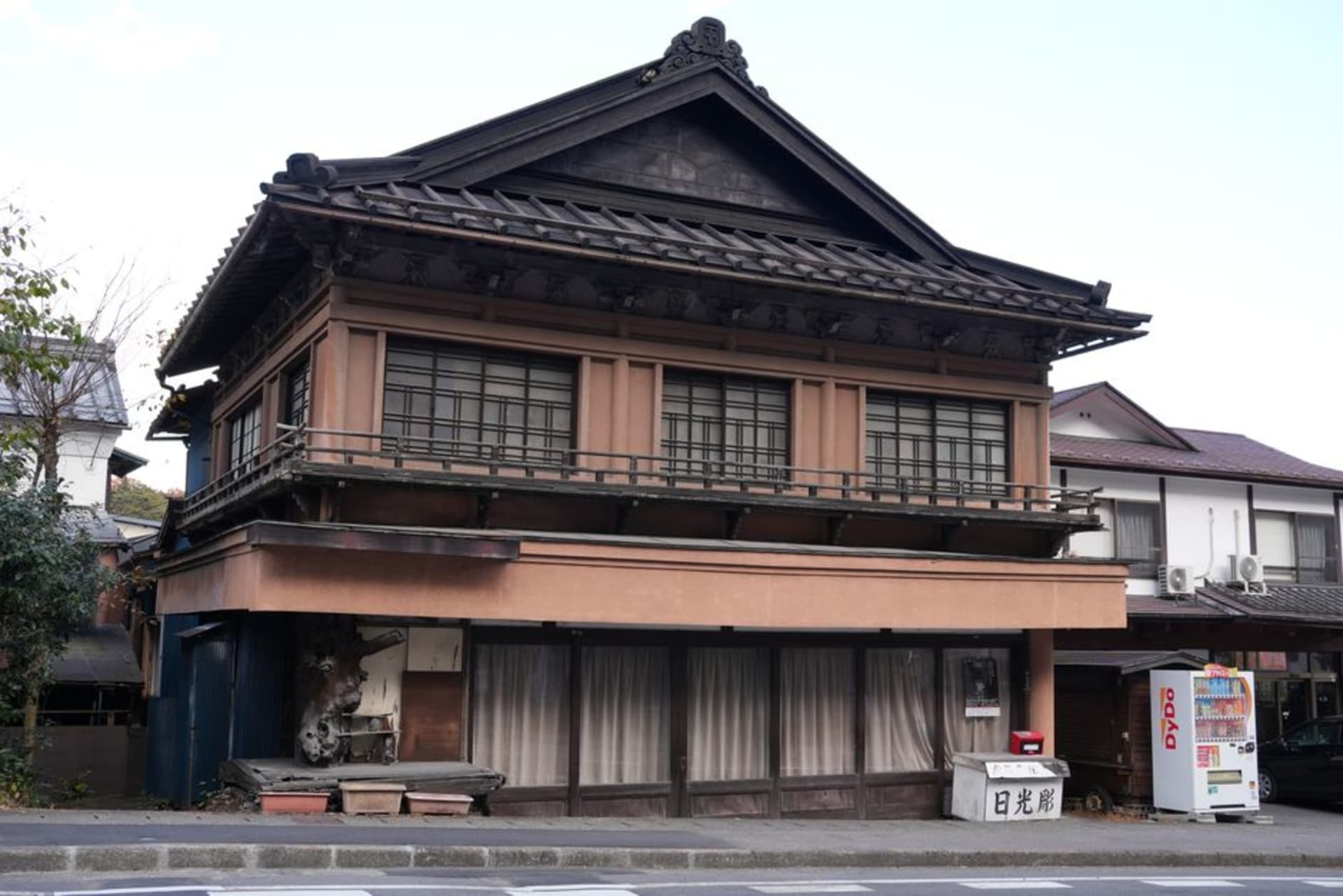
A working squid-fishing port whose night skyline glows from the fishing fleet, and a stronghold of all-night Iwami Kagura dance-theater, home also to western Honshu's largest aquarium and its signature beluga whale show.

We arrived in Hamada in the early evening, tired from a long day of San’in trains, and the first thing that struck either of us was the harbor itself — lit up in a way that seemed almost theatrical, dozens of boats strung with bright lures glowing out on the dark water, part of the squid-fishing fleet that gives this port its living. Lia stood at the railing for a long time just watching the lights shift as boats moved, and I remember thinking that a working fishing town had somehow produced one of the most beautiful nighttime views of the whole trip, entirely by accident.
A Harbor Lit for Squid
Hamada’s squid fishery still uses banks of bright lights on its boats to lure the catch up toward the surface at night, a technique that turns an ordinary evening into something genuinely striking from shore — the harbor and the water beyond it scattered with clusters of white-gold light, moving slowly against the dark. We asked a local fisherman mending nets near the dock about it, and he explained the process with the patient, slightly bemused tone of someone describing his daily job to visitors who found it magical. For him it was just squid season. For us, watching the lights multiply as more boats headed out after dusk, it felt like watching a small constellation assemble itself on the water.

Dance That Lasts Until Dawn
Hamada is also one of the strongholds of Iwami Kagura, a tradition of sacred dance-theater performed at local shrines through the summer and into autumn, often continuing through the entire night rather than as a brief staged show. We were lucky enough to catch part of a performance at a shrine on the edge of town, dancers in elaborate, brightly colored costumes acting out mythological stories to driving drum and flute music, the crowd a mix of elderly locals who clearly knew every beat of the story and a few wide-eyed visitors like us. We didn’t last until dawn, but even the few hours we stayed left an impression of something far more physically demanding and theatrically bold than the word “traditional dance” usually implies.

Whales in Western Honshu
By day, Hamada’s other claim is the Shimane Aquarium Aquas, the largest aquarium in western Honshu, and its signature beluga whale show, which draws families from across the region. We went mostly out of curiosity and ended up staying far longer than planned, watching the belugas move with an odd, unhurried grace through their tank, along with thousands of other marine animals across the aquarium’s halls. Lia, who usually finds aquariums a little sad, admitted this one felt more spacious and well cared for than most she’d seen, and we left feeling like Hamada had managed, within a single day, to show us both an ancient dance tradition and a beluga whale, which is not a combination either of us expected going in.

Getting There
Hamada is served directly by Hamada Station on the JR San’in Line, making it straightforward to reach from other coastal towns in the region by train. The harbor and squid-boat viewing spots are within walking distance of the station, while the Shimane Aquarium Aquas sits a bus or short taxi ride away along the coast. Iwami Kagura performances are seasonal and tied to specific shrine schedules, so it’s worth checking locally or with your accommodation for dates before you arrive if seeing one is a priority.
Keep exploring
More of Chūgoku
Keep exploring
More from Chūgoku
 japan
japan Hiroshima
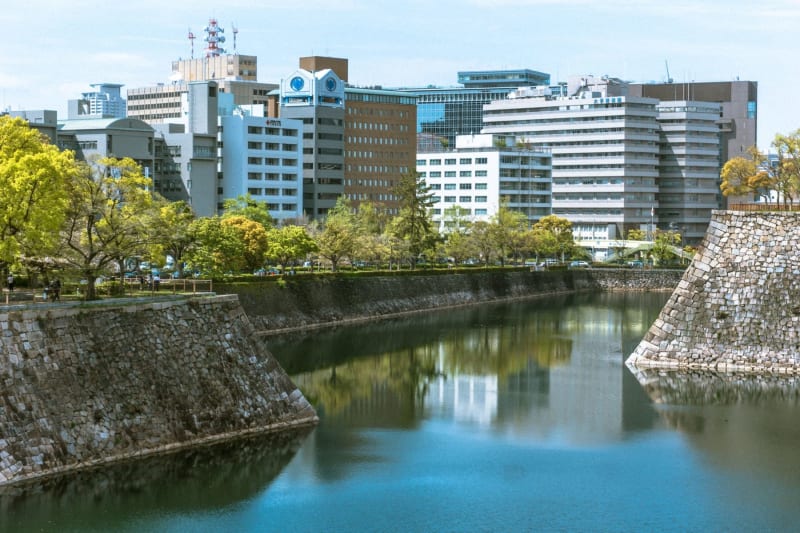
A city reborn from tragedy, where the Peace Memorial Park stands beside a thriving modern metropolis.
Explore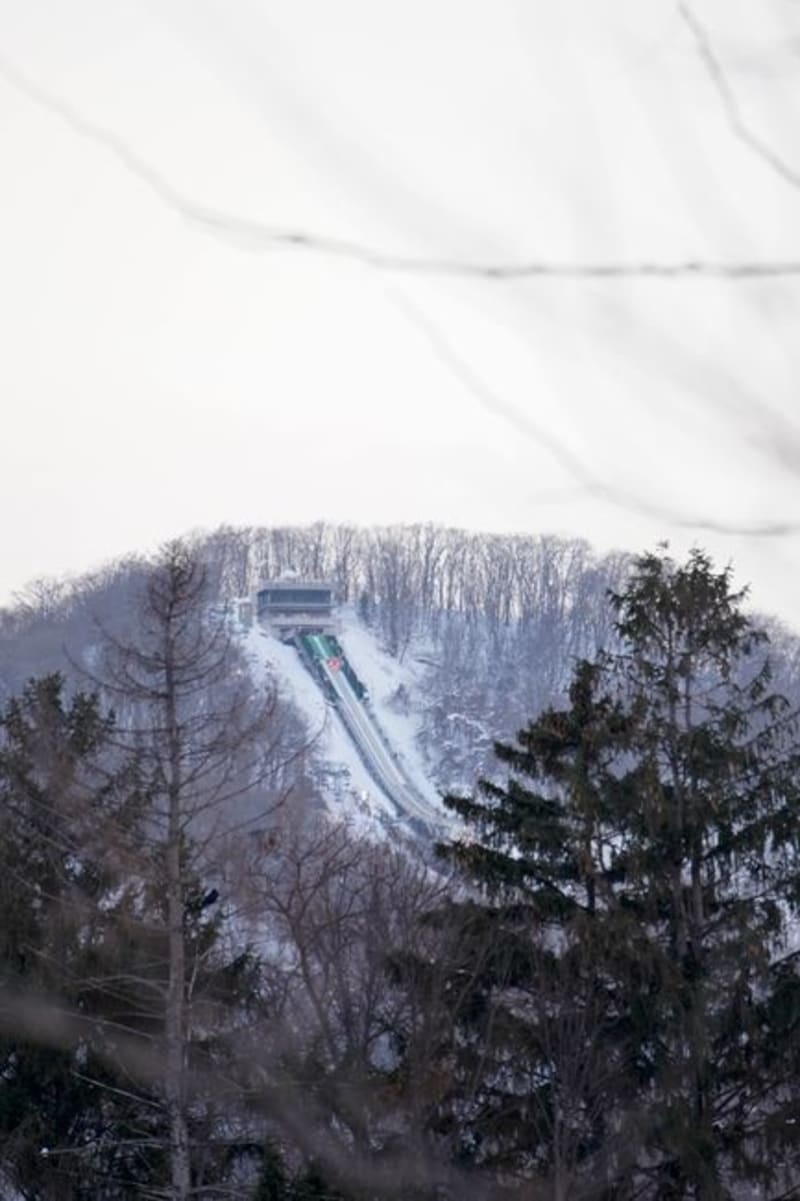 japan
japan Hiruzen Kogen
A high plateau on the edge of Daisen-Oki National Park where one of Japan's largest Jersey cattle herds grazes semi-freely, meaning the local specialty is Jersey-milk soft-serve and cheese instead of the usual Holstein dairy.
Explore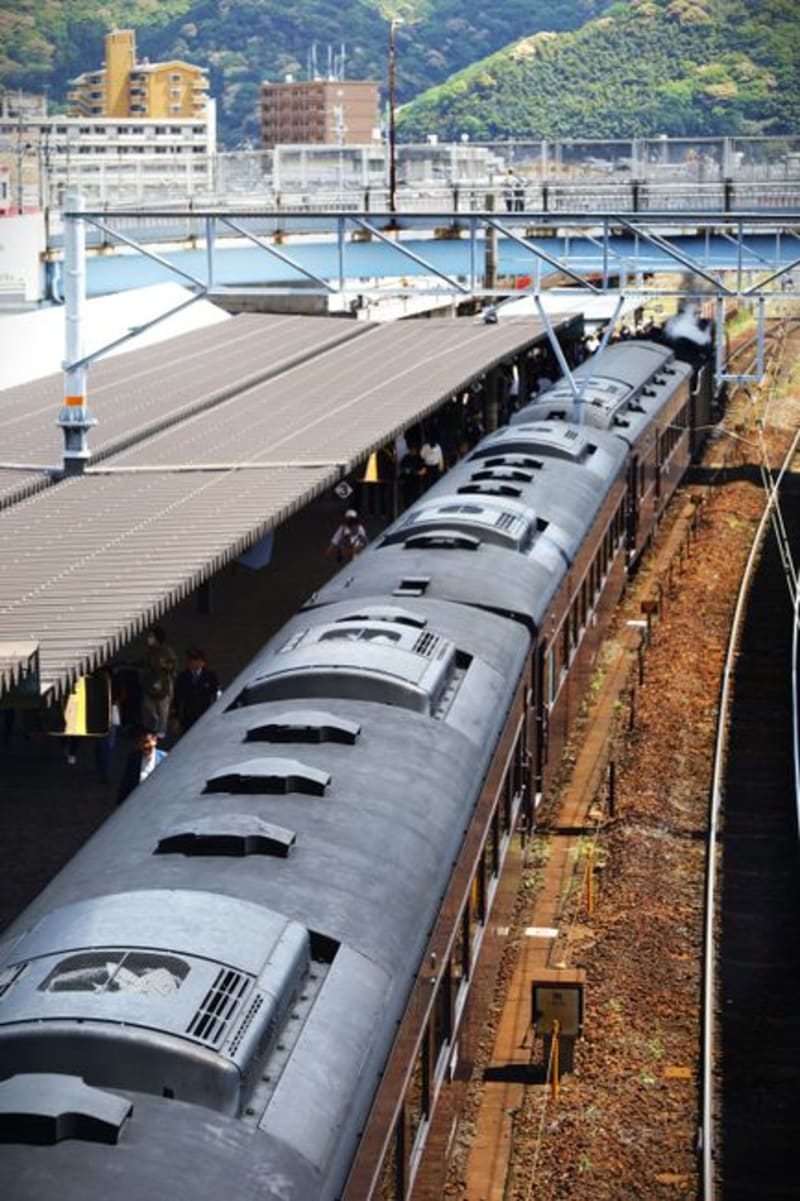 japan
japan Hofu
A modest Yamaguchi town that carries an outsized piece of history: the Hofu Tenmangu, said to be the very first shrine in Japan dedicated to Sugawara no Michizane, the scholar-god of learning. Add a serene old merchant garden and streets that feel unhurried to the point of drowsy, and Hofu becomes the kind of place travellers rush past and shouldn't. We nearly did. I'm glad we didn't.
Explore japan
japan Innoshima
A Shimanami Kaido island where a castle-shaped museum tells the story of the Murakami Kaizoku, Seto Inland Sea toll-collectors and shipping escorts more often mislabeled as pirates, and cyclists pause between bridges.
Explore japan
japan Iwaishima
A tiny fishing island that fought a proposed nuclear plant for decades by reviving its once-every-four-years Kanmai sacred dance, over a thousand years old, after the ritual nearly collapsed when it was canceled in the 1980s.
Explore japan
japan Iwakuni
A Yamaguchi town where five wooden arches leap the Nishiki river in a single graceful line, and a small white castle keeps watch from the hill above. Cherry trees crowd the banks, the water runs clear over pale stones, and the whole scene looks composed rather than built.
Explore