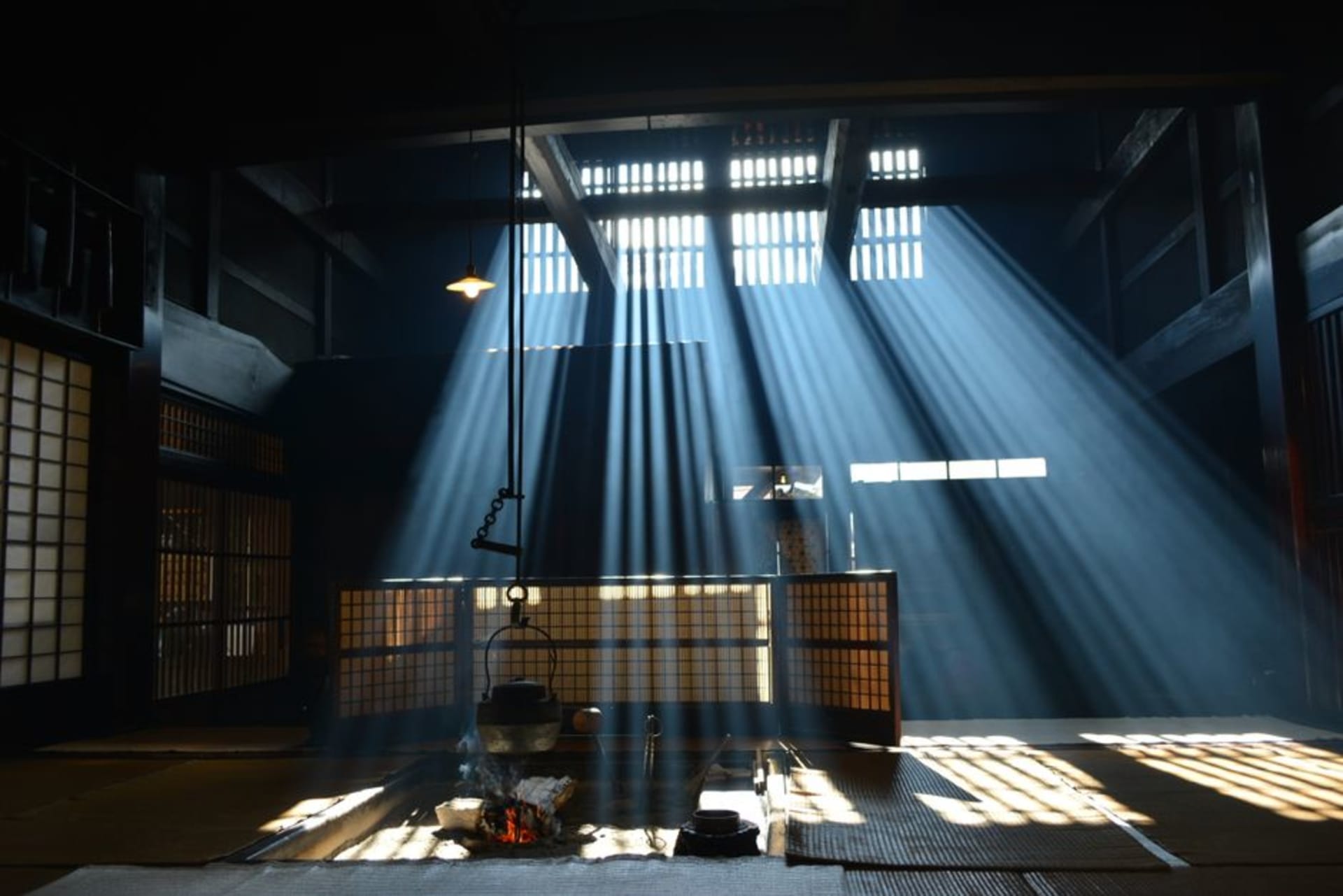
A high plateau on the edge of Daisen-Oki National Park where one of Japan's largest Jersey cattle herds grazes semi-freely, meaning the local specialty is Jersey-milk soft-serve and cheese instead of the usual Holstein dairy.

We came up to Hiruzen Kogen mostly to get out of the heat, chasing altitude the way you do in a Japanese summer once the lowland cities start to feel unbearable, and ended up staying an extra day because of, of all things, the cows. Lia has a soft spot for anywhere with grazing animals visible from the road, and the moment we crested onto the plateau and saw a whole hillside dotted with a lighter, smaller-framed breed than the black-and-white Holsteins we’d seen everywhere else in Japan, she made me pull over so she could just watch them for a while.
A Plateau Built for Grazing
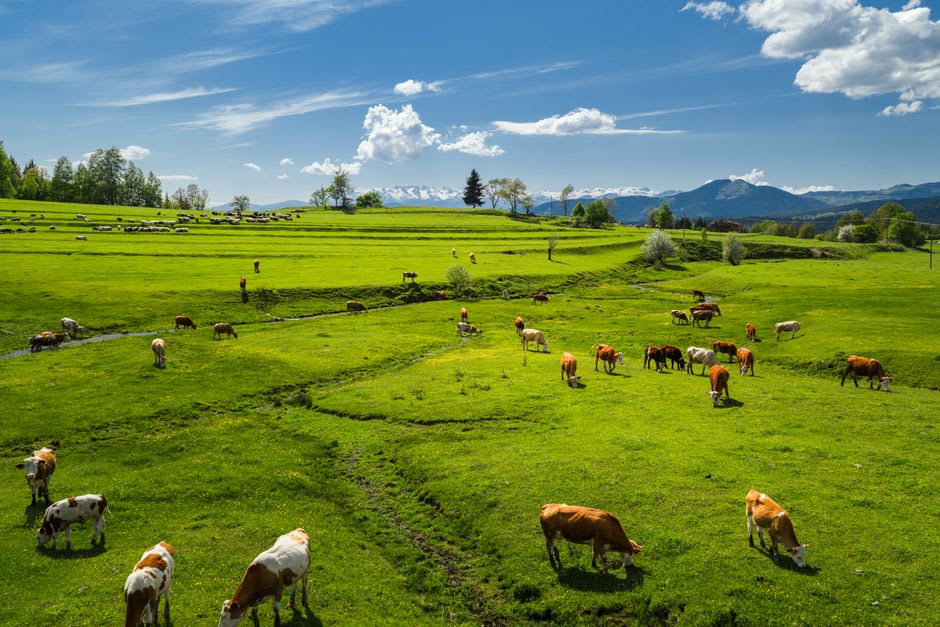
Hiruzen Kogen sits on the edge of Daisen-Oki National Park, a broad, cool highland of open grassland ringed by low volcanic peaks, and it has apparently been dairy country for a very long time. What makes it distinctive is the breed: rather than the Holsteins that dominate Japanese dairy farming almost everywhere else, Hiruzen has built its reputation around Jersey cattle, kept here in one of the largest such herds in the country, grazing semi-freely across the plateau for much of the warmer months. Driving the ring road that loops the highland, we passed herd after herd spread loosely across the hillsides, unhurried in a way that matched the whole pace of the place. It felt less like farmland and more like a landscape that happened to have cows in it.
Milk That Tastes Different
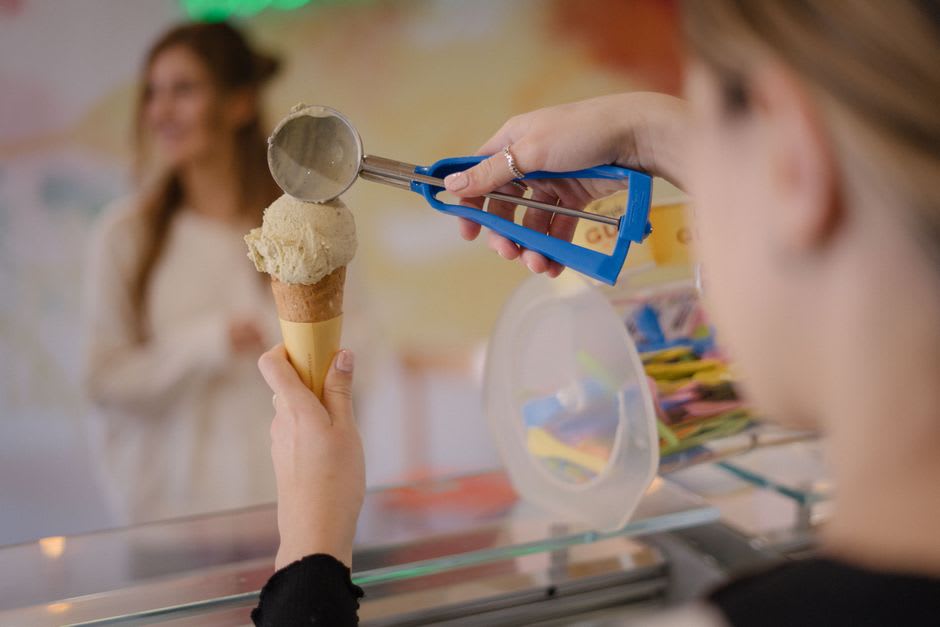
Jersey milk is richer and creamier than the Holstein milk found almost everywhere else in Japan, and Hiruzen has built an entire small industry of soft-serve, cheese, yogurt, and pizza around that difference. We stopped at a farm shop with a handful of picnic tables outside and ordered soft-serve mostly out of curiosity, and the difference was immediate and obvious even to two people who don’t consider themselves dairy connoisseurs — denser, faintly golden, with a flavor that made regular soft-serve taste thin by comparison afterward. Lia went back for a second cone before I’d finished my first, which for her is a rare and telling endorsement.
Cool Air and Open Sky
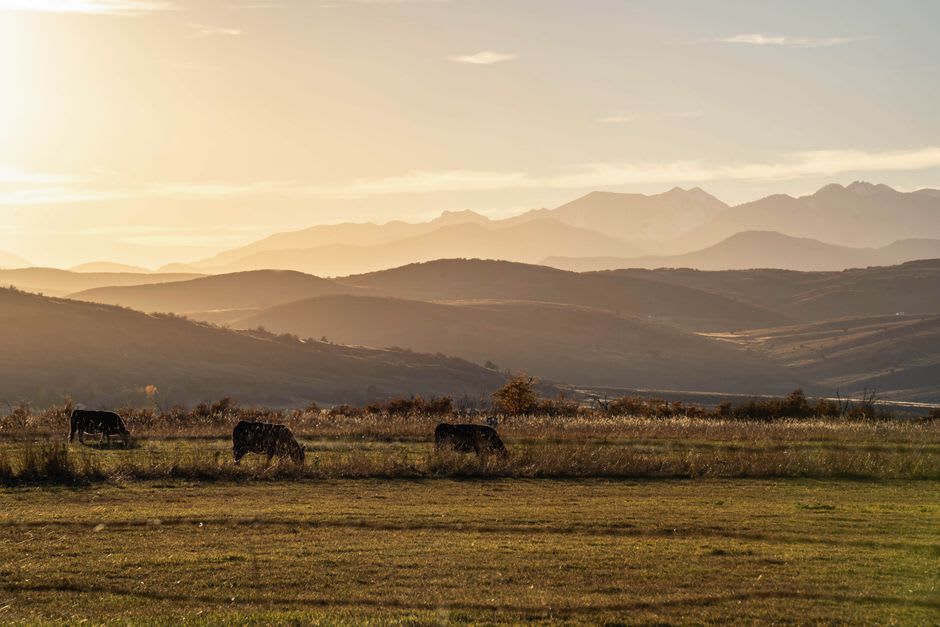
Beyond the dairy, Hiruzen’s real appeal in summer is simply the air. After weeks of lowland heat, the plateau’s elevation brought a genuine, noticeable coolness, and we spent an afternoon just walking a section of grassy trail with almost nobody else around, the sound mostly wind and the occasional distant cowbell. In winter, we’re told, the same slopes become a modest ski area, and it’s easy to see how the landscape flips seasonally between grazing land and snowfield. We ended the day at a lookout point watching the light go long and gold over the grassland, cows still grazing unbothered as the temperature dropped.
Getting There
Hiruzen Kogen is most commonly reached by bus from Okayama Station, with the journey taking roughly two hours up into the highlands, or via Tsuyama if you’re coming from the San’in side of the region. A car makes exploring the plateau’s loop road and scattered farm shops considerably easier, since bus service around the highland itself is limited. It’s a natural stop if you’re driving between the San’in coast and Okayama, and worth building in a half day just for the drive through the grassland alone.
Keep exploring
More of Chūgoku
Keep exploring
More from Chūgoku
 japan
japan Hofu
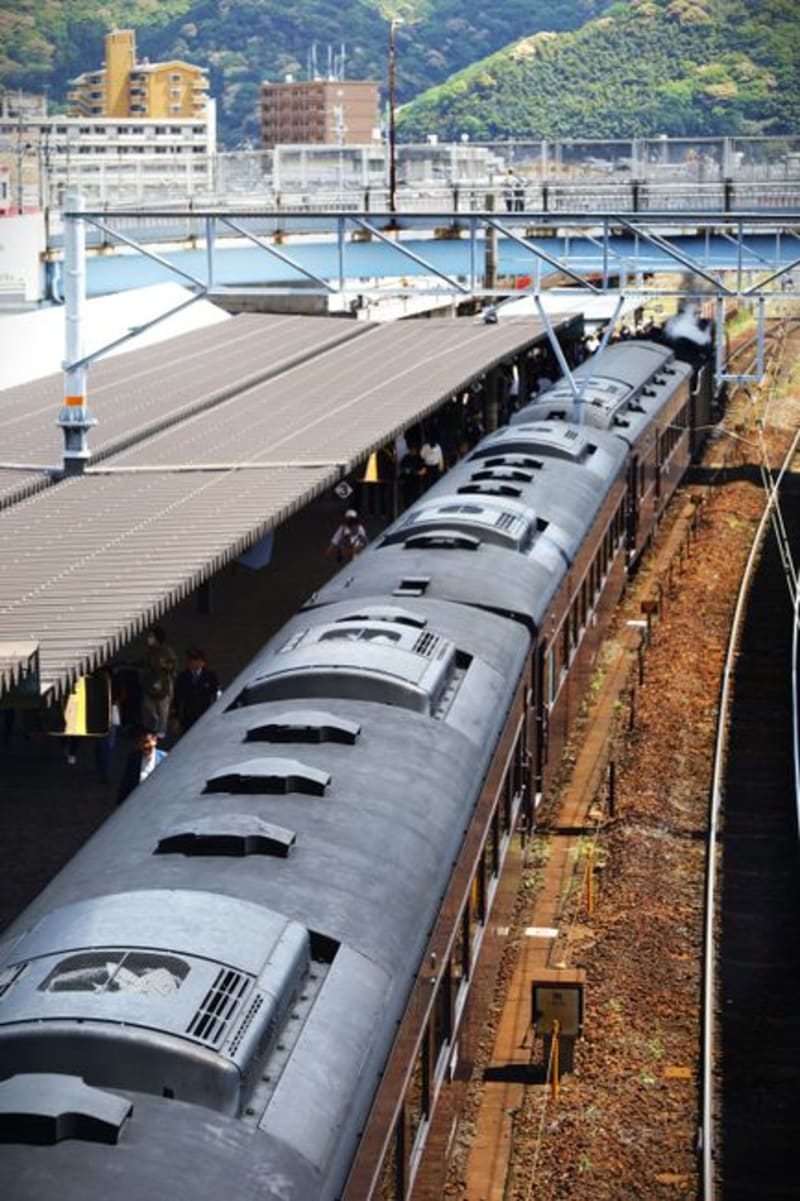
A modest Yamaguchi town that carries an outsized piece of history: the Hofu Tenmangu, said to be the very first shrine in Japan dedicated to Sugawara no Michizane, the scholar-god of learning. Add a serene old merchant garden and streets that feel unhurried to the point of drowsy, and Hofu becomes the kind of place travellers rush past and shouldn't. We nearly did. I'm glad we didn't.
Explore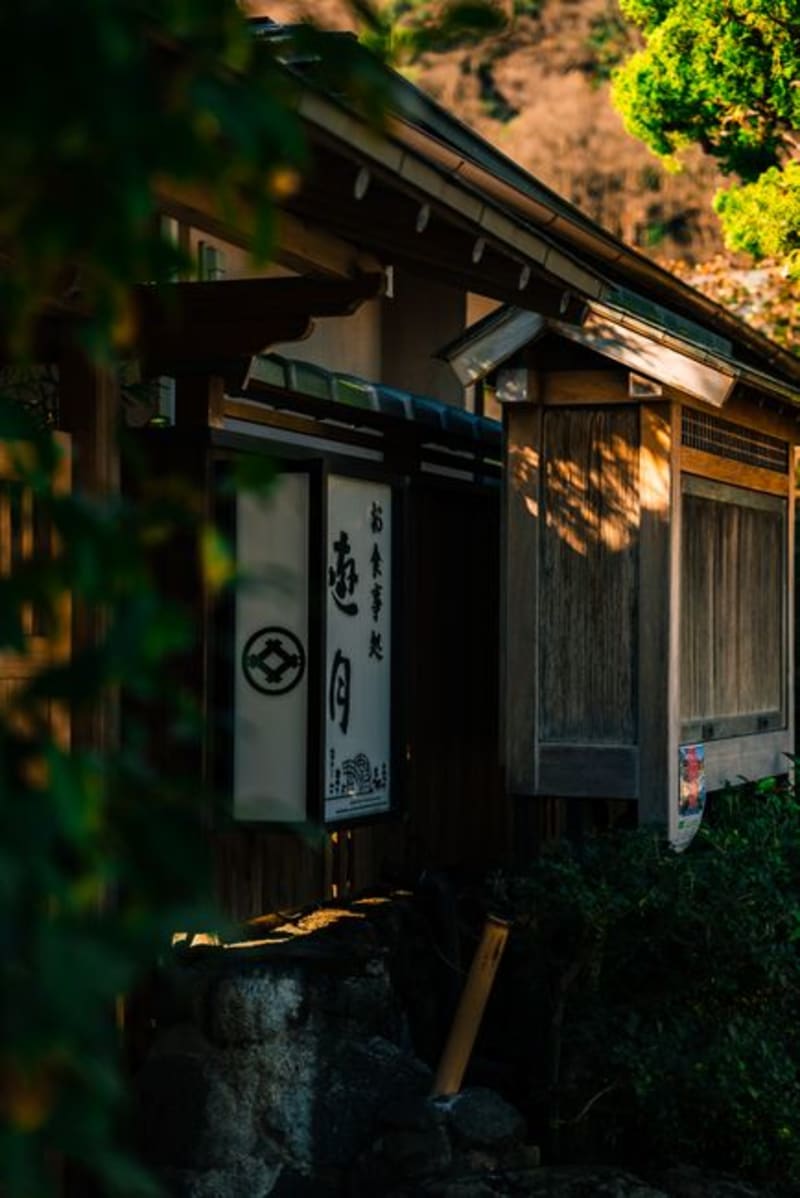 japan
japan Innoshima
A Shimanami Kaido island where a castle-shaped museum tells the story of the Murakami Kaizoku, Seto Inland Sea toll-collectors and shipping escorts more often mislabeled as pirates, and cyclists pause between bridges.
Explore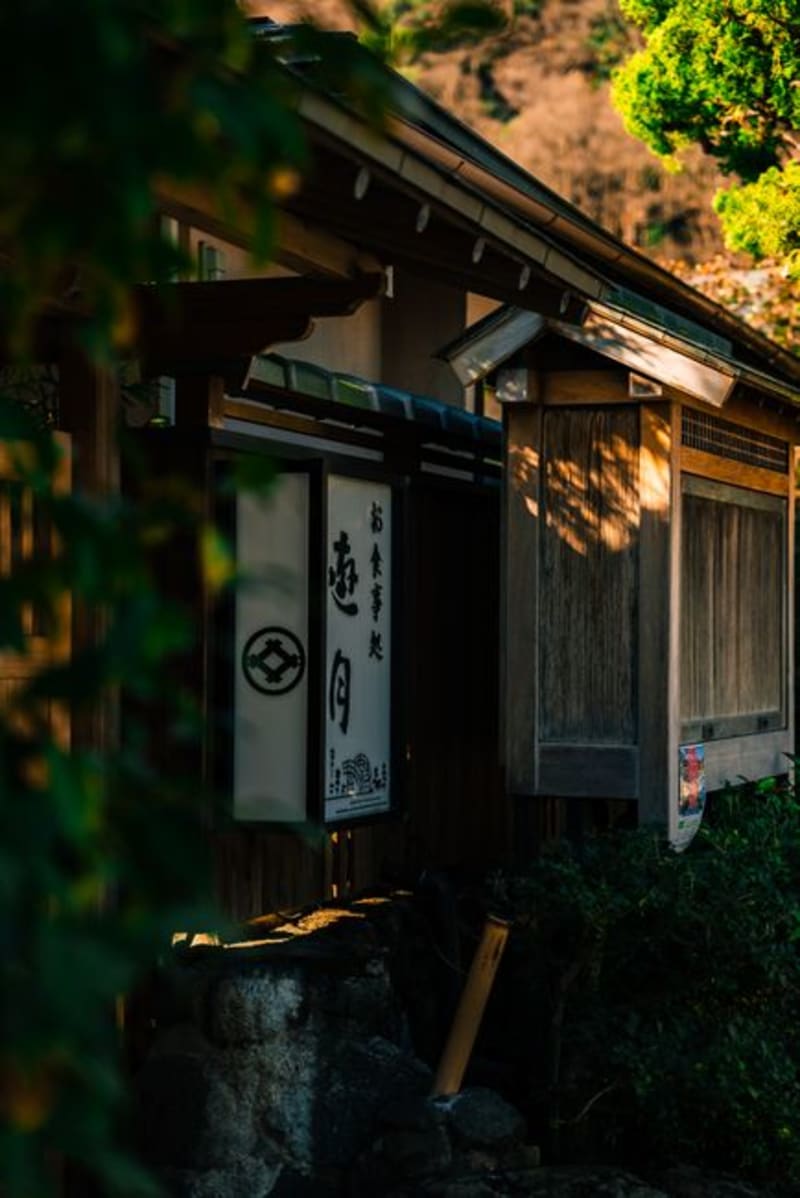 japan
japan Iwaishima
A tiny fishing island that fought a proposed nuclear plant for decades by reviving its once-every-four-years Kanmai sacred dance, over a thousand years old, after the ritual nearly collapsed when it was canceled in the 1980s.
Explore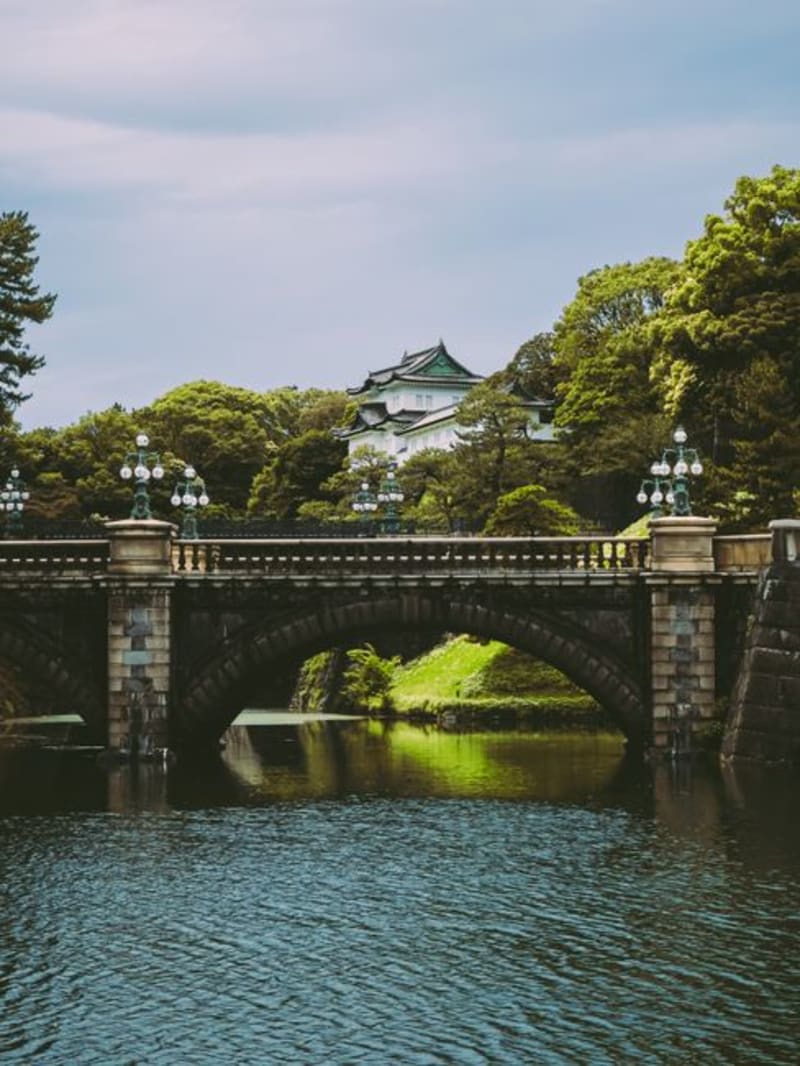 japan
japan Iwakuni
A Yamaguchi town where five wooden arches leap the Nishiki river in a single graceful line, and a small white castle keeps watch from the hill above. Cherry trees crowd the banks, the water runs clear over pale stones, and the whole scene looks composed rather than built.
Explore japan
japan Iwami Ginzan
A forested valley in rural Shimane where a silver mine once fed half the world's trade, now gone quiet and green, its shafts swallowed by moss and its old town left standing. We walked into damp tunnels and out through a town that time simply set down and forgot. It is the most peaceful UNESCO site I know.
Explore japan
japan Izumo
One of Japan's oldest and most revered shrines, its hall hung with a colossal rope of twisted straw, on a wild stretch of Shimane coast where the gods are said to gather each autumn. Sunsets over the Sea of Japan at Inasa beach.
Explore