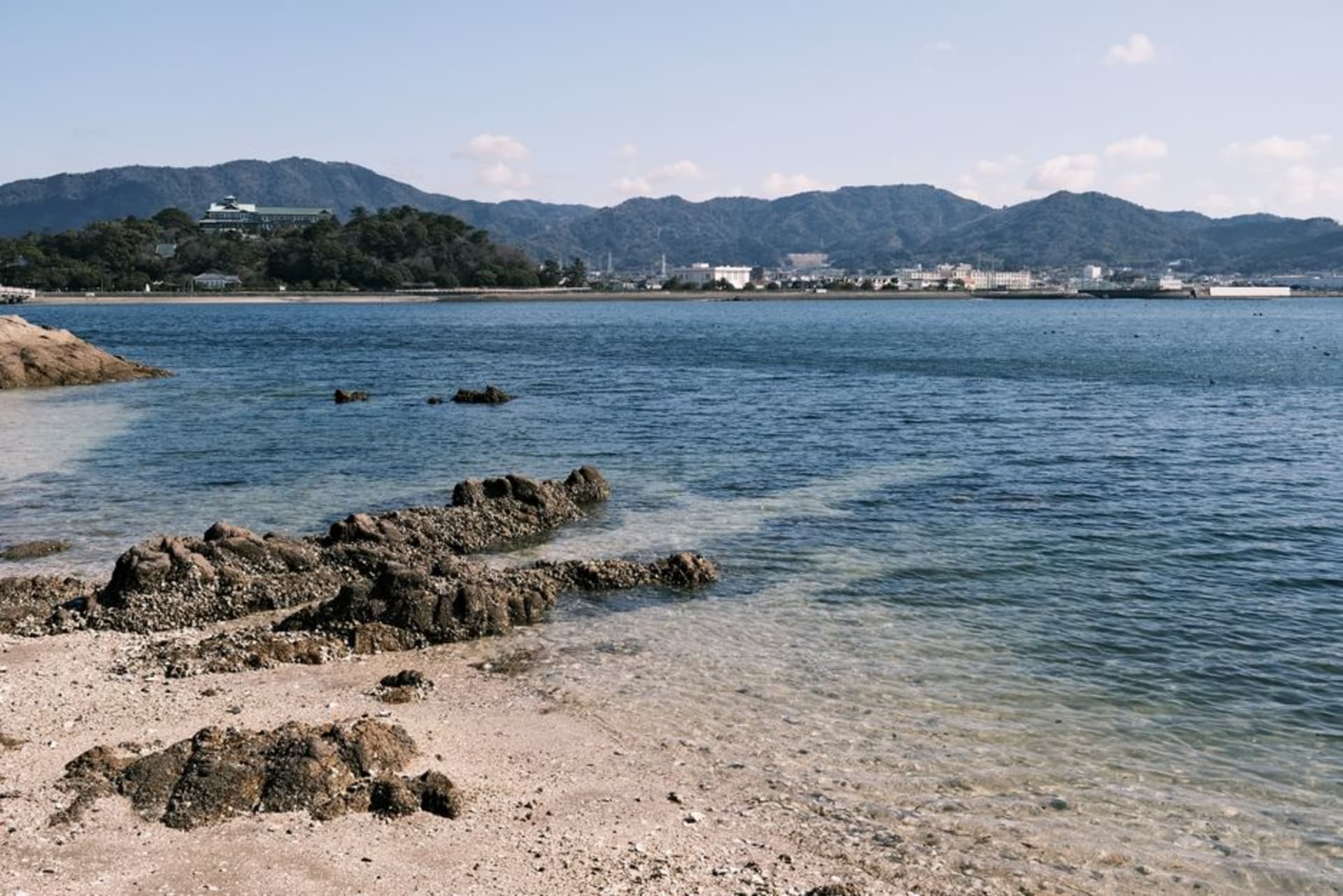
Innoshima
"They weren't pirates, our guide kept insisting. They were the sea's toll booth."
A Shimanami Kaido island where a castle-shaped museum tells the story of the Murakami Kaizoku, Seto Inland Sea toll-collectors and shipping escorts more often mislabeled as pirates, and cyclists pause between bridges.

We rode onto Innoshima with legs already a little rubbery, partway through the Shimanami Kaido, the chain of bridges that strings together islands across the Seto Inland Sea from Onomichi toward Imabari. It’s meant to be a rest stop on the route, and for most cyclists it probably is exactly that — a place to eat, refill water, and keep moving. But Lia spotted a castle-shaped building on a hill above the coast road and refused to just pedal past it, and I’m glad she did, because Innoshima turned out to hold one of the stranger, more specific bits of Seto Inland Sea history I’ve come across.
A Castle That Was Never a Castle
The building on the hill is the Innoshima Suigun Castle, and the first thing our guide told us, almost apologetically, was that it isn’t actually a historical structure at all — it was built in the twentieth century in the style of a sixteenth-century fortress, specifically to house exhibits on the Murakami Kaizoku who once controlled these waters. Standing at the top with the bikes locked below and my legs grateful for the break, I looked out over the strait and understood immediately why this spot mattered: whoever held it could see everything moving through the channel. The museum’s insistence on getting the pirate label right stuck with me — these were licensed operators, not raiders, and the distinction clearly still matters here.

Toll Collectors, Not Raiders
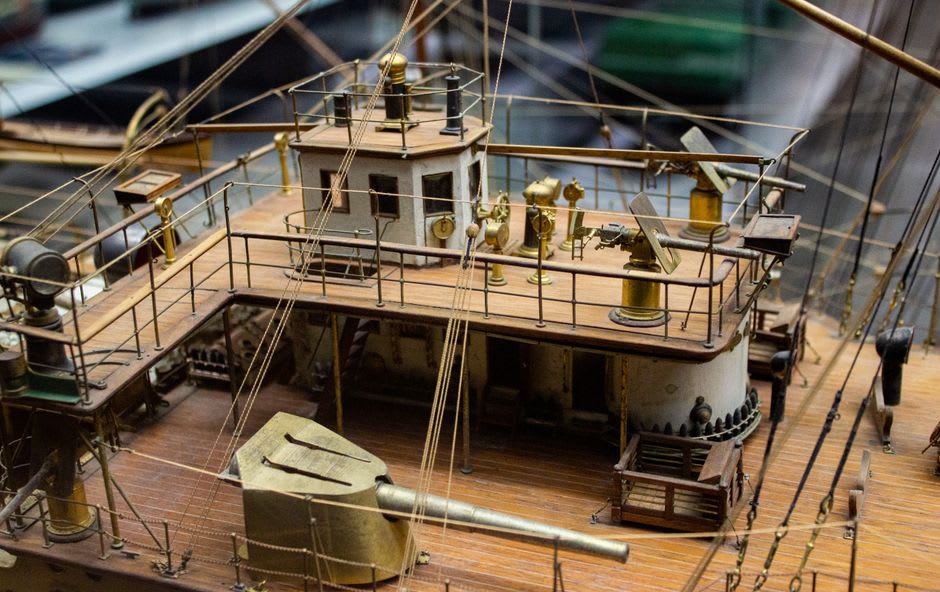
Inside, the exhibits lay out just how organized the Murakami Kaizoku actually were. Rather than plundering ships passing through the Seto Inland Sea, they operated something closer to a maritime toll system, collecting fees in exchange for safe passage and, when hired, escorting vessels and fleets through the narrow, current-riddled channels around these islands. Given how genuinely treacherous the tides get between the islands here, having local expertise on your side wasn’t a luxury, it was survival, and the museum makes a good case that this was a sophisticated regional power rather than a band of outlaws. Lia, who has a soft spot for anyone historically misrepresented, left more invested in correcting the word “pirate” than I’ve seen her invested in anything else all trip.
Back on the Bridge Road
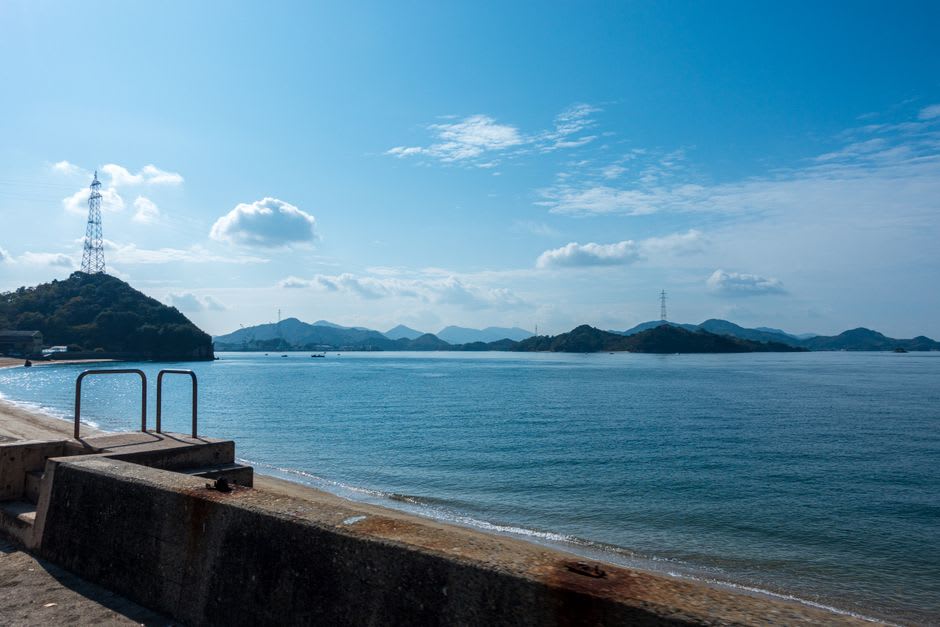
Coming back down to the coast road, the reason Innoshima works so well as a stop became obvious again — it sits almost exactly midway along the Shimanami Kaido, and the cycling route here hugs citrus groves and small harbors before climbing back onto the next bridge span toward the following island. We refueled on lemon-flavored soft-serve from a roadside stand, a local specialty given how much citrus grows on these slopes, and watched a steady trickle of cyclists in various states of exhaustion pass through doing the same thing we were. There’s a rhythm to riding the Shimanami Kaido that Innoshima captures well: pedal, climb a bridge, coast down into an island, repeat, with just enough history along the way to make the legs feel like they’re resting for a reason.
Getting There
Innoshima is reached most naturally as a stop along the Shimanami Kaido cycling route, which begins near Onomichi Station and crosses a series of bridges toward Imabari in Shikoku; rental bikes are widely available in Onomichi with drop-off points at various islands if you don’t want to ride the whole way. If you’d rather not cycle, buses run across the bridge route and stop on Innoshima, and a car makes it an easy detour off the expressway. The Suigun Castle museum sits on a hill a short ride or walk up from the main coastal road, clearly signposted from the cycling route itself.
Keep exploring
More of Chūgoku
Keep exploring
More from Chūgoku
 japan
japan Iwaishima
A tiny fishing island that fought a proposed nuclear plant for decades by reviving its once-every-four-years Kanmai sacred dance, over a thousand years old, after the ritual nearly collapsed when it was canceled in the 1980s.
Explore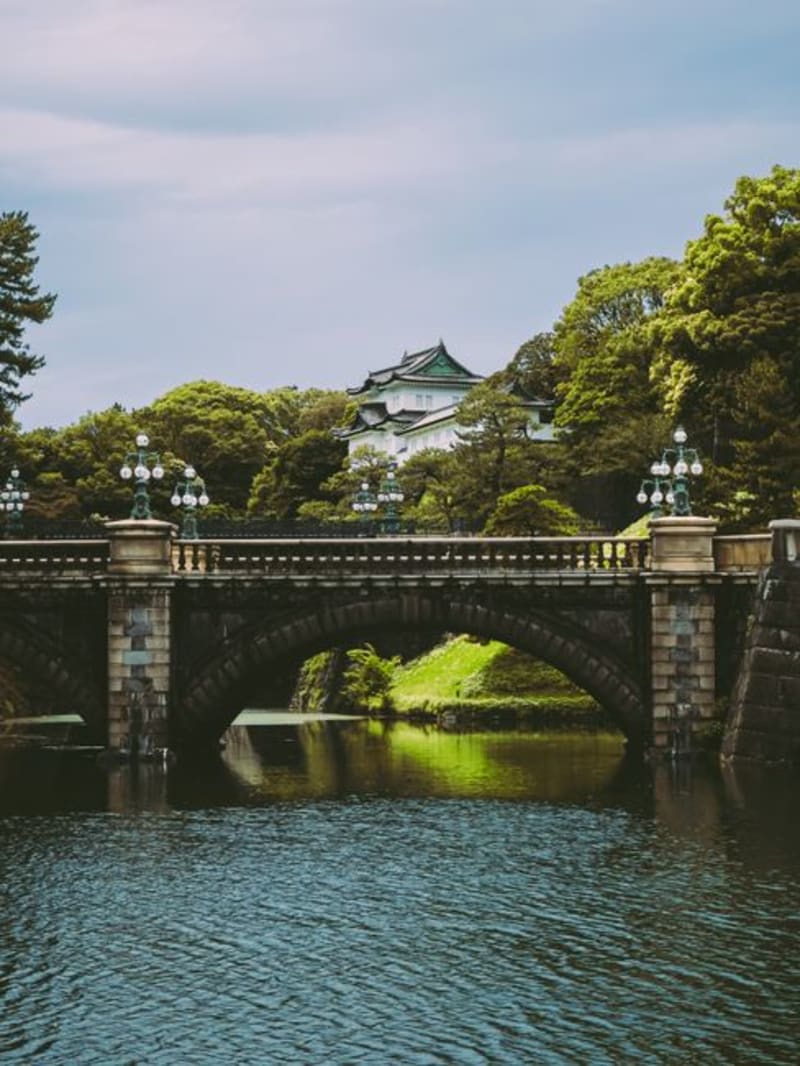 japan
japan Iwakuni
A Yamaguchi town where five wooden arches leap the Nishiki river in a single graceful line, and a small white castle keeps watch from the hill above. Cherry trees crowd the banks, the water runs clear over pale stones, and the whole scene looks composed rather than built.
Explore japan
japan Iwami Ginzan
A forested valley in rural Shimane where a silver mine once fed half the world's trade, now gone quiet and green, its shafts swallowed by moss and its old town left standing. We walked into damp tunnels and out through a town that time simply set down and forgot. It is the most peaceful UNESCO site I know.
Explore japan
japan Izumo
One of Japan's oldest and most revered shrines, its hall hung with a colossal rope of twisted straw, on a wild stretch of Shimane coast where the gods are said to gather each autumn. Sunsets over the Sea of Japan at Inasa beach.
Explore japan
japan Kaminoseki
A Seto Inland Sea checkpoint town dating to the Heian period, once tied to pirate raids and Choshu-era coastal trade, now caught in a decades-long standoff over a still-unbuilt nuclear plant on the strait it faces.
Explore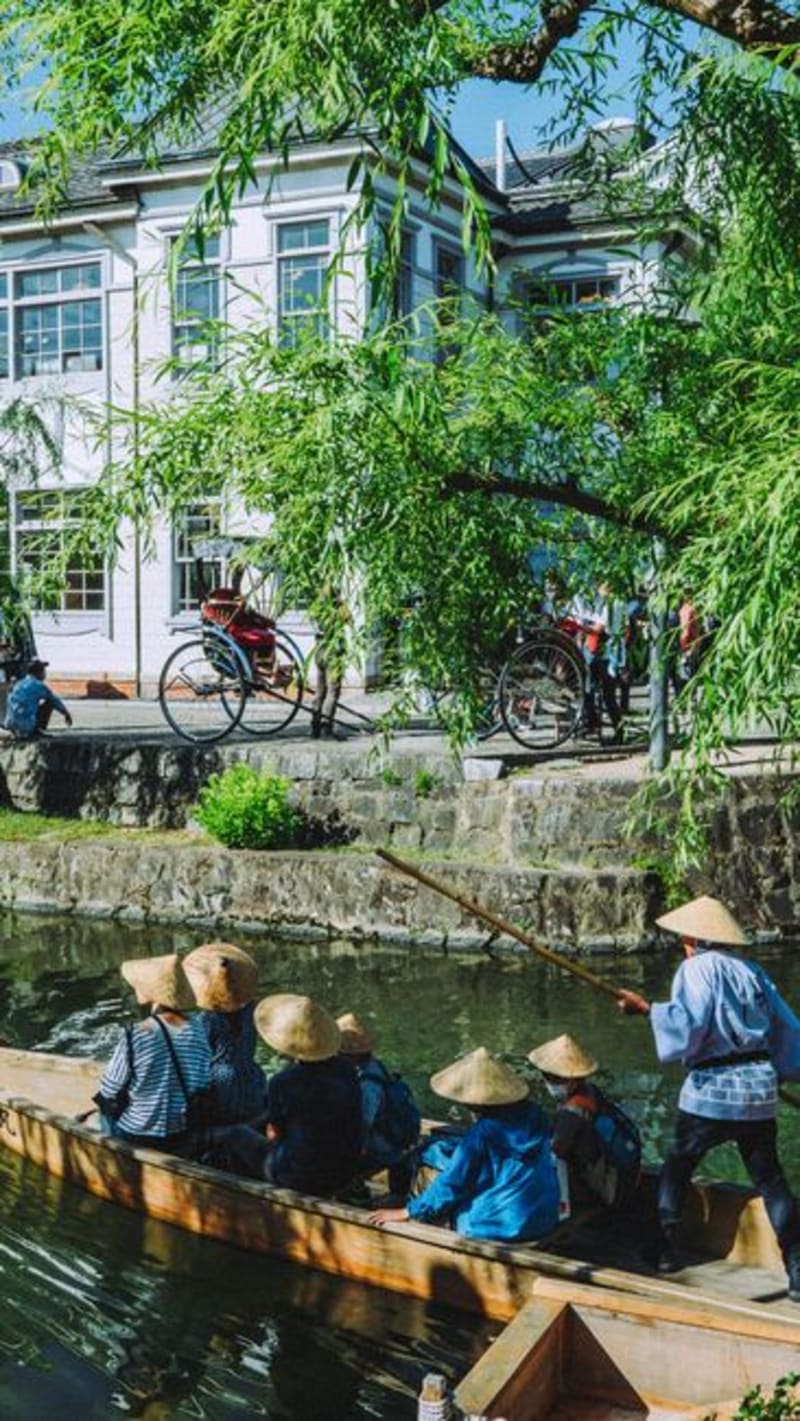 japan
japan Kurashiki
A canal quarter of white-walled Edo merchant warehouses in Okayama, willows trailing over still water plied by flat wooden boats. Art museums, a deep denim heritage, and one of the most quietly beautiful streetscapes in Japan.
Explore