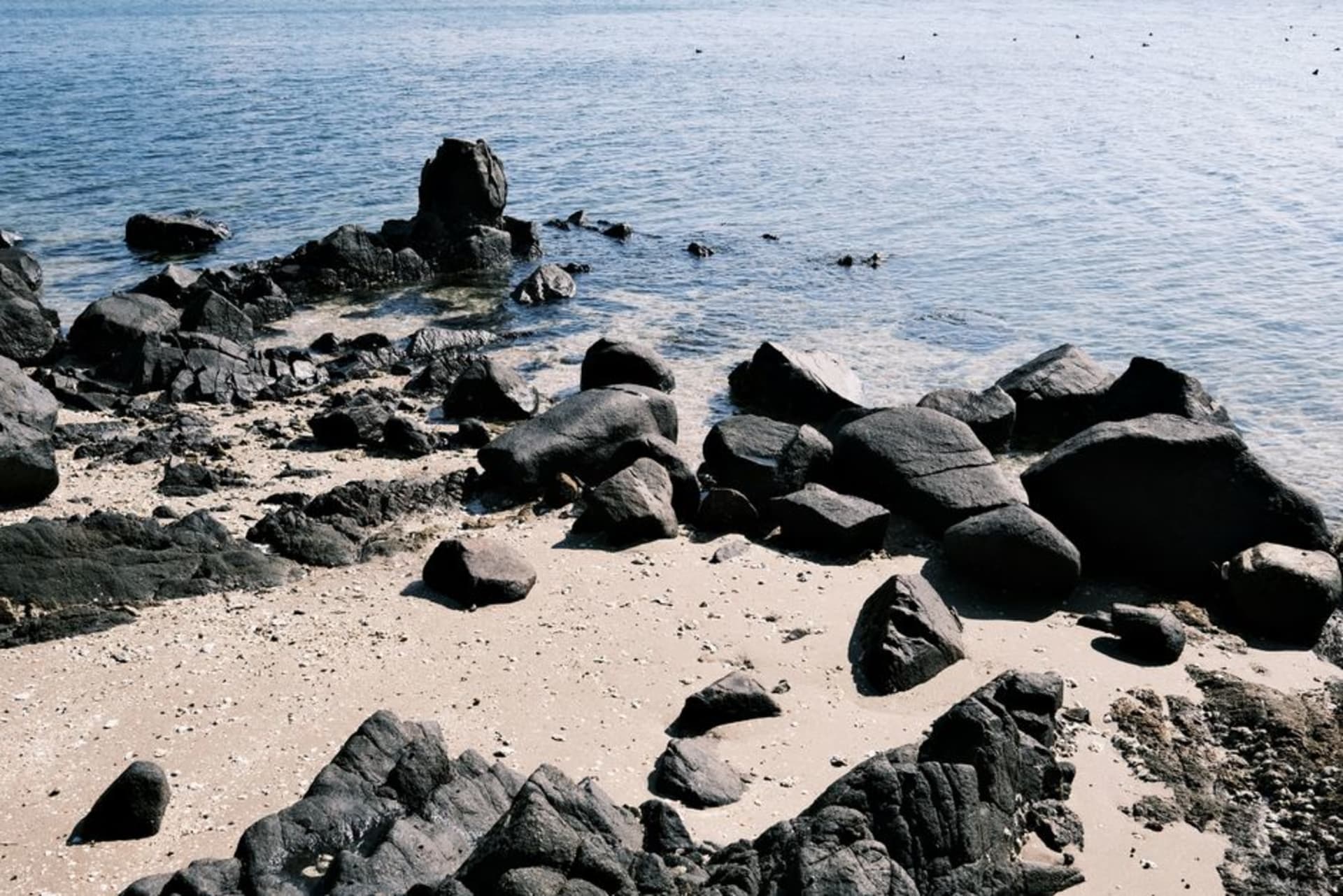
A tiny fishing island that fought a proposed nuclear plant for decades by reviving its once-every-four-years Kanmai sacred dance, over a thousand years old, after the ritual nearly collapsed when it was canceled in the 1980s.

Iwaishima came up almost as a footnote when we were asking around Kaminoseki about the nuclear plant dispute, and once we heard the word “documentary” attached to it, Lia was already checking ferry times. It’s a tiny island, the kind where the harbor and the village are basically the same few hundred meters, and reaching it took a short, rolling ferry ride across water that felt noticeably more open and exposed than the sheltered straits we’d been driving past for days. What we found there was one of the more moving things I’ve come across on this whole trip — a community that used an ancient ritual as a form of protest, almost without meaning to.
The Dance That Almost Disappeared
The Kanmai is a sacred dance performance, over a thousand years old, traditionally held only once every four years on Iwaishima, and by the 1980s it had been canceled and nearly lost, the kind of quiet cultural erosion that happens to small island traditions everywhere as populations age and thin out. Talking to an older fisherman near the harbor, through a mix of his patient simple Japanese and my clumsier attempts, I understood that reviving it wasn’t purely a cultural decision — it became entangled with the fight against a nuclear plant proposed on the mainland shore facing the island, a way of insisting the community and its identity were still here, still worth protecting. Lia found that connection almost unbearably moving, this idea of dancing not for tourists or nostalgia but as an act of resistance disguised as tradition.
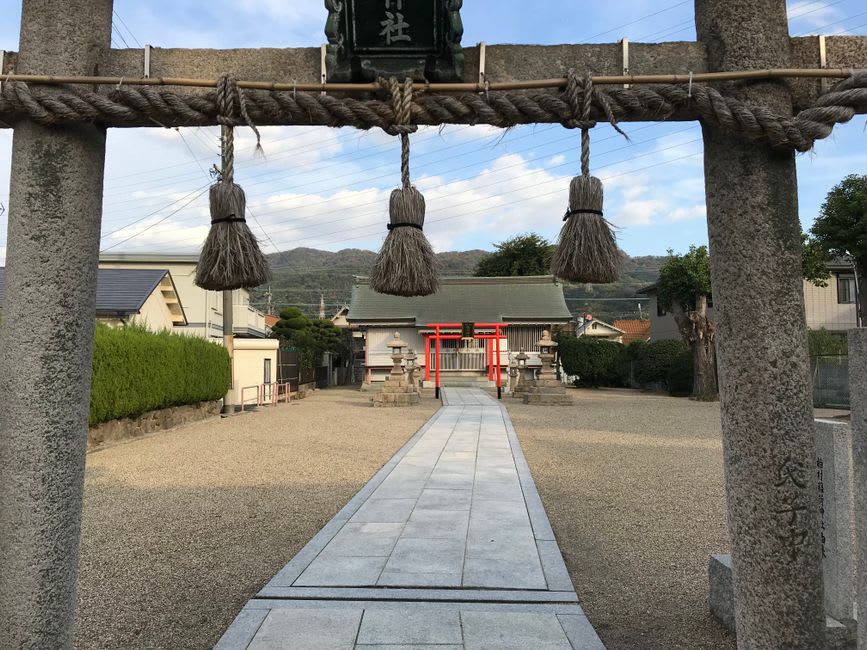
A Village Facing the Plant
Walking the island’s single coastal road, you eventually reach a point where you can see directly across the water toward Nagashima, where the disputed nuclear plant has been proposed for decades without ever being finished. It’s a strange, quiet thing to stand on a small fishing island and look at the exact site your neighbors have spent so much of their lives fighting, banners and hand-painted signs still visible on a few of Iwaishima’s own buildings even now. Nobody we spoke with was dramatic about it — mostly tired, mostly resigned to a fight that has outlasted entire fishing careers — but the resolve underneath that tiredness was unmistakable.
Small Harbor, Big Story
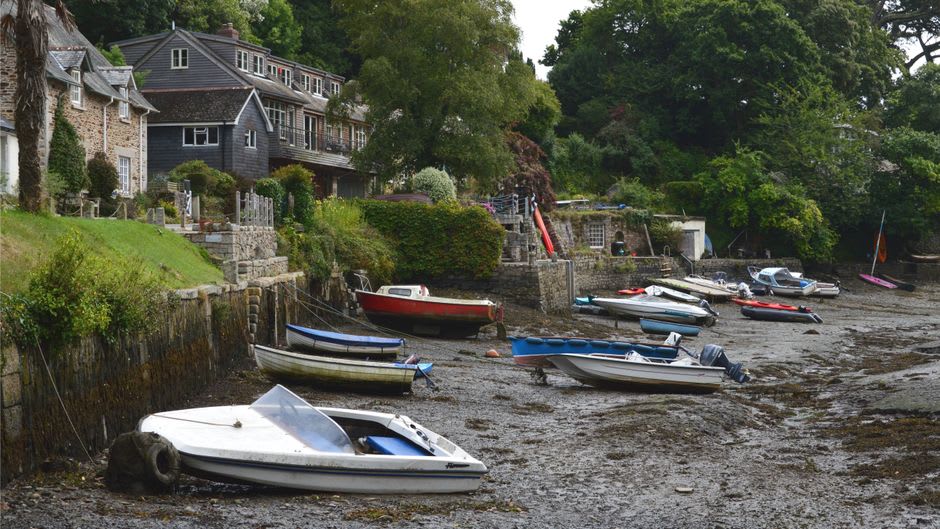
Away from all of that, Iwaishima is simply a beautiful, sleepy fishing island, its handful of streets climbing steeply from a harbor crowded with small wooden boats, laundry drying between houses, cats sunning themselves on stone steps. We ate lunch at a tiny place that seemed to double as someone’s actual kitchen, a simple grilled-fish set that the owner clearly took real pride in, and spent the rest of the afternoon just walking the coastal path, watching the light change over water that had somehow become, in a few hours, much more meaningful to look at.
Getting There
Iwaishima is reached by ferry from Yanai, with a limited number of sailings each day, so it’s worth checking the schedule before you go and planning around it rather than trying to improvise once you’re there. The island itself is small enough to explore entirely on foot, with no need for a car. Because ferries are infrequent, most visits work best as a deliberate day trip rather than a spontaneous add-on, ideally combined with time in nearby Kaminoseki if you’re already exploring this stretch of coast.
Keep exploring
More of Chūgoku
Keep exploring
More from Chūgoku
 japan
japan Iwakuni
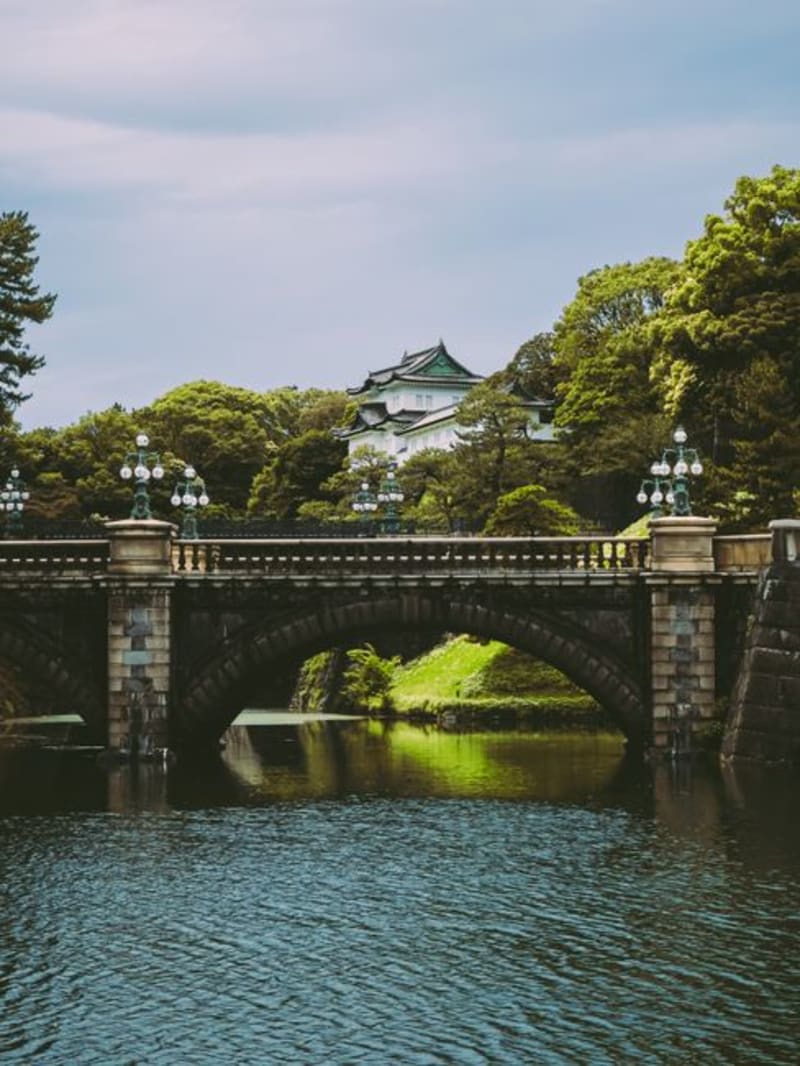
A Yamaguchi town where five wooden arches leap the Nishiki river in a single graceful line, and a small white castle keeps watch from the hill above. Cherry trees crowd the banks, the water runs clear over pale stones, and the whole scene looks composed rather than built.
Explore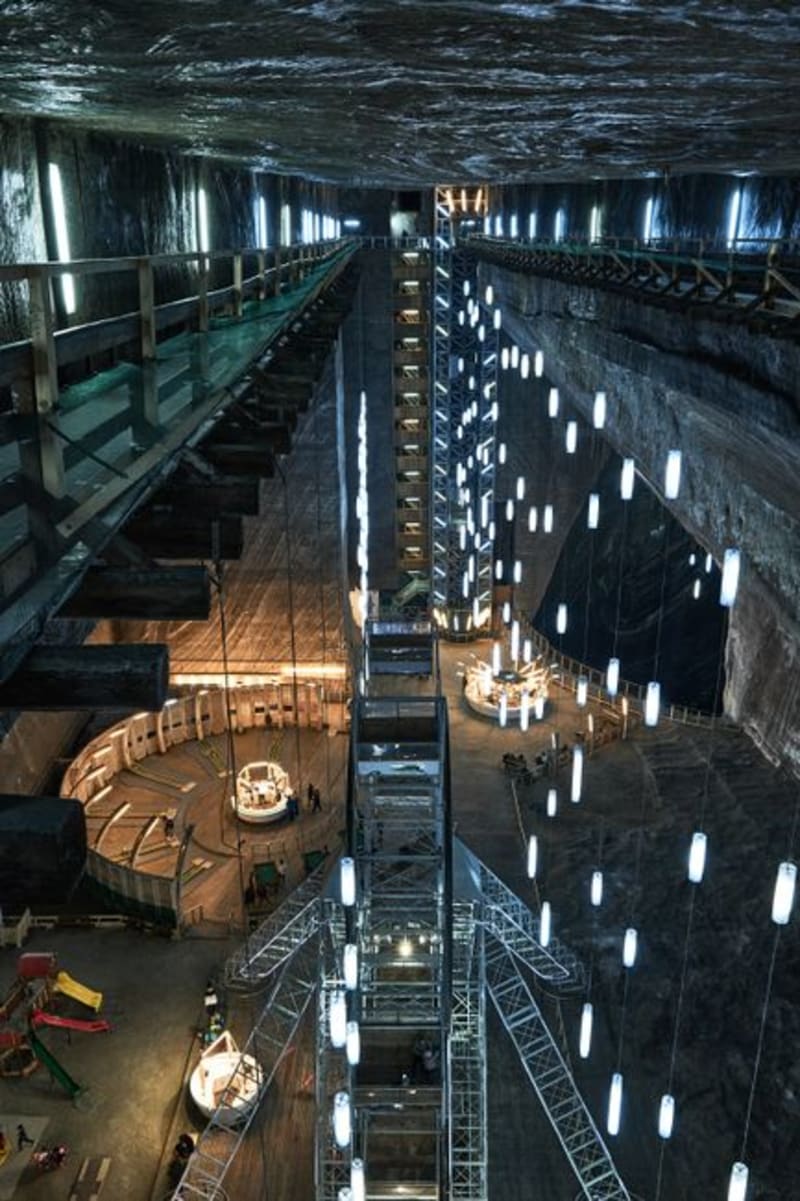 japan
japan Iwami Ginzan
A forested valley in rural Shimane where a silver mine once fed half the world's trade, now gone quiet and green, its shafts swallowed by moss and its old town left standing. We walked into damp tunnels and out through a town that time simply set down and forgot. It is the most peaceful UNESCO site I know.
Explore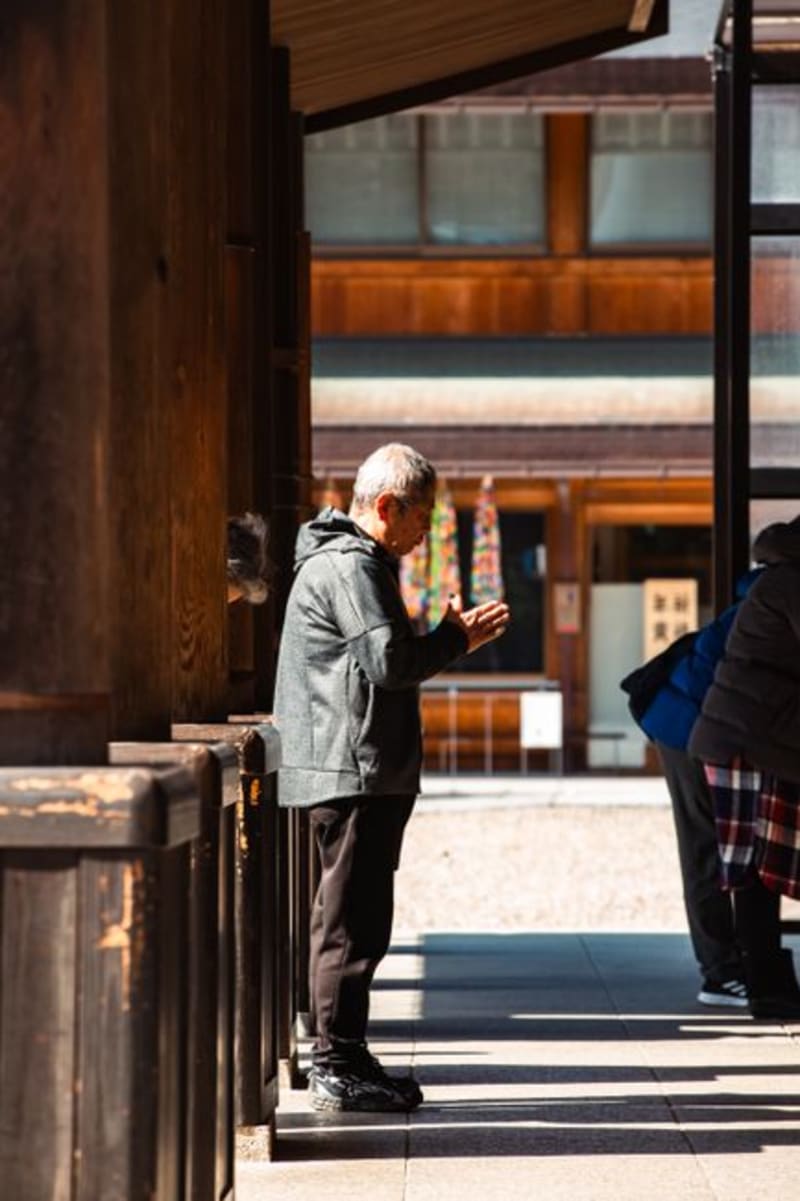 japan
japan Izumo
One of Japan's oldest and most revered shrines, its hall hung with a colossal rope of twisted straw, on a wild stretch of Shimane coast where the gods are said to gather each autumn. Sunsets over the Sea of Japan at Inasa beach.
Explore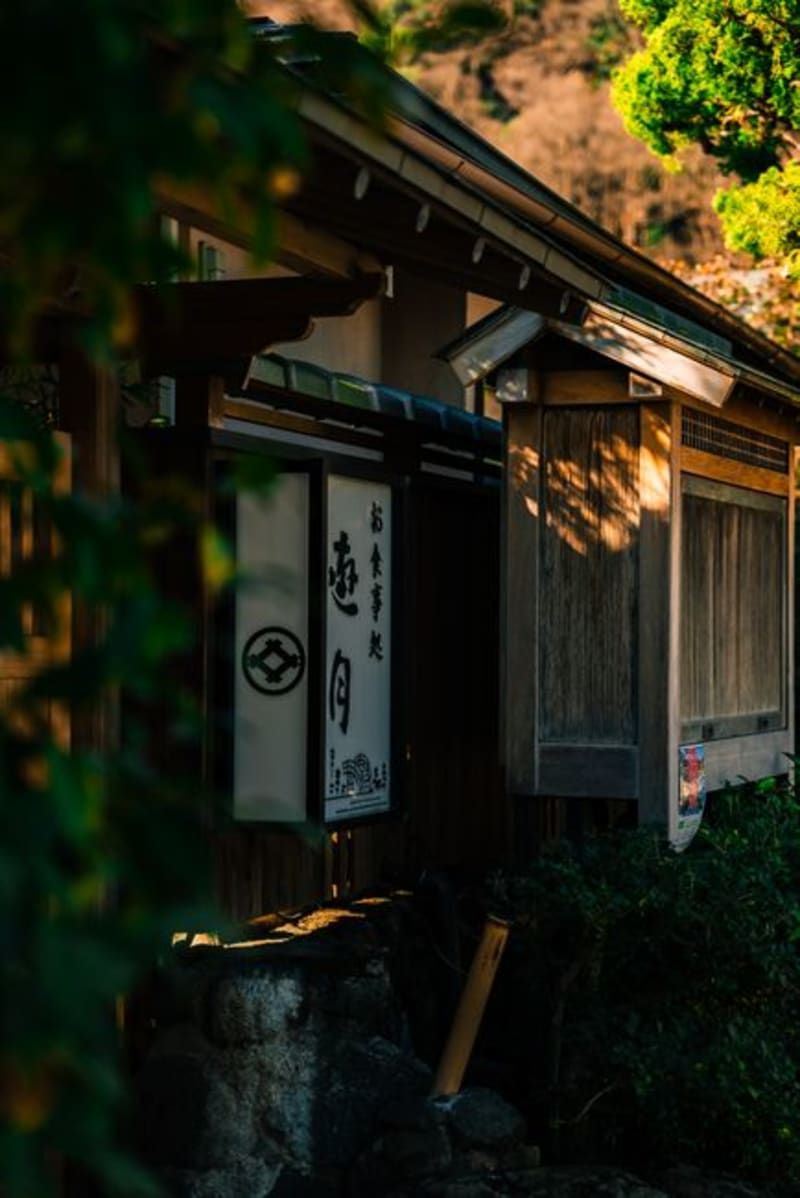 japan
japan Kaminoseki
A Seto Inland Sea checkpoint town dating to the Heian period, once tied to pirate raids and Choshu-era coastal trade, now caught in a decades-long standoff over a still-unbuilt nuclear plant on the strait it faces.
Explore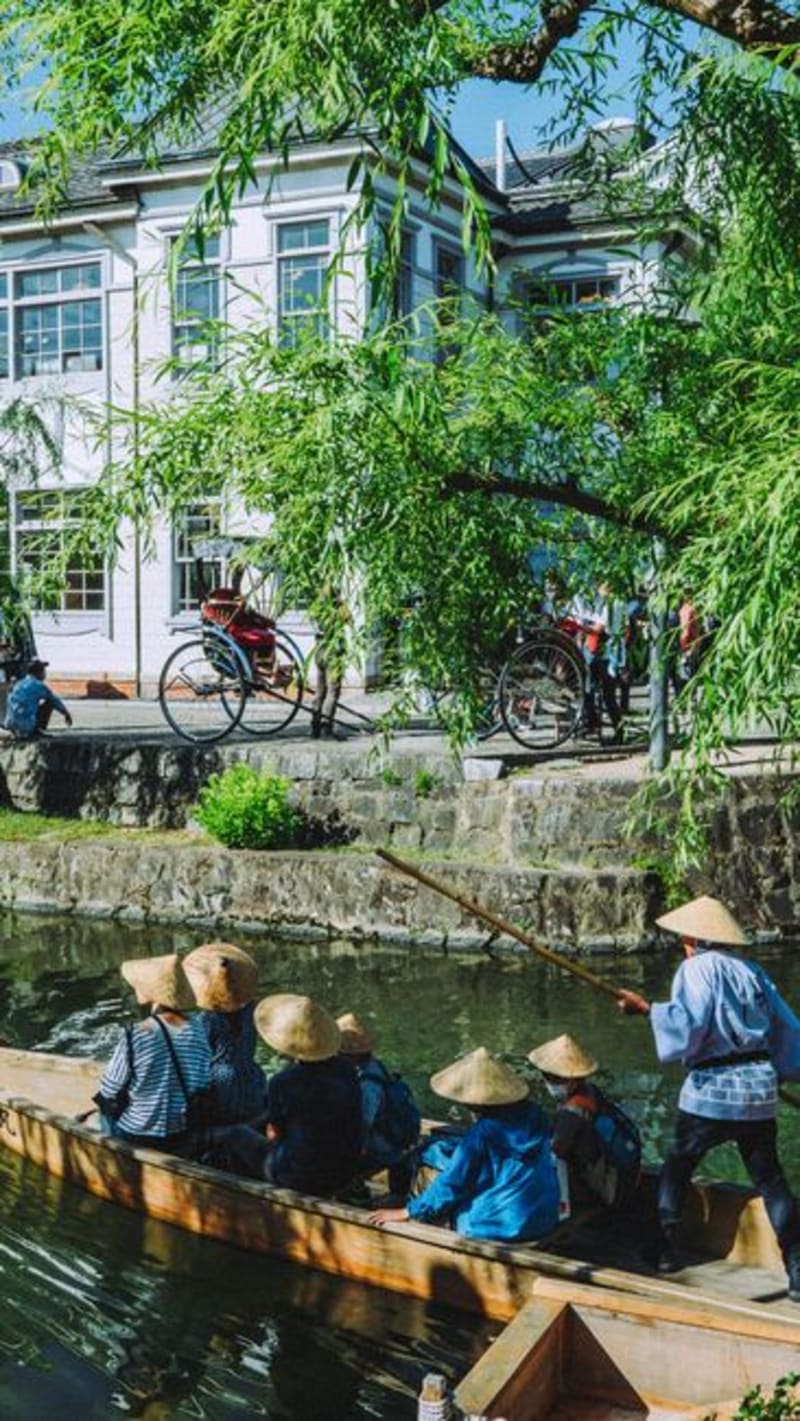 japan
japan Kurashiki
A canal quarter of white-walled Edo merchant warehouses in Okayama, willows trailing over still water plied by flat wooden boats. Art museums, a deep denim heritage, and one of the most quietly beautiful streetscapes in Japan.
Explore japan
japan Kurayoshi
A small Tottori town where white-walled, red-tiled storehouses lean over a slow canal, and life carries on around them with almost no audience. It has the beauty of the famous old towns and none of the crowds. We had whole streets to ourselves, and it felt like a secret.
Explore