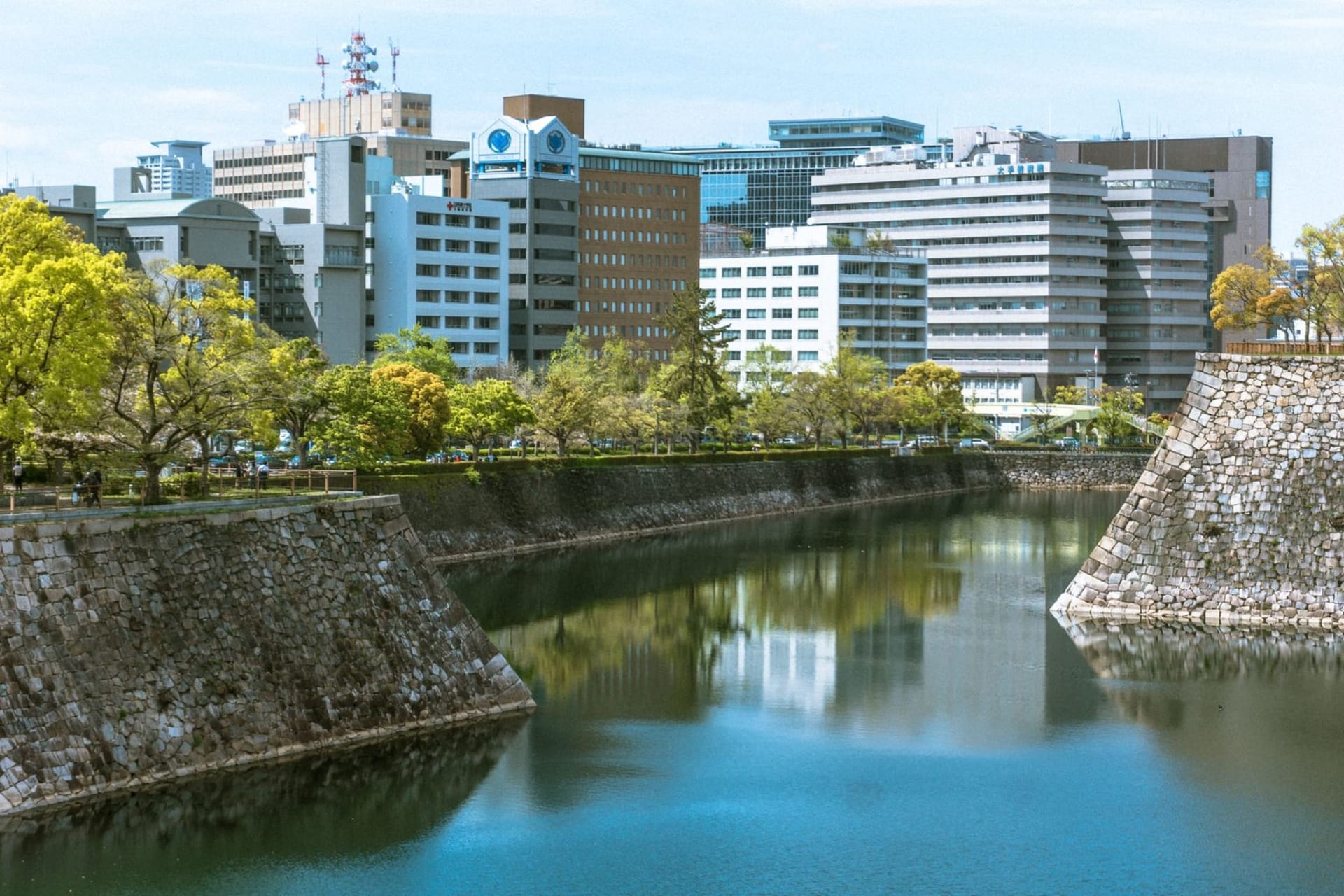
Hiroshima
"Hiroshima transforms the weight of history into a quiet, determined hope that lingers long after you leave."
A city reborn from tragedy, where the Peace Memorial Park stands beside a thriving modern metropolis.

I almost didn’t come to Hiroshima. Not out of avoidance exactly — more a quiet uncertainty about how to hold a place that carries so much. Then Lia said, simply, “We go.” So we went.
We arrived on a grey morning in November, stepping off the shinkansen into a city that felt immediately, almost defiantly, alive. Trams sliding along Heiwa Odori, the Boulevard of Peace. A smell of grilled okonomiyaki drifting from somewhere near Nagarekawa. Schoolchildren on a field trip moving in neat clusters, clipboards in hand, their laughter cutting clean through the cold air.
The Epicentre of Stillness
The Peace Memorial Park sits where the Ota River forks, and nothing quite prepares you for what it feels like to walk those grounds. The Genbaku Dome — the A-Bomb Dome — rises at the northern edge, its collapsed copper ribs frozen mid-collapse, preserved exactly as the blast left them. I stood in front of it for longer than I expected. There are no words that rise to meet a thing like that. I noticed the sound of pigeons. The sound of the river. The way the light came through the girders like it was filtering through the bones of something enormous.
Inside the Peace Memorial Museum, the exhibits are careful and unsparing. A melted wristwatch stopped at 8:15. A child’s lunchbox, contents charred to carbon. The museum does not ask for your pity. It asks for your attention, and that feels like the more serious demand.
Okonomiyaki and the City That Rebuilt Itself
What surprised me — genuinely surprised me — was how little Hiroshima feels like a memorial. Walk twenty minutes east from the park and you’re in Nagarekawa, the nightlife district, izakayas lit up, the smell of sake and charcoal and fish sauce. We ate Hiroshima-style okonomiyaki at a narrow counter on Chuo-dori: the layered kind, with soba noodles pressed into the batter, a fried egg draped over the top. It was the best thing I ate in Japan, and I say that with full awareness of the competition.
The city rebuilt itself not as a monument but as a living place. That, more than any exhibit or plaque, is what stays with you — the stubborn, clear-eyed choice to be ordinary again. To have trams and noodles and schoolchildren and noise.
When to go: Late October through early December brings cool, dry days with remarkable clarity of light — ideal for the park and the riverbanks. Spring, just as the cherry trees along the Motoyasu River bloom, is extraordinarily beautiful but considerably more crowded.
Keep exploring
More of Chūgoku
Keep exploring
More from Chūgoku
 japan
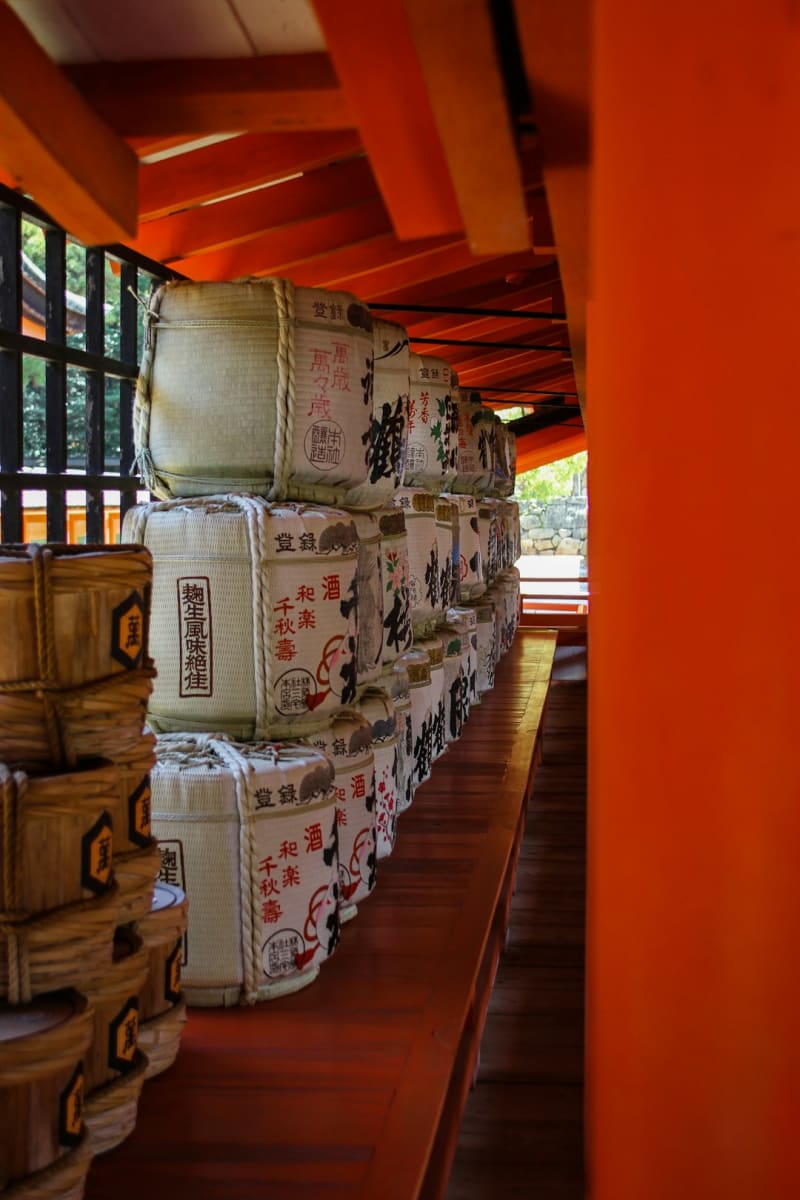
japan Miyajima
A sacred island in Hiroshima Bay, where a great vermilion torii gate appears to float on the tide and a shrine stands on stilts above the sea. Tame deer wander the lanes, Mount Misen rises behind, and at dusk the whole island turns to gold. One of Japan's oldest holy places.
Explore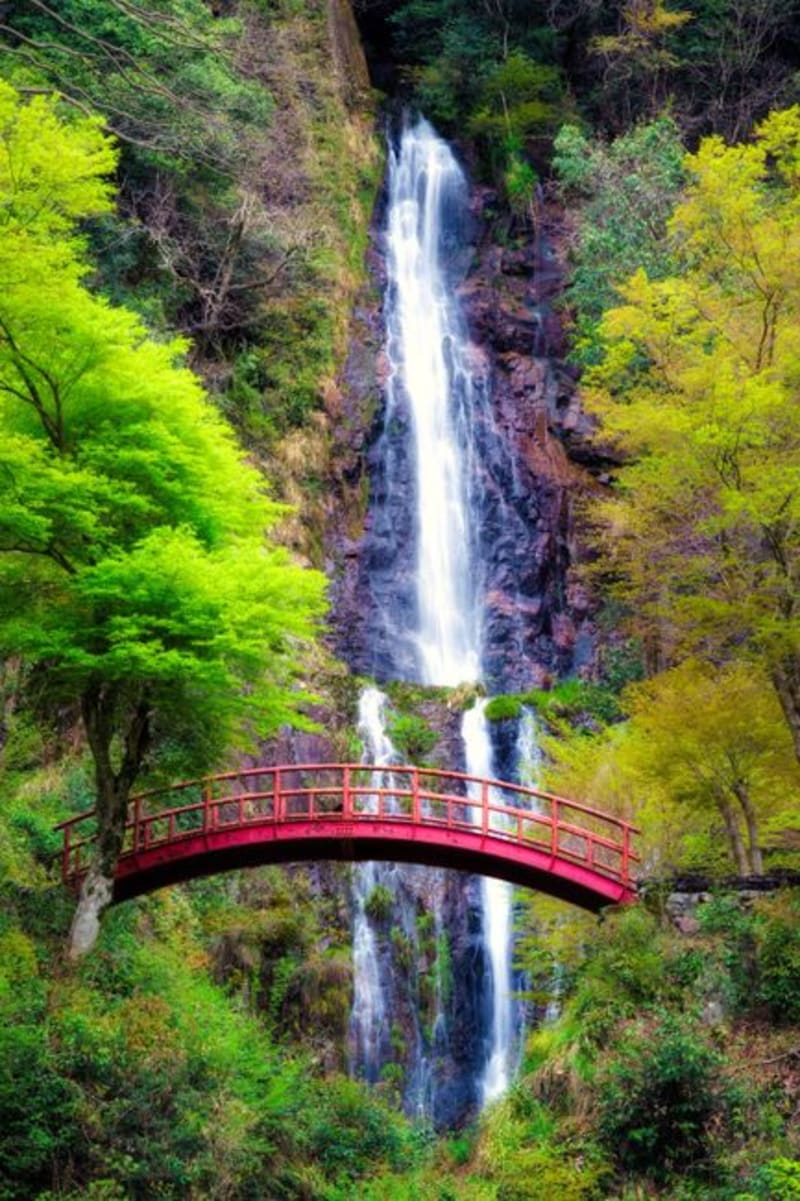 japan
japan Sandankyo
A long, cool gorge folded into the mountains of northern Hiroshima, where a clear river carves through forest past pools the color of green glass and waterfalls you reach on foot. It is a walking place, an unhurried place. We came for a stroll and stayed until our legs gave out.
Explore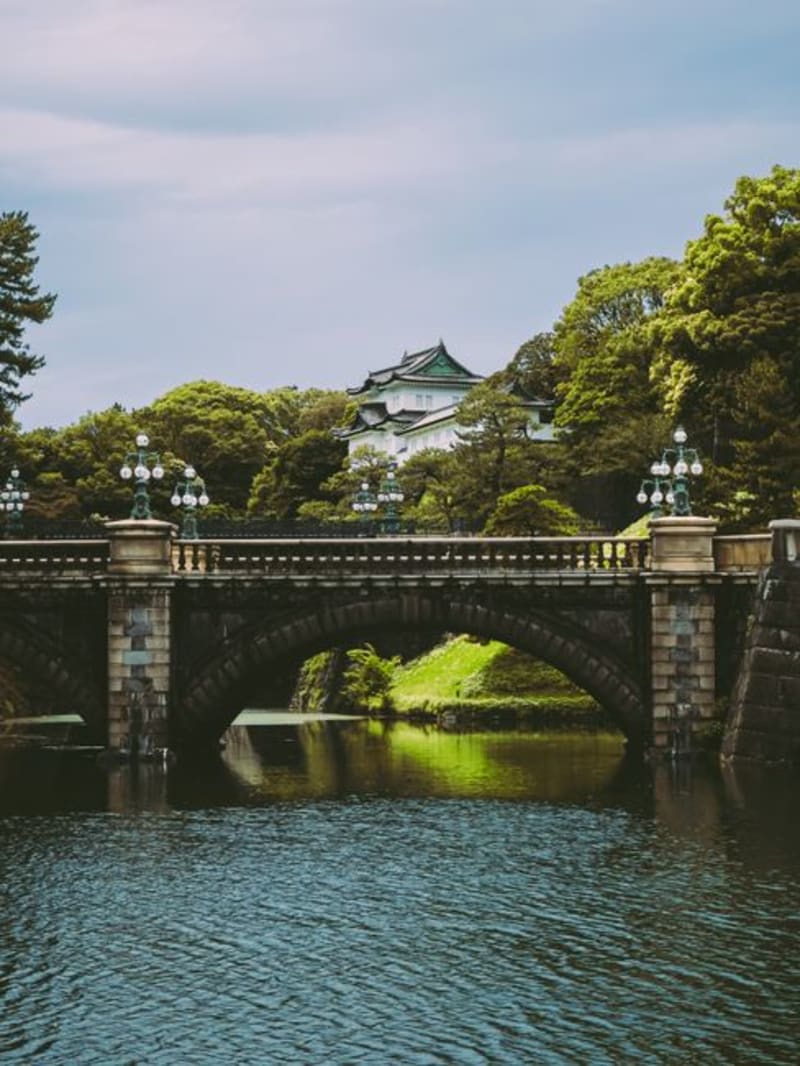 japan
japan Iwakuni
A Yamaguchi town where five wooden arches leap the Nishiki river in a single graceful line, and a small white castle keeps watch from the hill above. Cherry trees crowd the banks, the water runs clear over pale stones, and the whole scene looks composed rather than built.
Explore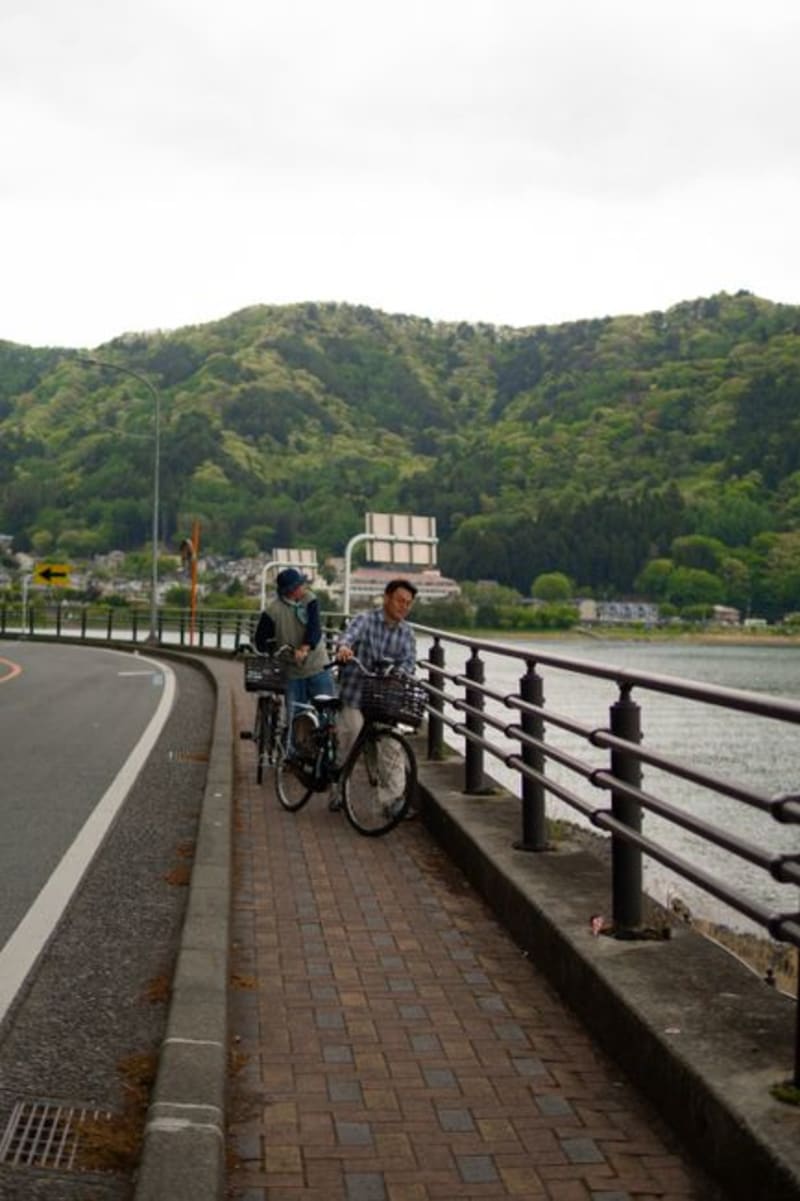 japan
japan Takehara
A pocket-sized 'little Kyoto' on the Inland Sea, where Edo salt merchants built lattice-fronted houses that still lean into the same quiet lanes. It sits a short hop from rabbit island and makes its own whisky. We came for a day and the day refused to end on schedule.
Explore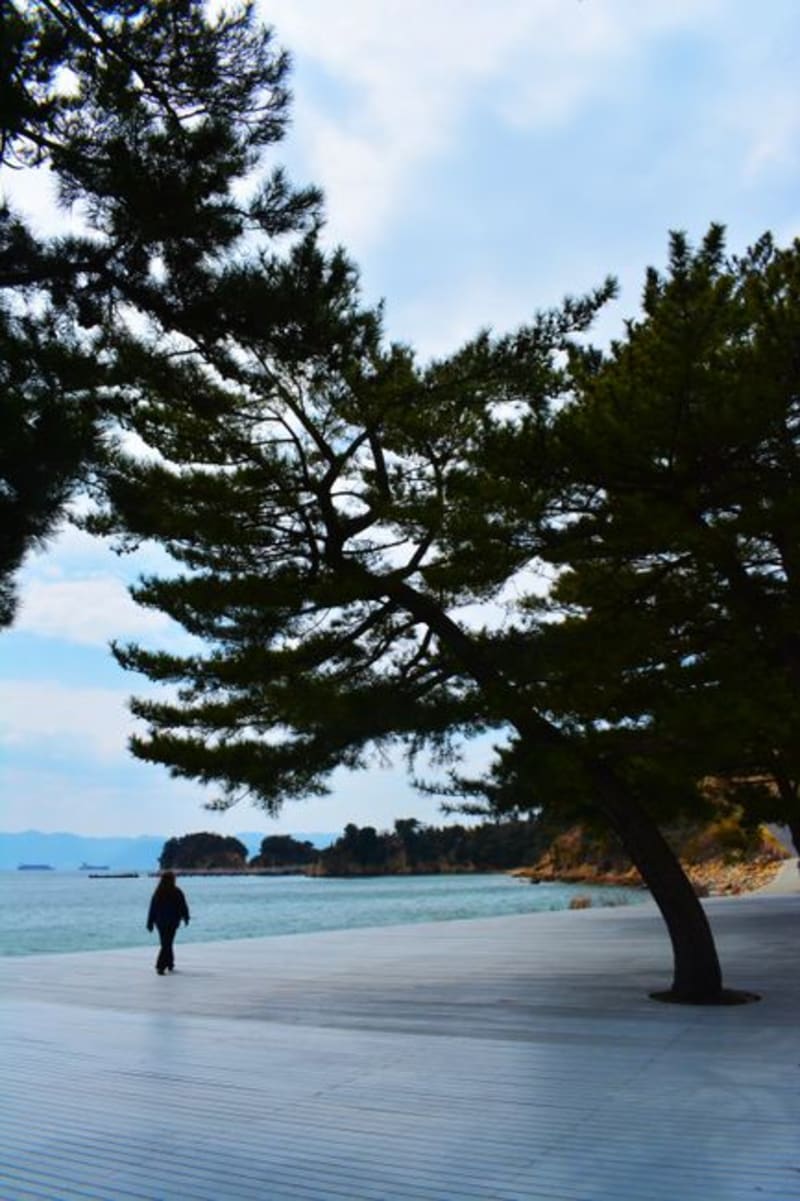 japan
japan Okunoshima
A small green island in the Inland Sea where hundreds of wild rabbits come bounding to meet the ferry, and a dark wartime secret hides in the ruins behind them. It is absurd, joyful, and quietly sobering all at once. We arrived laughing and left thinking.
Explore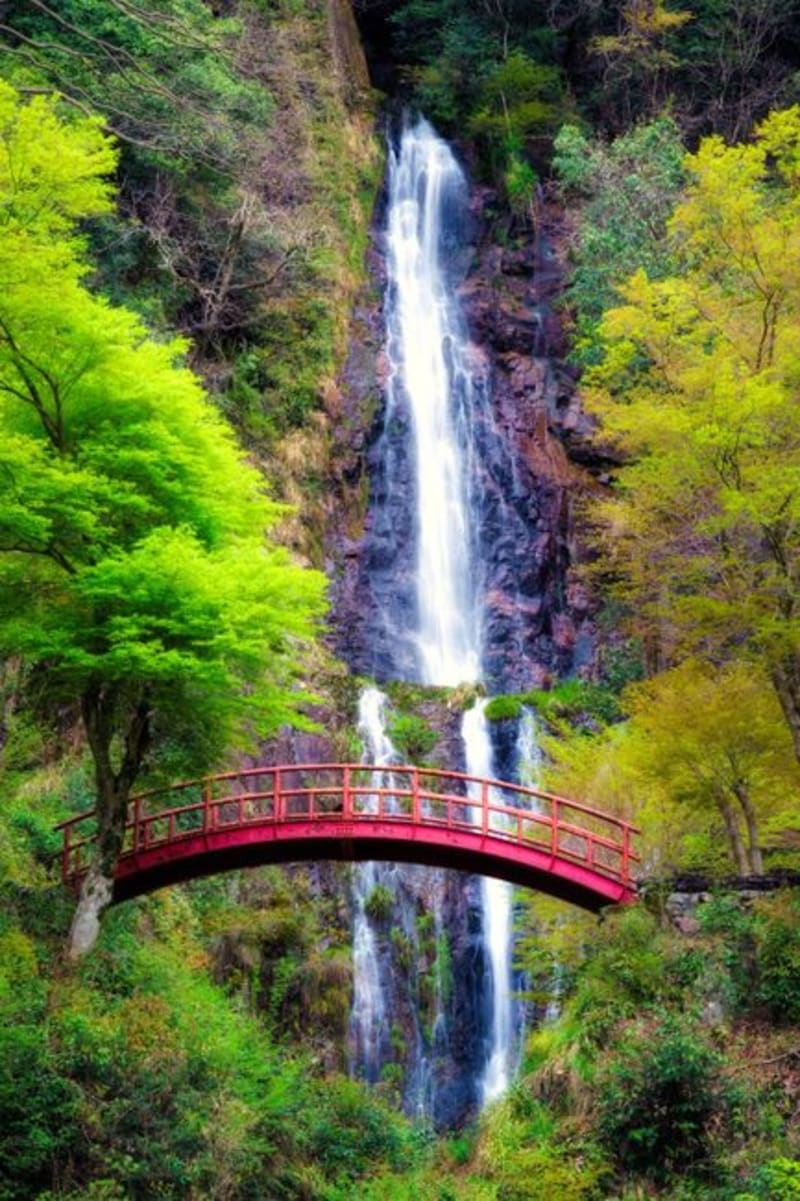 japan
japan Miyoshi
An inland Hiroshima town where three rivers meet and, on the right autumn dawn, a sea of fog drowns the valley below the hills. It has quietly become wine country too, and its river once staged a thousand years of cormorant fishing. We came for the fog and stayed for everything under it.
Explore