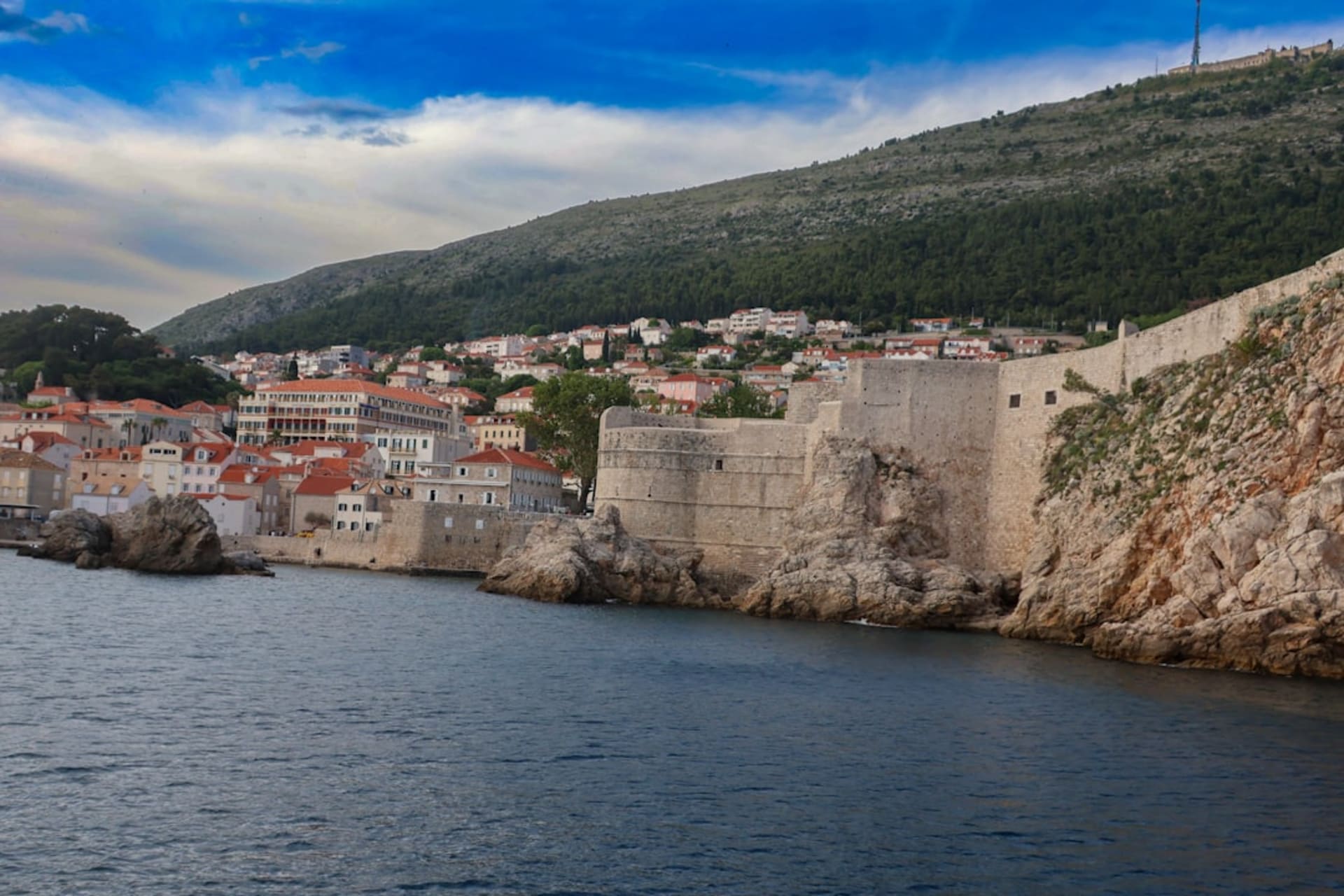
Novigrad
"We sat at a harborside table in Novigrad past ten at night, still working through a plate of small fried fish, boats knocking gently against the dock."
A small fortified fishing port on Istria's western coast where the old town walls meet the harbor and every terrace smells of grilled fish.

Novigrad was the town where I finally understood why people go on about Istrian seafood the way they do. We’d been eating well all week, but Novigrad — this tight little fortified port on the western coast, all narrow lanes and a harbor lined end to end with restaurants — took it up a level. We arrived in the late afternoon, parked outside the old walls, and walked in through one of the narrow gates into streets barely wide enough for two people to pass. Laundry strung between buildings, cats asleep on doorsteps, the whole place smelling faintly of salt and diesel from the fishing boats.
The old town itself is small enough to walk in twenty minutes, which surprised me — I’d pictured something bigger. What Novigrad has instead of scale is density: a cathedral with a crypt worth ducking into, a stretch of surviving town wall you can walk along, and a harbor that’s clearly still a working one, not just decoration for tourists. We watched a couple of fishermen unloading crates in the early evening while, twenty meters away, a waiter was setting white tablecloths for dinner service. Both economies running side by side without much friction.

We ate at a place Lia had bookmarked months earlier, right on the water, and I remember being almost annoyed at how good the fish was, because it made me suspicious of every other seafood dinner I’d had that trip. Grilled orada, a plate of fritto misto that arrived still steaming, a bottle of local Malvazija that the waiter picked for us without much explanation and turned out to be exactly right. We stayed long after we’d finished eating, the way you do at a harbor table when the boats are creaking and the light is doing something nice over the water. Novigrad isn’t a place with headline sights you feel obligated to photograph — it’s a place you eat well in for three hours and call it a successful day.
The next morning we walked the small town beach just outside the walls, more concrete platform than sand, but with steps down into clean water and a decent view back toward the bell tower. It’s not a beach destination the way Rabac or the bigger resorts further south are, and I don’t think it’s trying to be. What Novigrad does well is smaller and more specific: good fish, an old town you can actually feel the age of, and a harbor that still works for a living.

If you’re doing a loop of the Istrian coast and have to cut one town for time, don’t cut this one — cut somewhere flashier and keep the evening free for Novigrad’s harbor.
When to go: Shoulder season evenings, May or September, when the harbor restaurants have tables to spare and the fish is still landing fresh.
Keep exploring
More from Istria
 istria
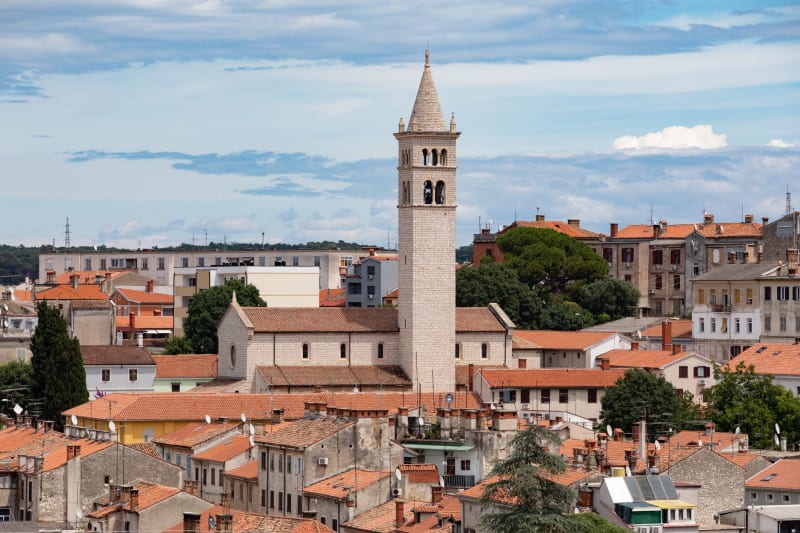
 Oprtalj
A nearly abandoned hilltop village where the frescoes in the church predate the living residents and the silence has real mass.
Explore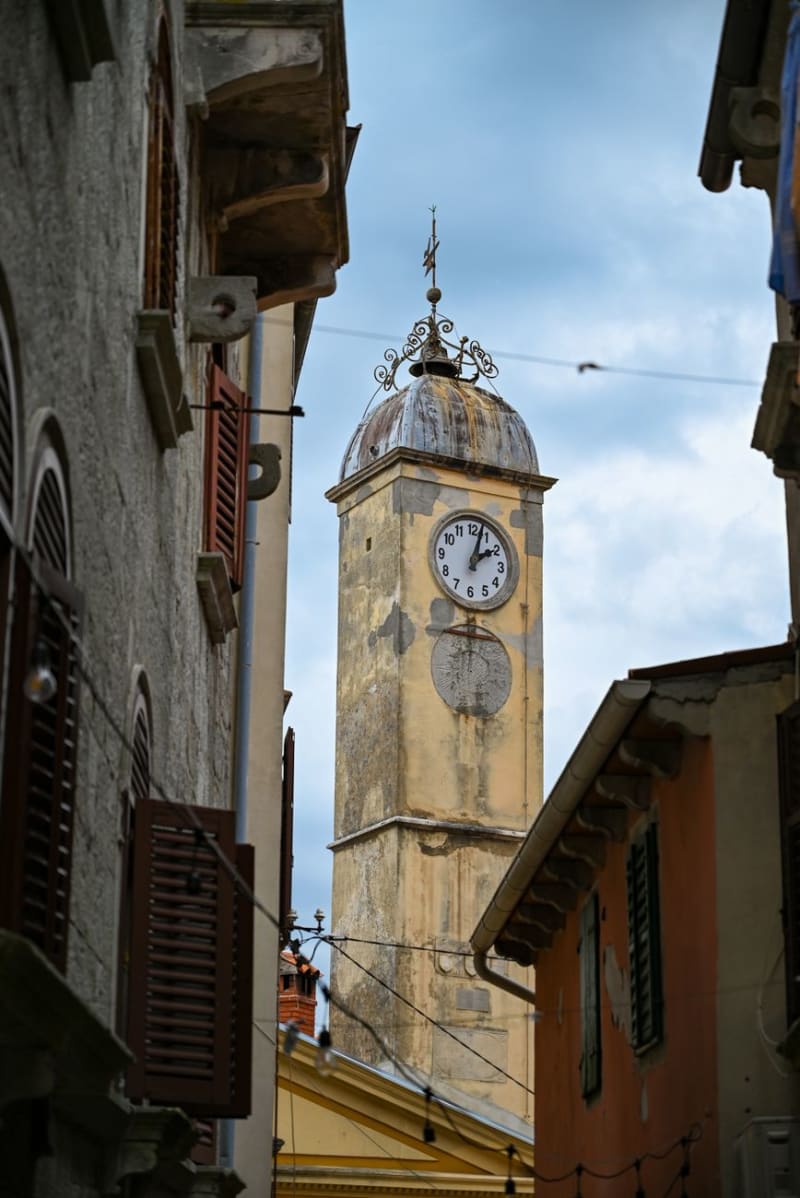 istria
 Pazin
Istria's overlooked inland capital, built on the lip of a karst chasm so dramatic it gave Jules Verne a plot and gave me vertigo.
Explore istria
 Poreč
A Roman grid town on the Adriatic whose sixth-century basilica holds Byzantine mosaics that most tourists walk past too quickly.
Explore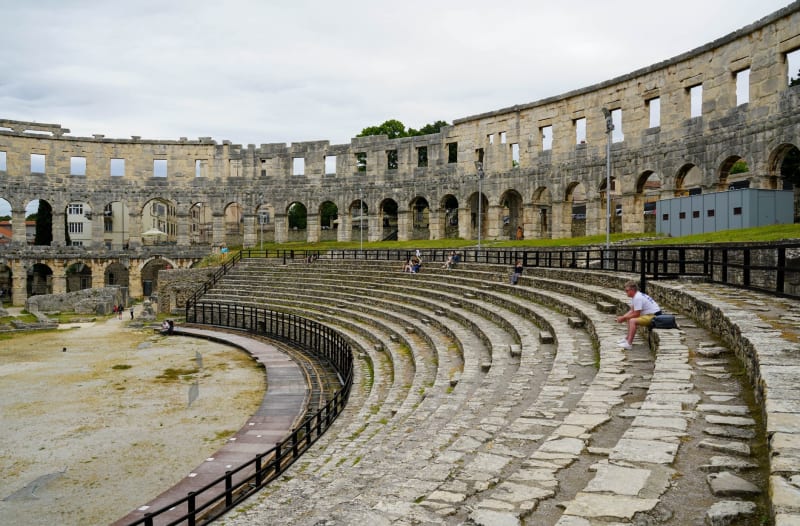 istria
 Pula
A working industrial port where a Roman amphitheater sits at the edge of town like it belongs there, because it does.
Explore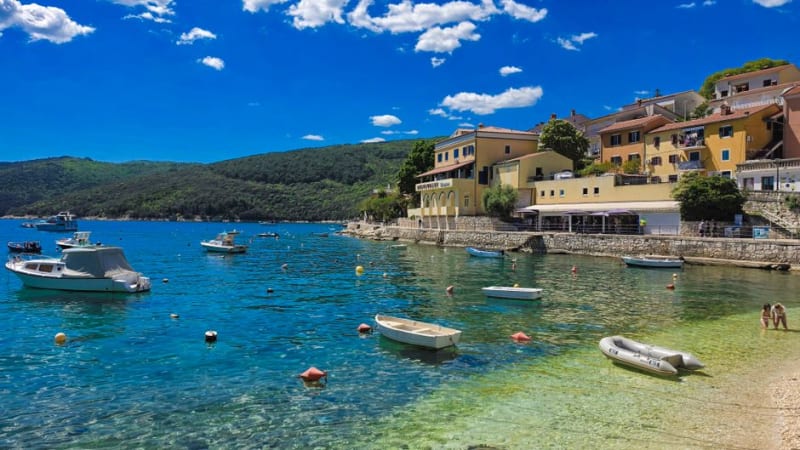 istria
 Rabac
A pebble-beach resort curled beneath Labin's hilltop silhouette, where turquoise coves fill with sunbathers every summer evening.
Explore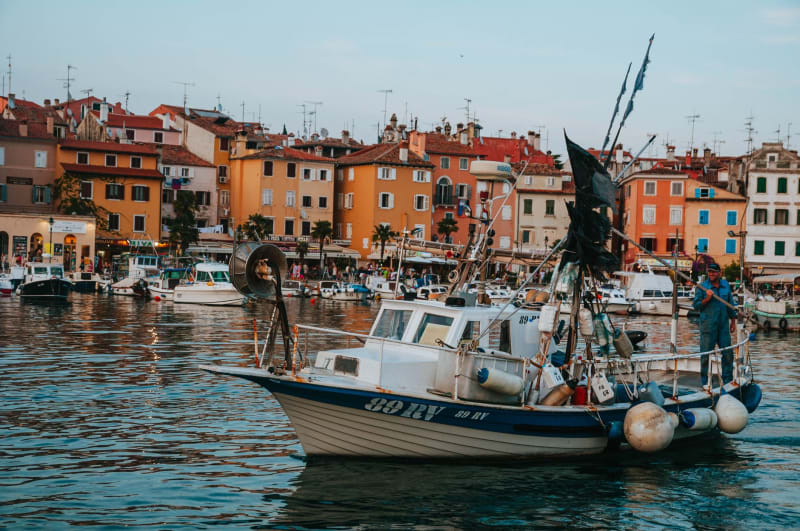 istria
 Rovinj
A coral-painted harbour town so Venetian it makes you wonder if Croatia was always just Italy in disguise.
Explore