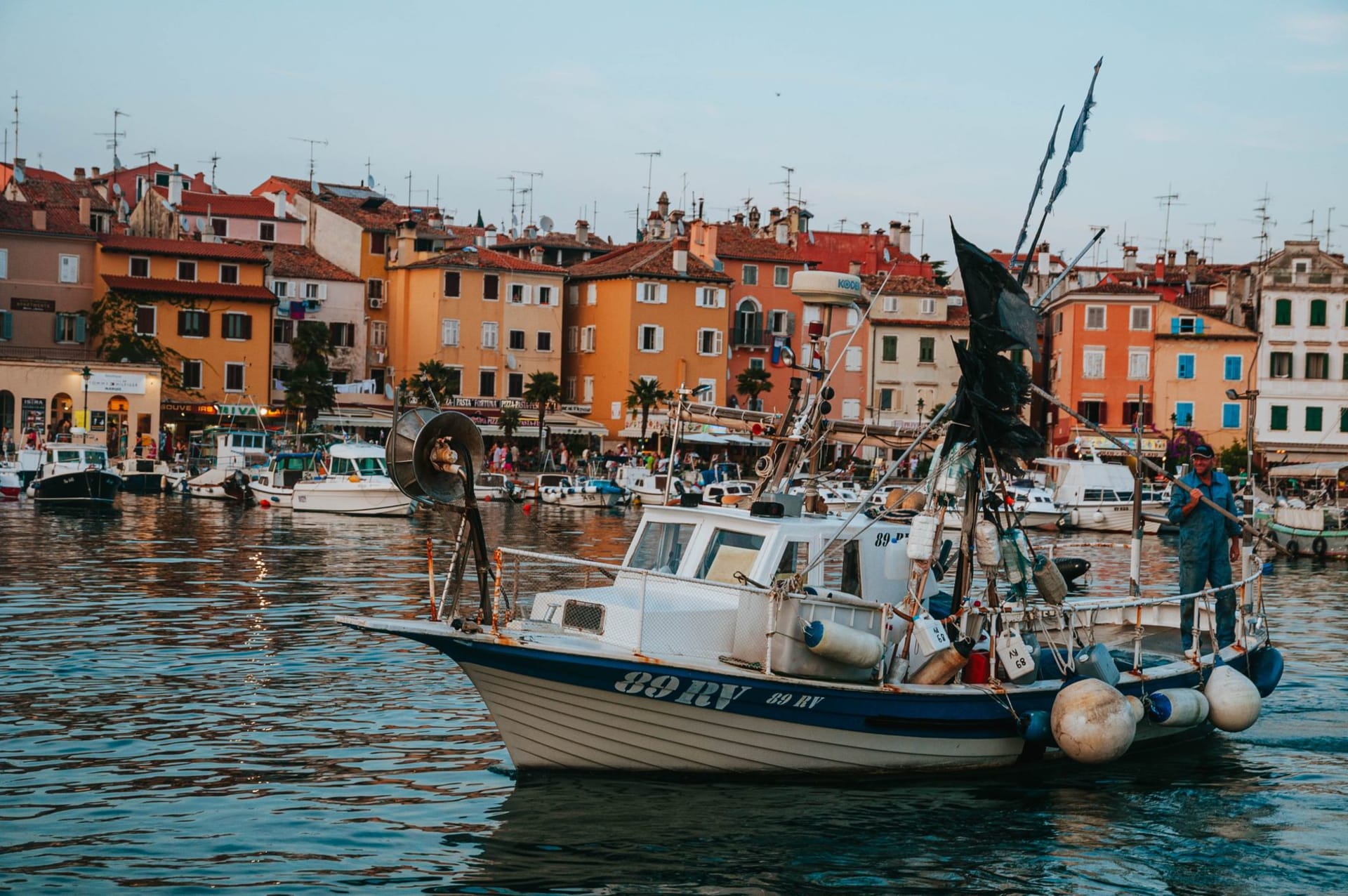
Rovinj
"Rovinj doesn't pretend to be Venice. It simply is what Venice was, before the cruise ships arrived."
A coral-painted harbour town so Venetian it makes you wonder if Croatia was always just Italy in disguise.

I came into Rovinj by sea, on a water taxi from the islands, and the old town appeared all at once from around a headland — the stacked coral and ochre houses rising sheer from the waterline, the bell tower of St. Euphemia needling the late-afternoon sky, the fishing boats rocking in the harbour below. The sight stopped whatever conversation I’d been having mid-sentence. It is one of those approaches that earns its reputation without needing to announce it.
The old town occupies a former island, now joined to the mainland by a narrow causeway, and it shows in the way the streets behave. They don’t go anywhere in straight lines — they spiral upward toward the church, passing under arched doorways, squeezing between walls close enough to touch with both hands simultaneously, spilling into sudden small piazzas where cats sun themselves on warm stone. The Venetian lion still watches from doorways and lintels. The shop signs still appear in Italian below the Croatian. Rovinj was Rovigno for most of its history, and that history is not a costume — it’s still the bones of the place.

The fish market opens before dawn. I was there at six one morning, still carrying a coffee from the only bar with lights on, watching the boats come in. The men handling the crates moved quickly and without theatre, sorting bream and mullet and the occasional dentex into boxes of crushed ice. A woman in rubber boots wrote prices on a small chalkboard. The smell was cold salt and the particular algae-sharpness of fresh catch. By eight o’clock the market was finished, the fish sold, the boats tied, and the old town was waking to a different kind of day — café tables spreading onto the cobblestones, the first tourist photographing the harbour, a dog trotting purposefully toward a smell only it understood.
Eating in Rovinj is the exercise of choosing between many good options and one or two outstanding ones. The restaurants on the water present menus of grilled fish with the confidence of institutions. I sat one evening at a table cantilevered over the harbour, eating a simply grilled brancin — sea bass, the waiter corrected me gently — with olive oil and sea salt and a glass of Malvazija Istarska so pale it was almost colourless. The wine was mineral and a little floral and gone before I noticed I’d finished it. I ordered another. The sun was doing extraordinary things to the harbour surface. There are worse ways to spend an evening.

The church of St. Euphemia at the top of the town holds the sarcophagus of the saint, brought here from Constantinople in the ninth century according to a story involving a miraculous floating stone coffin. The church itself is Baroque, eighteenth century, high and airy, with the Venetian campanile modelled precisely on the one in San Marco. The views from the terrace outside are the reason people climb here: the Rovinj archipelago spread below, the islands of Sveti Andrija and Crveni Otok a short boat ride away, the open Adriatic beginning beyond. In October, with the tourist buses gone and the light carrying the low gold of approaching autumn, you can stand up there for a long time without feeling rushed.
When to go: May and June before the summer peak, or September through October when the crowds thin and the water stays warm enough to swim. July and August are crowded but Rovinj bears it better than most — the working-town rhythm persists, and if you arrive by boat and find accommodation in the old town, the crowds become background rather than obstruction.
Keep exploring
More from Istria
 istria
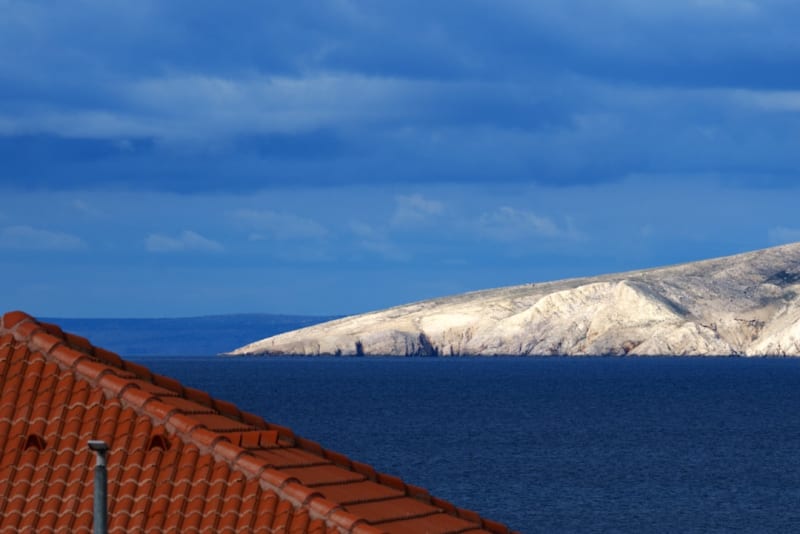
 Savudrija
A low-key fishing village at Istria's northwestern tip, home to the Adriatic's oldest working lighthouse and a shoreline of quiet rocky coves.
Explore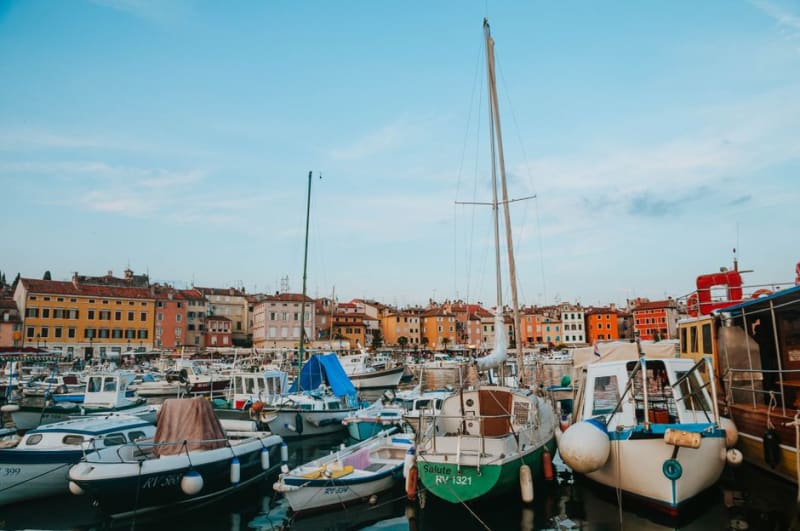 istria
 Umag
Istria's northernmost coastal town, a long-running hub for international tennis with a low-key marina and pine-shaded seafront paths.
Explore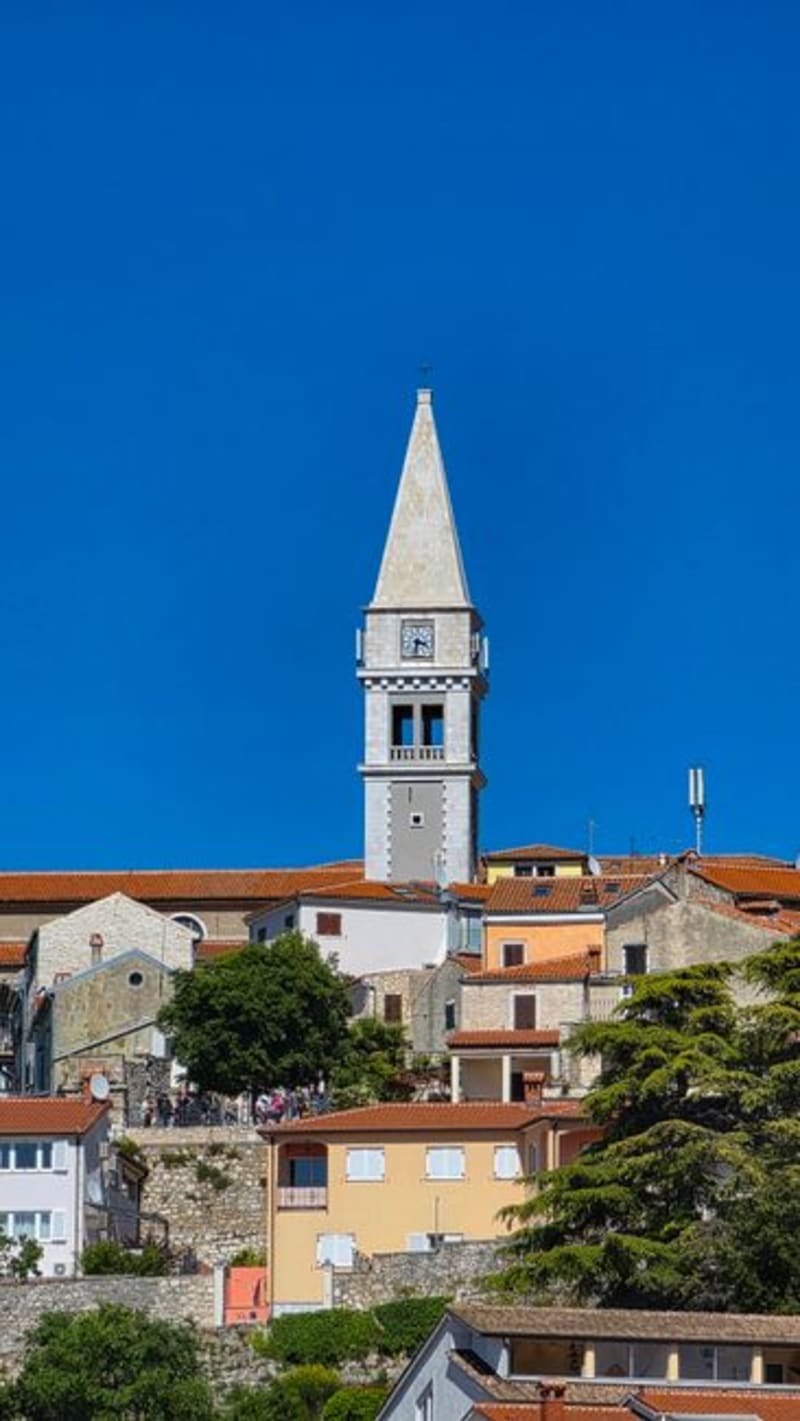 istria
 Vrsar
A hilltop harbor town on Istria's coast where Roman quarries, a Venetian bishopric, and Europe's first naturist resort share the same stretch of shoreline.
Explore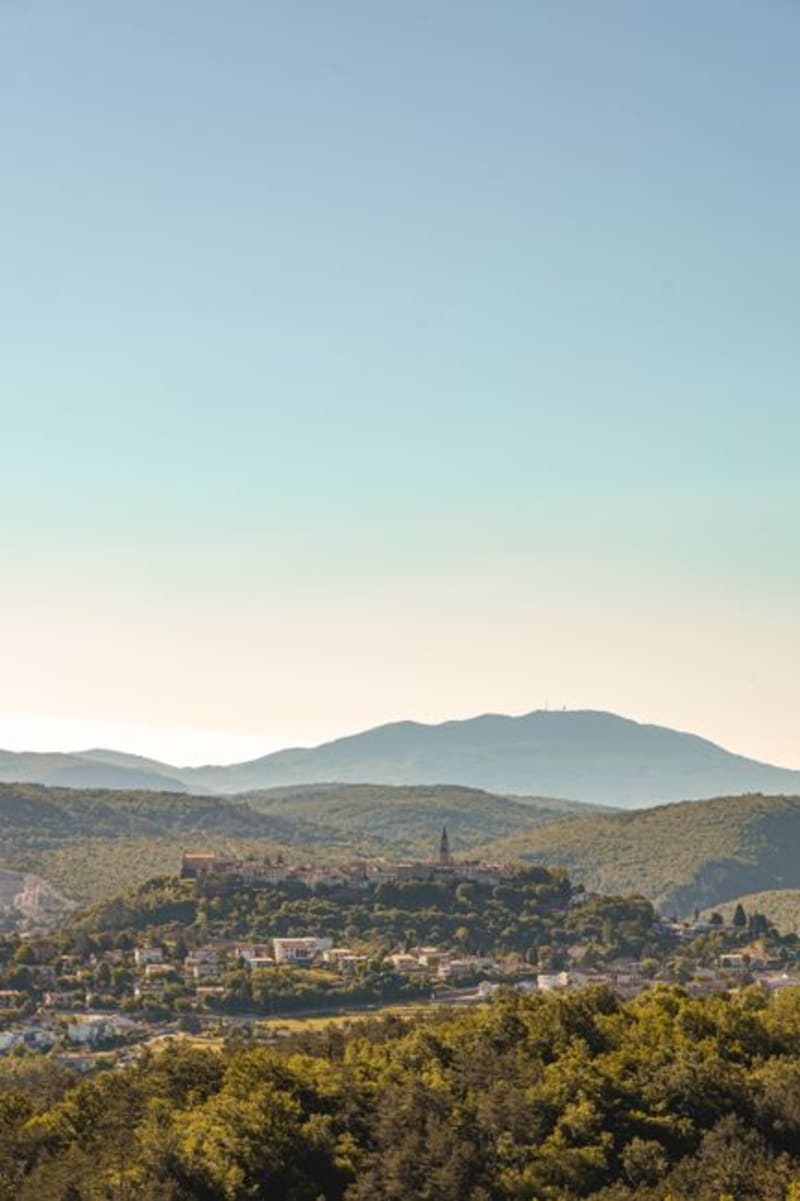 istria
 Bale (Valle d'Istria)
A hilltop village of stone lanes and olive groves where storks nest on the chimneys and a Venetian castle still shelters its founding family.
Explore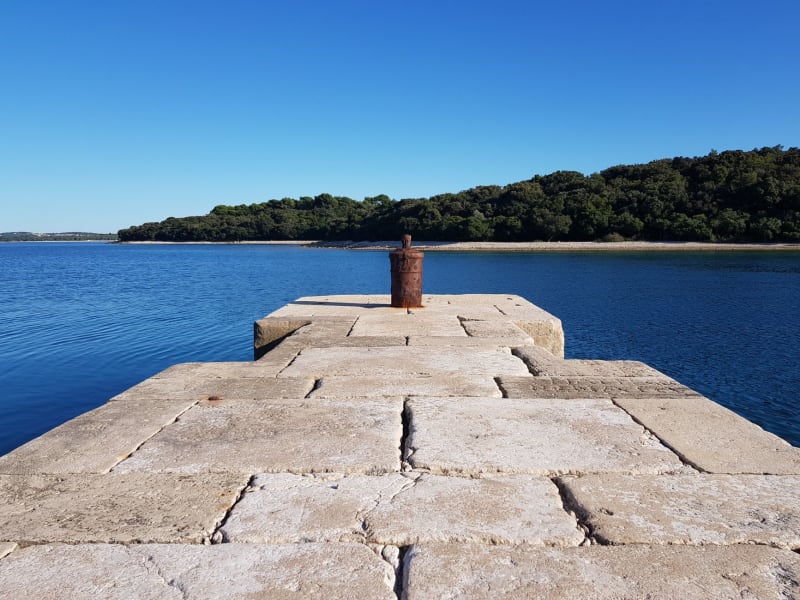 istria
 Brijuni Islands
A national park archipelago where Roman ruins share the shoreline with zebras, and Tito's summer residence is open for inspection.
Explore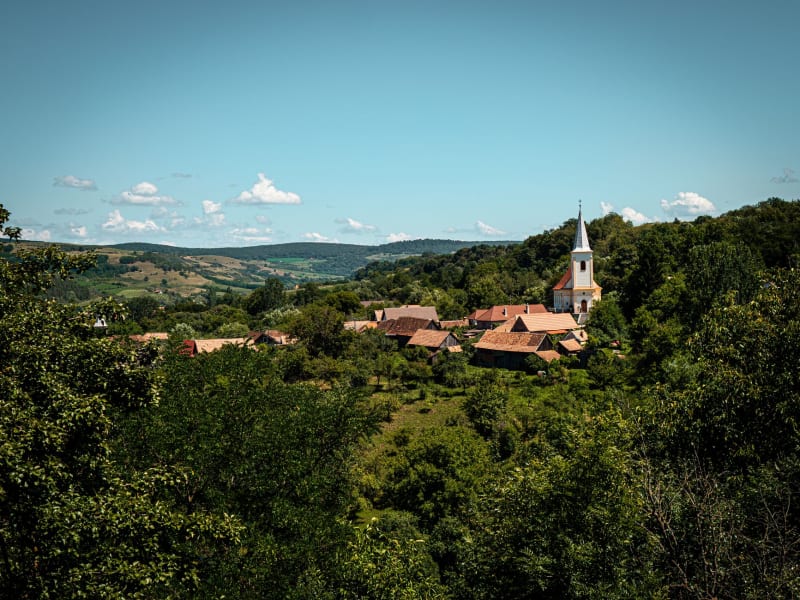 istria
 Buzet
Istria's self-proclaimed city of truffles, where the entire town turns out in September to make a single enormous scrambled egg.
Explore