Europe
Istria
"Istria tastes like Italy and feels like a secret — for now."
Croatia's northernmost peninsula wears its Italian past proudly — hilltop towns, truffle forests, and wines the world is only beginning to notice.

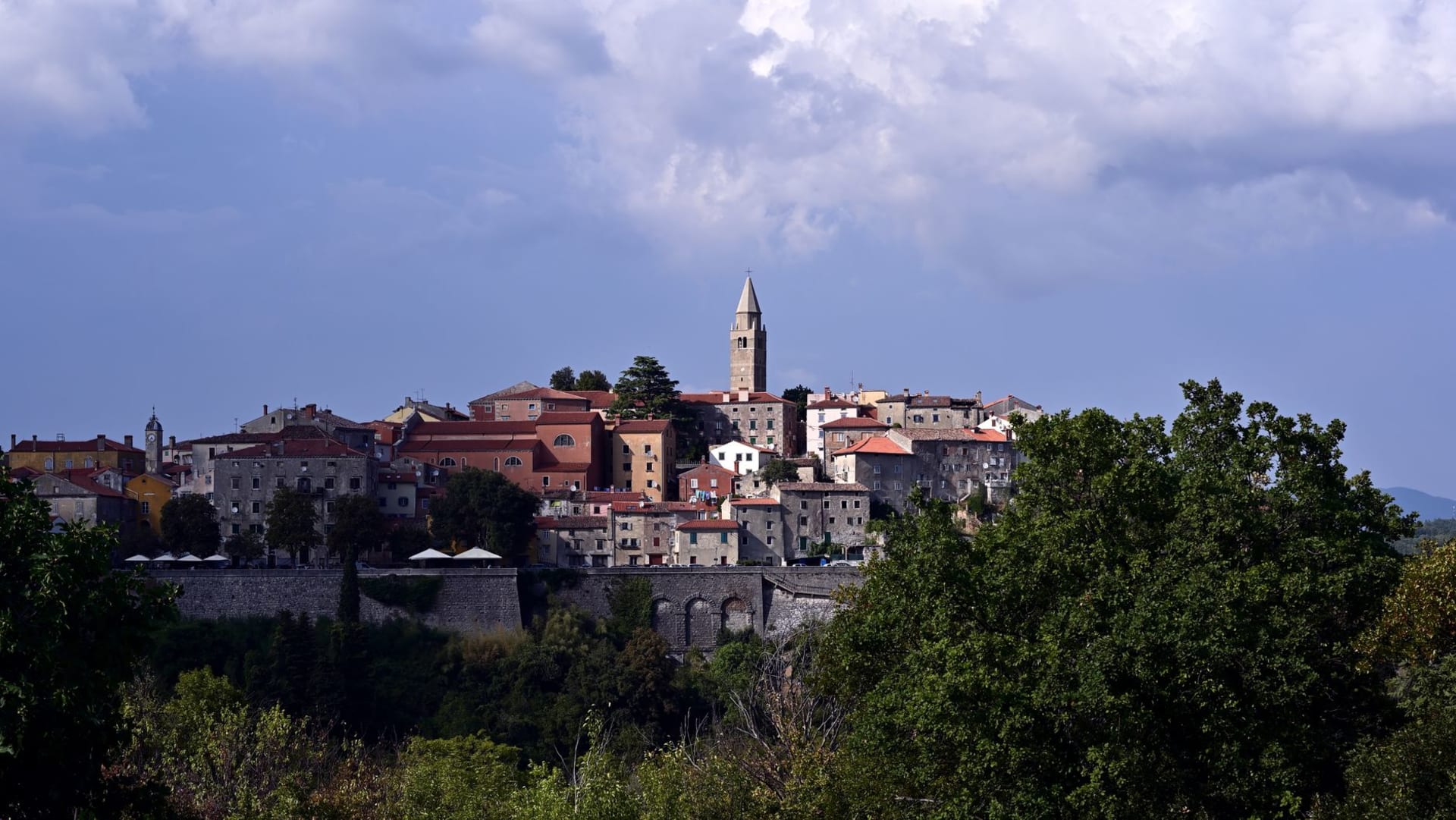
I arrived in Motovun on a Tuesday morning in October, when the truffle hunters were coming down from the forest with mud on their boots and a refusal to say exactly where they’d been. The fog was lifting off the Mirna valley below, the town was almost empty, and a restaurant that seated maybe twelve people was already putting white truffles on eggs at nine in the morning. That first hour in Istria told me everything about what the peninsula is and what it hasn’t yet become.
Istria occupies the wedge of Croatia that juts into the Adriatic above Rijeka, and it carries centuries of Venetian and Italian history in its bones. The architecture of Rovinj — coral-painted houses stacked above a harbor, a campanile that could have been airlifted from Venice — is not a replica. It is the original, or close enough to make the distinction academic. Poreč’s Euphrasian Basilica holds sixth-century Byzantine mosaics that most visitors in a hurry walk past in fifteen minutes; they deserve an hour of stillness. The inland roads between Grožnjan, Oprtalj, and Zavičaj pass through a landscape of limestone ridges and oak forest that the tourist buses never reach — just you, the occasional tractor, and roadside stands selling olive oil in recycled bottles with handwritten labels. The Istrian olive oils are extraordinary. So is the wine: Malvazija Istarska is the white grape the region has been making for centuries, fresh and mineral, never quite the same from one producer to the next. Teran, the red, is something rougher and more honest, the kind of wine that tastes better with grilled lamb than with anything a sommelier might recommend.
The Adriatic coast here is quieter than Dalmatia — less dramatic, arguably more livable. Rovinj gets crowded in July and August but retains a working-fishing-town dignity that Dubrovnik long ago surrendered. The smaller coves between Pula and Rovinj, reachable only on foot or by boat, offer the same transparent water without the soundtrack.
When to go: Late September through mid-November is ideal — truffle season, vendemmia, warm enough for swimming until October, and the peninsula largely returned to itself after summer. Late April and May work well too, with wildflowers on the limestone plateaus and restaurants reopening with genuine enthusiasm after the winter.
What most guides get wrong: They frame Istria as a day trip from Croatia’s coast or a wine-and-truffle weekend. It rewards slower movement than that. The inland villages — Motovun, Grožnjan, Hum (population: around twenty people, the smallest town in the world) — each deserve their own afternoon, not a photo stop on a loop itinerary. And the olive oil deserves as much attention as the truffles; stop at a frantoia during harvest and you’ll understand what fresh-pressed oil actually tastes like.
Explore
Places in Istria
 istria
 Bale (Valle d'Istria)
A hilltop village of stone lanes and olive groves where storks nest on the chimneys and a Venetian castle still shelters its founding family.
Explore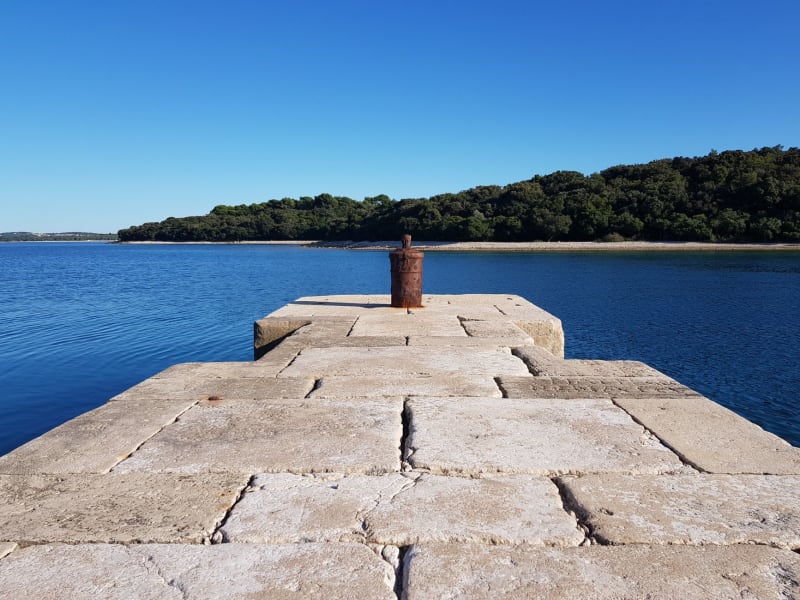 istria
 Brijuni Islands
A national park archipelago where Roman ruins share the shoreline with zebras, and Tito's summer residence is open for inspection.
Explore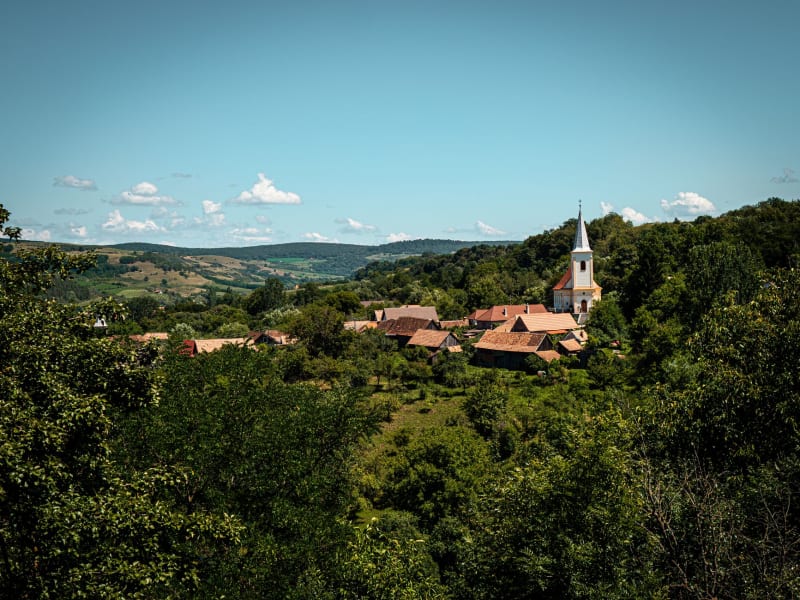 istria
 Buzet
Istria's self-proclaimed city of truffles, where the entire town turns out in September to make a single enormous scrambled egg.
Explore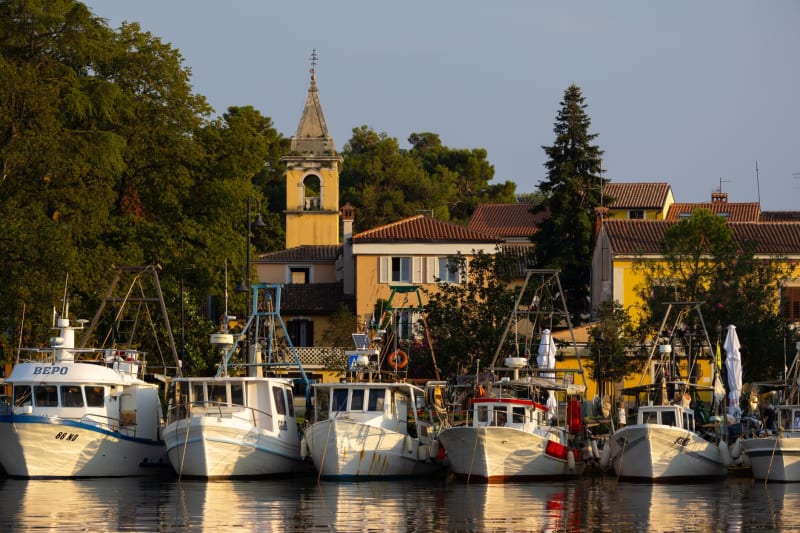 istria
 Grožnjan
A hilltop village so empty it was given to artists, and the artists made it stranger and more beautiful than it was before.
Explore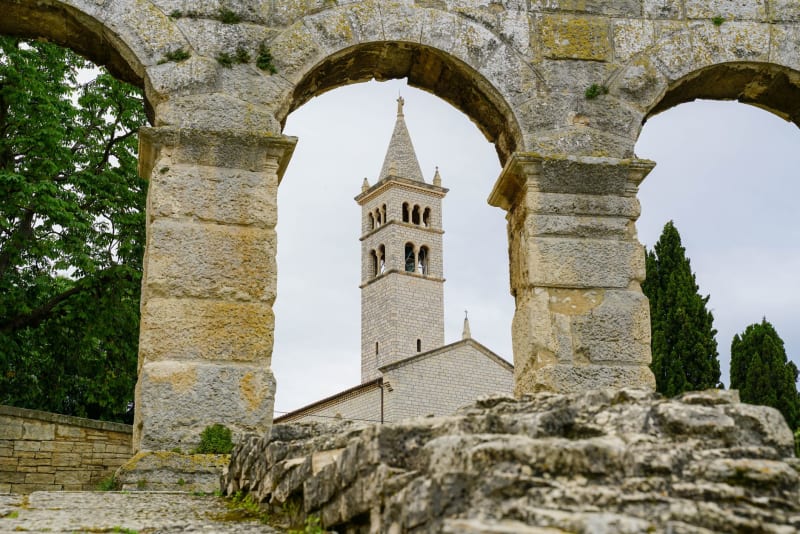 istria
 Hum
The world's smallest town — twenty-odd residents, one gate, one street, one konoba — and somehow entirely sufficient.
Explore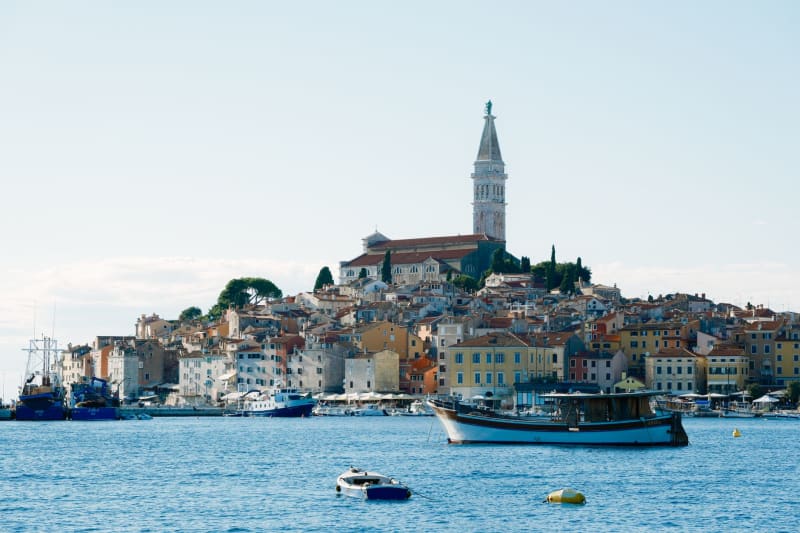 istria
 Labin
A former coal-mining hilltop town that decided it was also an art republic and turned out to be right about both.
Explore istria
 Lim Fjord
A narrow, limestone-walled inlet on Istria's coast lined with oyster and mussel farms, the water flat and impossibly green under the cliffs.
Explore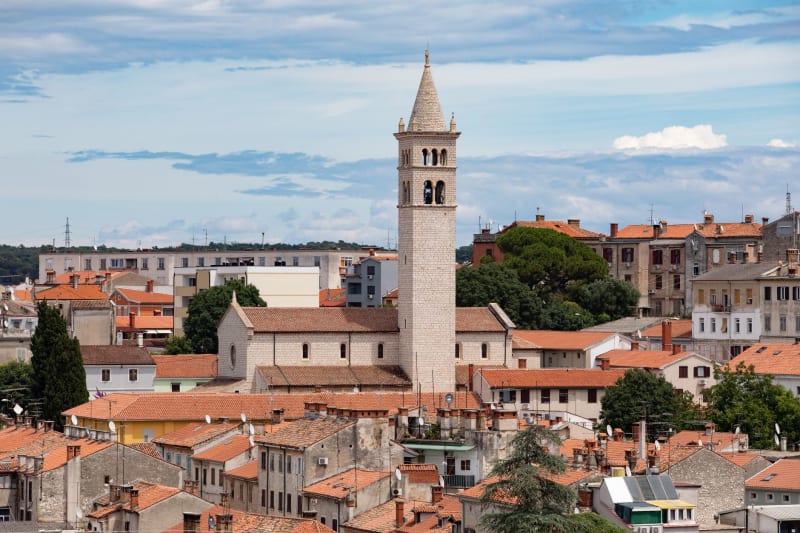 istria
 Motovun
A medieval walled town perched over truffle forest, where October fog and white truffles on eggs justify any detour.
Explore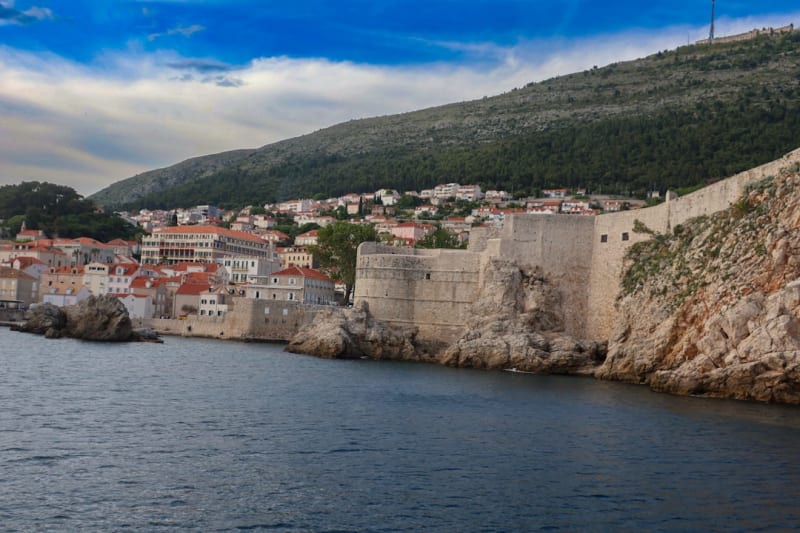 istria
 Novigrad
A small fortified fishing port on Istria's western coast where the old town walls meet the harbor and every terrace smells of grilled fish.
Explore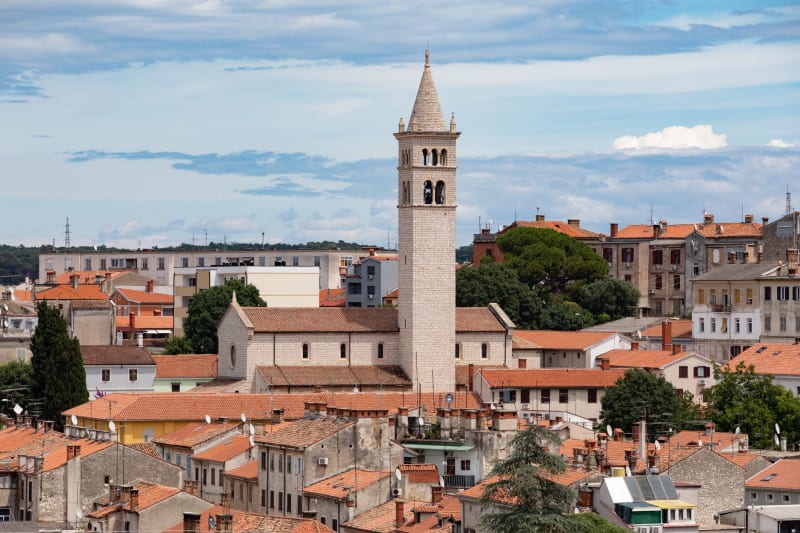 istria
 Oprtalj
A nearly abandoned hilltop village where the frescoes in the church predate the living residents and the silence has real mass.
Explore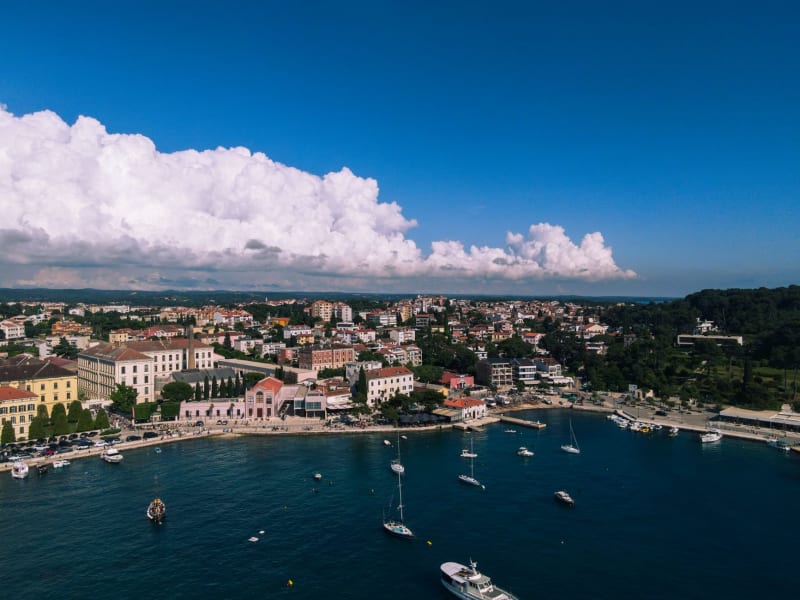 istria
 Pazin
Istria's overlooked inland capital, built on the lip of a karst chasm so dramatic it gave Jules Verne a plot and gave me vertigo.
Explore istria
 Poreč
A Roman grid town on the Adriatic whose sixth-century basilica holds Byzantine mosaics that most tourists walk past too quickly.
Explore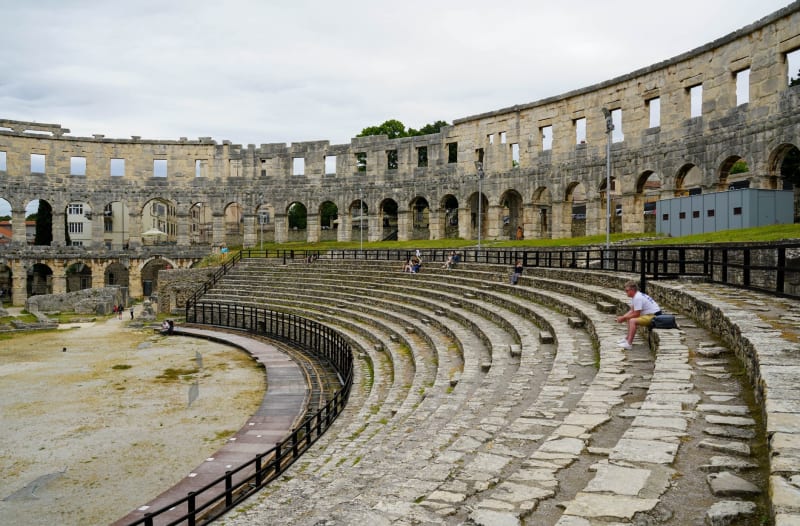 istria
 Pula
A working industrial port where a Roman amphitheater sits at the edge of town like it belongs there, because it does.
Explore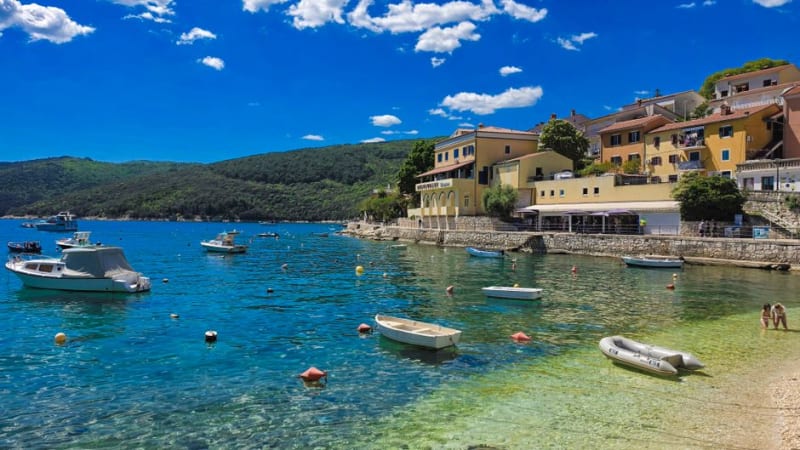 istria
 Rabac
A pebble-beach resort curled beneath Labin's hilltop silhouette, where turquoise coves fill with sunbathers every summer evening.
Explore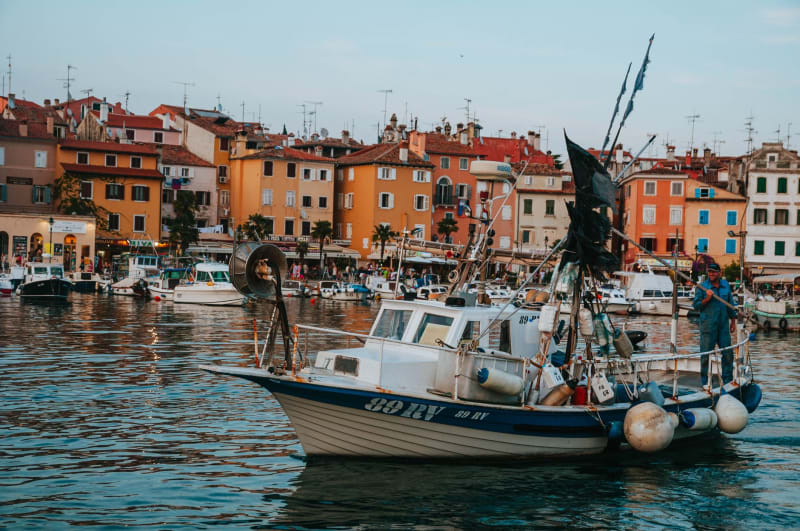 istria
 Rovinj
A coral-painted harbour town so Venetian it makes you wonder if Croatia was always just Italy in disguise.
Explore istria
 Savudrija
A low-key fishing village at Istria's northwestern tip, home to the Adriatic's oldest working lighthouse and a shoreline of quiet rocky coves.
Explore