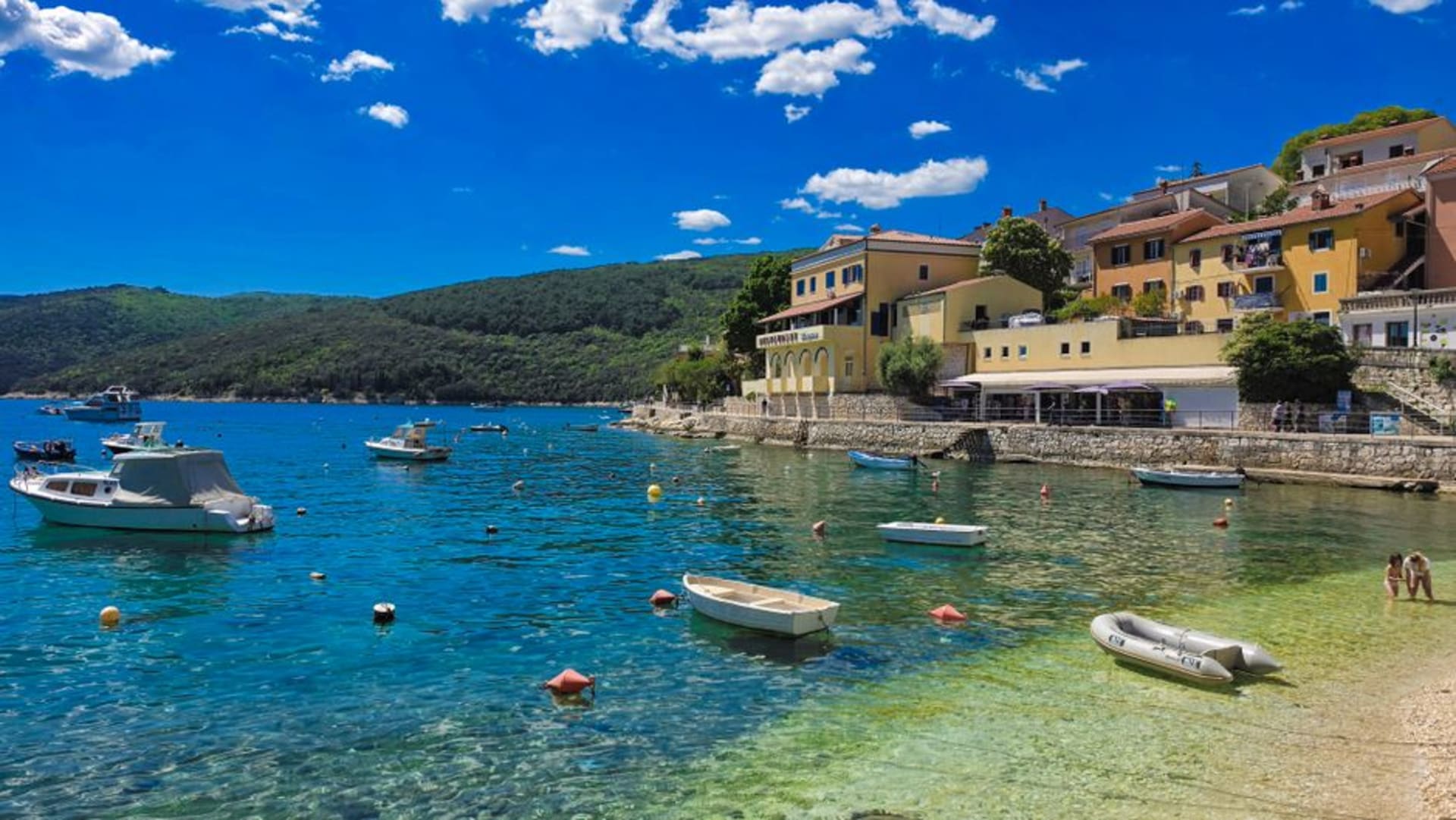
Rabac
"I swam out past the last of the buoys at Rabac and turned around just to look up at Labin glowing orange on the hill above."
A pebble-beach resort curled beneath Labin's hilltop silhouette, where turquoise coves fill with sunbathers every summer evening.

Lia and I ended up in Rabac almost by accident, on our way down the eastern coast of Istria with no real plan beyond finding water to jump into. We hadn’t expected much from a town that every guidebook describes in a single line as “the beach resort below Labin,” but the descent into it is dramatic enough on its own — the road switchbacks down through pine forest and suddenly the bay opens up, all these little coves stacked one after another along the shore. We parked badly, on a verge that clearly wasn’t meant for parking, and walked down toward the water past souvenir shops selling lavender sachets and truffle oil, the smell of grilled fish drifting out from every terrace.
What struck me first was the pebbles. Not sand — smooth, fist-sized stones that you either love or spend the whole afternoon complaining about. I’m somewhere in between. They’re murder on bare feet for the first ten meters, and then the water is so clear and so cold-but-not-too-cold that you forget your feet entirely. We found a quieter cove past the main promenade, climbed down some rocks with our bags, and spent three hours doing essentially nothing, which is the correct way to spend an afternoon in Rabac.

What I didn’t expect was how much I’d like Labin itself, the old hill town Rabac sits beneath. In the evening, when the beach crowd thins out and everyone’s had their fill of sun, we drove the ten minutes up and wandered the stone streets as the light went gold, then rust, then that deep blue that only happens right after sunset in this part of the world. From up there you can see the whole sweep of the bay, Rabac’s lights starting to come on, the sea flattening out toward Cres. It felt like the town’s better half was hiding in plain sight above it, and most beach-day tourists never bother to climb up and find it.
We ate dinner at a small konoba on a side street in Labin — nothing fancy, a family place with paper tablecloths — and had squid so simply grilled it barely needed the lemon. Lia ordered fuži with truffles because we were in Istria and it felt obligatory, and it was good enough that I stole more than my fair share. Back down in Rabac later, the promenade was still going, kids running around with ice cream, couples doing the slow post-dinner walk along the water. There’s a slightly package-holiday feel to Rabac at its center that I won’t pretend isn’t there — plenty of German and Austrian families have been coming here for decades — but it doesn’t ruin it. It just means the infrastructure for a relaxed few days is all in place.

If I go back, and I think I will, it’ll be for that combination: mornings in the water down in the coves, evenings up in Labin watching the light change over the bay. It’s a simple formula, but on the Istrian coast simple formulas tend to work.
When to go: Late June or September, when the water’s warm and Labin’s stone alleys aren’t yet (or no longer) baking in July-August heat.
Keep exploring
More from Istria
 istria
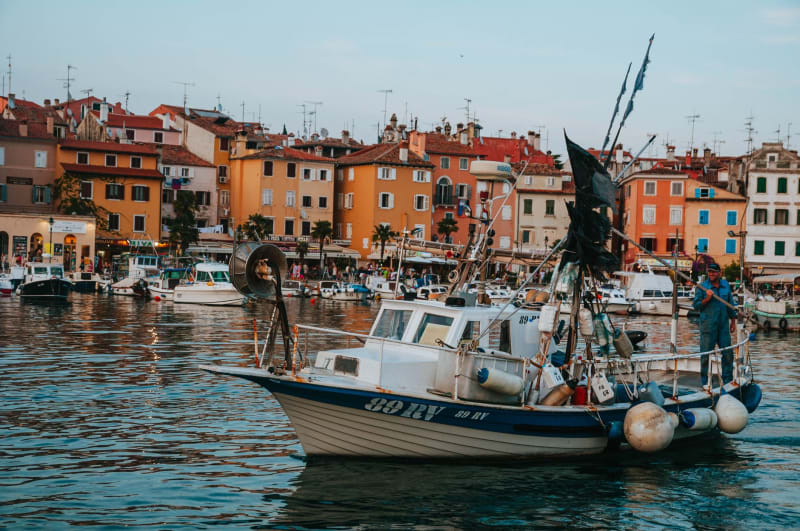
 Rovinj
A coral-painted harbour town so Venetian it makes you wonder if Croatia was always just Italy in disguise.
Explore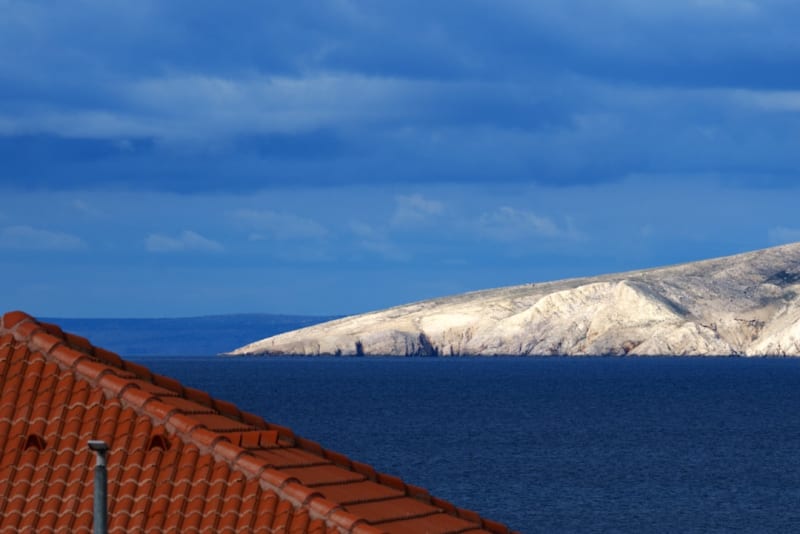 istria
 Savudrija
A low-key fishing village at Istria's northwestern tip, home to the Adriatic's oldest working lighthouse and a shoreline of quiet rocky coves.
Explore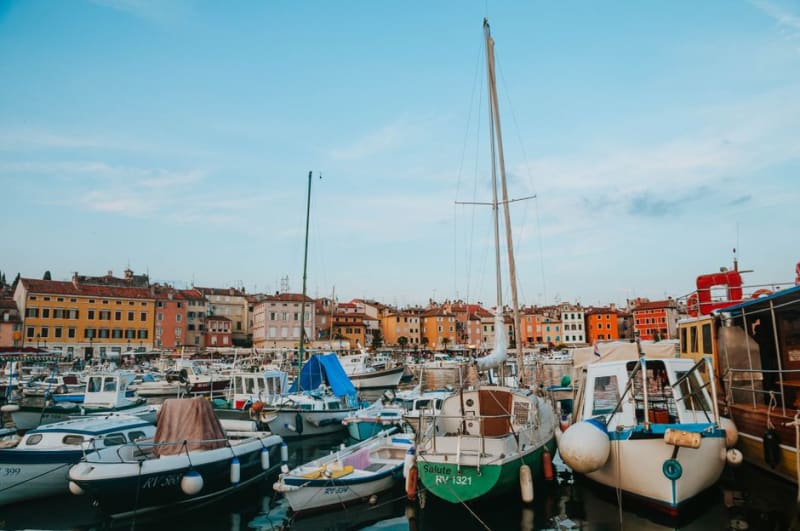 istria
 Umag
Istria's northernmost coastal town, a long-running hub for international tennis with a low-key marina and pine-shaded seafront paths.
Explore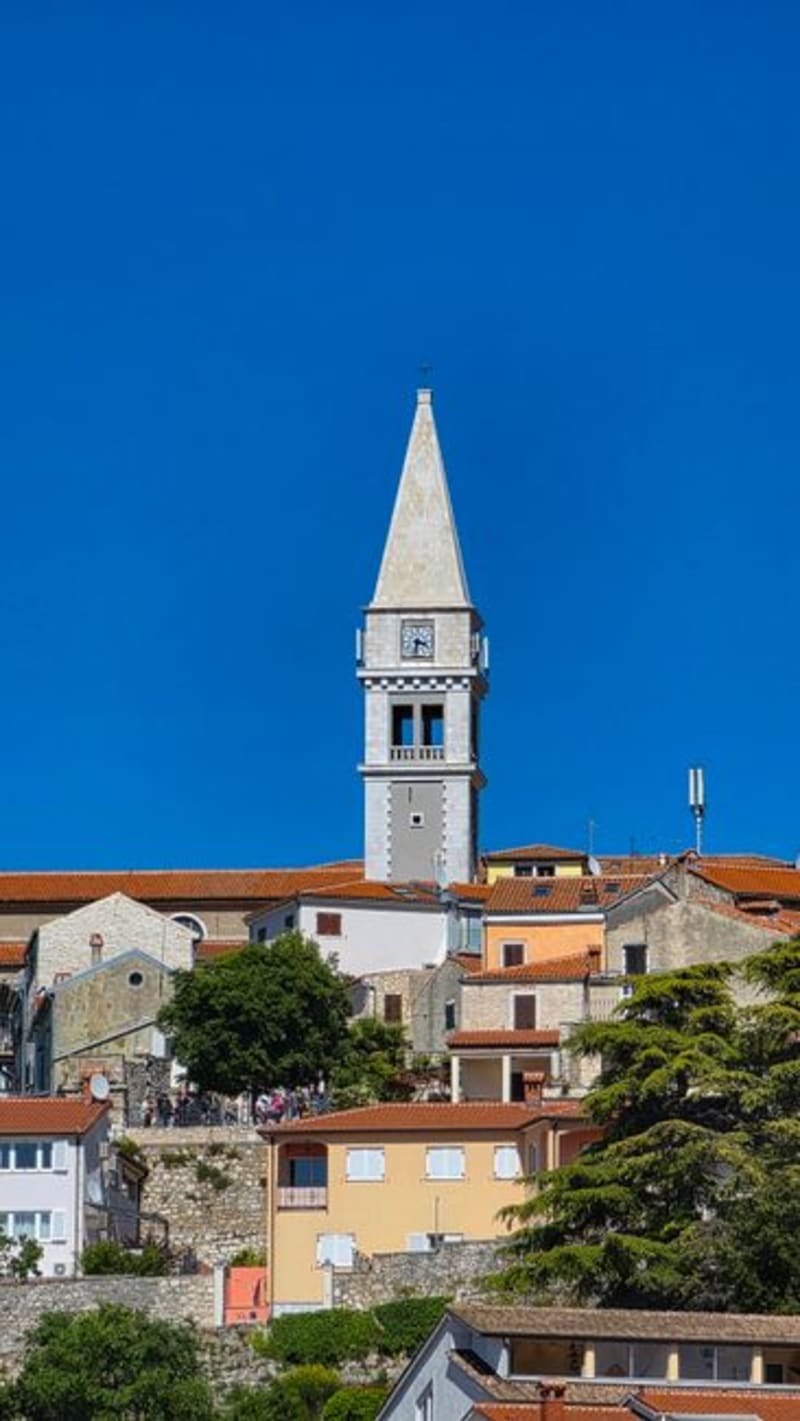 istria
 Vrsar
A hilltop harbor town on Istria's coast where Roman quarries, a Venetian bishopric, and Europe's first naturist resort share the same stretch of shoreline.
Explore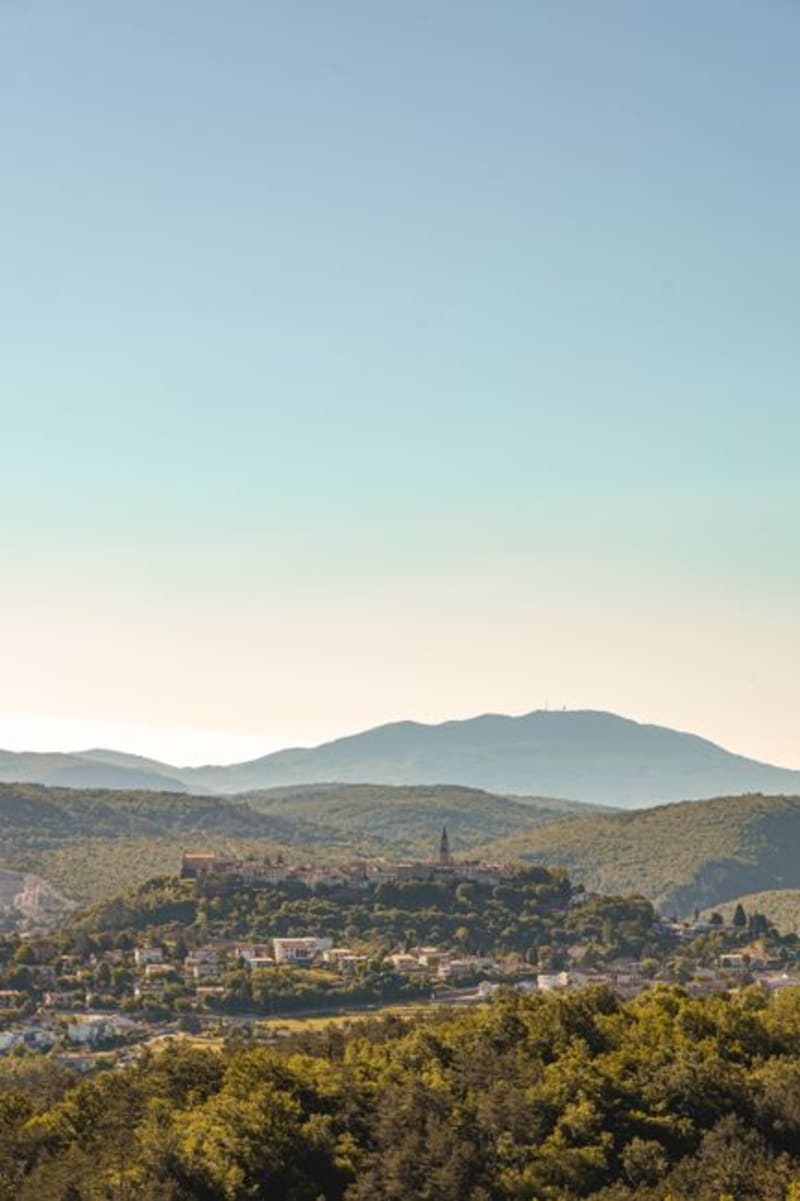 istria
 Bale (Valle d'Istria)
A hilltop village of stone lanes and olive groves where storks nest on the chimneys and a Venetian castle still shelters its founding family.
Explore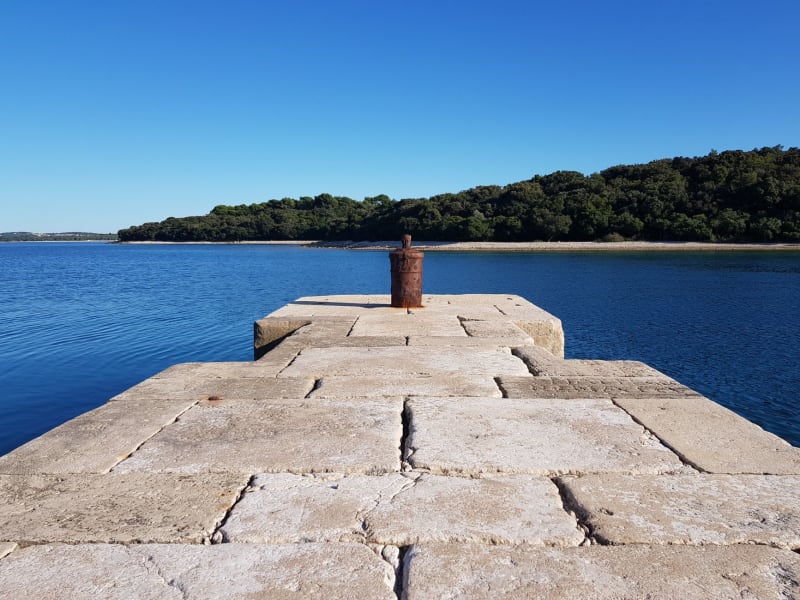 istria
 Brijuni Islands
A national park archipelago where Roman ruins share the shoreline with zebras, and Tito's summer residence is open for inspection.
Explore