Middle East
Israel
"I came for the history. I stayed for the food, and the arguments."
A country where three thousand years of contested history press against you from every stone, every meal, every conversation — and somehow the hummus is still the best argument for peace.
I landed at Ben Gurion on a Tuesday morning in October, already exhausted from the overnight flight, and by the time I’d cleared security — which in Israel is its own anthropological experience — a soldier was asking me, with genuine curiosity, why I’d chosen to visit. Not suspiciously. Just curious. That was the first surprise. The second was stepping out into that dry Mediterranean light, the kind that makes everything look slightly too real, like the contrast has been turned up on the whole country.
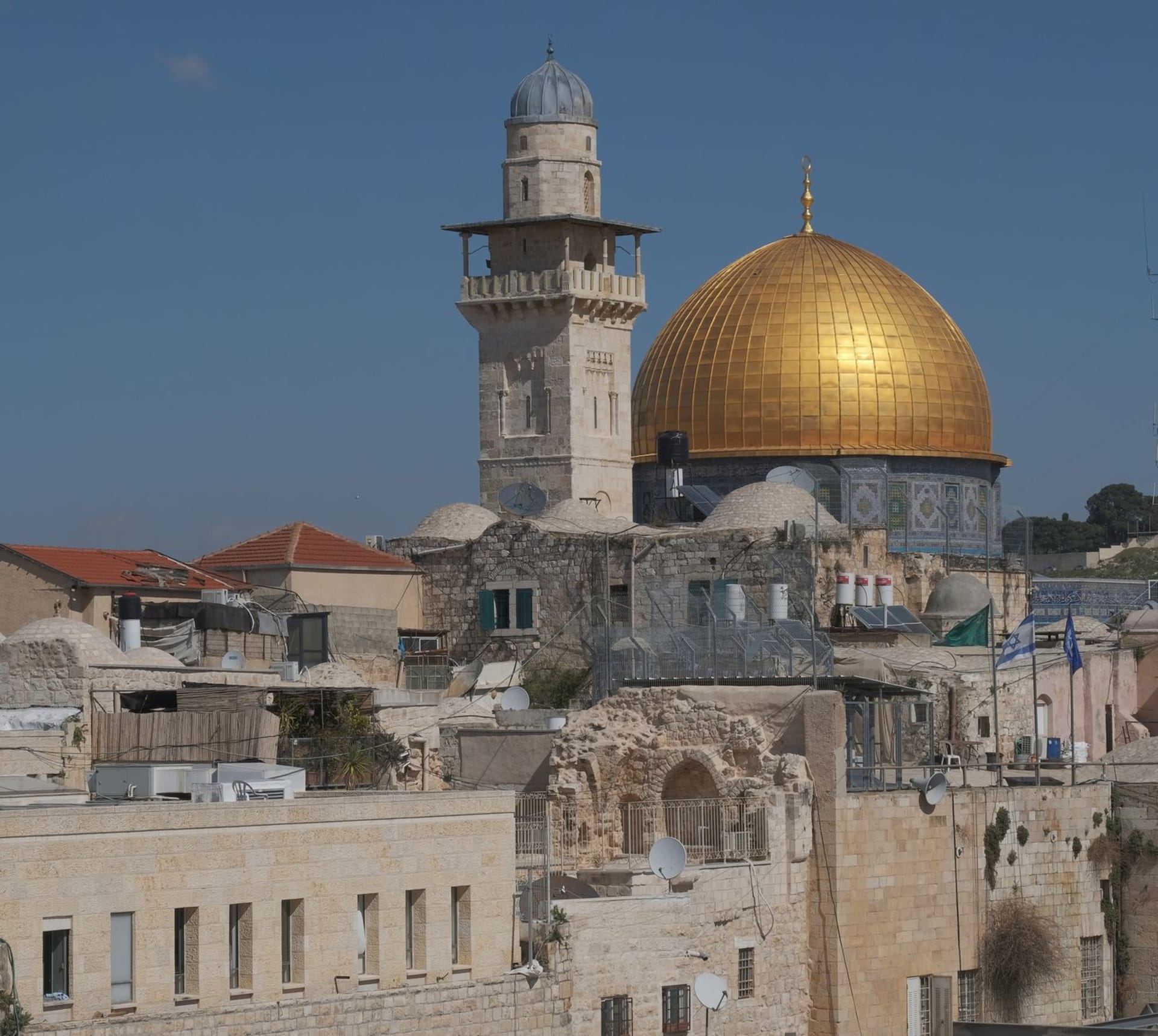
Jerusalem hit me differently than I expected. I’d built it up in my head as a solemn place, heavy with meaning. And it is heavy — you can feel the centuries stacked underfoot on the Via Dolorosa, and standing at the Western Wall on a Friday evening, watching families arrive in their Shabbat clothes while the call to prayer drifts over from the Al-Aqsa Mosque above, is genuinely moving. But what I hadn’t expected was how alive it all is. The Muslim Quarter at lunch, spices and sesame and grilled meat spilling into the narrow lanes. The Jewish Quarter’s rooftop bars at dusk. The Armenian Quarter’s bakeries where no one seems to be in a hurry. I spent four days in the Old City and barely scratched it.
Tel Aviv was the antidote and the counterpoint — a young, brash, secular city that feels more like a Mediterranean startup than a Middle Eastern capital. The beach is real. The nightlife is real. The food scene is extraordinary in a way that has nothing to do with marketing: plates of mezze at Carmel Market that you eat standing up, Yemenite jachnun on Saturday mornings, the kind of shakshuka that makes every version you’ve had before feel like an apology. I ate better and more cheaply in Tel Aviv than in most European capitals. And the coffee — serious espresso culture, no tourist nonsense. I went north to the Galilee, too, where the landscape opens up into something almost pastoral, fig trees and basalt hills and the Sea of Galilee looking far smaller than you imagined from Sunday school.
When to go: March–May and October–November are the sweet spots — warm without the punishing summer heat (Jerusalem can hit 35°C in August), and you avoid the peak tourist crush at the holy sites. Avoid the week of Passover unless you’ve planned carefully; Tel Aviv empties and prices spike. October is perfect: harvest season in the north, golden light everywhere, and the sea still warm enough to swim.
What most guides get wrong: They frame Israel as a pilgrimage destination with some beaches attached. That misses the point entirely. The country’s most interesting tension isn’t between religions — it’s between its extraordinary, layered past and its aggressively modern present. Tel Aviv is one of the most progressive cities in the Middle East. The food culture is genuinely world-class, built from the cuisines of diaspora communities from Morocco to Yemen to Ethiopia to Eastern Europe. The people are opinionated, argumentative, funny, and will invite you to dinner within an hour of meeting you. Come for the history if you want, but don’t let it be the only thing you see.
Explore
Places in Israel
 israel
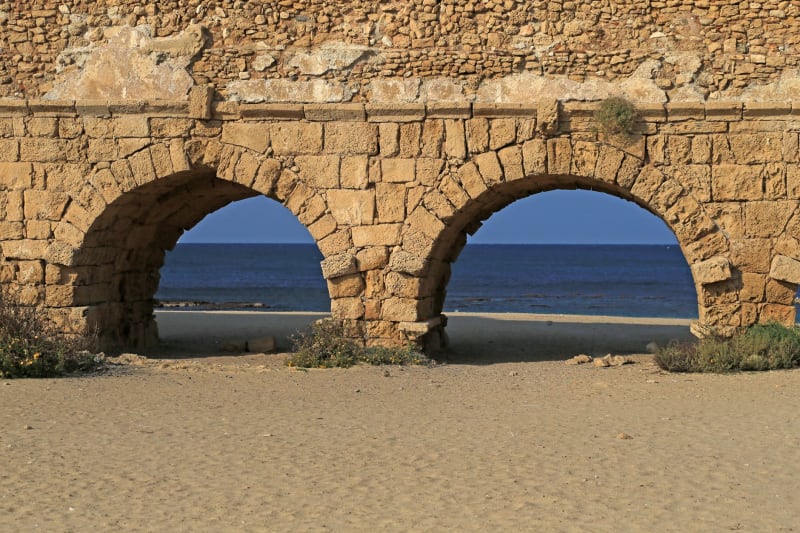
 Caesarea
A Roman port city built by Herod the Great sits half-submerged in the Mediterranean, its amphitheater still hosting concerts where the acoustics are two thousand years old.
Explore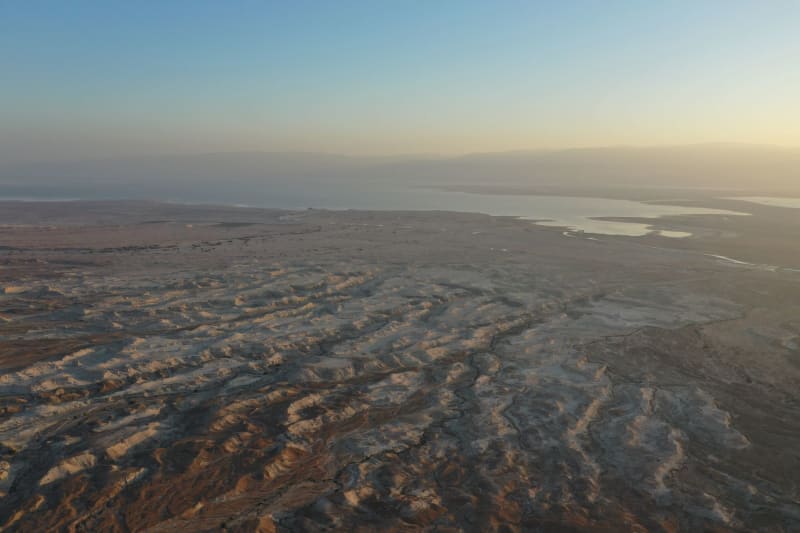 israel
 Dead Sea
The lowest point on Earth is a hyper-saline lake ringed by desert cliffs where you float without trying and slather yourself in black mud like it's perfectly normal.
Explore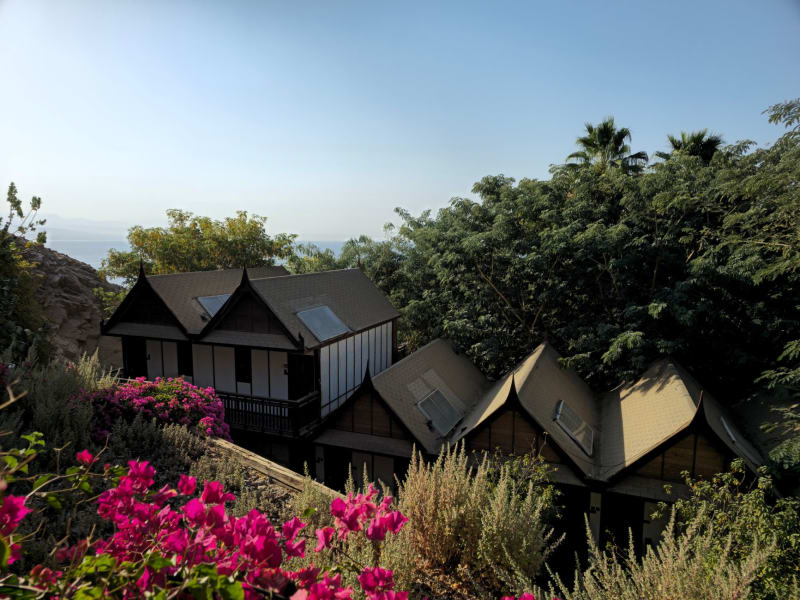 israel
 Eilat
Israel's southernmost city sits at the tip of the Negev on a finger of the Red Sea, where the coral reefs are world-class and the surrounding desert makes the turquoise water feel genuinely surreal.
Explore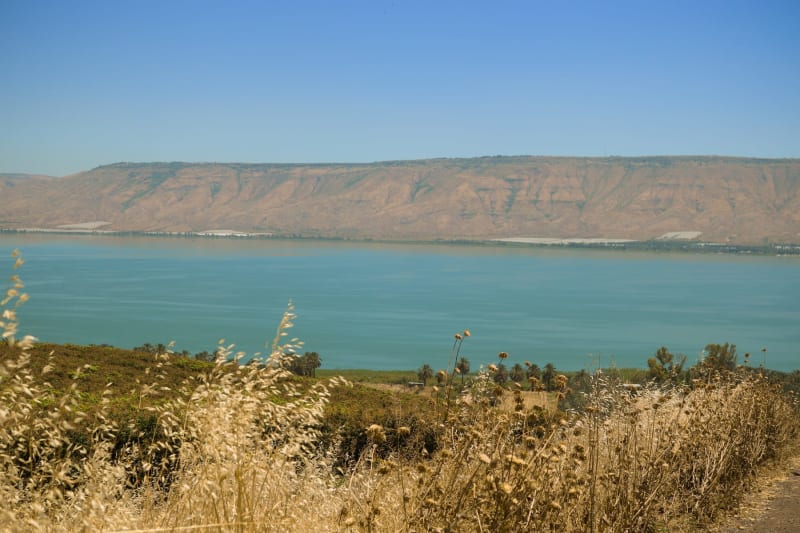 israel
 Galilee
Rolling hills, ancient synagogues, and the Sea of Galilee — where spirituality and nature are inseparable.
Explore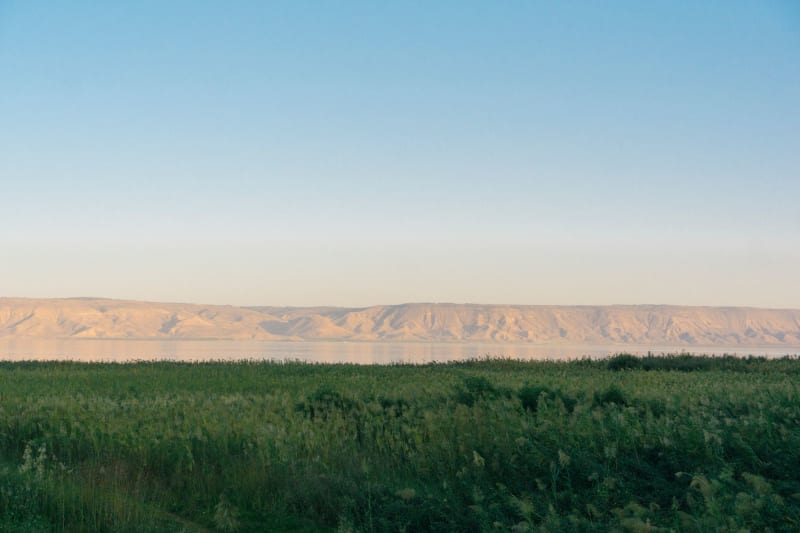 israel
 Golan Heights
A volcanic plateau seized in 1967 and still contested on maps, where vineyards grow in basalt soil, abandoned Syrian villages stand untouched, and Mount Hermon's snowpack is visible from the valley below.
Explore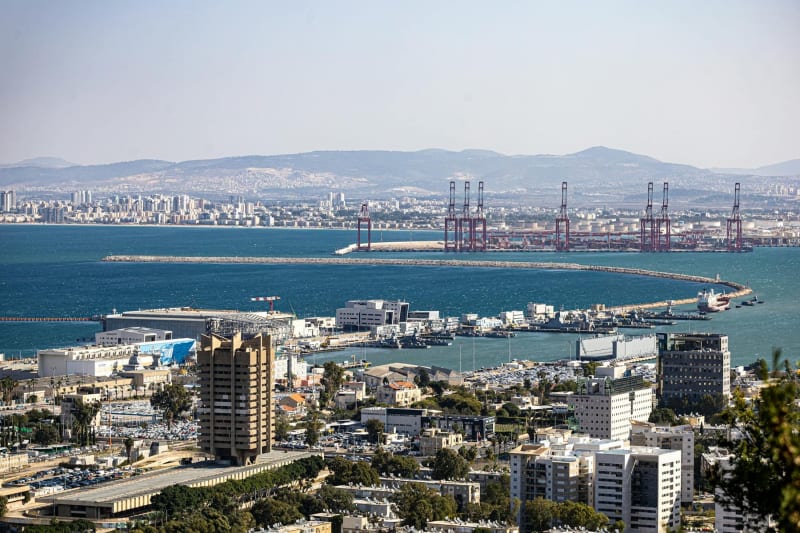 israel
 Haifa Baha'i Gardens
Nineteen perfect terraces cascading down Mount Carmel to the sea, a sacred site of extraordinary geometry.
Explore israel
 Jerusalem
Three religions collide in a walled city where every stone has been fought over, prayed on, and rebuilt so many times that history feels physically underfoot.
Explore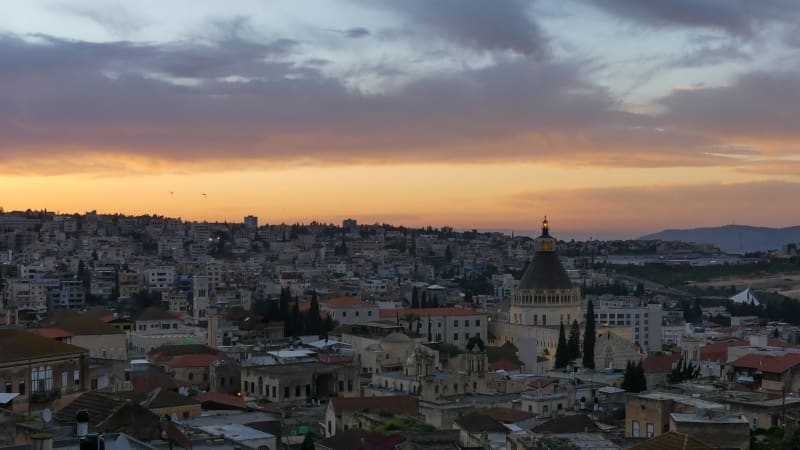 israel
 Nazareth
Israel's largest Arab city is a dense, loud, delicious place where a thriving food scene and layered religious history compete for your attention across cobbled Ottoman-era alleys.
Explore israel
 Negev Desert
The vast crater of Ramon Makhtesh and a desert full of ancient Nabataean trade routes and star-filled skies.
Explore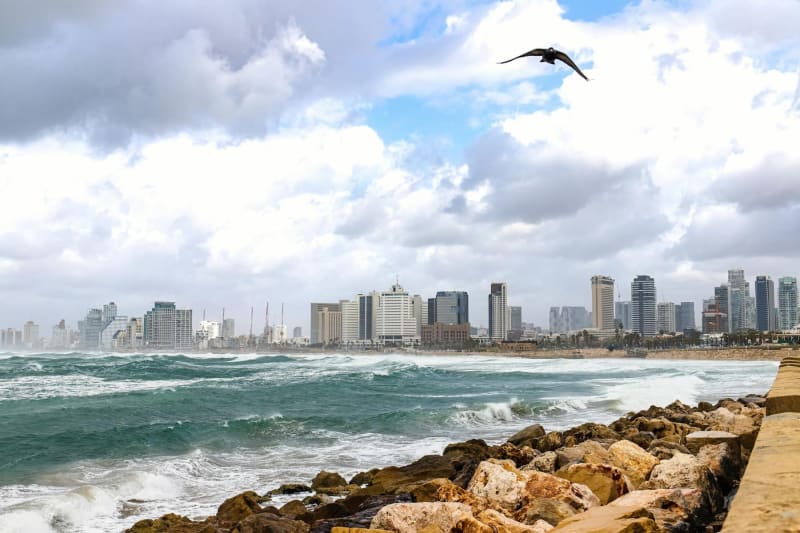 israel
 Tel Aviv Beach
Fourteen kilometres of sandy Mediterranean shoreline, backed by Bauhaus architecture and non-stop energy.
Explore