Asia
Hong Kong
"Nowhere else have I felt so small and so alive at the same time."
A vertical city balanced on borrowed time — where Cantonese opera drifts past glass towers and the best meal of your life costs less than a metro ticket.

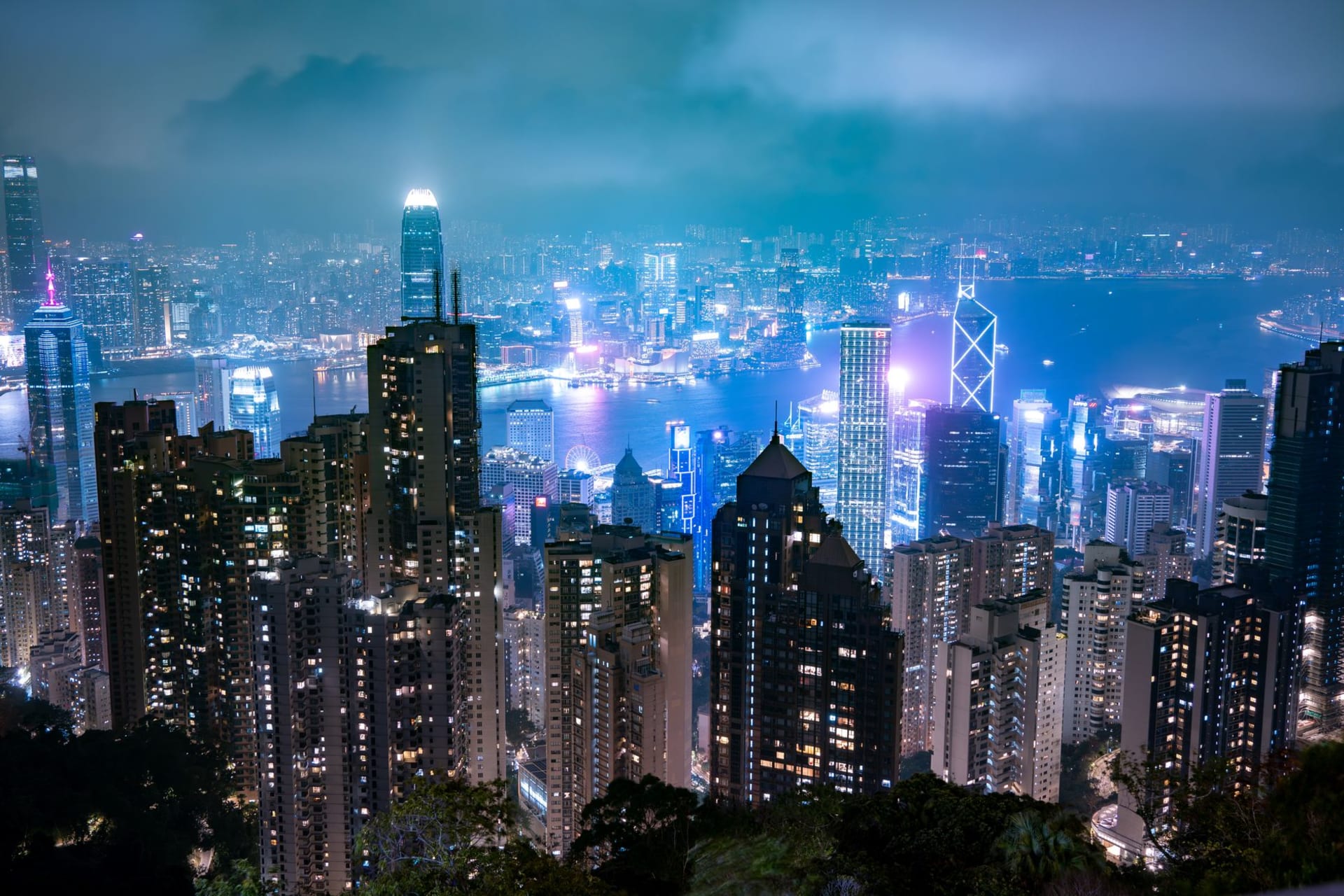
The first time I landed in Hong Kong, it was almost midnight and the taxi from the airport tunneled through mountains before the harbor appeared — an eruption of neon and glass that looked less like a city and more like some collective fever dream about what a city should be. I pressed my face against the window like a kid. I was thirty-one years old and had been to a lot of places. It still got me.
Hong Kong operates at a frequency that is difficult to describe without sounding like you’re overselling it. The density is part of it — more than seven million people stacked into a territory smaller than Luxembourg, with most of the land protected as country parks. So everyone and everything gets compressed into these corridors of towers and narrow streets, which creates an intensity you either find electrifying or overwhelming, sometimes both within the same hour. What I did not expect, arriving from a year in Mexico where time moves differently, was how much the city rewards the moments you step out of it. Fifteen minutes on the Peak Tram and you are above the skyline in a park so green it feels like the city forgot to build on it. An hour on a kaido boat from Aberdeen and the South China Sea opens up around you, and the towers recede into something almost painterly.
But the thing that has stayed with me most vividly is the food. Not the Michelin-starred restaurants that show up on every list — though Lung King Heen at the Four Seasons is worth the splurge once if you can manage it — but the dai pai dongs in the Western District, the clay pot rice shops in Sham Shui Po at 11pm, the roast goose at Yat Lok on Stanley Street where the line starts before the door opens. Cantonese cuisine is one of the great culinary traditions in the world, and Hong Kong is where you eat it at its finest, with zero ceremony and maximum conviction.
When to go: October through early December is the sweet spot — clear skies, cooler temperatures around 20-24°C, no typhoons. Spring (March to April) also works well. Avoid July and August: typhoon season makes plans unreliable and the humidity is punishing. Chinese New Year (January or February) is extraordinary for energy but expect everything to be either very closed or very crowded.
What most guides get wrong: They treat Hong Kong as a shopping destination with nice views. The shopping is fine, but it is the least interesting thing here. What most guides also miss is the contrast between the districts — Kowloon and Hong Kong Island feel like different cities, and the outlying islands like Cheung Chau or Lamma are different again, quieter and almost village-like. Also: the MTR is genuinely one of the best metro systems on earth. Use it constantly. The city makes sense through its transit map.
Explore
Places in Hong Kong
 hong-kong
 Aberdeen
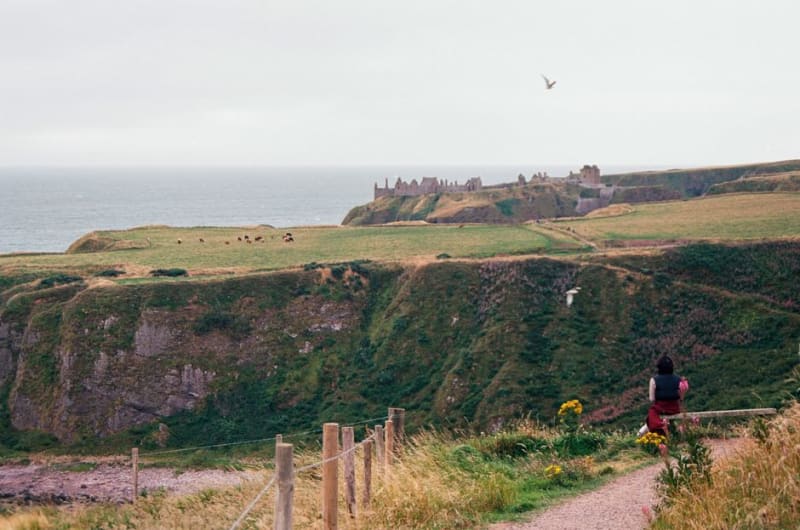
A fishing village that industrialized around it — houseboats, a floating restaurant the size of a small hotel, and typhoon shelter life that predates the skyscrapers by centuries.
Explore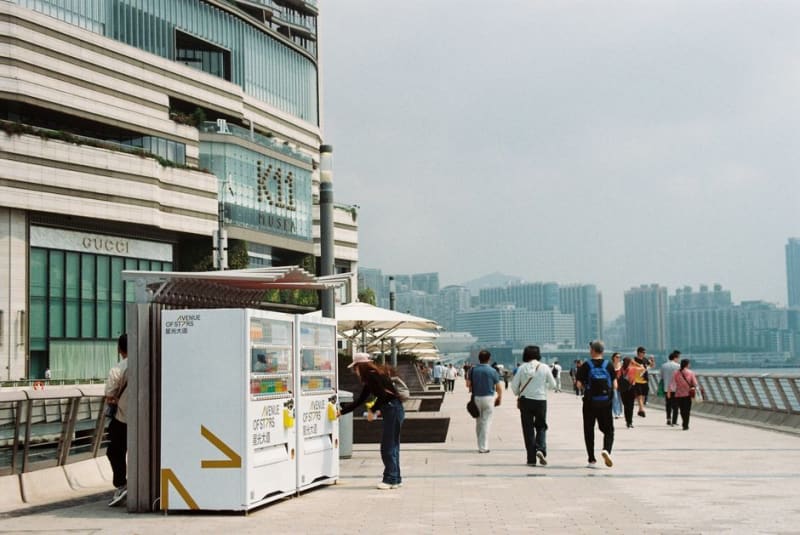 hong-kong
 Avenue of Stars
A harbourfront promenade where the Hong Kong Island skyline puts on the best free show in the city, twice.
Explore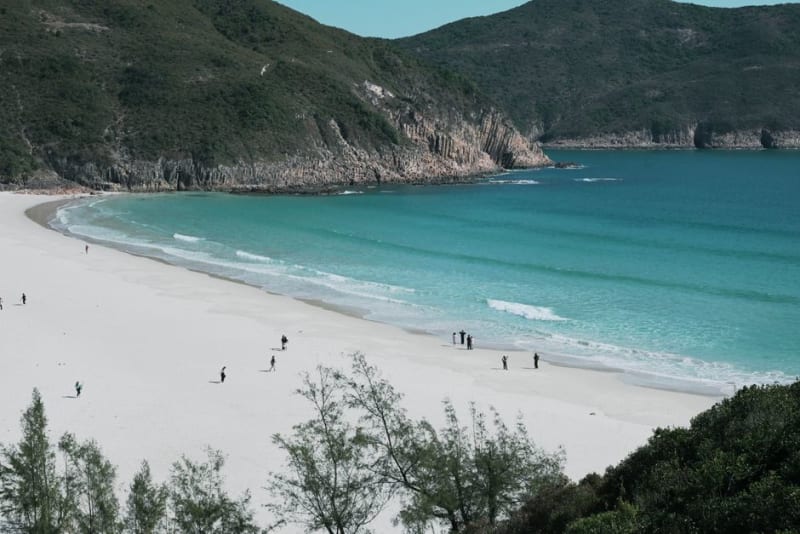 hong-kong
 Big Wave Bay
Hong Kong Island's surf beach — a scrappy, low-key cove where board rentals cost less than a coffee and the crowd is more local than anywhere in the south.
Explore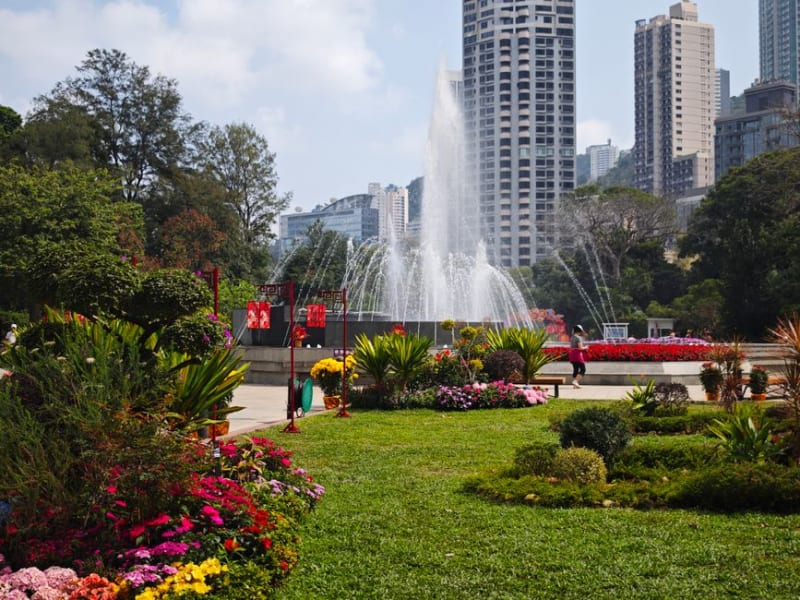 hong-kong
 Hong Kong Zoological and Botanical Gardens
The oldest park in Hong Kong, a shaded colonial-era garden on the edge of Central with orangutans, flamingos, and not a single skyscraper view to distract you.
Explore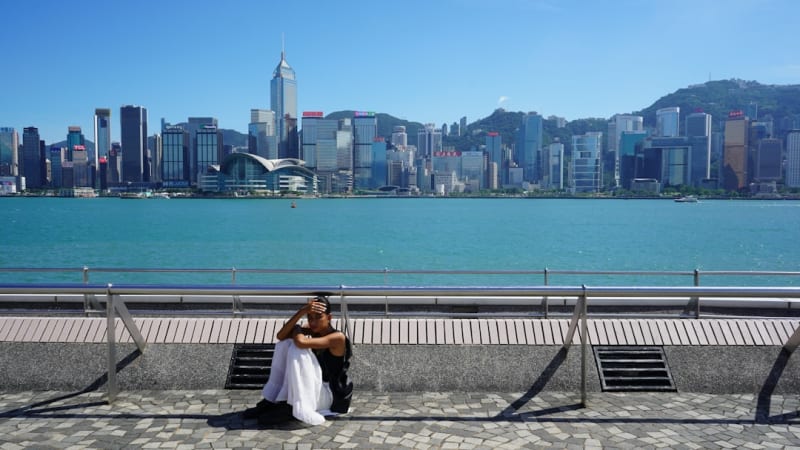 hong-kong
 Bride's Pool
A cascading waterfall and swimming pool in Plover Cove Country Park, wrapped in a sad local legend and surrounded by some of the New Territories' calmest woodland.
Explore hong-kong
 Causeway Bay
Hong Kong Island's most commercially alive district, where the energy is genuinely its own and the noodle shops open past midnight.
Explore hong-kong
 Central
Hong Kong's financial engine room — where escalators climb through the hillside and lunch happens standing up, fast, and seriously.
Explore hong-kong
 Central Market
A 1930s Bauhaus market building revived into a food hall and creative space, its original wet-market stalls and butcher counters preserved as a monument to what the building used to be.
Explore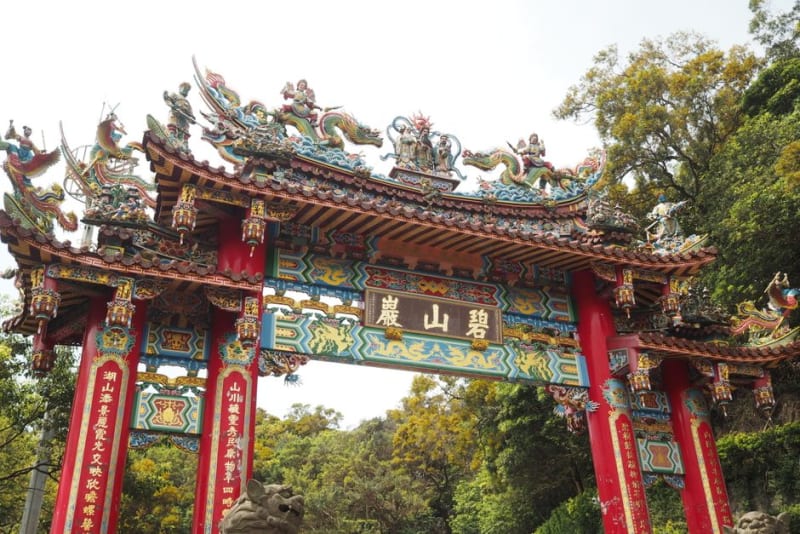 hong-kong
 Che Kung Temple
A Sha Tin temple where locals spin a bronze pinwheel for luck, and the incense smoke gets thick enough to taste.
Explore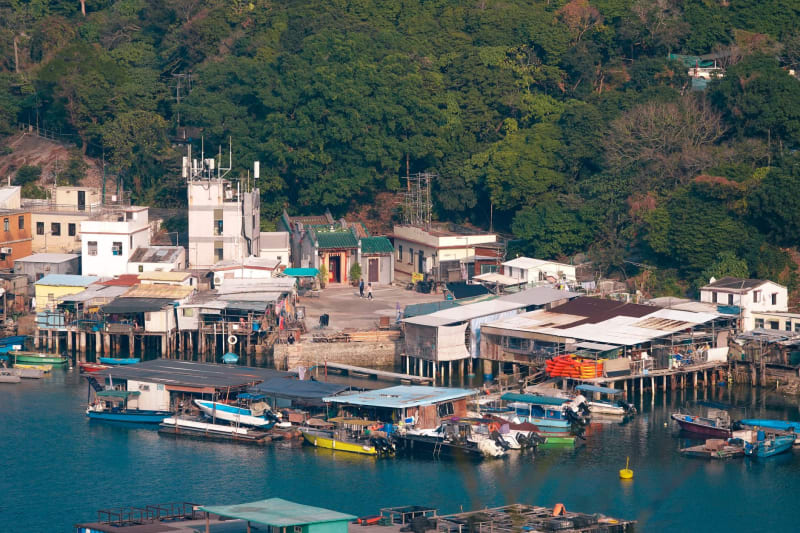 hong-kong
 Cheung Chau
A car-free island where fishing boats still outnumber tourists and the bun towers rise every May like something from a dream.
Explore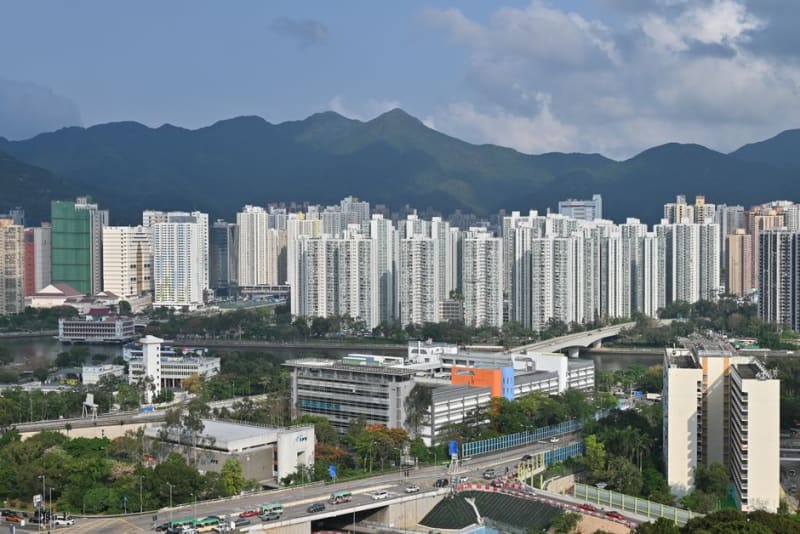 hong-kong
 Cheung Sha
Lantau's longest beach — nearly three kilometres of sand facing the South China Sea, with a laid-back strip of beach bars behind it.
Explore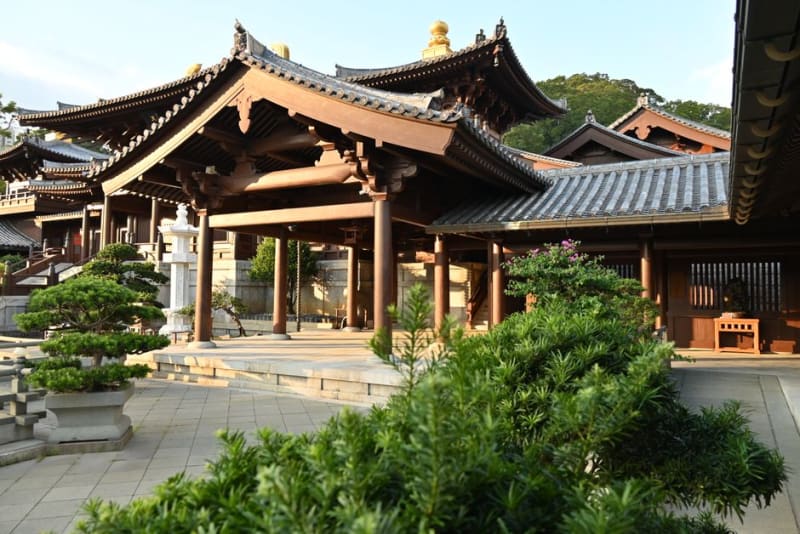 hong-kong
 Chi Lin Nunnery and Nan Lian Garden
A Tang dynasty temple complex built without a single nail, rising out of Diamond Hill's concrete like it slipped through a crack in time.
Explore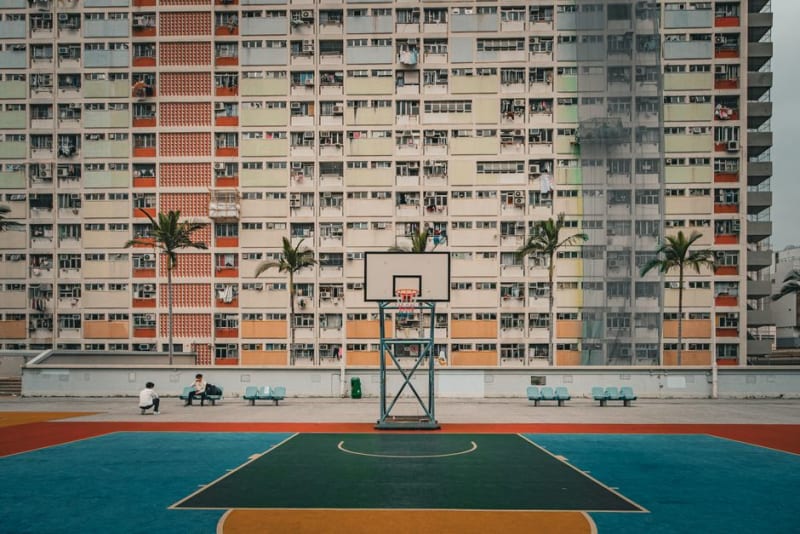 hong-kong
 Choi Hung Estate
A 1960s public housing estate whose rainbow-painted basketball court has become one of the most photographed spots in Hong Kong, tourists and residents sharing the same railing.
Explore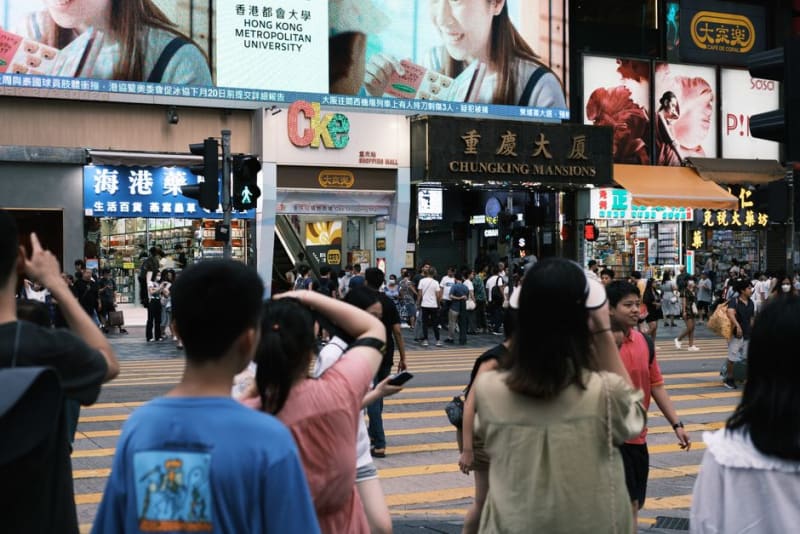 hong-kong
 Chungking Mansions
A seventeen-storey building on Nathan Road that is essentially its own country — curry houses, guesthouses, and a hundred nationalities in one stairwell.
Explore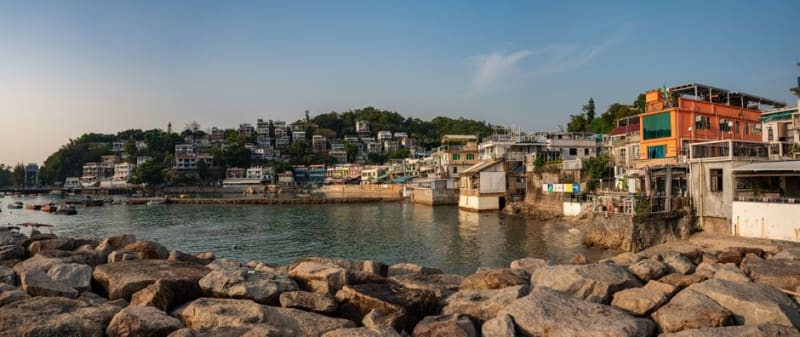 hong-kong
 Clear Water Bay
A pair of clean, lifeguarded beaches on the Sai Kung peninsula named with unusual honesty — the water really is that clear.
Explore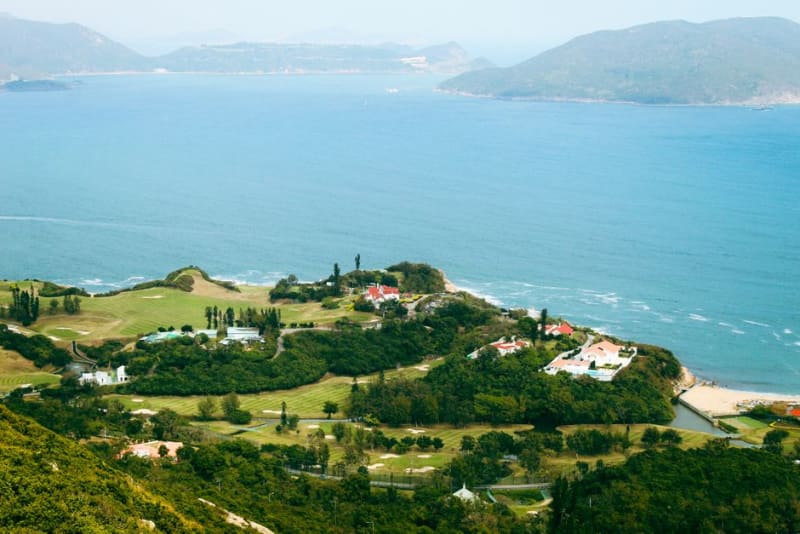 hong-kong
 Clearwater Bay
A peninsula of golf courses, film studios, and genuinely turquoise beaches that Hong Kong somehow keeps mostly to itself.
ExploreAll areas in Hong Kong
- Deep Water Bay
- Discovery Bay
- Hong Kong Disneyland
- Dragon's Back
- Graham Street Market
- Hap Mun Bay
- Happy Valley
- Hau Wong Temple
- High Island Reservoir
- Jade Market
- K11 MUSEA
- Kadoorie Farm and Botanic Garden
- Kat Hing Wai
- Kennedy Town
- Knutsford Terrace
- Kowloon City
- Kowloon Park
- Kowloon Walled City Park
- Lamma Island
- Lan Kwai Fong
- Lei Yue Mun
- Lion Rock
- M+ Museum
- Ma On Shan
- Man Mo Temple
- Mong Kok
- Monster Building
- Mui Wo
- Hong Kong Museum of History
- Nathan Road
- Ng Tung Chai Waterfall
- Ngong Ping
- North Point
- Ocean Park
- Ozone
- Pak Tai Temple
- Hong Kong Palace Museum
- Peng Chau
- Ping Shan Heritage Trail
- Plover Cove
- PMQ
- Po Toi
- Pui O
- Repulse Bay
- Sai Kung
- Sai Ying Pun
- Sam Tung Uk Museum
- Hong Kong Science Museum
- Sha Ha Beach
- Sha Tin
- Sham Shui Po
- Sharp Peak
- Shau Kei Wan
- Shek O
- Sheung Wan
- Silverstrand Beach
- SoHo & PMQ
- Hong Kong Space Museum
- Stanley
- Star Ferry
- Sunset Peak
- Tai Fu Tai Mansion
- Tai Hang
- Tai Kwun
- Tai Long Wan
- Tai Mo Shan
- Tai O
- Tai Po Market
- Tai Po & the Railway Museum
- Tap Mun
- Temple Street
- Ten Thousand Buddhas Monastery
- Tin Hau Temple, Yau Ma Tei
- Tsang Tai Uk
- Tsz Shan Monastery
- Tung Ping Chau
- Turtle Cove
- Victoria Peak
- Wan Chai
- Hong Kong Wetland Park
- Whampoa Garden
- Wong Chuk Hang
- Wong Tai Sin Temple
- Yau Ma Tei Fruit Market
- Yim Tin Tsai
- Yuen Long
- Yuen Yuen Institute