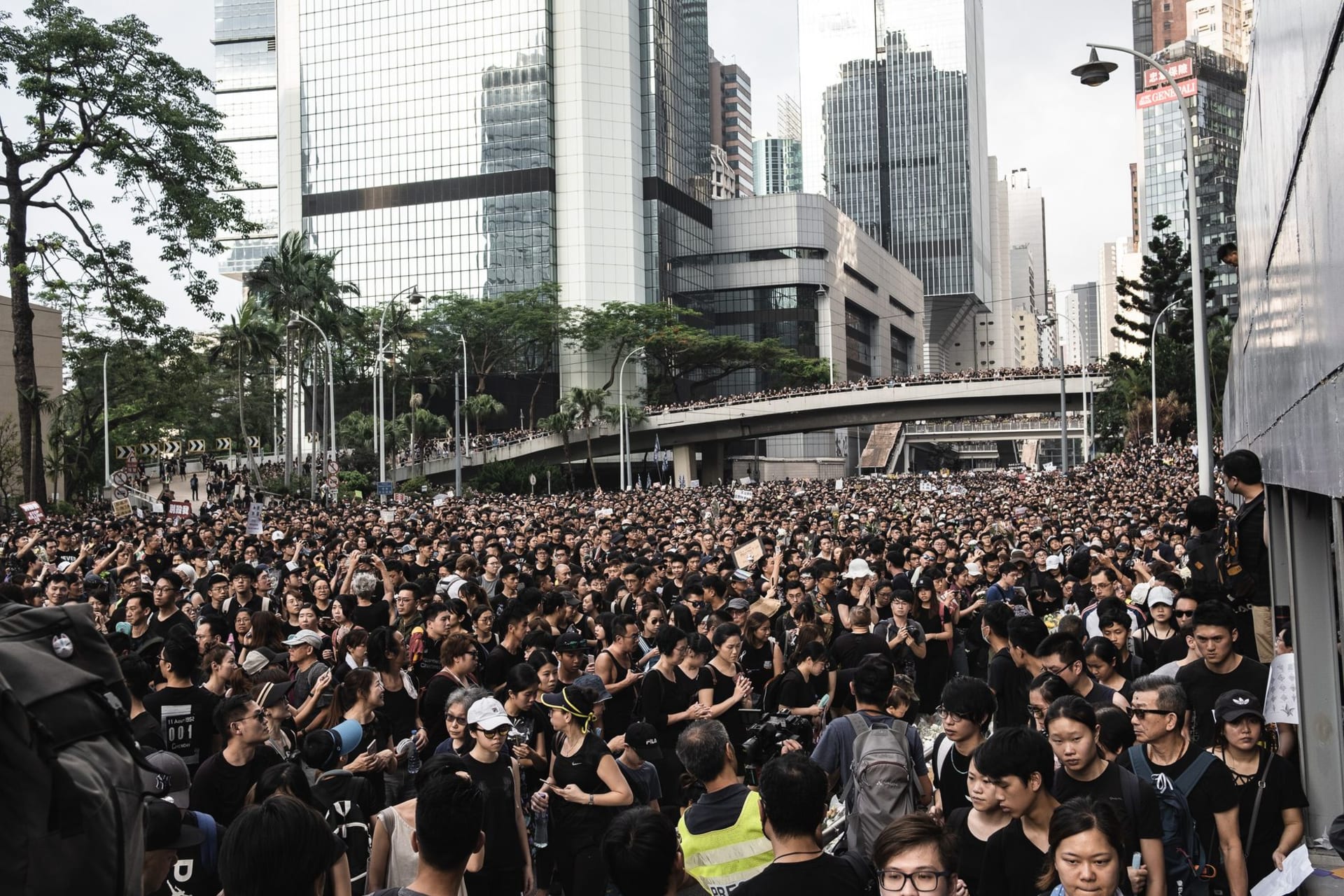
Causeway Bay
"At midnight in Causeway Bay, every place is either full or just closing, and I couldn't figure out which I preferred."
Hong Kong Island's most commercially alive district, where the energy is genuinely its own and the noodle shops open past midnight.

There is a gun that fires at noon in Causeway Bay. It has fired every day since around 1860, first as a penalty imposed by the Royal Navy on a trading firm caught saluting their own ships with a cannon (a naval privilege), and then by tradition long after the original reason was forgotten. Today it fires from a small waterfront shelter while joggers run past and cargo ships wait at anchor and nobody in the immediate vicinity particularly reacts. The Noonday Gun is the kind of thing that is too strange to be invented and too perfect to be lost. I watched it fire on a Tuesday and thought: this is exactly why you come to Hong Kong specifically.

Causeway Bay is Hong Kong Island’s commercial heart east of Wan Chai, and it is dense in a way that feels almost competitive. Malls designed to disorient — Times Square with its atrium and escalators going to floors you didn’t know existed is the most extreme example. Restaurants stacked four deep on streets where the signage is entirely in Chinese. Wet markets operating with complete intensity one floor below ground while luxury fashion occupies the floors above. It is exhausting and invigorating in equal measure and I find I need it in controlled doses, which is exactly how it should be experienced.
The food brings me back. The late-night noodle shops here operate past midnight on a Tuesday with the full attentiveness of a lunch service — wonton noodles in clear broth, beef brisket on rice, fish ball soup with flat rice noodles, all served to tables of people who have come from somewhere else and are eating because they are hungry and not because it is Instagram-appropriate. Causeway Bay is also where some of Hong Kong’s best Japanese food clusters — the concentration of Japanese department stores (SOGO has been here since 1985) brought Japanese food culture with it, and the izakayas and ramen shops in the back streets around Russell Street are as good as things I have eaten in Tokyo, often at half the price.

Victoria Park sits at the eastern edge of Causeway Bay — 19 hectares of greenery that function as the district’s lungs and its social centre. In the early morning it fills with tai chi practitioners and power walkers and groups of old men at the chess tables. At Chinese New Year it holds the city’s biggest flower market, running every night in the two weeks before the holiday, with flowers and kumquat trees and lucky pendants sold from stalls that stay open until 2am. I bought a bunch of white chrysanthemums from a stall at midnight and carried them back on the MTR and felt, briefly, like part of something old and continuous.
When to go: Causeway Bay works year-round, but the Christmas-New Year period — when the shopping district’s decorations are at their most elaborate — and Chinese New Year, for Victoria Park’s flower market, are the two natural peaks. Midweek evenings after 8pm are when the restaurant energy is best without the full weekend crush.
Keep exploring
More from Hong Kong
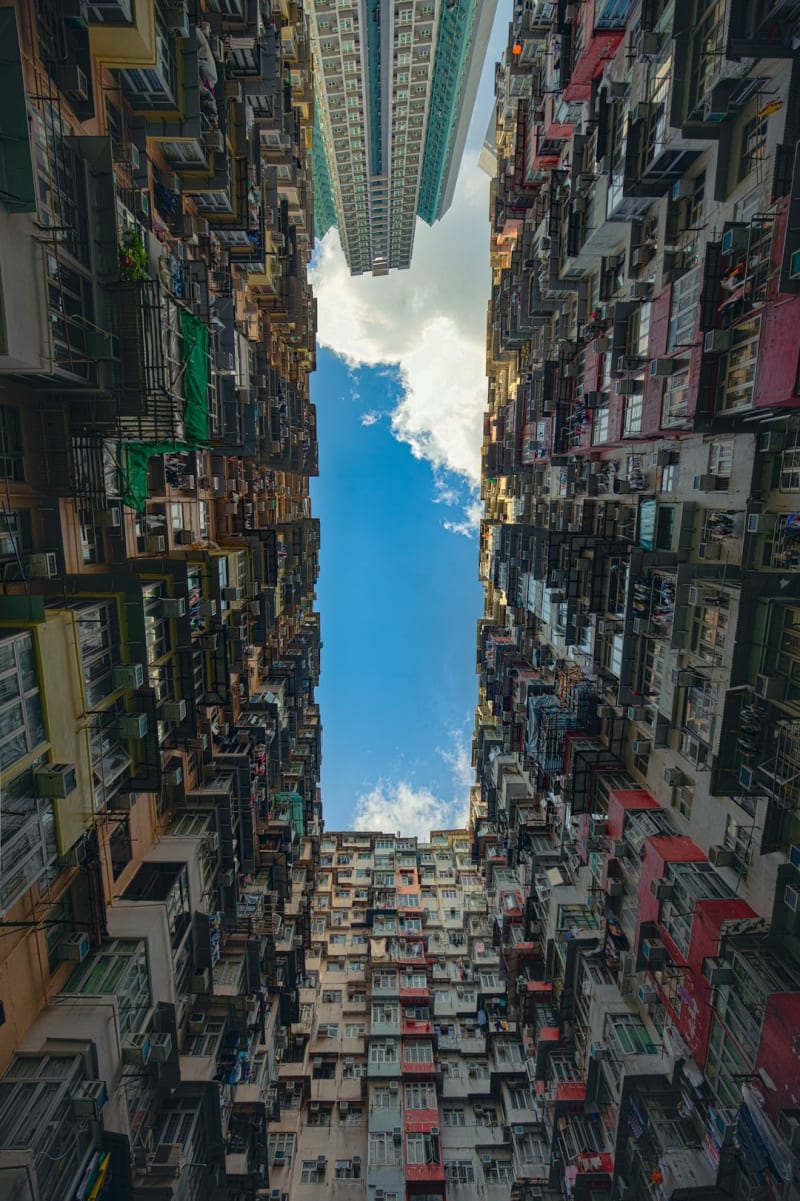 hong-kong
 Central
Hong Kong's financial engine room — where escalators climb through the hillside and lunch happens standing up, fast, and seriously.
Explore hong-kong
 Central Market
A 1930s Bauhaus market building revived into a food hall and creative space, its original wet-market stalls and butcher counters preserved as a monument to what the building used to be.
Explore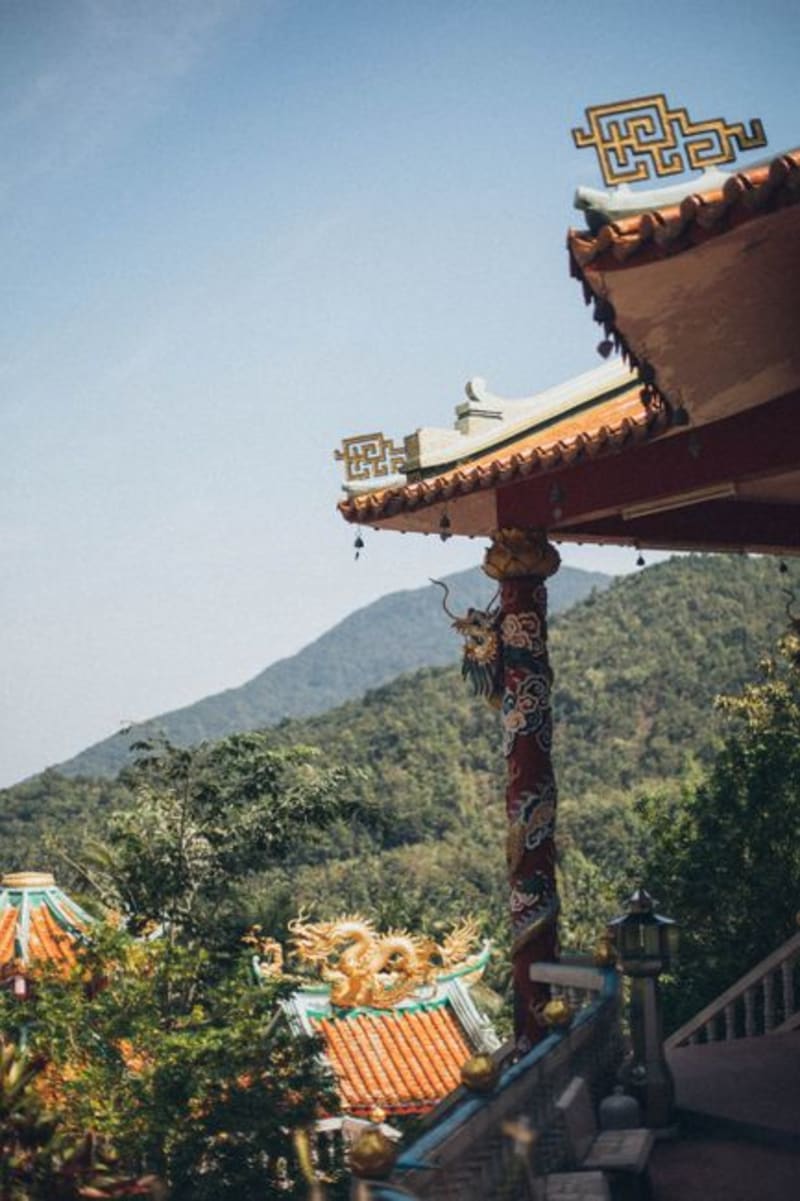 hong-kong
 Che Kung Temple
A Sha Tin temple where locals spin a bronze pinwheel for luck, and the incense smoke gets thick enough to taste.
Explore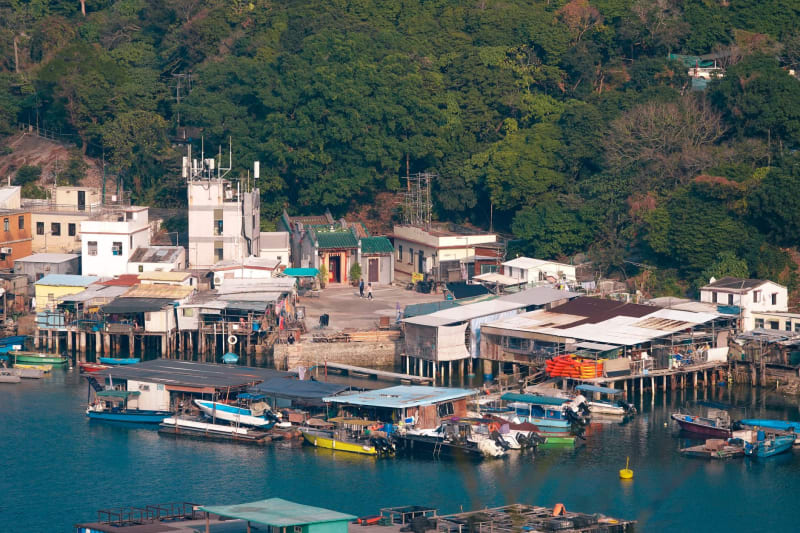 hong-kong
 Cheung Chau
A car-free island where fishing boats still outnumber tourists and the bun towers rise every May like something from a dream.
Explore hong-kong
 Cheung Sha
Lantau's longest beach — nearly three kilometres of sand facing the South China Sea, with a laid-back strip of beach bars behind it.
Explore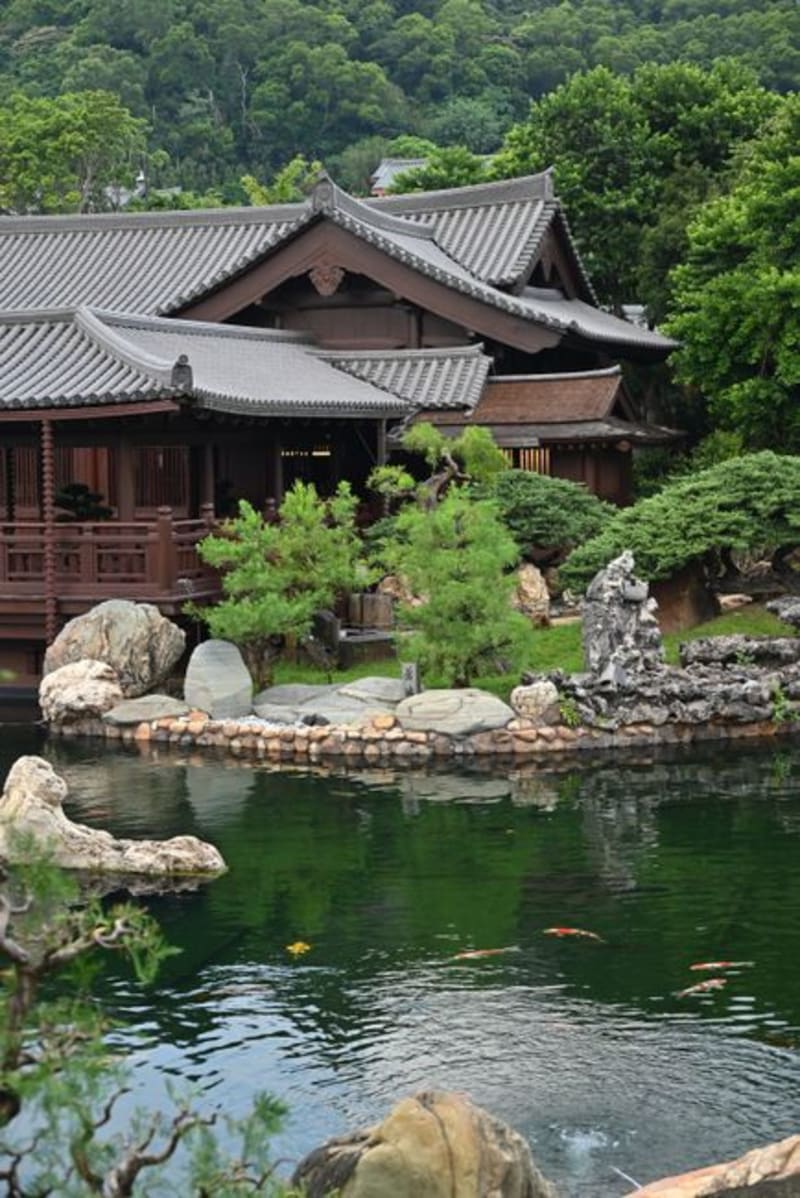 hong-kong
 Chi Lin Nunnery and Nan Lian Garden
A Tang dynasty temple complex built without a single nail, rising out of Diamond Hill's concrete like it slipped through a crack in time.
Explore