
North Point
"The tram bell rang, the whole street exhaled a foot of space, and the market closed right back up behind it like nothing happened."
A tram-split market street where Fujian dried goods and Chiu Chow beef balls are sold within arm's reach of the rails.

Chun Yeung Street is the reason to come to North Point, and I mean that almost literally — the tram tracks run straight down the middle of a fully operating wet market, so that every few minutes a double-decker tram trundles through at walking pace while vendors on both sides fold their awning edges and shift baskets an arm’s length out of the way, then settle right back into place once it’s passed. Nobody seems to find this remarkable except visitors. I stood there for a full ten minutes just watching the choreography repeat, delighted each time.

North Point earned the nickname “Little Fujian” from the wave of Fujianese migrants who settled here from the 1950s onward, and the market reflects it clearly if you know what to look for. Stalls sell dried oysters, fish maw, and the specific fermented shrimp paste used in Fujian cooking, alongside vendors selling fresh fish balls, beef balls, and pig skin the way you’d find in a Chiu Chow market, since that community settled in overlapping numbers here too. The result is a market with a distinct regional character that neither Central Hong Kong nor most guidebooks bother to explain — you just have to notice that the labels on the dried goods aren’t quite the Cantonese staples you’d see in Sheung Wan.
I ate lunch at a small Fujian noodle shop just off the market street, a bowl of thin rice noodles in a light broth with fish cake and a fried egg, simple enough that the owner seemed almost surprised I’d sought it out specifically. It’s the kind of place that exists entirely for the neighbourhood rather than for anyone passing through, which is exactly why it was good — nothing here has been adjusted for outside expectations.

Beyond the market, North Point has quietly become one of the more interesting food neighbourhoods on the Island precisely because it hasn’t been discovered in the way Causeway Bay or Central has. Old cha chaan tengs sit next to newer Fujian and Chiu Chow specialists, and the pace of the street feels closer to how Hong Kong Island neighbourhoods operated a generation ago — busy, functional, entirely unconcerned with being photogenic, which of course made it one of the more photogenic places I visited.
When to go: Weekday mornings for the market at its most active, when the tram-and-stall choreography is running at full frequency. Late morning through early afternoon is best for the Fujian and Chiu Chow lunch spots.
Keep exploring
More from Hong Kong
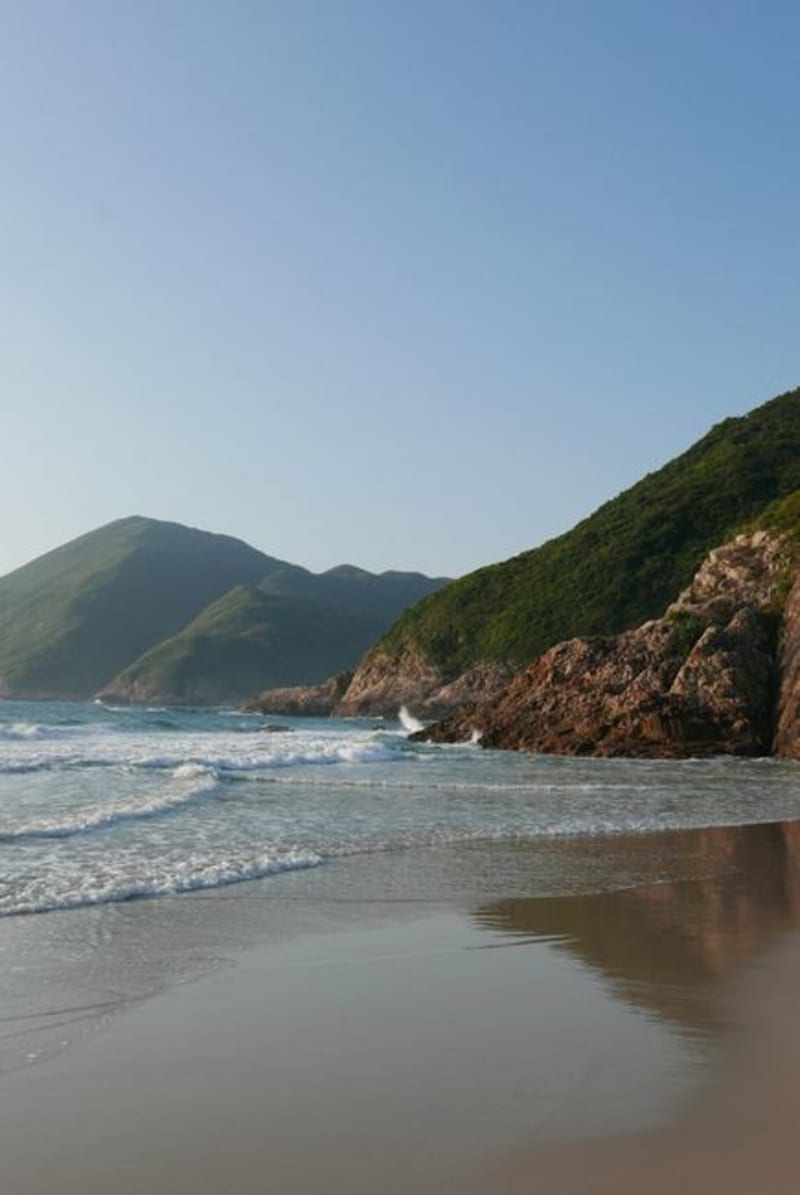 hong-kong
 Ocean Park
A theme park stitched into a hillside above the South China Sea, where roller coasters share the ridge with pandas and a cable car does the commuting.
Explore hong-kong
 Ozone
The world's highest bar, perched on the 118th floor of the ICC tower, where the entire Kowloon and Hong Kong Island skyline unfolds beneath your cocktail.
Explore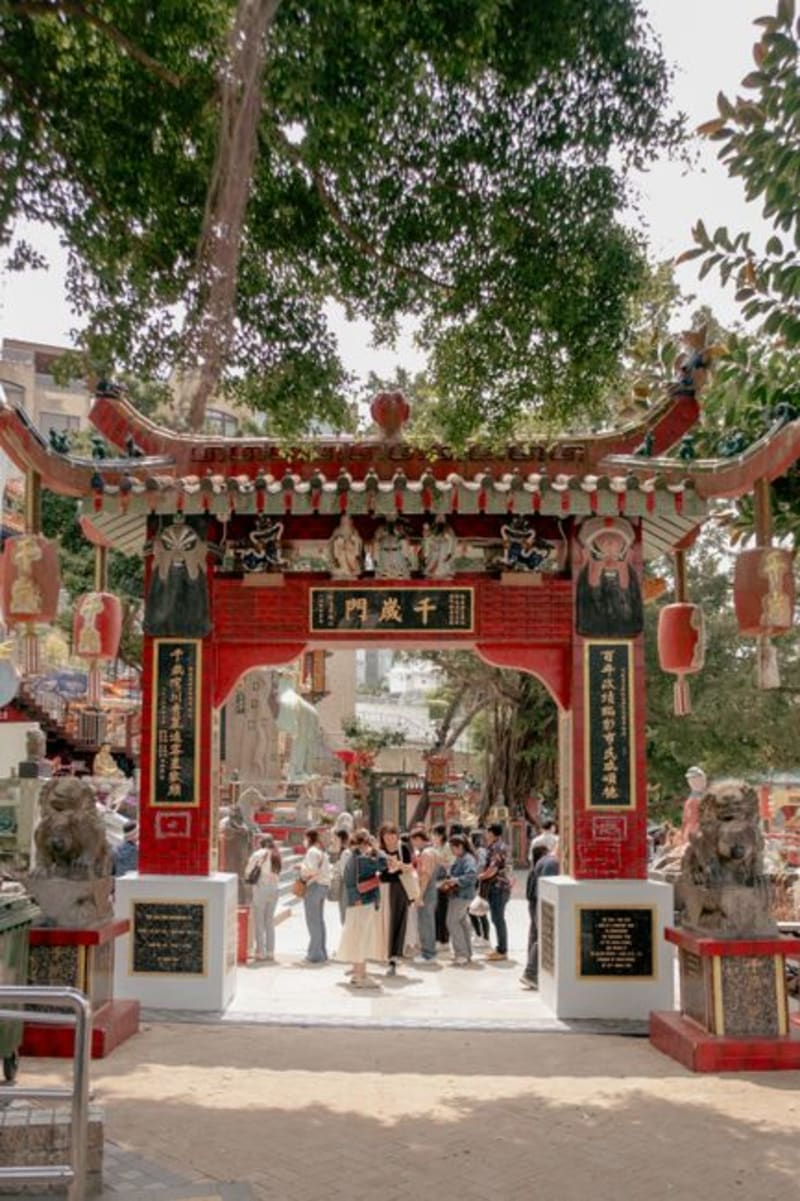 hong-kong
 Pak Tai Temple
Wan Chai's oldest building, tucked behind Stone Nullah Lane, guarding a giant bronze deity who once made storms stop.
Explore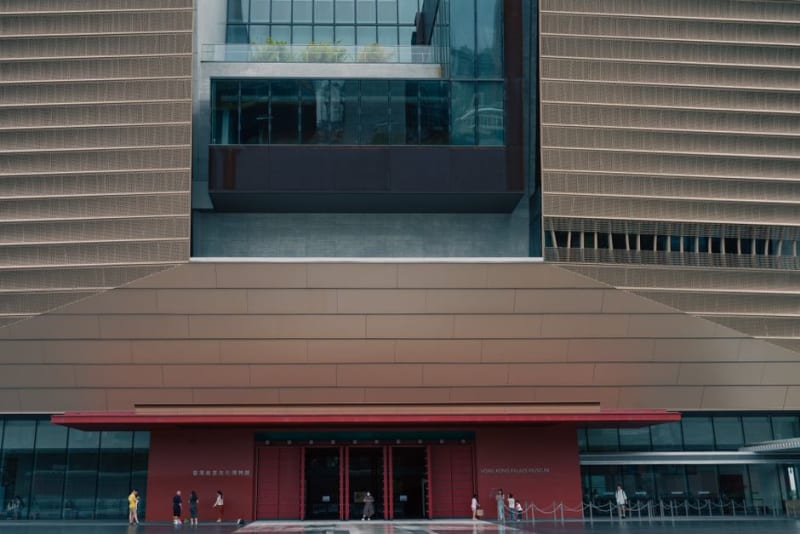 hong-kong
 Hong Kong Palace Museum
Nine hundred imperial treasures on loan from Beijing's Forbidden City, displayed inside a building that reinterprets a courtyard palace in glass and steel.
Explore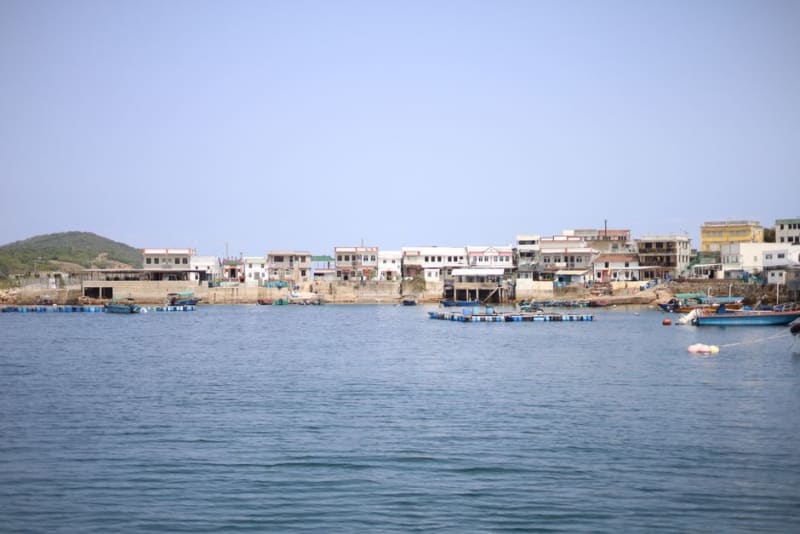 hong-kong
 Peng Chau
The smallest of Hong Kong's inhabited outlying islands — a fifteen-minute loop of narrow lanes, a defunct match factory, and almost no one else around.
Explore hong-kong
 Ping Shan Heritage Trail
Hong Kong's oldest heritage trail, threading through clan halls and a 600-year-old pagoda in a part of the New Territories most visitors never reach.
Explore