Kowloon Walled City Park
"Nothing about this garden tells you what was here before. That absence is the whole point."
Where Hong Kong's most lawless slum once stood, a classical garden now holds an almost archaeological silence.

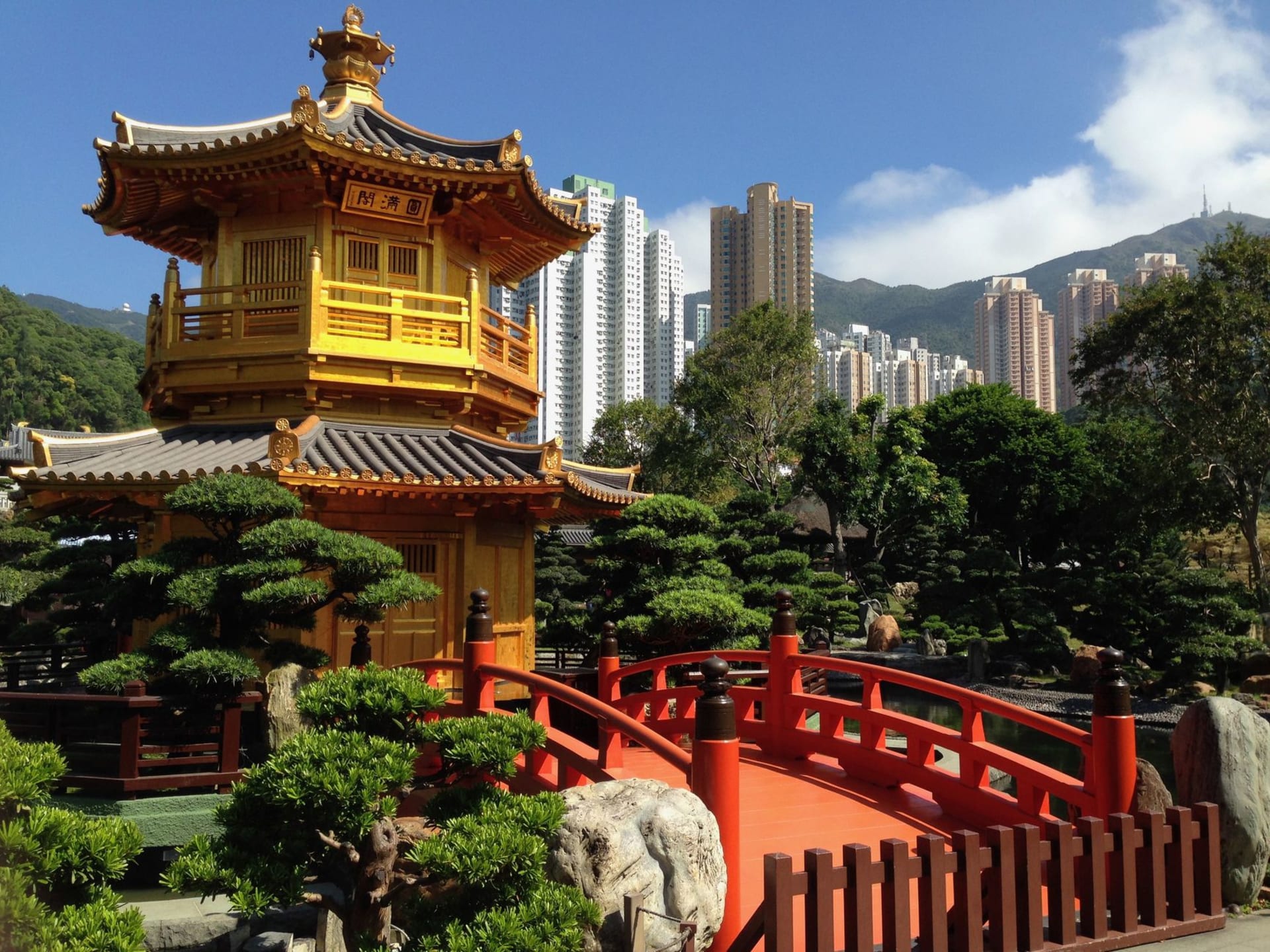
I had read about the Walled City before arriving in Hong Kong, and I want to be honest: the park that now occupies its former site is a complete aesthetic replacement. Nothing physical remains of what was there. The Kowloon Walled City was demolished in 1993 — that extraordinary six-acre block of unofficial buildings that had grown to house 33,000 people in darkness without planning permission, without proper sanitation, without the writ of either Hong Kong or the mainland running in its narrow passages. It was documented obsessively in those final years by photographers and architects and urban researchers who descended on it with a sense of witnessing something that would not exist much longer. What stands in its place now is a classical Jiangnan garden — ordered, raked, and serene, with pavilions and a koi pond and boulders arranged according to principles of aesthetic balance that are the absolute opposite of everything the Walled City was.

The park is not a memorial in any conventional sense. There are display boards near the entrance that tell the history in broad strokes, and a small number of physical artifacts — a stone arch from the original Qing-era fort, a section of the boundary wall — are preserved and labelled. But the dominant feeling is of erasure rather than commemoration. You walk through a very pleasant garden and try to hold in your mind the fact that 33,000 people once lived stacked in improvised floors above this same ground, and the two things don’t cohere. They refuse to. I sat on a bench near the koi pond for a long time trying to make them fit, watching an elderly man do tai chi in the pavilion opposite, and by the time I left I had stopped trying. Some dissonances are the point.
What the park does well is what all good parks do: it provides relief. Kowloon Walled City Park sits in Kowloon City district, flanked by the old flight path of Kai Tak Airport — itself now a cruise terminal and development zone — and surrounded by mid-rise residential blocks. On weekday mornings, elderly residents do their tai chi in the pavilions and children cut through on their way to school. The garden’s transplanted calm serves a real function for this neighbourhood regardless of what the ground beneath it remembers.

The small museum near the park entrance has a scale model of the Walled City as it was just before demolition. This is the piece that does what the garden cannot — it gives you the physical reality of it, the sheer vertical density, the absence of light between structures pressed so close they shared walls, the fact of that many people in that small a space. I stood in front of the model for longer than I stood in front of any view in Hong Kong. It felt important not to look away quickly.
When to go: Any time of year. The park opens early morning for tai chi practitioners and is at its most reflective on quiet midweek mornings. Pair it with a walk through the old Kowloon City neighbourhood, which retains some of the Thai restaurants and dim sum shops from when the area housed a large Thai-Chinese community.
Keep exploring
More from Hong Kong
 hong-kong
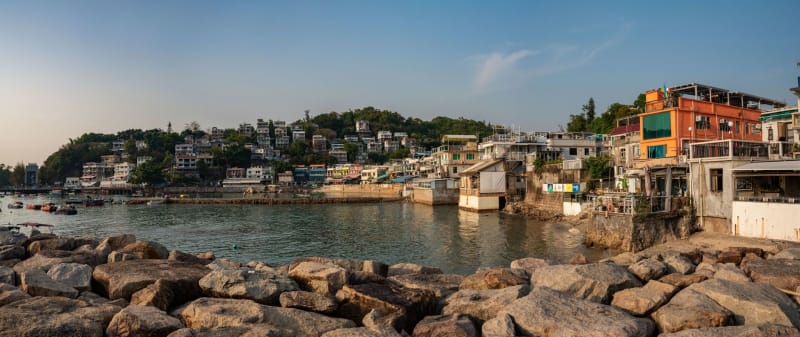
 Lamma Island
Hong Kong's laid-back island refuge — seafood on stilts over the water, forest trails on the ridge, no rush whatsoever.
Explore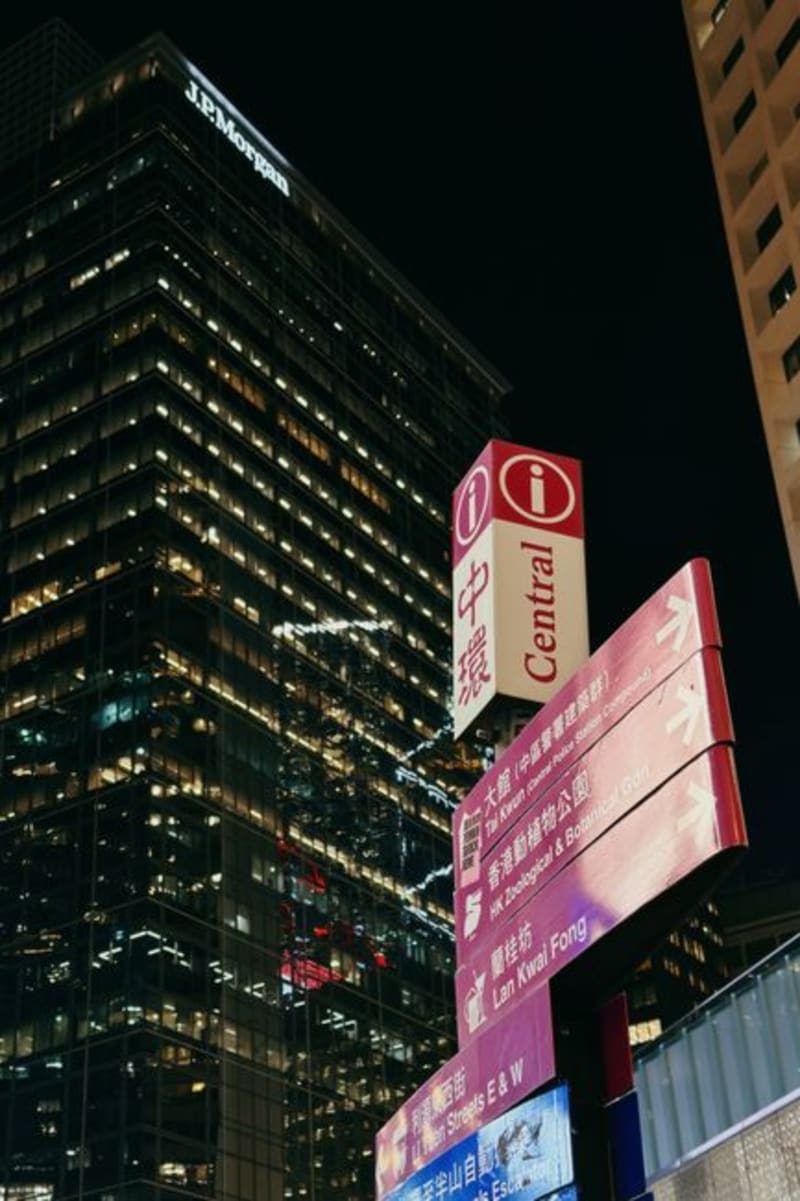 hong-kong
 Lan Kwai Fong
A tangle of steep, narrow streets in Central that turns into Hong Kong's loudest nightlife district the moment offices let out.
Explore hong-kong
 Lei Yue Mun
A narrow fishing village at the mouth of Victoria Harbour, where you pick your seafood straight from tanks lining the lane and eat it looking out at container ships passing meters away.
Explore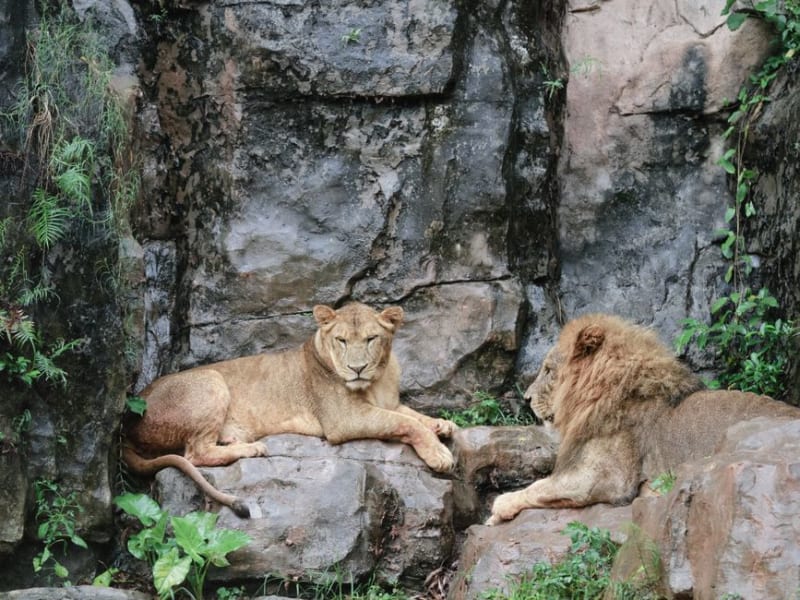 hong-kong
 Lion Rock
The rock that looks exactly like a crouching lion above Kowloon, and a hike loaded with more civic symbolism than any mountain has a right to carry.
Explore hong-kong
 M+ Museum
A vast concrete-and-tile museum of visual culture rising over the harbour, where contemporary Asian art gets the scale and seriousness it's long deserved.
Explore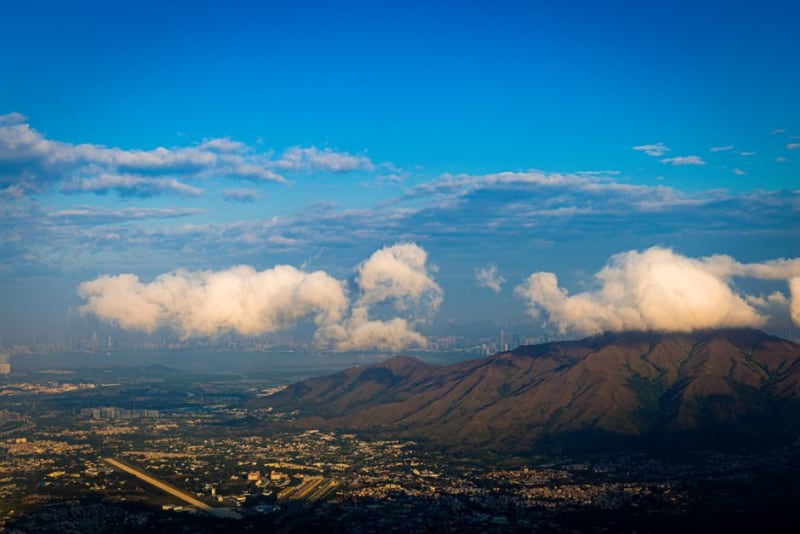 hong-kong
 Ma On Shan
The 'Saddle Mountain' above Sha Tin — a serious climb through old quarries and pine forest to one of the sharpest ridgelines in the New Territories.
Explore