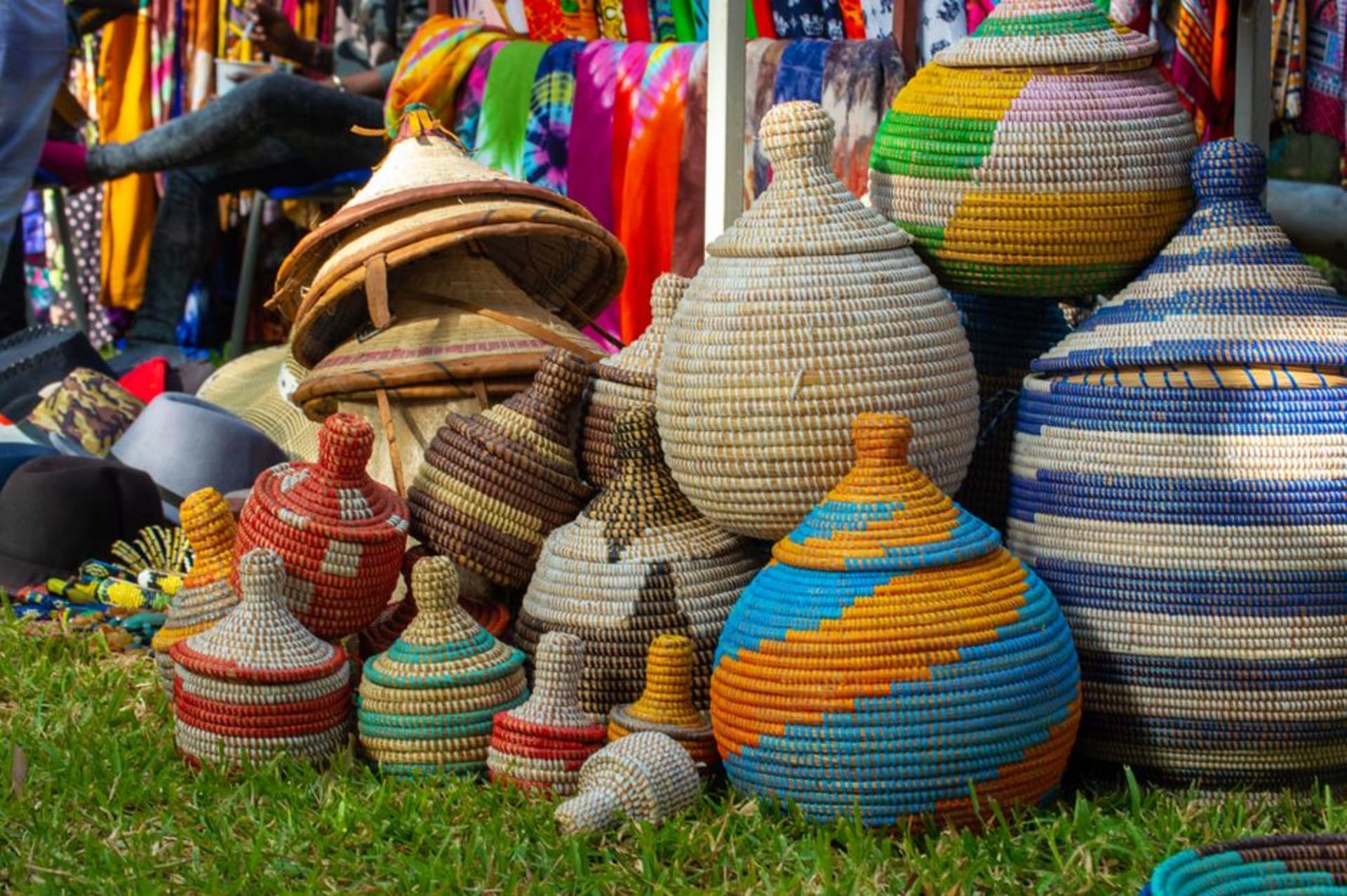
Basse Santa Su
"Nobody in Basse tried to sell us a boat tour or a friendship bracelet, and I found that oddly moving."
A dusty, noisy trading town far up the Gambia River near the Senegal border, where the coast's tourist bubble finally, completely disappears.

Basse Santa Su is about as far from the resort coast as you can get while still being in the same small country, and we felt every hour of the drive to reach it — close to eight, in a shared bush taxi that stopped so many times to pick up passengers and cargo that I lost count. By the time we rolled in, dust-caked and stiff, it was almost dark, and the town was still loud: generators humming, radios going, the market stalls only just starting to pack up for the night.
This is the Gambia’s main upriver trading hub, close enough to the Senegalese border that goods, languages, and currencies blur a bit — you’ll hear Fula, Mandinka, Wolof, sometimes French drifting in from traders who’ve crossed over that morning. The riverfront itself has a working ferry crossing and a market that genuinely sprawls, selling everything from dried fish to plastic sandals to enormous sacks of groundnuts, which this whole region is famous for growing. It felt less like a tourist stop and more like we’d wandered into the actual economic engine of upriver Gambia, which we sort of had.

We stayed two nights at a modest guesthouse with a fan that rattled more than it cooled, and spent our one full day just walking — there isn’t a checklist of sights, which after weeks of “attractions” on the coast was its own kind of relief. We watched groundnut trucks get loaded by hand, ate benachin from a stall for maybe eighty dalasi, and got invited to sit with a family drinking attaya who wanted to know, mostly, why on earth we’d come all this way. Fair question. I didn’t have a great answer beyond wanting to see the country past its beach edge.
Basse also has a reputation as one of the hotter spots in the country, and by midafternoon we understood why — the kind of heat that makes you seek out literally any patch of shade and stay there. Lia bought a length of tie-dyed fabric from a woman who does it herself out back of her stall, dipping and wringing cloth in buckets of dye, and that ended up being the souvenir I think about most from the whole trip.

When to go: Visit in the cooler dry months, December through February, since Basse regularly posts some of the highest temperatures in the country and the long overland journey is rough enough without extreme heat on top of it.
Keep exploring
More from The Gambia
 gambia
Bijilo Forest Park
A small coastal reserve of palms and mahogany near the resort strip where habituated green vervet monkeys will practically walk up and inspect your bag.
Explore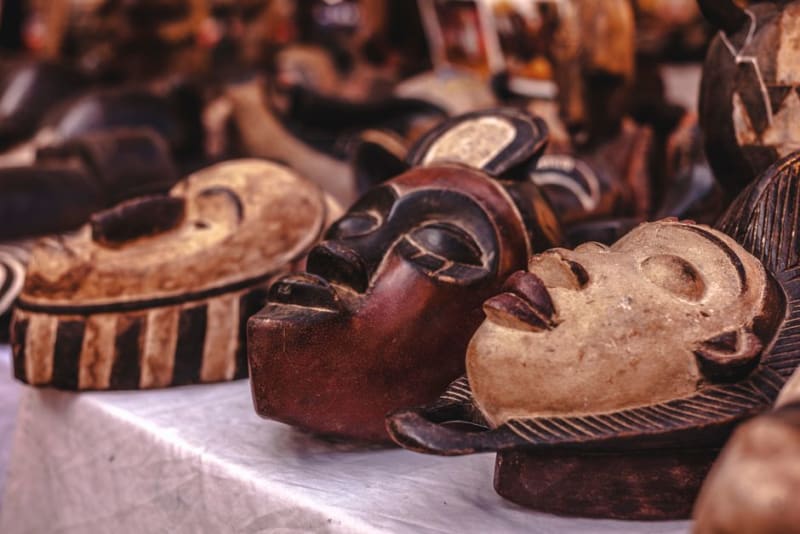 gambia
Brikama
An inland market town thick with woodcarving workshops, where the sound of chisels on mahogany carries down the street before you even reach the craft market.
Explore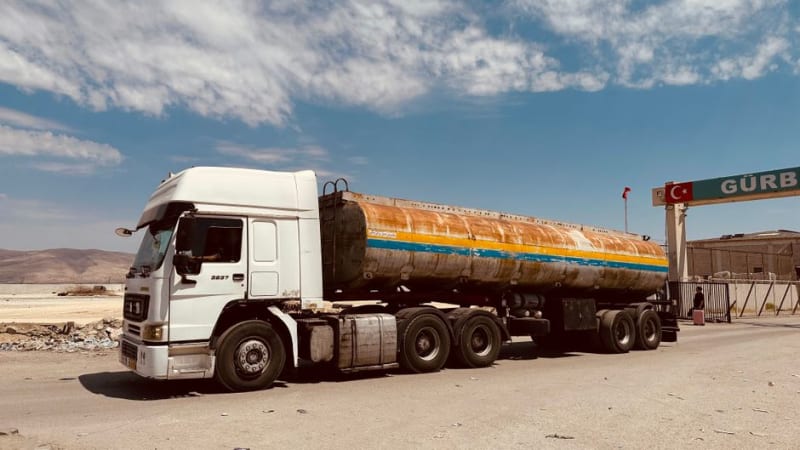 gambia
Farafenni
A dusty North Bank crossroads town whose whole rhythm is set by the border traffic to Senegal passing through its market and taxi park.
Explore gambia
Janjanbureh
A colonial river island town — once a slave-trade hub, now a quiet place where the Gambia River wraps around faded history.
Explore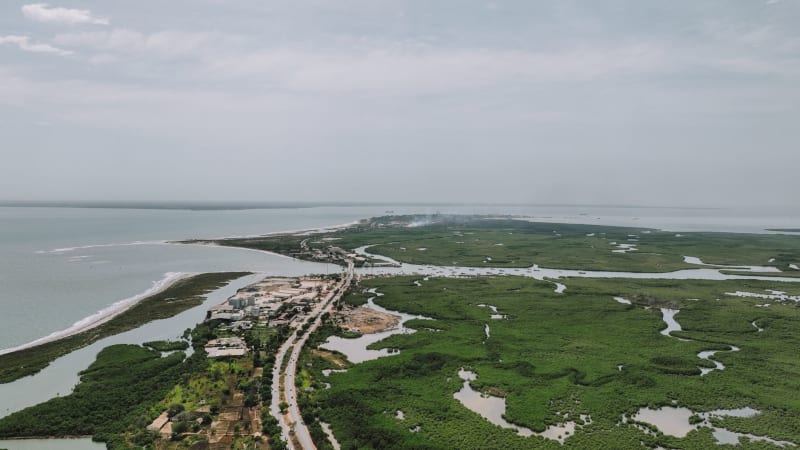 gambia
Jinack Island
A remote barrier island with sea-turtle nesting beaches, no paved roads, and the kind of solitude that resets something in you.
Explore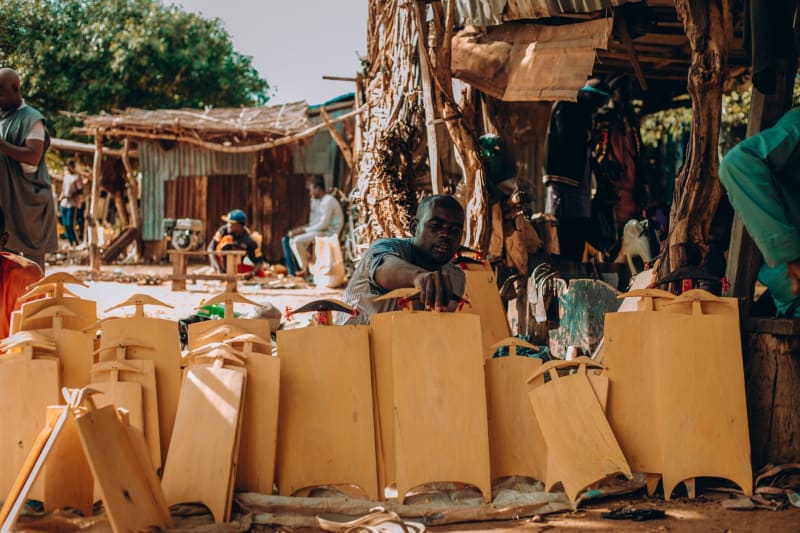 gambia
Kartong
The southernmost village on the Gambian coast where the beach ends at the Senegalese border and time runs at the river's pace.
Explore