
Kartong
"Here the Gambia literally ends — a stream, a sandbank, then Senegal. The border has the feel of a comma, not a period."
The southernmost village on the Gambian coast where the beach ends at the Senegalese border and time runs at the river's pace.

The taxi driver who brought me to Kartong from the main coastal road had been to the village twice in his life, which he mentioned as information, not as a warning. The last section of road runs south through casuarina trees planted as a windbreak above the beach, the ocean appearing in flashes to the right, the forest dense and bird-loud on the left. The village arrives gradually — a few compounds, a mosque, a cluster of fishing boats above the tideline — and then the road simply stops, the Allahein River spreading out ahead of you in a wide, shallow estuary before it meets the sea, and beyond that, Senegal.
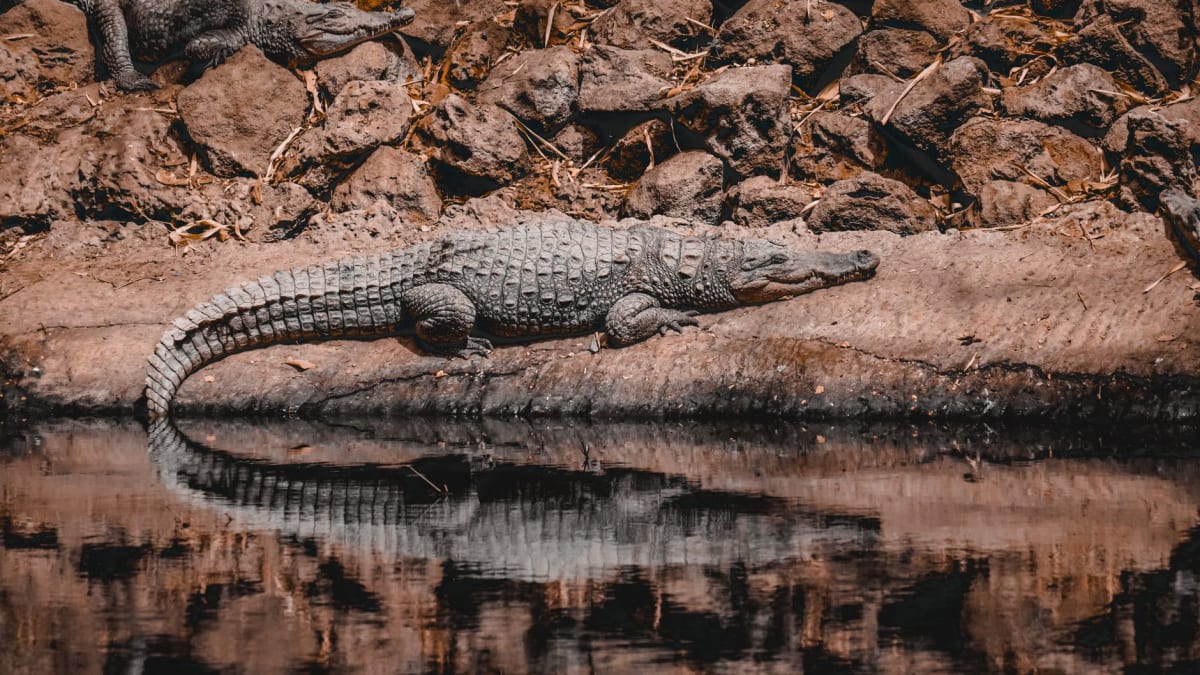
Kartong is The Gambia’s southernmost settlement, and it has the quality of a place that has not decided yet whether it wants to be discovered. There are a few simple guesthouses, a turtle sanctuary where volunteers monitor nesting sites, and a creek that runs behind the village into the Bolong Fenyo Community Wildlife Reserve — a network of mangrove channels and wetlands that holds crocodiles, manatees when you’re lucky, and the kind of waterbird concentrations that make birders genuinely emotional. I paddled the bolong for two hours with a village guide one morning, moving through reed corridors, watching a malachite kingfisher patrol its stretch of bank with territorial seriousness.
The beach south of the village is Kartong’s main event and it is staggering in its emptiness. This is the end of the Gambian coast — there is nothing south of the village but border, and nothing north for another hour that isn’t the beach itself — and in the early morning the sand is unmarked from the tide and the surf runs in long even lines and the light comes off the Atlantic without obstruction. I walked south toward the river mouth for forty minutes, the only footprints mine, the only structures the occasional fishing stake planted in the sand. A flock of royal terns wheeled over the river mouth where the estuary met the sea. The horizon was absolutely flat and the color of old pewter.
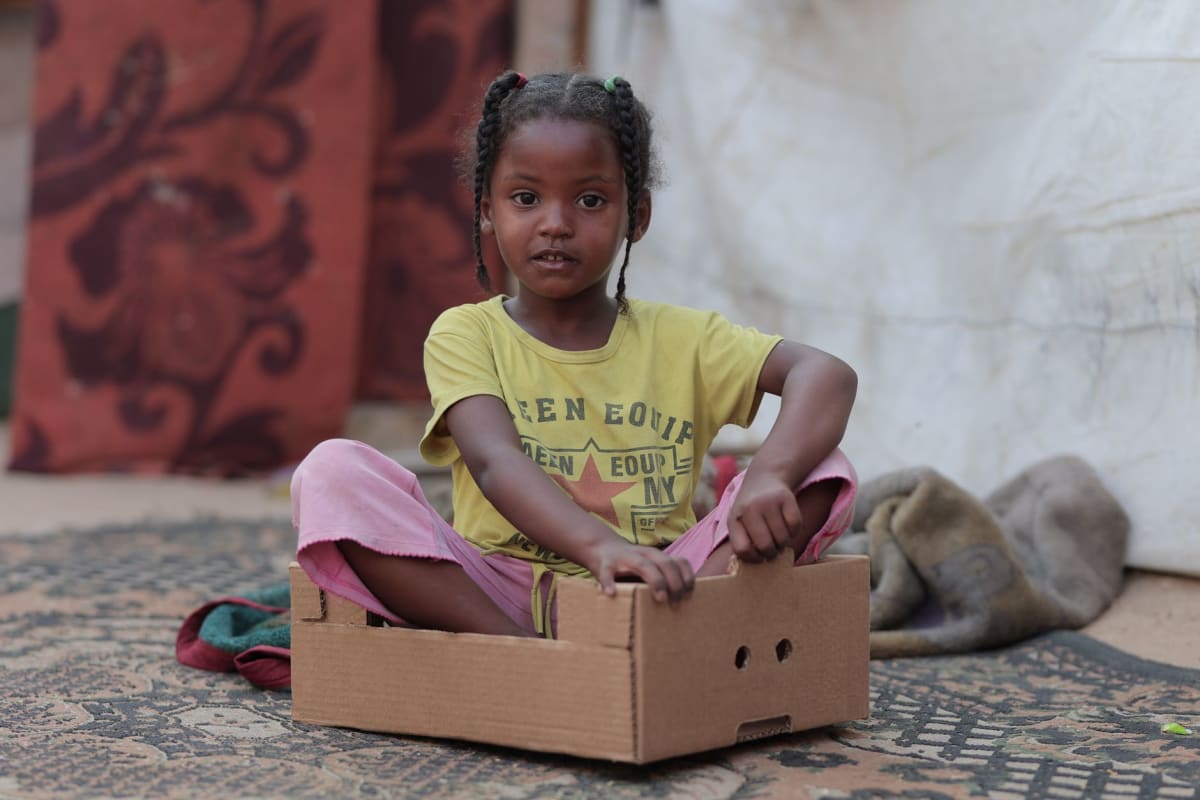
The fishing community here is mostly Jola, one of The Gambia’s smaller ethnic groups, and the evening activities around the beaching of the pirogues have a different texture than the Wolof and Mandinka-majority areas further north — different fish-smoking techniques, different songs at the cooperative meetings, different colors in the women’s compound wrappers. I sat on an upturned canoe one afternoon while the fishermen repaired nets and had a conversation in fragments — my French, their Jola, a shared pidgin English — about the quality of the barracuda catch this year versus last. It was not resolved. We shook hands on the ambiguity.
The turtle sanctuary at the village edge runs volunteer programs and welcomes visitors during nesting season. The staff can arrange early-morning beach patrols when green turtles are active. There are also organized walks into the wildlife reserve and boat trips on the bolong — ask at the sanctuary or at any of the small guesthouses, where someone will know someone who can take you.
When to go: November through February for comfortable temperatures and active birdwatching. The turtle nesting season runs October through February — the sanctuary runs patrols starting around 10pm and continuing through the night. The walk or drive from the main coastal strip takes about an hour. Kartong is best experienced over at least one night.
Keep exploring
More from The Gambia
 gambia
Kiang West National Park
The Gambia's largest national park, where laterite cliffs drop to mangrove shore and roan antelope walk through a silence that feels prehistoric.
Explore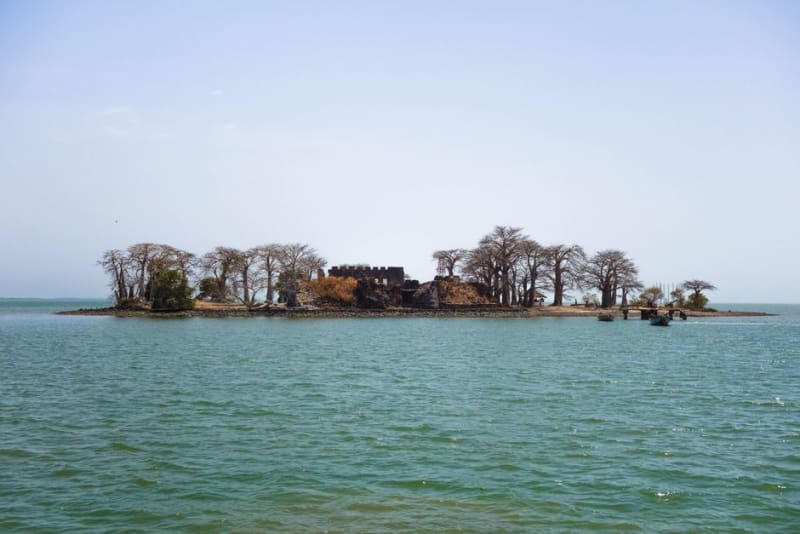 gambia
Kunta Kinteh Island
A crumbling fort on a mangrove islet in the Gambia River, the place that gave Alex Haley's 'Roots' its name and its weight.
Explore gambia
Makasutu Culture Forest
A privately protected forest reserve on a tidal creek where palm groves, mangroves, and baboon troops sit just inland from the Gambian coast.
Explore gambia
Serrekunda
The Gambia's largest city and most visceral market town — chaotic, generous, and entirely indifferent to being picturesque.
Explore gambia
Tanji
A working fishing village south of the tourist strip where hundreds of pirogues land each morning and the fish-smoking ovens run all day.
Explore gambia
Tendaba
A remote bush camp on the Gambia River's south bank where the birdwatching is absurd and electricity arrives by generator at six.
Explore