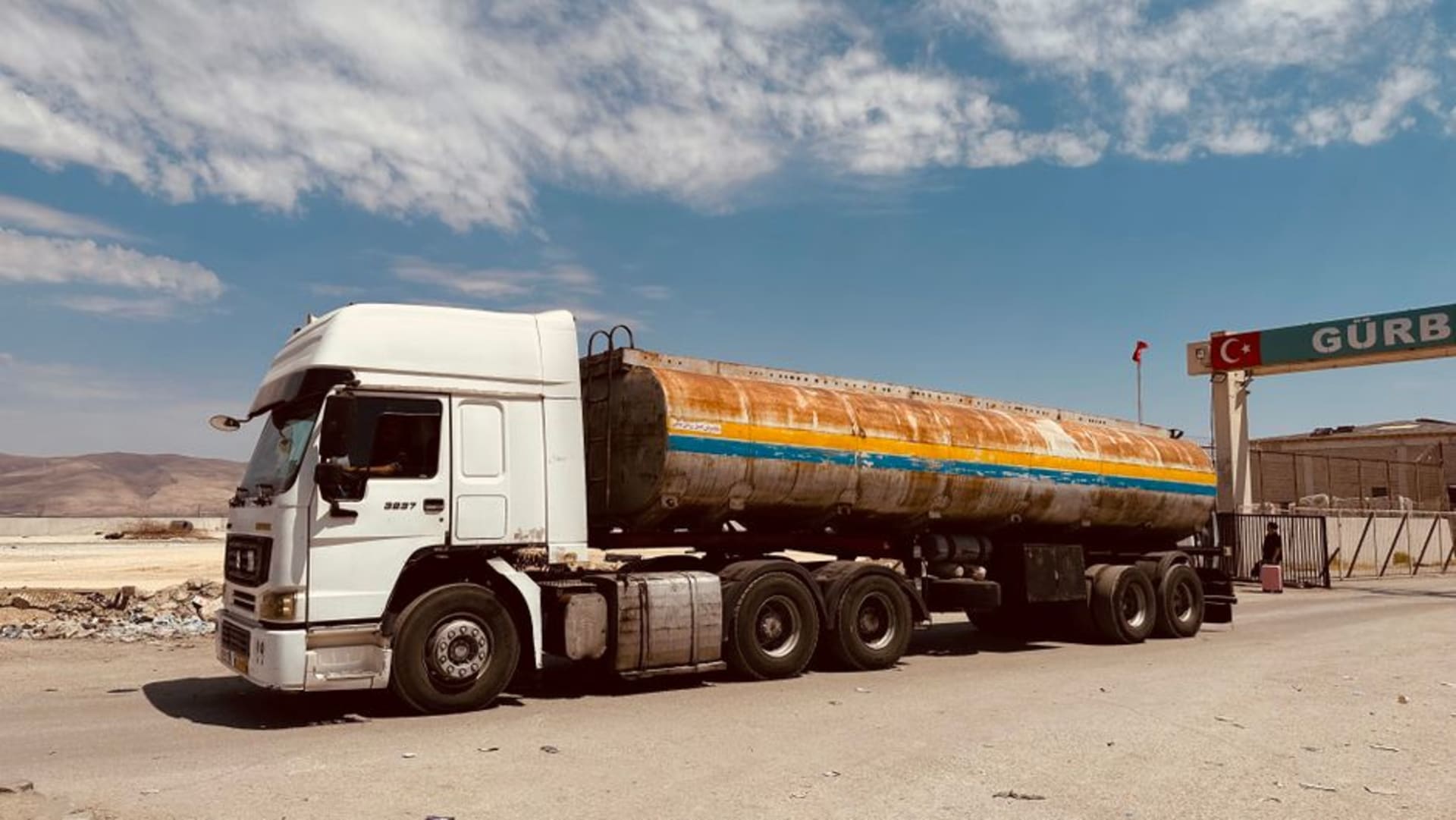
Farafenni
"We ended up spending four hours in Farafenni we hadn't planned on, stuck between two currencies and a broken-down taxi."
A dusty North Bank crossroads town whose whole rhythm is set by the border traffic to Senegal passing through its market and taxi park.

Farafenni wasn’t supposed to be a destination for us at all — it was a stop, the town you pass through on the North Bank road between the coast and Senegal, and that’s exactly why I want to write about it. We were heading toward the Senegalese border and our shared taxi’s transmission started grinding right at the edge of town, so we had, suddenly, an unplanned afternoon in a place we’d otherwise have driven straight through.
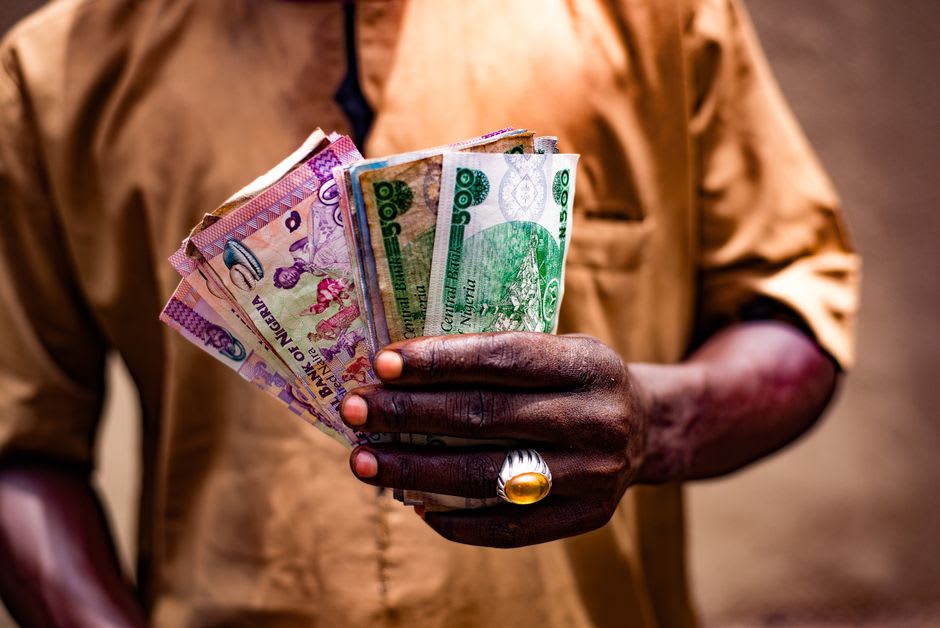
What struck me first was how transactional the whole town feels, in a good way. Farafenni exists because of the crossing point nearby, and everything from the taxi park to the market is built around people in motion — traders with goods stacked shoulder-high, moneychangers calling out exchange rates between dalasi and CFA francs, minibuses idling with their destinations shouted out the window. There’s a big weekly market, or lumo, that draws sellers from both sides of the border, and even on an off day the permanent market was busy enough that I couldn’t imagine what lumo day looks like.
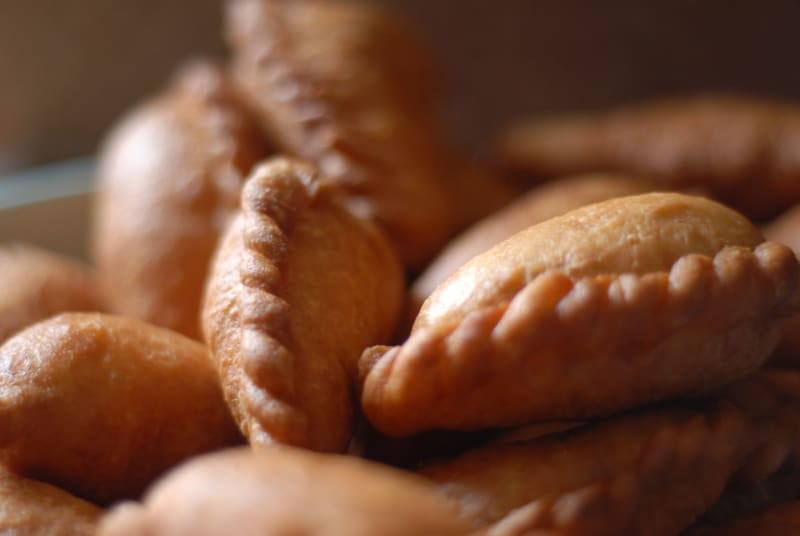
We killed time at a roadside food stall eating rice and fish sauce off a shared bowl, which is how meals often work at these places, several people eating from one dish with their right hand, and a mechanic’s apprentice who’d wandered over to look at our stalled taxi ended up chatting with us for most of an hour about football, mostly. He supported a French club I’d never have guessed, and Lia got more out of that conversation than most of our planned “cultural” stops on the trip.
Farafenni also sits near the site of a WWII-era airstrip, a small historical footnote most visitors never hear about, and there’s a hospital here that serves a wide catchment of the North Bank region, which tells you something about the town’s actual role versus its reputation as just a drive-through. By the time our taxi got patched up enough to limp onward, I’d sort of stopped minding the delay.

When to go: The dry season, roughly November to May, makes the unpaved stretches of the North Bank road far more manageable, and cooler months take the edge off waiting around in a town with little shade.
Keep exploring
More from The Gambia
 gambia
Janjanbureh
A colonial river island town — once a slave-trade hub, now a quiet place where the Gambia River wraps around faded history.
Explore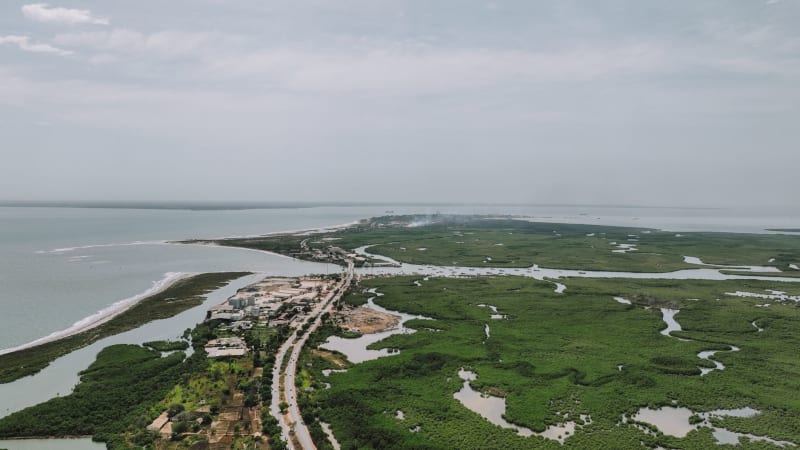 gambia
Jinack Island
A remote barrier island with sea-turtle nesting beaches, no paved roads, and the kind of solitude that resets something in you.
Explore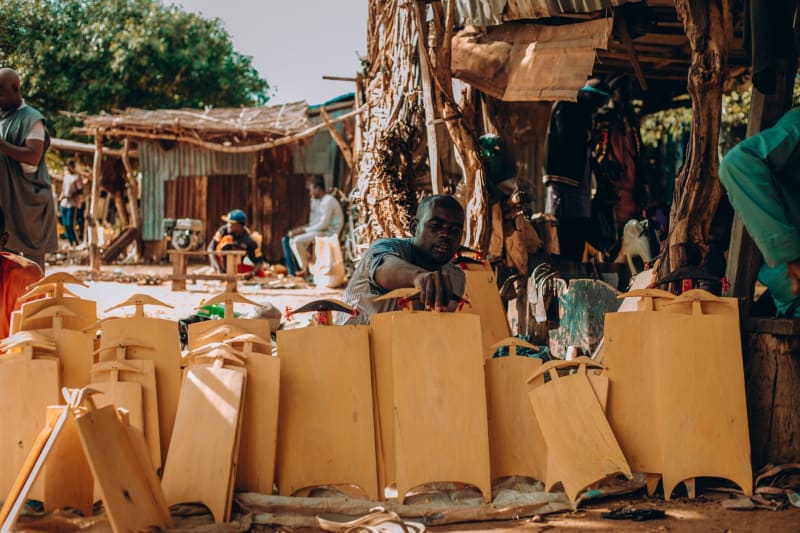 gambia
Kartong
The southernmost village on the Gambian coast where the beach ends at the Senegalese border and time runs at the river's pace.
Explore gambia
Kiang West National Park
The Gambia's largest national park, where laterite cliffs drop to mangrove shore and roan antelope walk through a silence that feels prehistoric.
Explore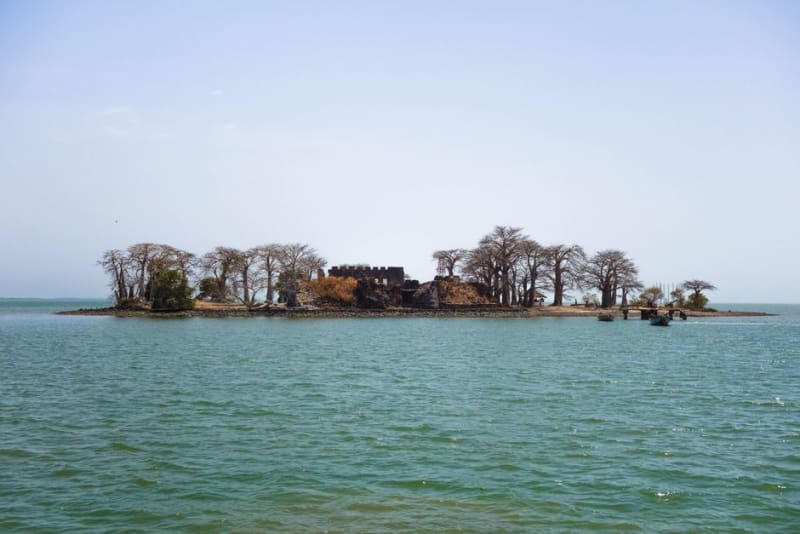 gambia
Kunta Kinteh Island
A crumbling fort on a mangrove islet in the Gambia River, the place that gave Alex Haley's 'Roots' its name and its weight.
Explore gambia
Makasutu Culture Forest
A privately protected forest reserve on a tidal creek where palm groves, mangroves, and baboon troops sit just inland from the Gambian coast.
Explore