Saint-Rémy-de-Provence
"Between the Roman ruins and the asylum garden, this is the most quietly devastating half-day we spent in Provence."
A market town in the Alpilles where Roman ruins sit beside the asylum walls Van Gogh painted his cypresses and irises from, a year of his life folded into a few hundred metres.

Saint-Rémy doesn’t announce itself the way Gordes or Les Baux do — no cliffside drama, just a ring of plane-tree boulevards around a compact old town that feels, on a Wednesday market morning, like the working heart of the Alpilles rather than a stage set for one. We came for what’s just outside it and ended up loving the town itself more than we expected to.
Glanum, a Roman city half-swallowed by the hills
A fifteen-minute walk south of town, the ruins of Glanum sit in a narrow valley beneath the two limestone peaks the Romans called Les Antiques — a mausoleum and a triumphal arch, both still standing, that predate most of what remains of Roman France. The site itself, a Gallo-Greek and then Roman town of temples, baths, and a forum, is far less visited than it deserves, and we had long stretches of it entirely to ourselves, just cicadas and warm stone and the low hills closing in on both sides.

The asylum garden that painted itself into history
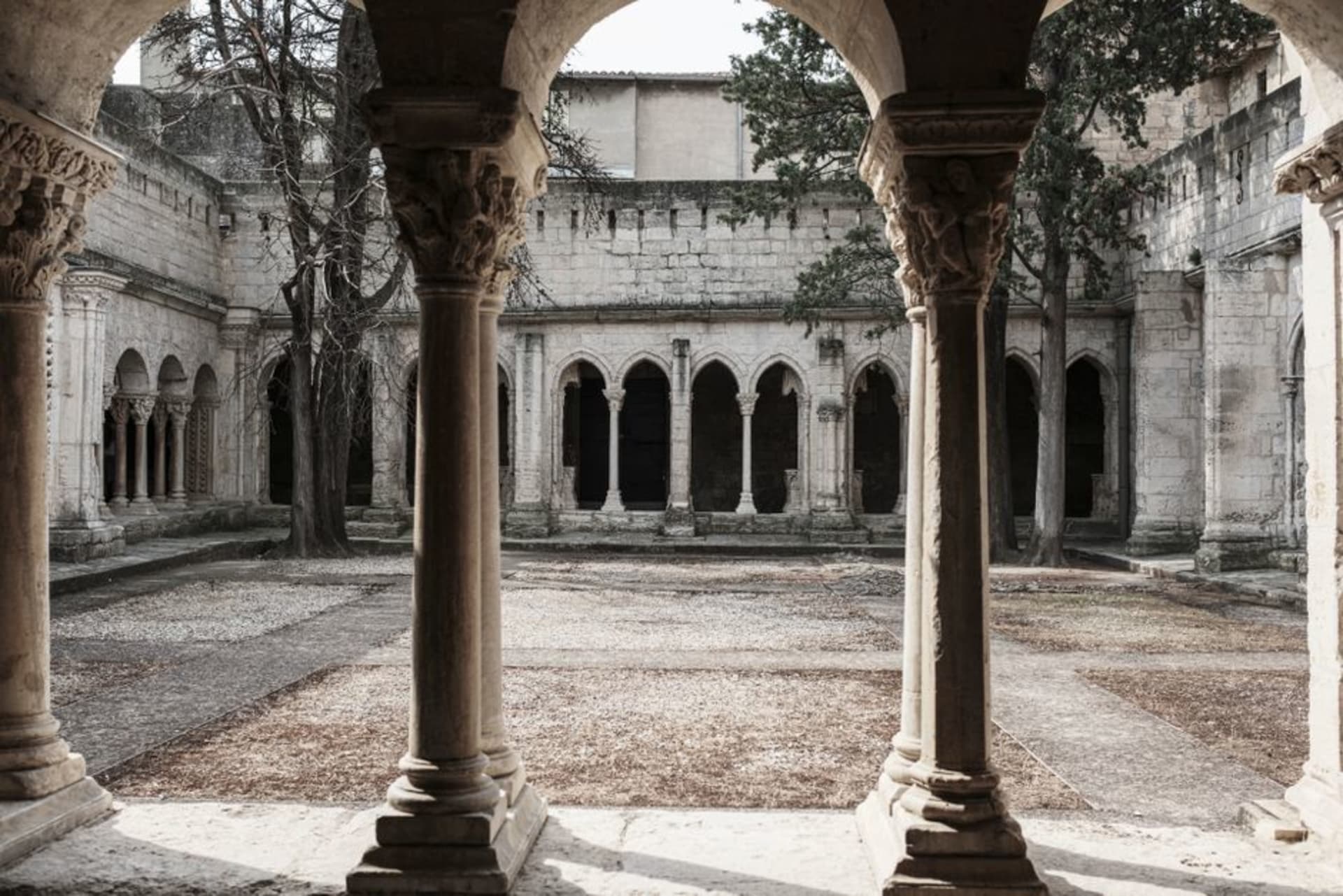
A short walk further, the former monastery of Saint-Paul-de-Mausole is still a working psychiatric clinic, but part of it — the cloister, the chapel, a recreated version of the room Van Gogh stayed in — is open to visitors. He committed himself here voluntarily in 1889 and painted more than a hundred works in the year he stayed, including The Starry Night, working from what he could see through a barred window: the wheat fields, the cypresses, the Alpilles beyond the wall. Standing in the walled garden, looking at the same gnarled olive trees he painted, is a strange, quiet kind of vertigo.

When to go: Wednesday, for the market that spills through the whole old town — one of the best in Provence. Spring puts the wheat fields and irises Van Gogh painted back in bloom around Glanum.
Keep exploring
More of Provence
Keep exploring
More from Provence
 france
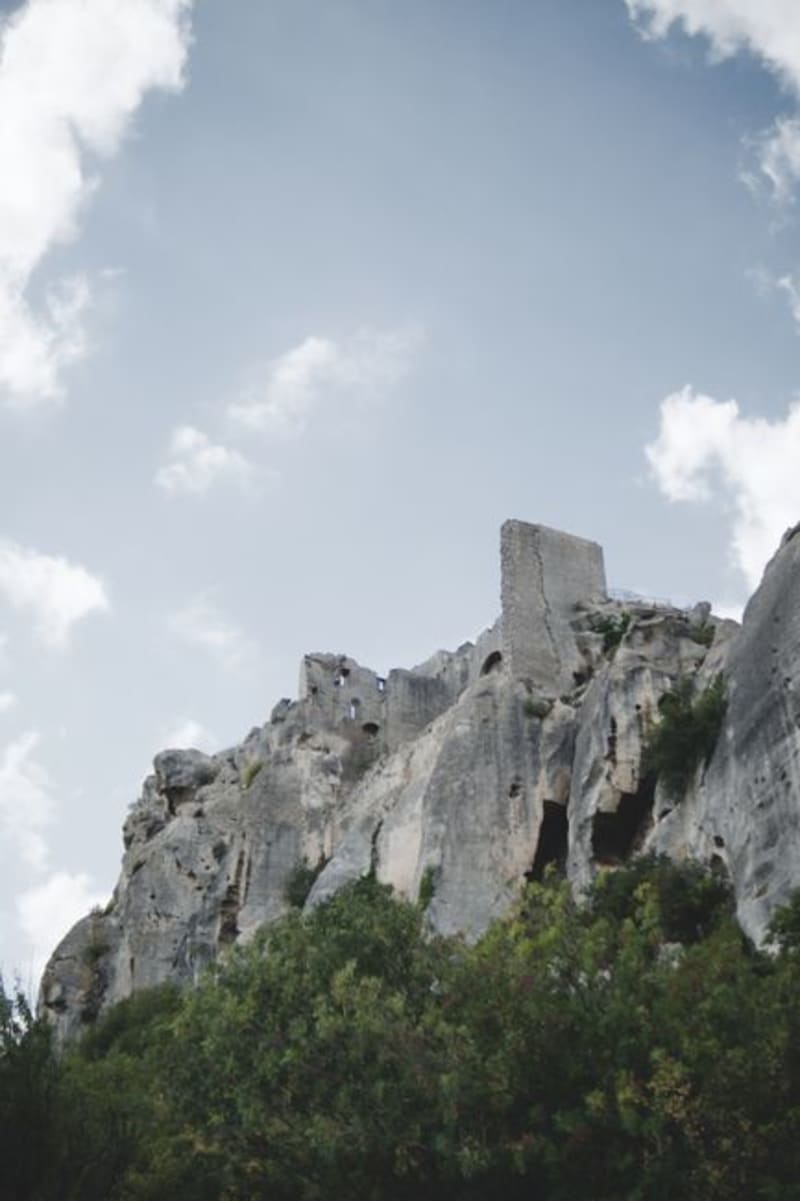
 Les Baux-de-Provence
A ruined citadel fused into a jagged limestone spur in the Alpilles, half village and half rockface, with a quarry cave nearby that turns Klimt and Van Gogh into wraparound light shows.
Explore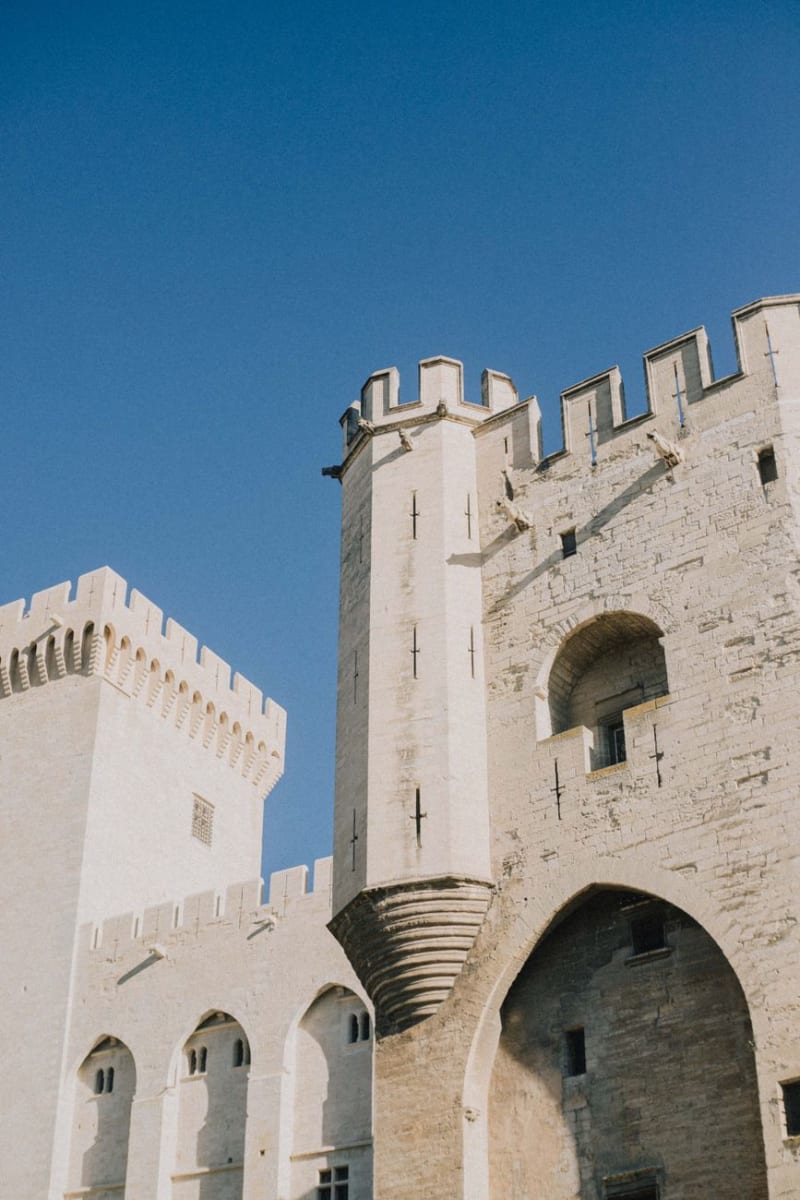 france
 Avignon
Once the seat of the Avignon Papacy, this walled Provençal city hosts Europe's largest performing arts festival each July around its immense palace.
Explore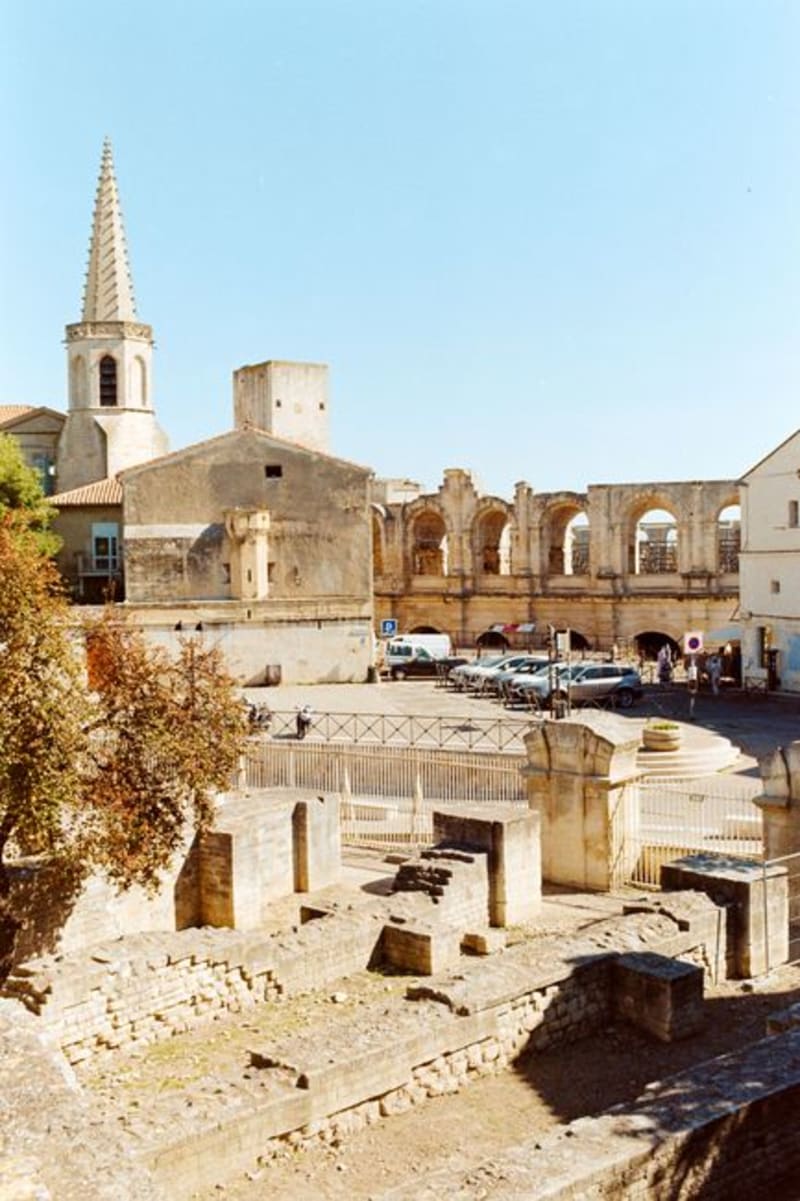 france
 Arles
A Roman city on the Rhône where the amphitheatre still fills for bullfights on Sunday afternoons and the light that undid Van Gogh's eyes hasn't dimmed a shade.
Explore france
 Isle-sur-la-Sorgue
A town split into channels by the clear, fast-running Sorgue river, its old waterwheels still turning beside one of the biggest antiques markets in France.
Explore france
 Salon-de-Provence
The town where Nostradamus wrote his prophecies and is now buried under a church floor, where soap has been boiled from olive oil for centuries, and where fighter jets scream overhead on training days from the airbase next door.
Explore france
 Carpentras
A market town with the oldest synagogue still in use in France tucked behind an ordinary-looking door, and a Friday market smelling so strongly of truffle in winter that I followed my nose before I found the stall.
Explore