Arles
"I stood on the Place du Forum at dusk and understood, finally, why he never wanted to leave."
A Roman city on the Rhône where the amphitheatre still fills for bullfights on Sunday afternoons and the light that undid Van Gogh's eyes hasn't dimmed a shade.

We got to Arles by accident, really — a detour off the Marseille road that Lia insisted on because she’d read the light was different here, and within an hour I understood what she meant without being able to explain it to anyone since. It’s not gold exactly, and not white. It just sits on the stone a little longer than it should before it fades, and by the time we reached the river the whole town had turned the colour of a struck match.
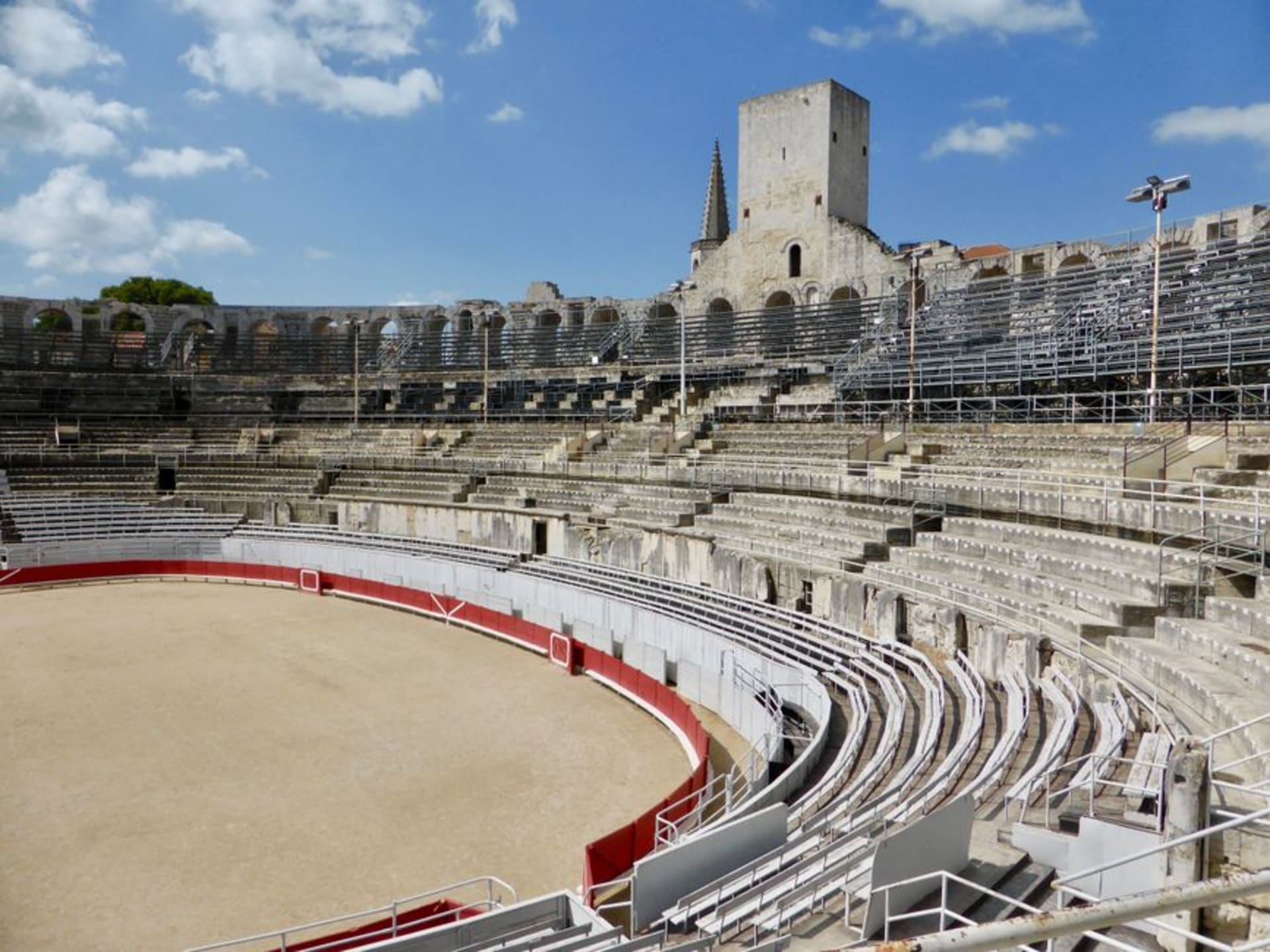
An arena built for lions, still built for bulls
The Arènes d’Arles has been in continuous use for two thousand years, which is not a sentence you get to write about many buildings. Built by the Romans to seat twenty thousand people watching gladiators, it now seats a smaller and rowdier crowd watching the course camarguaise, a bloodless Provençal bullfighting where young men in white try to pluck a rosette from between a bull’s horns without losing a finger. We climbed the worn stone stairs to the upper tier, bought paper cones of chichis fregis — sugared fried dough that seems to be the unofficial snack of every Arles crowd — and watched the ring below fill with noise that felt, weirdly, exactly as old as the stones.

The café that never repainted itself
On the Place du Forum stands a café with a yellow awning and yellow walls that anyone who has ever opened a Van Gogh calendar will recognize on sight — it’s the building he painted from a table across the square in 1888, and the current owners have kept the palette faithfully garish ever since, which either counts as devotion or the smartest marketing decision in Provence. We had a very average coffee there and didn’t care in the slightest. Better was the Fondation Vincent van Gogh nearby, a converted mansion where contemporary artists respond to his year in the city — no original canvases hang in Arles itself, a fact that surprises most visitors, since the town sold or lost almost everything he painted here.

When to go: May brings the Feria Pascale and the town at its most theatrical; September and October give you the same light with a third of the crowds and the Camargue rice harvest going on just outside town.
Keep exploring
More of Provence
Keep exploring
More from Provence
 france
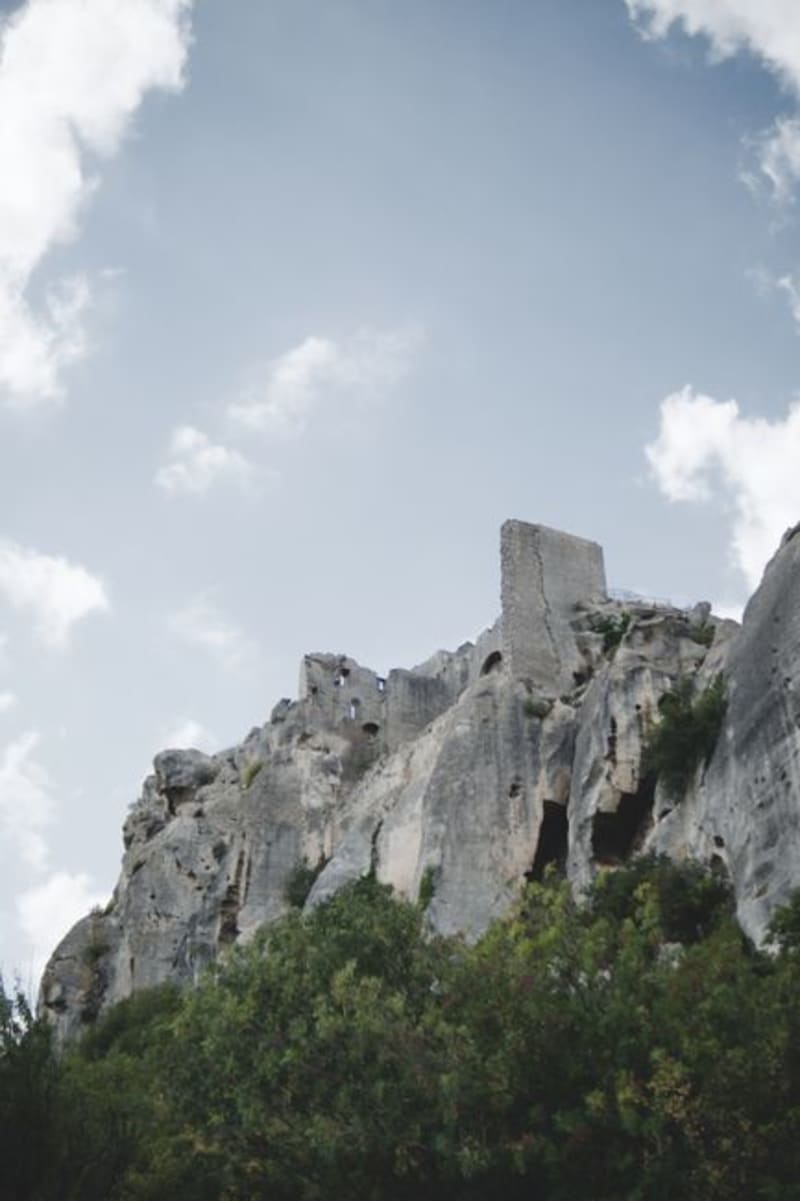
 Les Baux-de-Provence
A ruined citadel fused into a jagged limestone spur in the Alpilles, half village and half rockface, with a quarry cave nearby that turns Klimt and Van Gogh into wraparound light shows.
Explore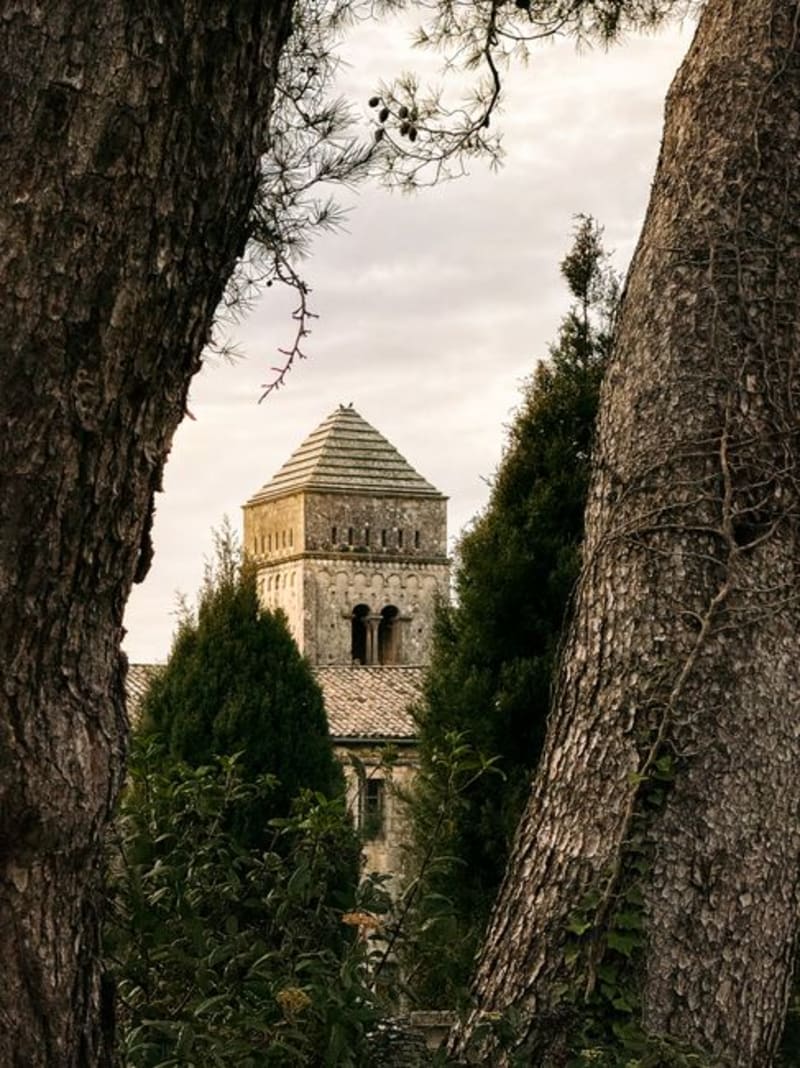 france
 Saint-Rémy-de-Provence
A market town in the Alpilles where Roman ruins sit beside the asylum walls Van Gogh painted his cypresses and irises from, a year of his life folded into a few hundred metres.
Explore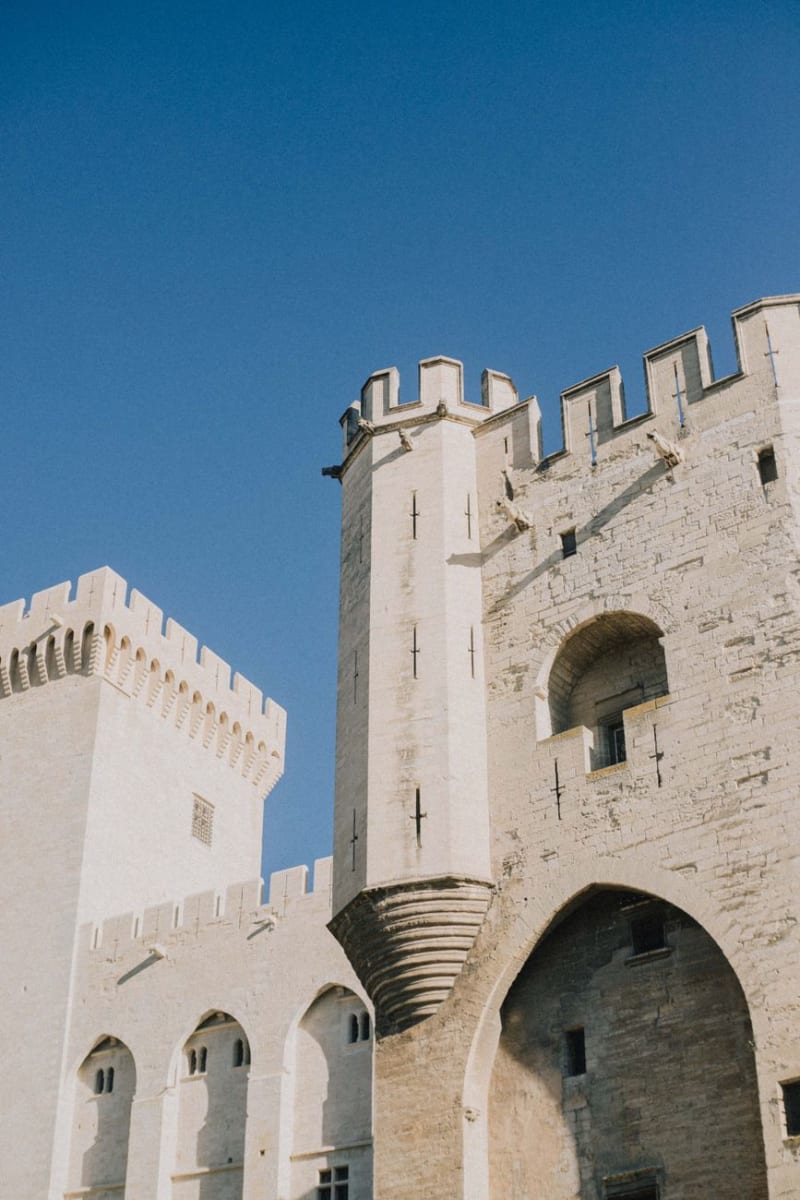 france
 Avignon
Once the seat of the Avignon Papacy, this walled Provençal city hosts Europe's largest performing arts festival each July around its immense palace.
Explore france
 Aigues-Mortes
A perfectly rectangular walled town that Saint Louis built from nothing to launch a crusade, standing now in the middle of Camargue salt flats it once looked out over as open sea.
Explore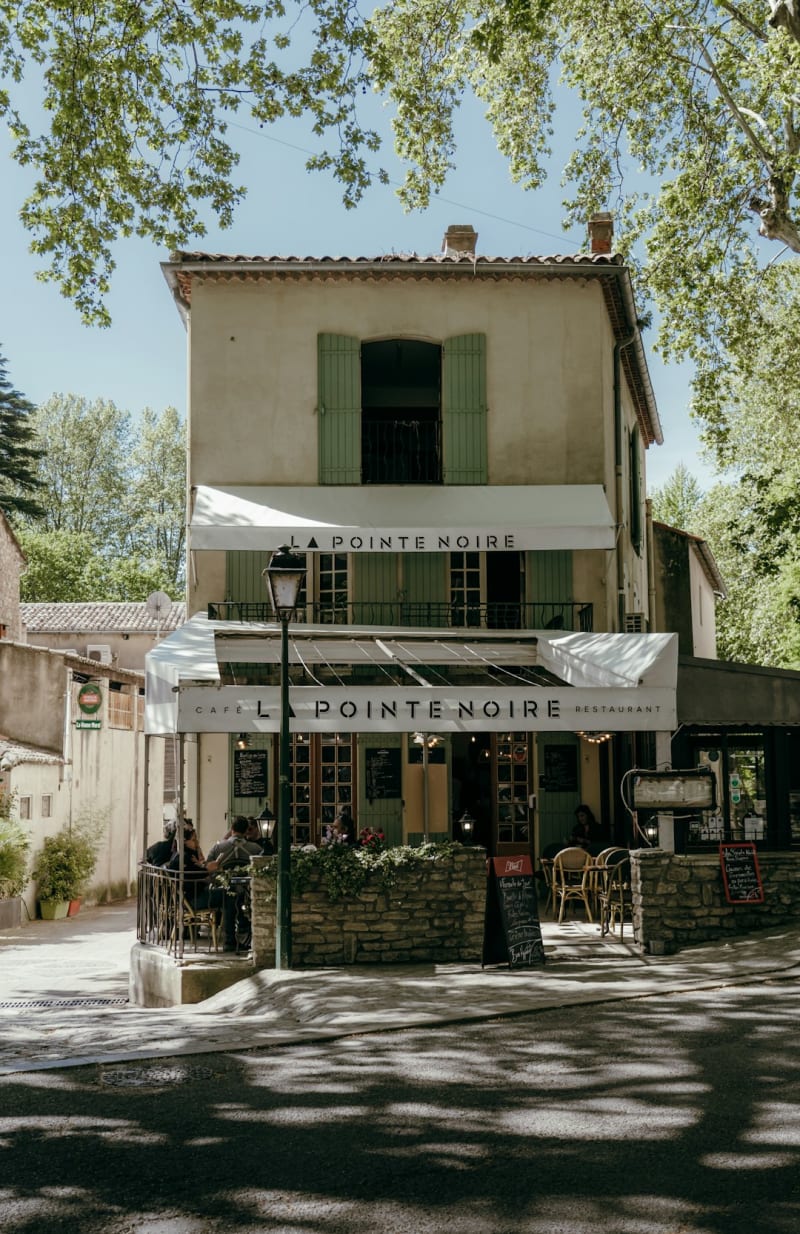 france
 Salon-de-Provence
The town where Nostradamus wrote his prophecies and is now buried under a church floor, where soap has been boiled from olive oil for centuries, and where fighter jets scream overhead on training days from the airbase next door.
Explore france
 Isle-sur-la-Sorgue
A town split into channels by the clear, fast-running Sorgue river, its old waterwheels still turning beside one of the biggest antiques markets in France.
Explore