
Ornans
"He painted this town like it mattered as much as any cathedral, and standing here, I finally got why."
The Loue river town that raised Gustave Courbet, whose realist paintings of these exact houses and this exact water taught me to see the Jura the way he insisted on painting it — unglamorized, and better for it.

Ornans calls itself the Venice of the Jura, and the comparison isn’t pure tourist-office flattery — old houses really do rise straight out of the Loue river on wooden stilts, their facades doubling in the water on calm days until you can barely tell where the reflection ends. But the reason I wanted to come wasn’t the nickname. It was Gustave Courbet, who was born here in 1819 and who spent much of his career insisting, against the taste of his time, that ordinary Ornans — its farmers, its funerals, its riverbanks — deserved the same seriousness as history painting.
The realist who refused to flatter anything
Courbet’s most famous works, like A Burial at Ornans, scandalized Paris precisely because he painted local townspeople at actual scale, without idealizing a single face, treating a small-town funeral as worthy of the grand format usually reserved for kings and saints. The Musée Courbet, installed in his childhood home along the river, walks through that whole argument — his landscapes of the Loue valley, his portraits, the sheer stubbornness of a painter who built an entire movement out of refusing to prettify what he saw. Standing at the window where he supposedly sketched the river, I kept turning to compare the view outside to the paintings inside, and they matched closer than I expected.

The river that made the paintings possible
The Loue itself is worth the visit independent of Courbet — a clear, fast, genuinely green river that carves through limestone gorges upstream near its source, and that locals swim in during summer at a few known spots below town. We walked the riverside path past the stilt houses at golden hour, past fishermen working the shallows for trout, and it was easy to see why Courbet kept coming back to paint this stretch of water instead of anything more conventionally scenic.

When to go: Summer, for swimming and the golden light on the stilt houses, though the museum is worth a visit in any season.
Keep exploring
More of Jura
Keep exploring
More from Jura
 france
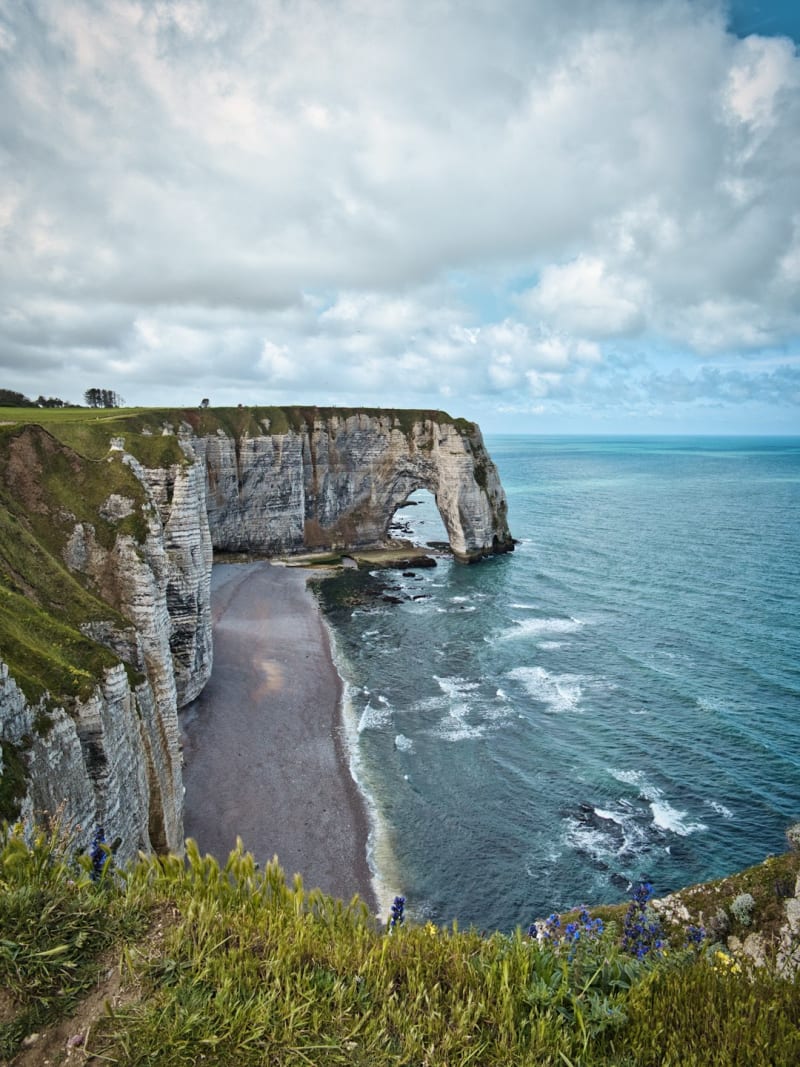
 Salins-les-Bains
A UNESCO-listed saltworks built into a river gorge, where I walked underground galleries that funded the Franche-Comté for a thousand years before soaking in the same brine that made the town rich.
Explore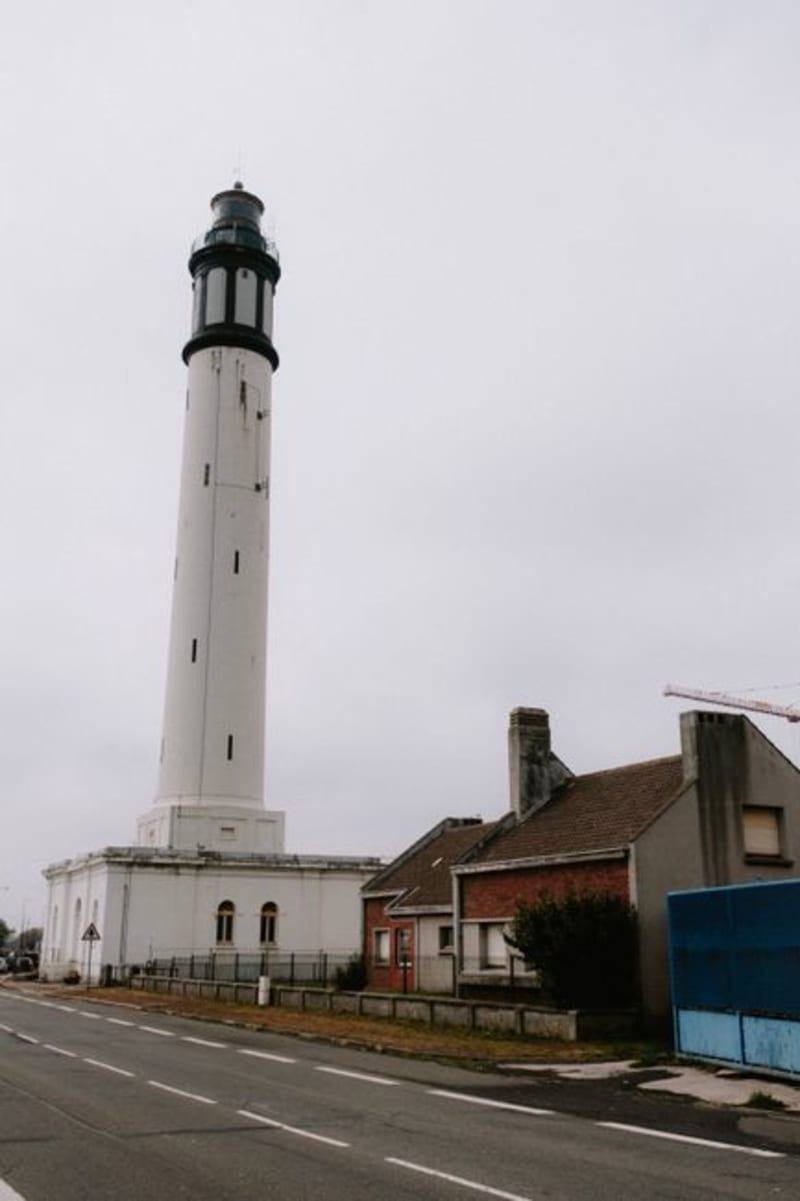 france
 Nozeroy
A medieval capital so small today that it's easy to drive past it, though its ramparts and fortified gates still guard a hilltop that once ruled its own slice of the old Comté de Bourgogne.
Explore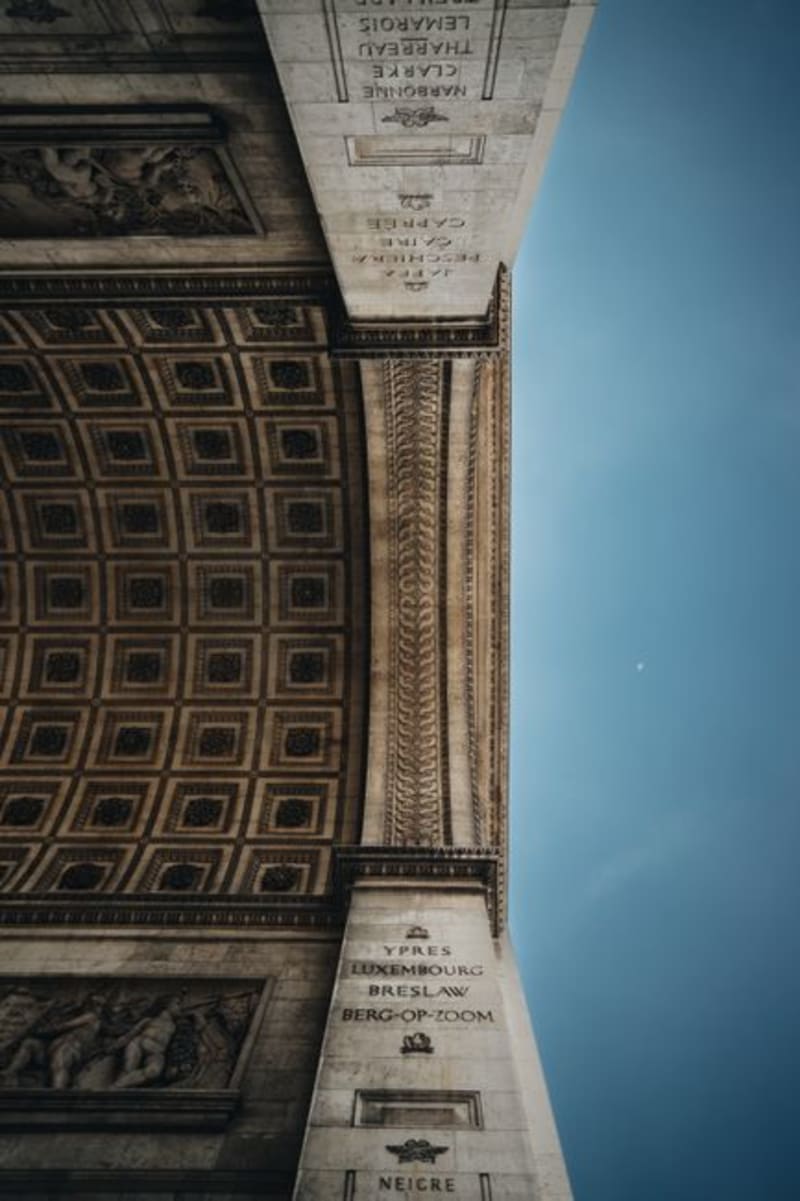 france
 Arc-et-Senans
A salt factory built as a utopia, half-moon shaped and dropped into the Jura countryside by an architect who wanted to redesign society along with the buildings, and who only ever finished the half.
Explore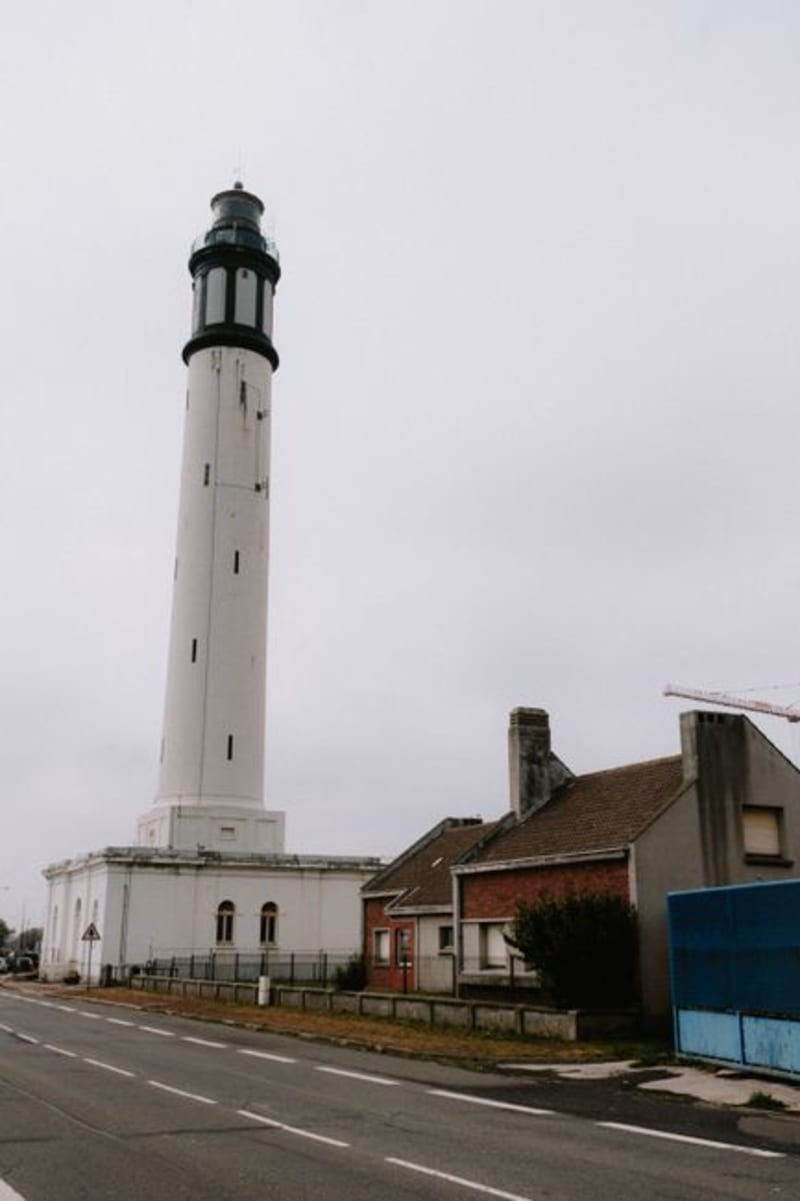 france
 Mouthe
France's coldest village, where the Doubs river begins as a trickle out of the rock and the winters get so brutal locals half-jokingly call it French Siberia, which didn't stop us from strapping on skis and loving it.
Explore france
 Arbois
The unofficial wine capital of the Jura, a stone-built town along the Cuisance river where Louis Pasteur did his early wine research and vin jaune, the region's strange, sherry-like specialty, still ages in oak for over six years.
Explore france
 Champagnole
A quiet forest town we used purely as a base, and which turned out to be the best decision of the whole trip once we found the Hérisson waterfalls a short drive away.
Explore