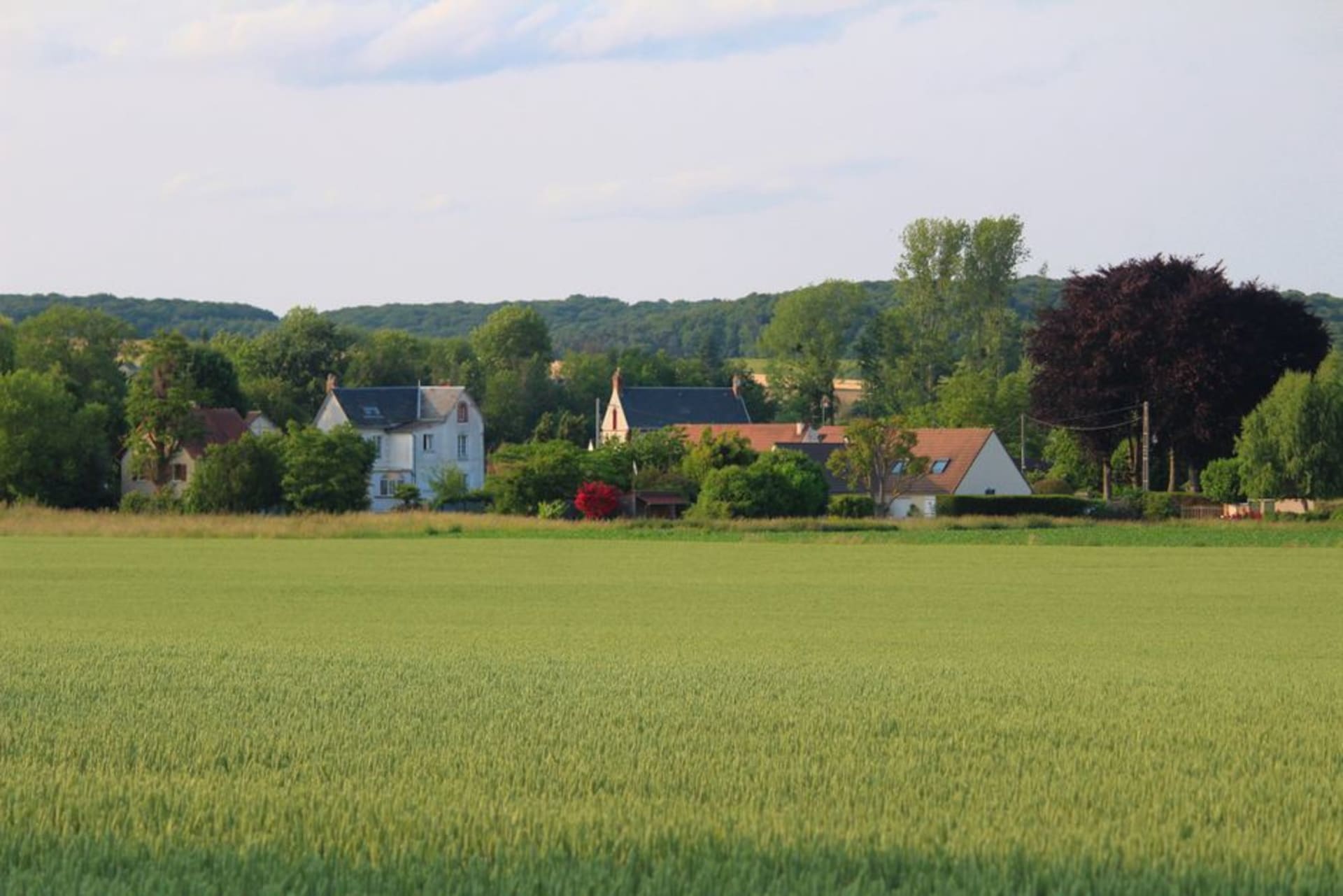
Mouthe
"Minus 41 degrees, once, officially. We visited in a much kinder month and I still felt the cold's reputation."
France's coldest village, where the Doubs river begins as a trickle out of the rock and the winters get so brutal locals half-jokingly call it French Siberia, which didn't stop us from strapping on skis and loving it.

Mouthe holds France’s official record for the coldest temperature ever recorded in a permanently inhabited settlement, minus 41 degrees Celsius, set in 1985, and the village wears the distinction with something close to pride. Locals call it “la petite Sibérie,” the little Siberia, and even in the relatively mild week we visited — late autumn, well above freezing — there was a bite in the air coming off the surrounding forest that made the nickname feel earned rather than exaggerated for effect.
Where the Doubs river starts
Just outside the village, a short walk through beech and spruce forest leads to the Source du Doubs, the spring where the Doubs river — one of the region’s major waterways, which loops through the Jura and eventually forms a stretch of the Swiss border — first emerges from the limestone. It’s a modest thing to look at, water welling up quietly at the base of a rock face into a clear pool, but there’s something satisfying about tracing a river you’ve crossed elsewhere back to this exact unglamorous point of origin. Lia insisted on dipping a hand in, out of some instinct to touch a river at its beginning, and reported it was exactly as cold as it looked.

A village built for snow
Mouthe’s whole character is shaped by its altitude and its cold, and it shows: this is cross-country skiing country, part of a network of groomed trails, the Jura Nordic domain, that connects villages across the high plateau for kilometers at a stretch. In winter the village becomes a genuine base for skiers rather than a stopover, with rental shops and trail maps replacing the summer’s hikers and rock climbers. We came in the shoulder season and mostly had the forest paths to ourselves, pine needles underfoot instead of snow, imagining what the same walk would feel like buried under a meter of it.

When to go: January and February for cross-country skiing at its best, though the source of the Doubs is a rewarding short walk in any season.
Keep exploring
More of Jura
Keep exploring
More from Jura
 france
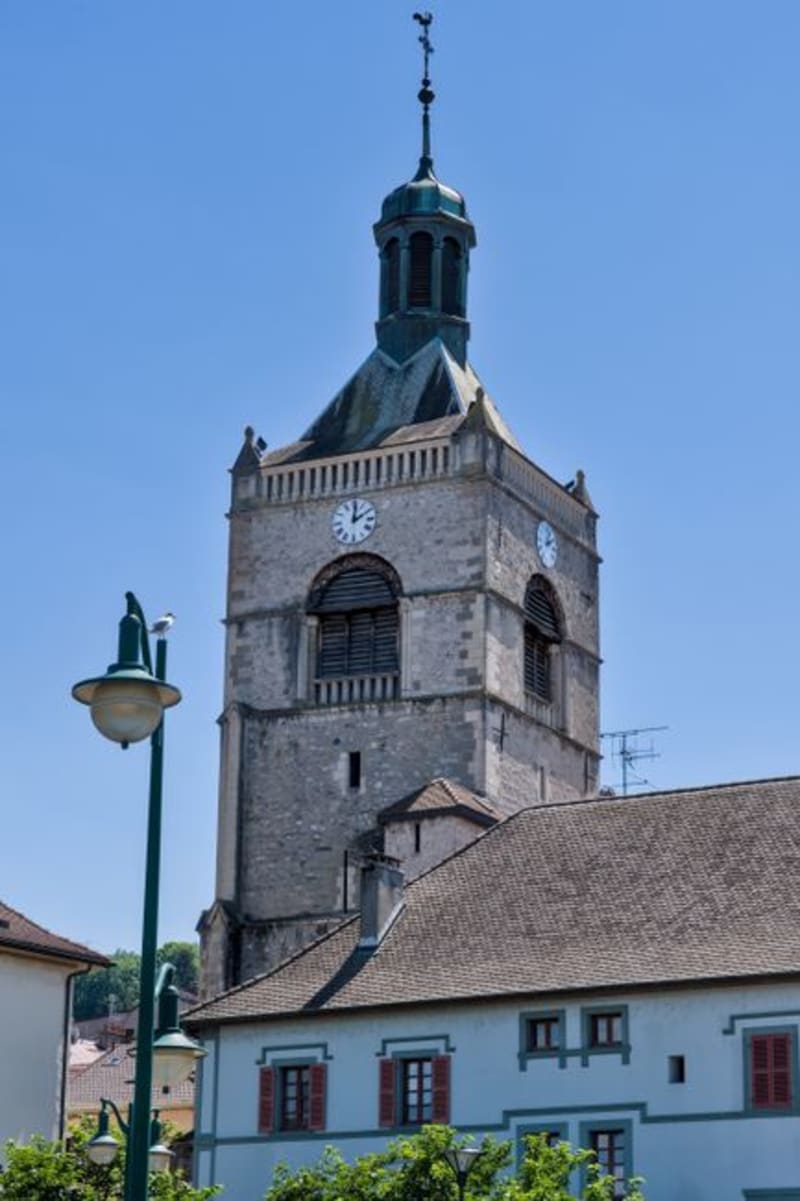
 Foncine-le-Haut
A high Jura ski village where the winter trade used to be carving wood and building clocks by hand, and where a few workshops still keep both crafts alive between chairlift runs.
Explore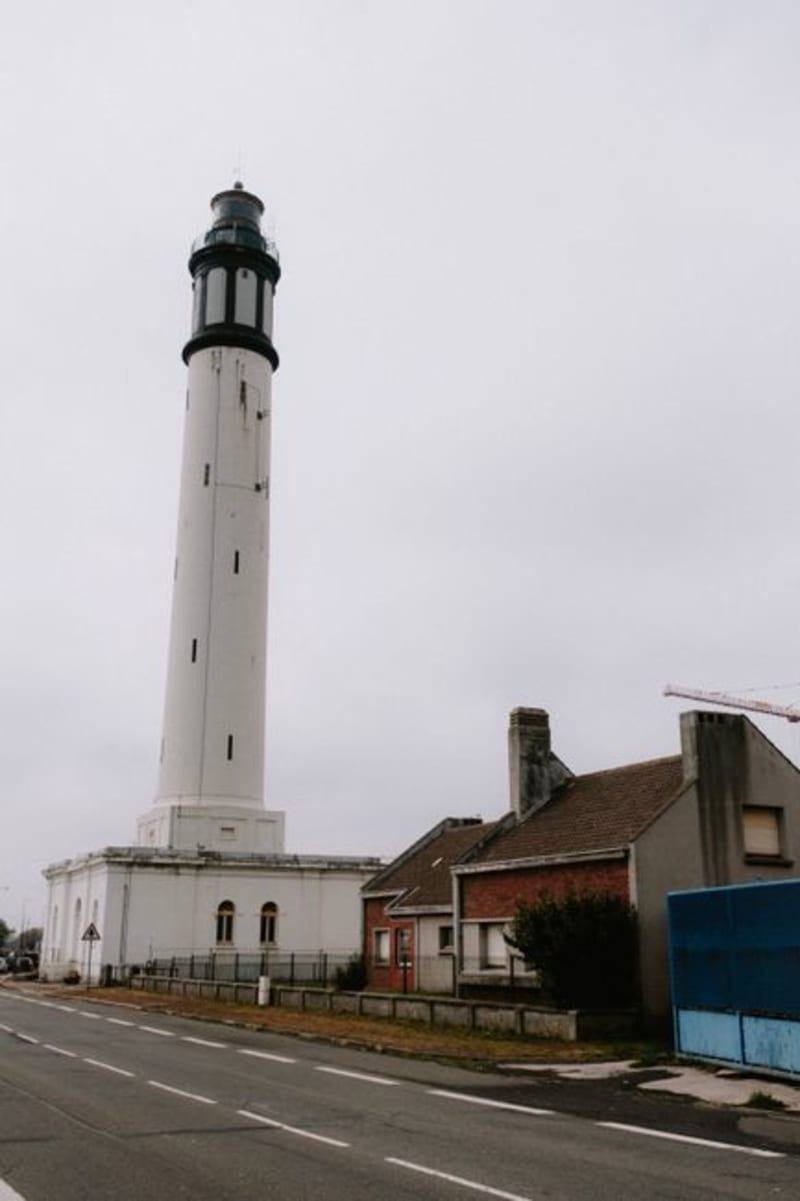 france
 Nozeroy
A medieval capital so small today that it's easy to drive past it, though its ramparts and fortified gates still guard a hilltop that once ruled its own slice of the old Comté de Bourgogne.
Explore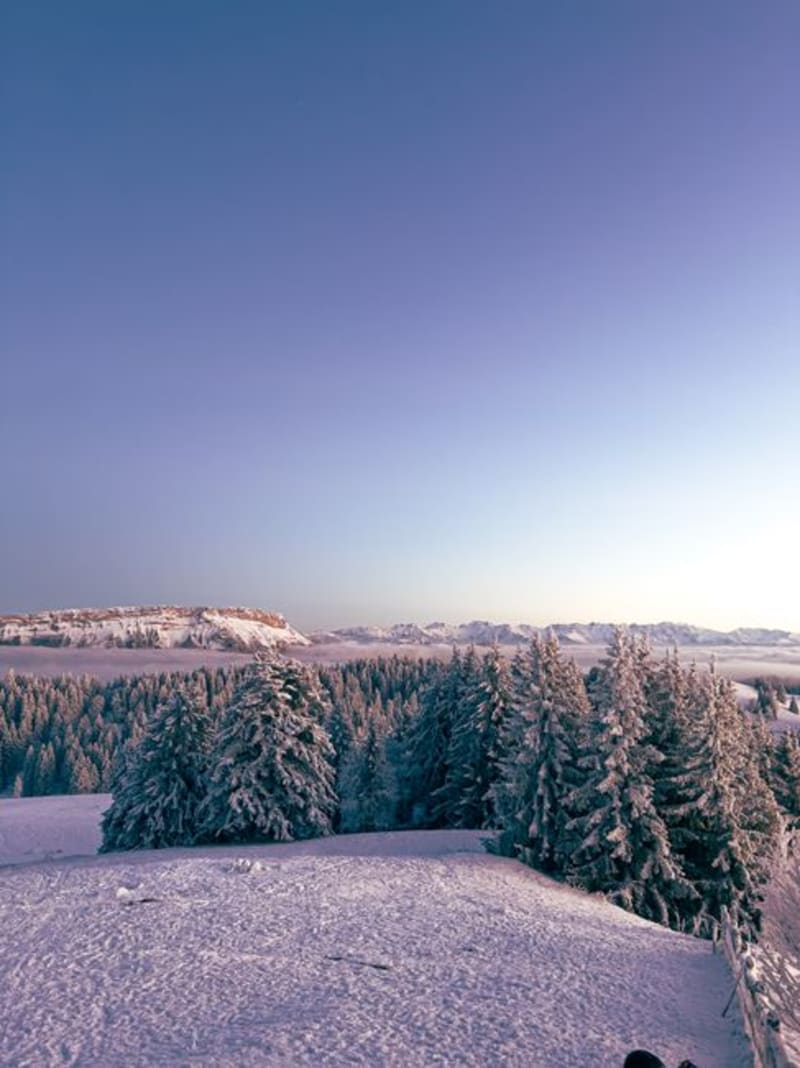 france
 Les Rousses
A high plateau lake resort near the Swiss border where I finally understood why the French call cross-country skiing a national obsession rather than a niche sport.
Explore france
 Champagnole
A quiet forest town we used purely as a base, and which turned out to be the best decision of the whole trip once we found the Hérisson waterfalls a short drive away.
Explore france
 Salins-les-Bains
A UNESCO-listed saltworks built into a river gorge, where I walked underground galleries that funded the Franche-Comté for a thousand years before soaking in the same brine that made the town rich.
Explore france
 Ornans
The Loue river town that raised Gustave Courbet, whose realist paintings of these exact houses and this exact water taught me to see the Jura the way he insisted on painting it — unglamorized, and better for it.
Explore