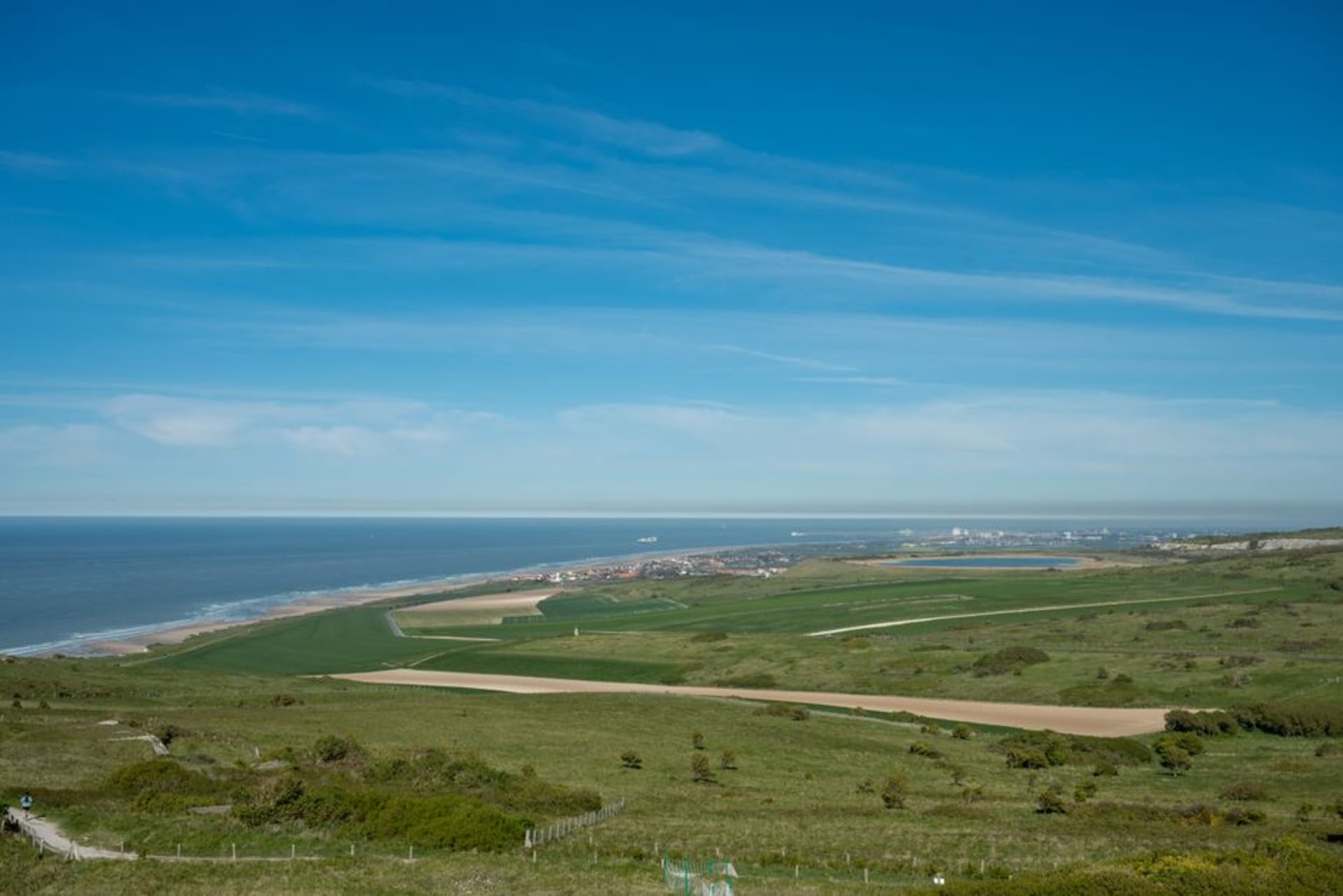
A medieval capital so small today that it's easy to drive past it, though its ramparts and fortified gates still guard a hilltop that once ruled its own slice of the old Comté de Bourgogne.

Nozeroy is easy to underestimate, which is exactly why I liked it. We came up the last stretch of road not expecting much beyond a pretty village, and then the ramparts appeared, still nearly intact, ringing a hilltop that used to be the capital of an entire sovereign territory — the Sire de Chalon’s feudal seat and, for a stretch of the late Middle Ages, effectively its own small state within the Comté de Bourgogne, minting its own coinage and answering to no one nearby.
Walking through the gates
Two fortified gates survive, the Porte de Nozeroy and the Porte de Censeroy, both still standing at the points where the medieval walls funneled traffic into the town, and walking through either one does the thing good medieval gates are supposed to do: it makes you feel briefly like you’ve crossed into a different century. Inside, the streets narrow immediately, lined with tall stone houses that once belonged to the noble families who ran the place, several still bearing carved details worn soft by weather. The collegiate church, Notre-Dame, sits at the town’s high point and holds a set of tombs and a treasury more elaborate than the modest population today would suggest it needs.

A capital that quietly shrank
What struck me most was the mismatch between the scale of the fortifications and the scale of the town they protect now. Nozeroy peaked in influence in the 14th and 15th centuries, then slid into irrelevance as regional power consolidated elsewhere and the Comté was eventually absorbed into France; today it has a few hundred residents rattling around inside walls built for a much busier place. We climbed a section of the old ramparts near the château ruins in the late afternoon and had the whole view — rolling Jura farmland, a scatter of red roofs, absolute quiet — entirely to ourselves.

When to go: Late spring or early autumn, when the ramparts walk is comfortable and the town’s one or two cafés still have tables outside.
Keep exploring
More of Jura
Keep exploring
More from Jura
 france
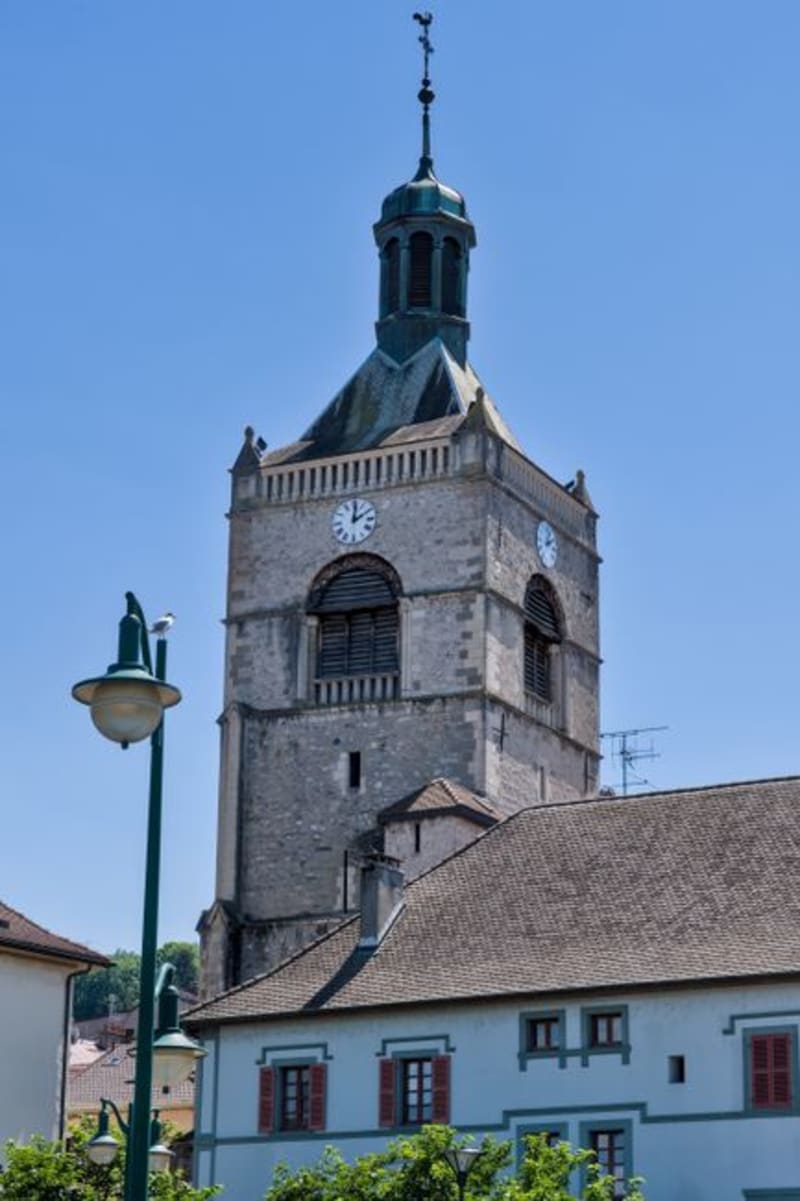
 Foncine-le-Haut
A high Jura ski village where the winter trade used to be carving wood and building clocks by hand, and where a few workshops still keep both crafts alive between chairlift runs.
Explore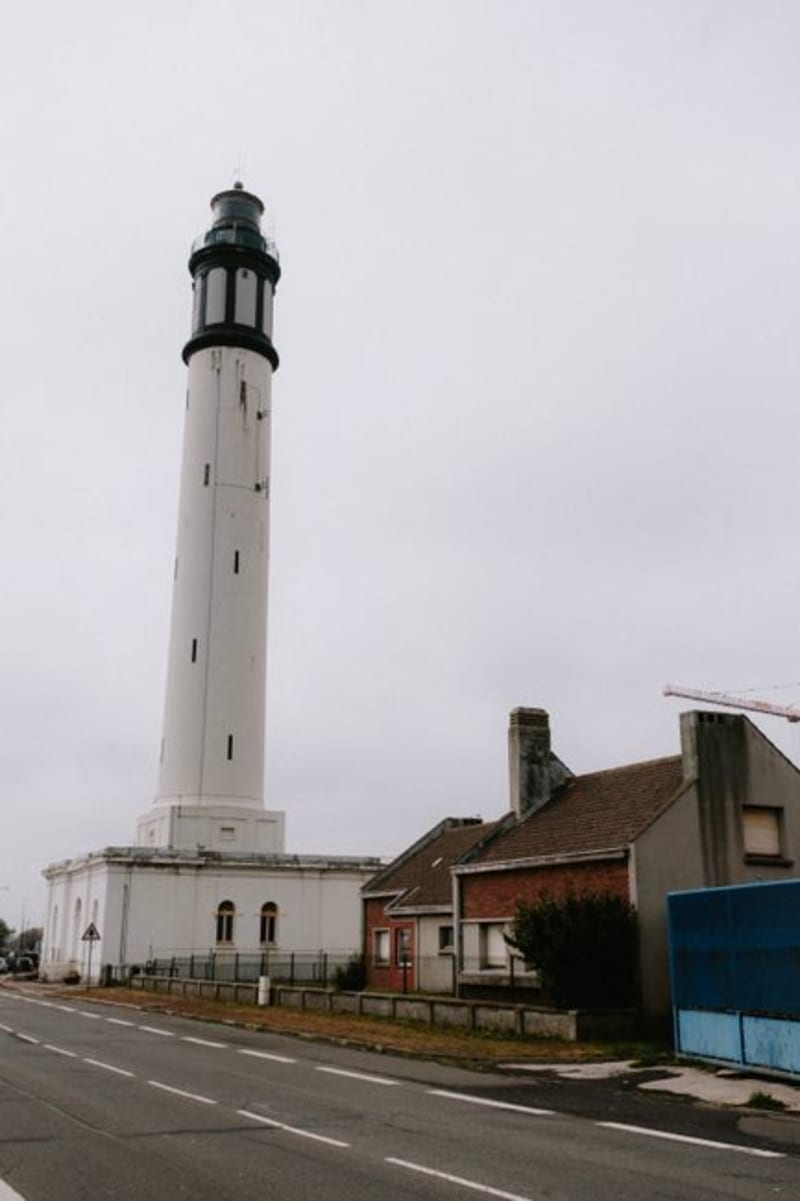 france
 Champagnole
A quiet forest town we used purely as a base, and which turned out to be the best decision of the whole trip once we found the Hérisson waterfalls a short drive away.
Explore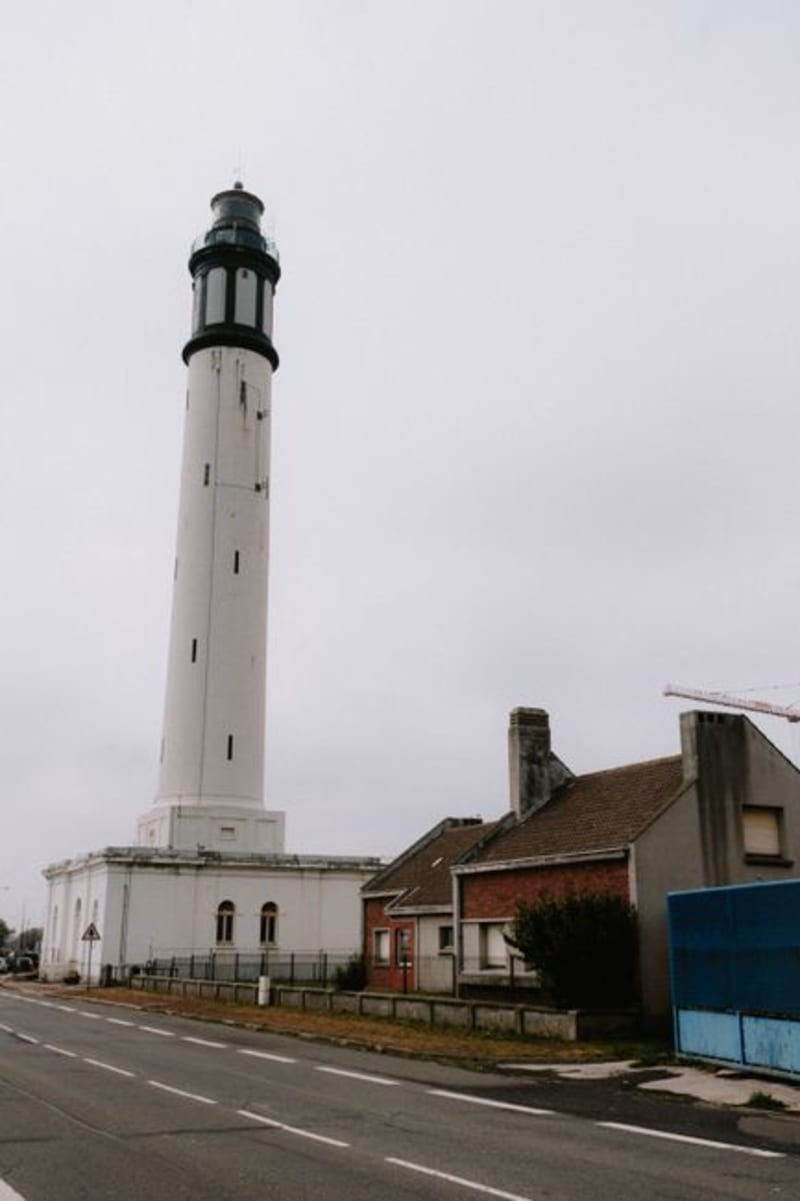 france
 Mouthe
France's coldest village, where the Doubs river begins as a trickle out of the rock and the winters get so brutal locals half-jokingly call it French Siberia, which didn't stop us from strapping on skis and loving it.
Explore france
 Salins-les-Bains
A UNESCO-listed saltworks built into a river gorge, where I walked underground galleries that funded the Franche-Comté for a thousand years before soaking in the same brine that made the town rich.
Explore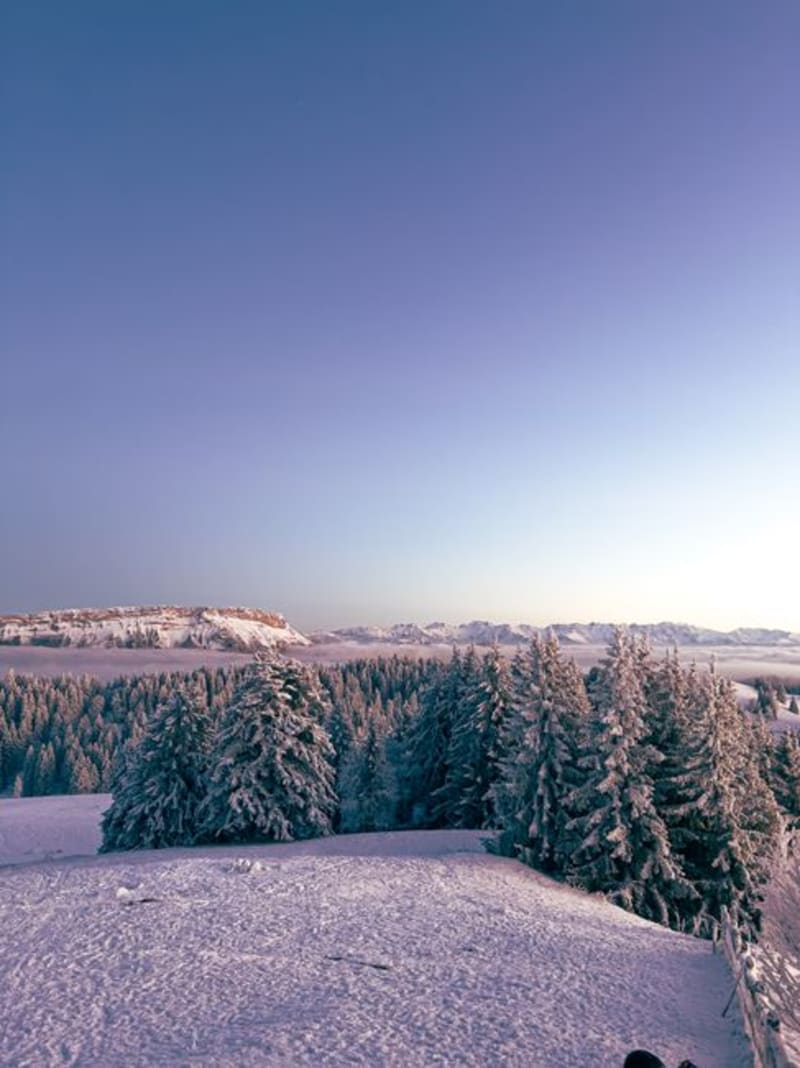 france
 Les Rousses
A high plateau lake resort near the Swiss border where I finally understood why the French call cross-country skiing a national obsession rather than a niche sport.
Explore france
 Arbois
The unofficial wine capital of the Jura, a stone-built town along the Cuisance river where Louis Pasteur did his early wine research and vin jaune, the region's strange, sherry-like specialty, still ages in oak for over six years.
Explore