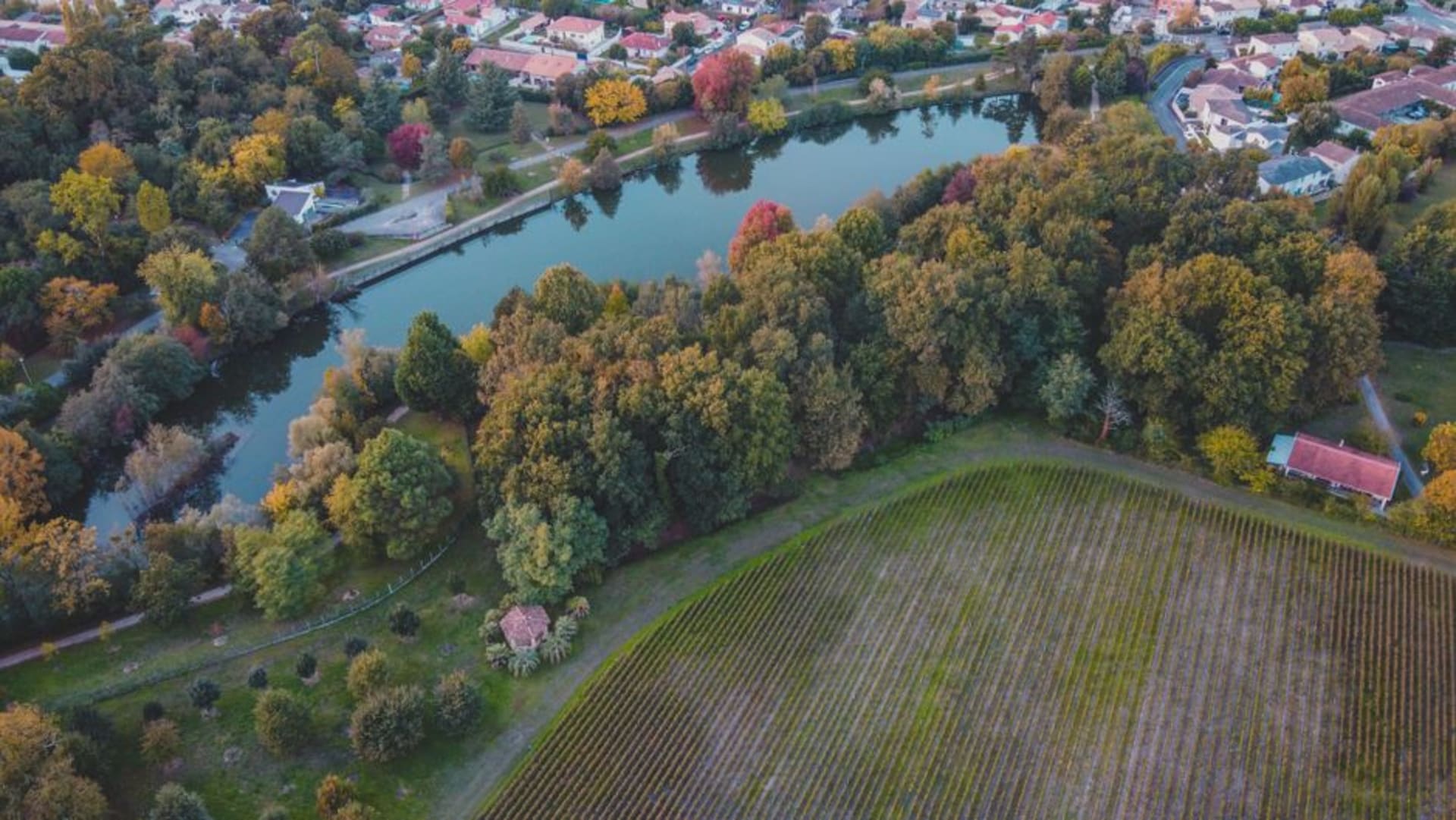
Arbois
"It's the strangest wine I've ever liked, and I still can't fully explain why it works."
The unofficial wine capital of the Jura, a stone-built town along the Cuisance river where Louis Pasteur did his early wine research and vin jaune, the region's strange, sherry-like specialty, still ages in oak for over six years.

Arbois introduced us to vin jaune, and I’m not sure our palates have fully recovered. The Jura’s signature wine is made from the Savagnin grape, left to age in oak barrels for a minimum of six years and three months without topping up the barrel, which lets a layer of yeast — the voile — form on the surface and develop flavours closer to sherry than to any conventional white wine: walnuts, curry spice, something almost oxidised but deliberately so. It sounds like a mistake. In a small cellar just off the main square, a producer talked us through a glass with the patient enthusiasm of someone used to watching first-timers make confused faces before coming around.
Pasteur’s town
Arbois was Louis Pasteur’s adopted home, and it’s where he ran the wine experiments in the 1860s that led to pasteurisation — work that, fittingly, began with him trying to figure out why Jura wines kept spoiling. His house, Maison de Pasteur, sits along the Cuisance river with his laboratory preserved almost exactly as he left it, glass instruments and all, and the walk there follows the same riverside path he apparently used to clear his head between experiments.

Vineyards on the fringe of a plateau
The vineyards around Arbois climb the marl and limestone slopes where the Jura plateau starts to break down toward the Bresse plain, and the Château Pécauld, just outside town, now houses a wine museum explaining the region’s five distinct grape varieties and its equally strange sparkling and straw wines. We rented bikes for an afternoon and rode a loop through the vines above town, stopping more than once simply because the view back over Arbois’s rooftops kept improving with every turn of the road.

When to go: September for the grape harvest and the town’s wine fair, though the vineyards and cellars are worth a visit any time between spring and autumn.
Keep exploring
More of Jura
Keep exploring
More from Jura
 france
 Pupillin
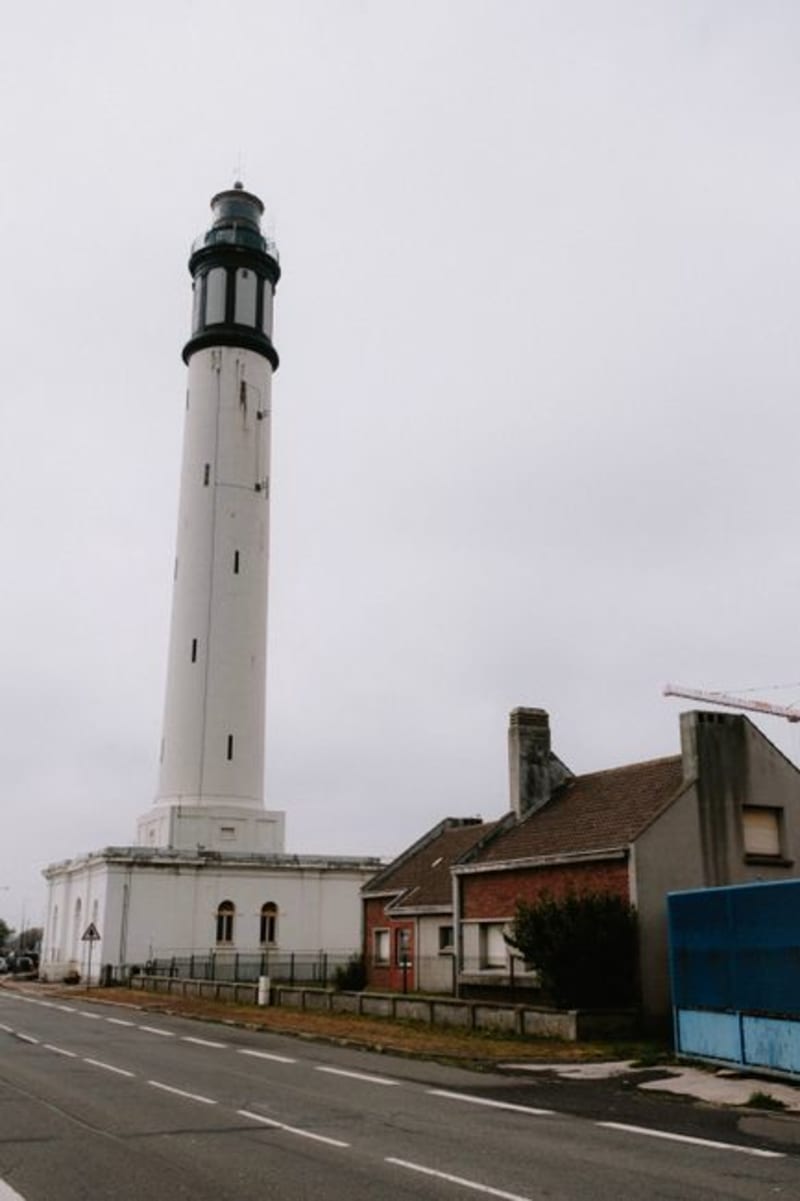
A village of maybe two hundred people and roughly as many wine cellars, self-declared capital of the Poulsard grape, where every second door seemed to open onto someone's family cave.
Explore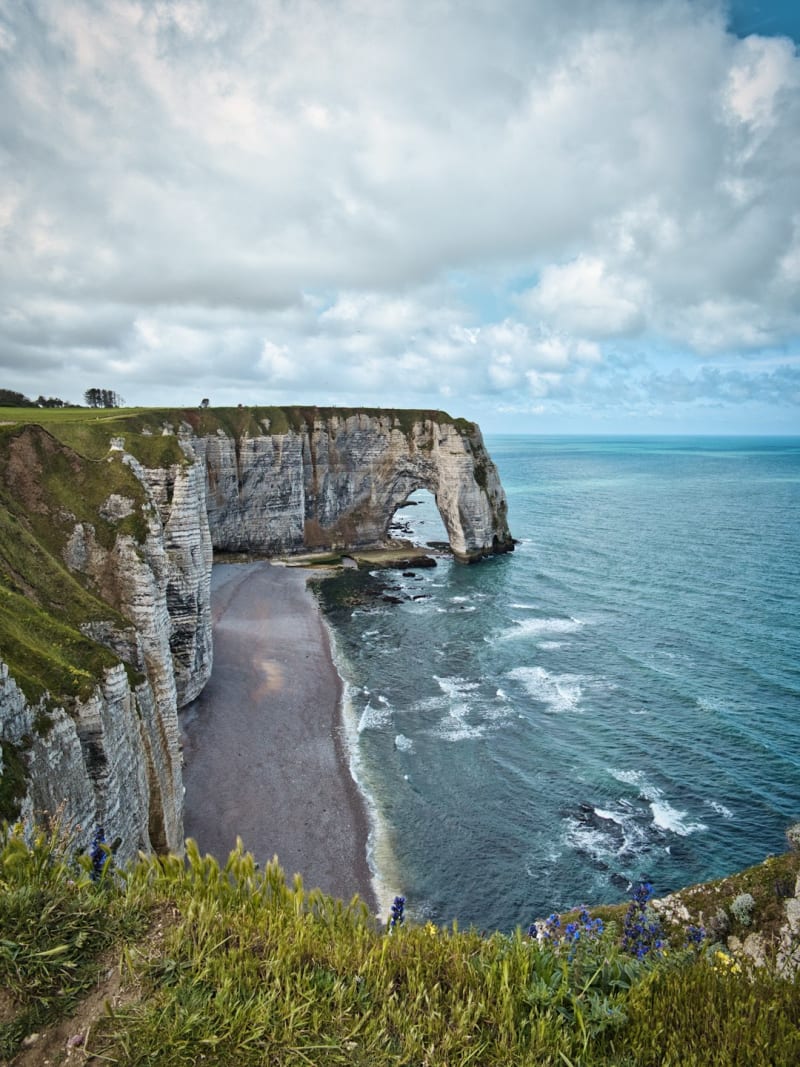 france
 Salins-les-Bains
A UNESCO-listed saltworks built into a river gorge, where I walked underground galleries that funded the Franche-Comté for a thousand years before soaking in the same brine that made the town rich.
Explore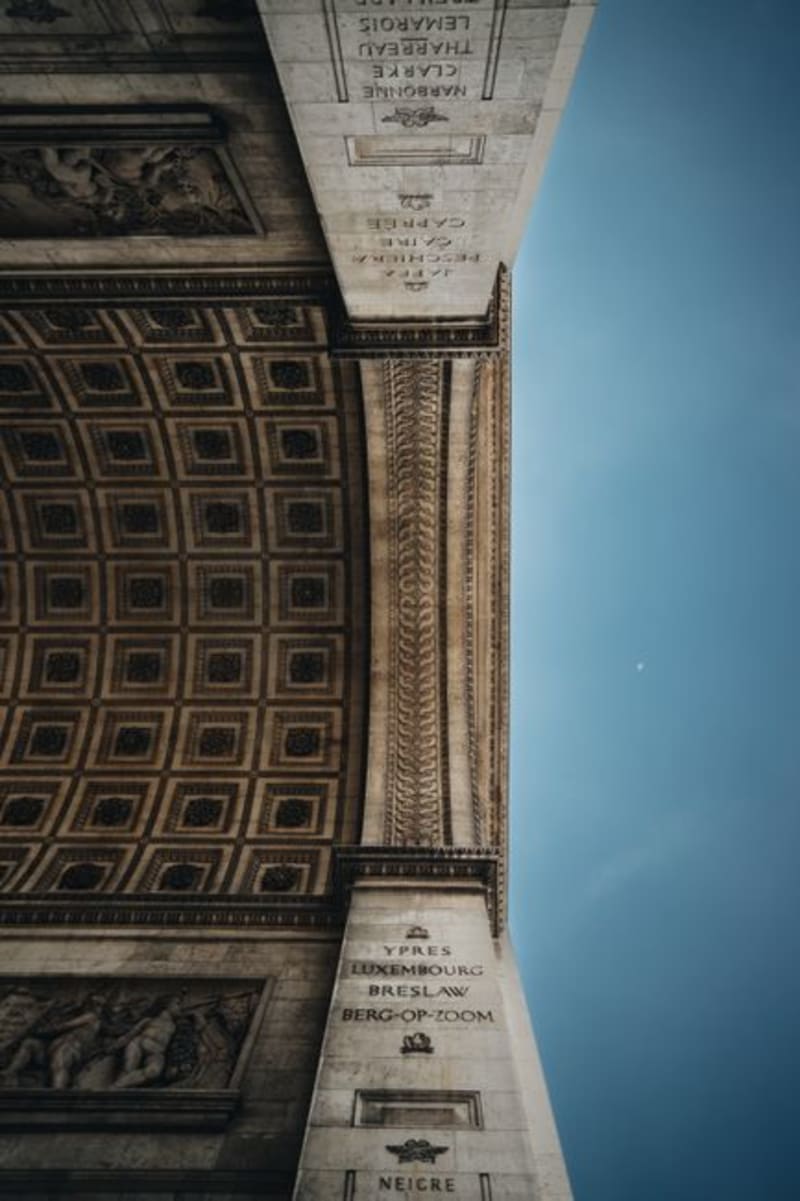 france
 Arc-et-Senans
A salt factory built as a utopia, half-moon shaped and dropped into the Jura countryside by an architect who wanted to redesign society along with the buildings, and who only ever finished the half.
Explore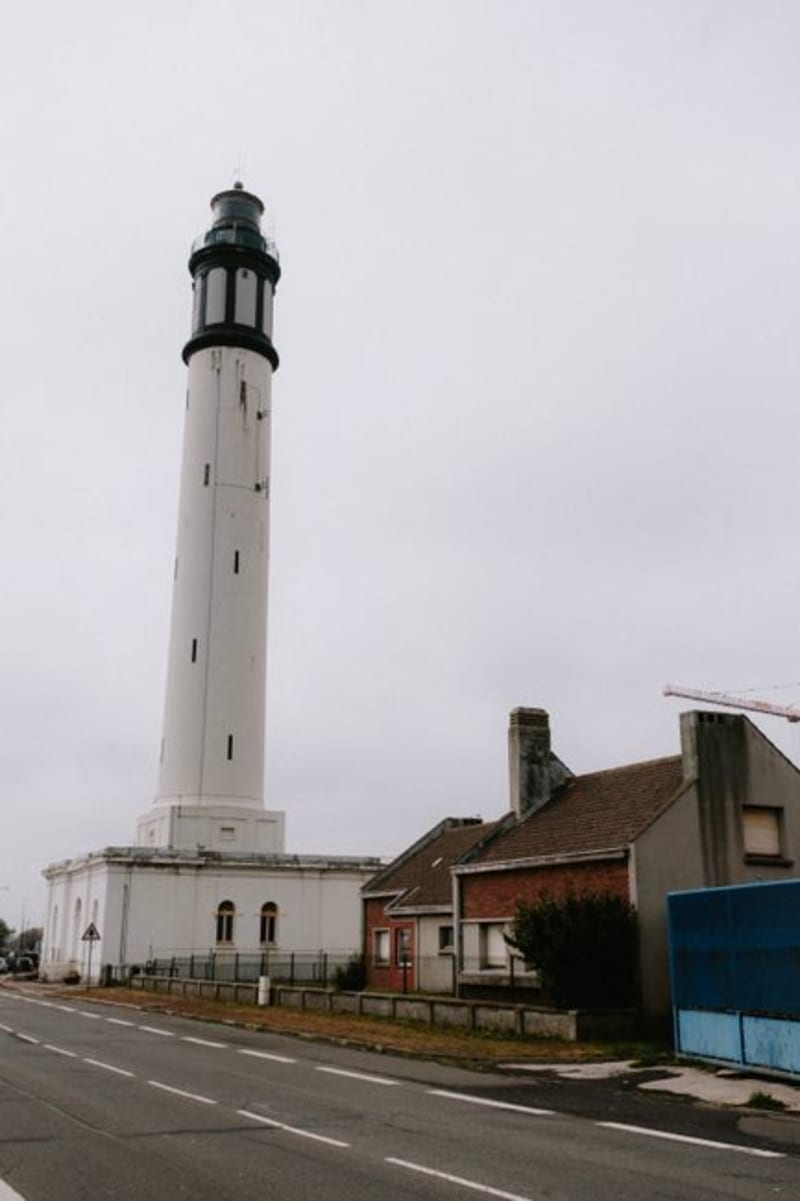 france
 Champagnole
A quiet forest town we used purely as a base, and which turned out to be the best decision of the whole trip once we found the Hérisson waterfalls a short drive away.
Explore france
 Château-Chalon
A clifftop village of barely one hundred and fifty people that somehow invented vin jaune, and where the ruined abbey above the vines gave us the single best view of the whole Jura wine country.
Explore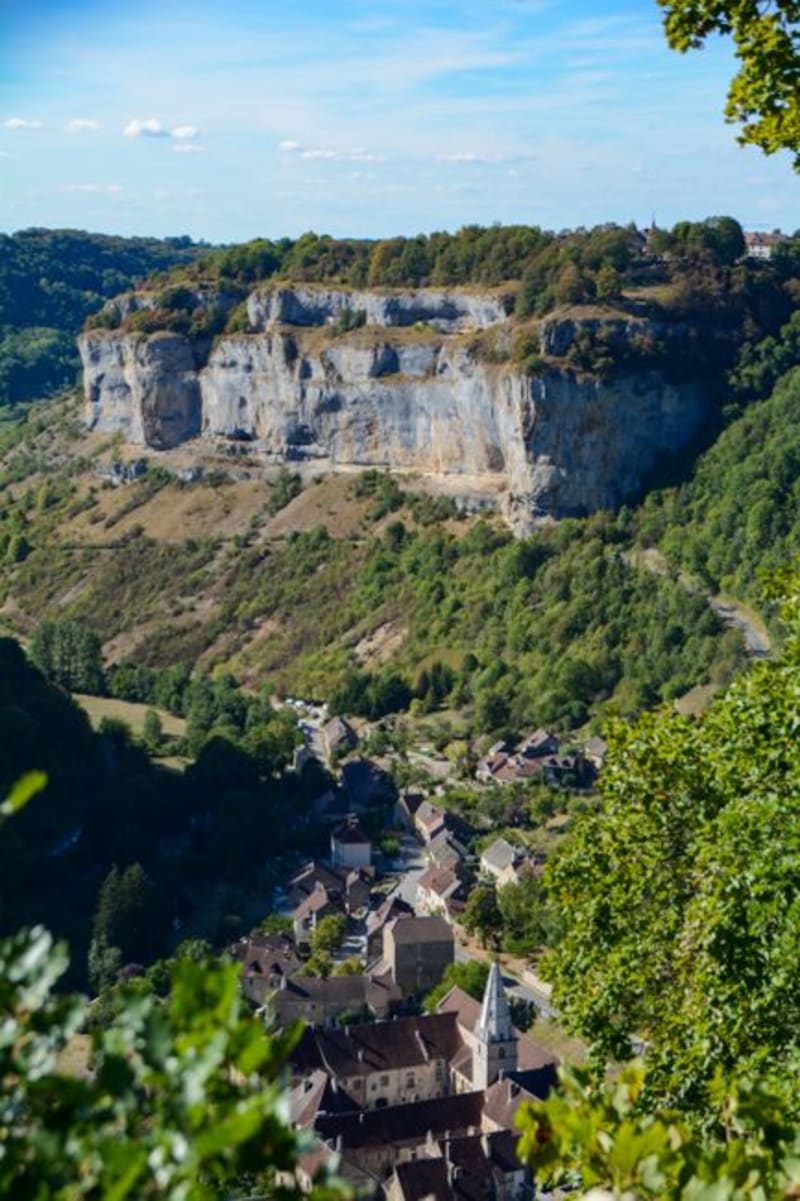 france
 Baume-les-Messieurs
A village hidden inside a dead-end limestone canyon in the Jura, built around an ancient abbey and surrounded by cheese cellars ageing the region's prized Comté in caves cut into the cliffs.
Explore