
Les Rousses
"Everyone here skis like they were born with skis already strapped on, and I was not."
A high plateau lake resort near the Swiss border where I finally understood why the French call cross-country skiing a national obsession rather than a niche sport.

Les Rousses sits at over a thousand meters on the high Jura plateau, close enough to Switzerland that you can see the border crossing from certain points on the trail network, and it markets itself, accurately, as the capital of French cross-country skiing. This is not a resort built around dramatic vertical drops the way the Alps are; the appeal here is space — rolling, forested plateau stretching in every direction, laced with what felt like an almost absurd number of groomed ski loops radiating out from the town and its lake.
Learning to ski the way the locals actually ski
I’d skied downhill before, badly, but cross-country was new to me, and Les Rousses turned out to be a forgiving place to be bad at something in public. We rented gear from a shop just off the main square where the owner, without being asked, spent ten minutes correcting my stride before we’d even left the parking lot, and then pointed us toward one of the easier loops around Lac des Rousses itself, frozen solid and ringed with fir trees dusted white. It took about an hour before the rhythm started to click, gliding rather than walking, and another hour after that before my legs reminded me I’d been doing something genuinely aerobic the entire time. Lia, who grew up skiing in the Alps, made it look infuriatingly effortless from the first stride.

A border town in every direction
Les Rousses’ position right against the Swiss frontier gives it a slightly hybrid feel — French Comté cheese and Swiss Gruyère both show up on the same restaurant menus, and a short drive takes you across the border into the Vallée de Joux, famous for its own lake and for the watchmaking ateliers that have operated there for centuries. In summer the same plateau becomes a mountain biking and hiking base instead, the Fort des Rousses, a huge 19th-century military fortress cut partly underground, opening for tours and now doubling as a cheese-aging site for Comté producers who use its constant cool temperature. We visited in winter, and the fort’s snow-topped ramparts against the flat white plateau were some of the starkest, quietest scenery of the whole trip.

When to go: December through March for snow-guaranteed cross-country skiing, given the altitude keeps conditions more reliable here than lower down in the Jura; June through September for hiking and mountain biking on the same trail network without the snow.
Keep exploring
More of Jura
Keep exploring
More from Jura
 france
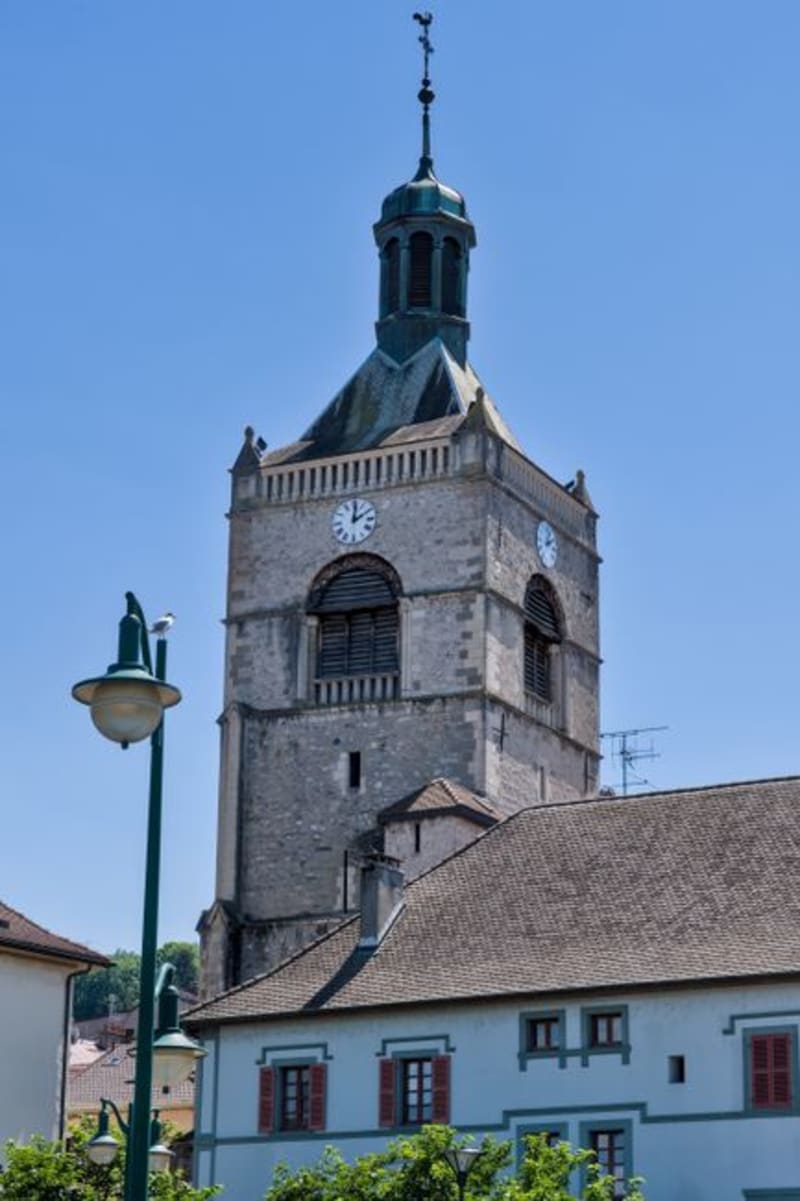
 Foncine-le-Haut
A high Jura ski village where the winter trade used to be carving wood and building clocks by hand, and where a few workshops still keep both crafts alive between chairlift runs.
Explore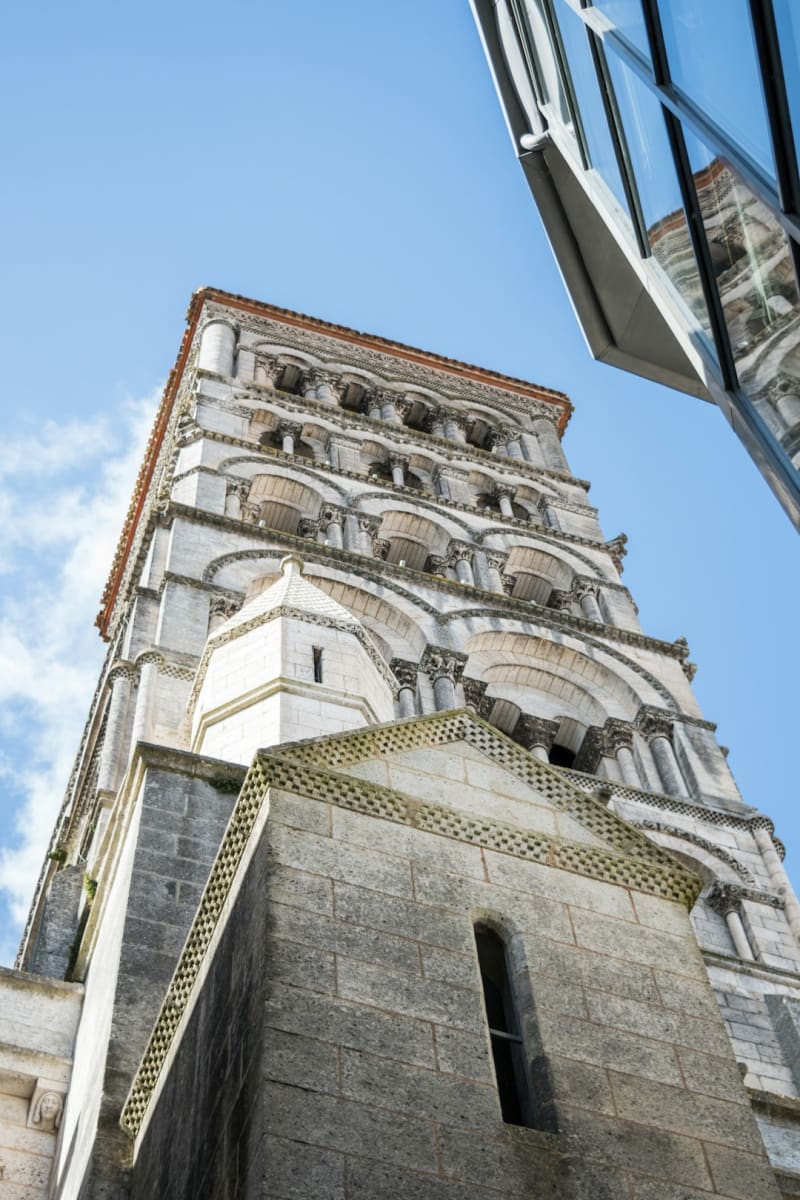 france
 Saint-Claude
A town squeezed into a river gorge so tight the streets have to climb in switchbacks, famous for carving pipes and cutting diamonds, which is a stranger combination than it sounds until you see the place.
Explore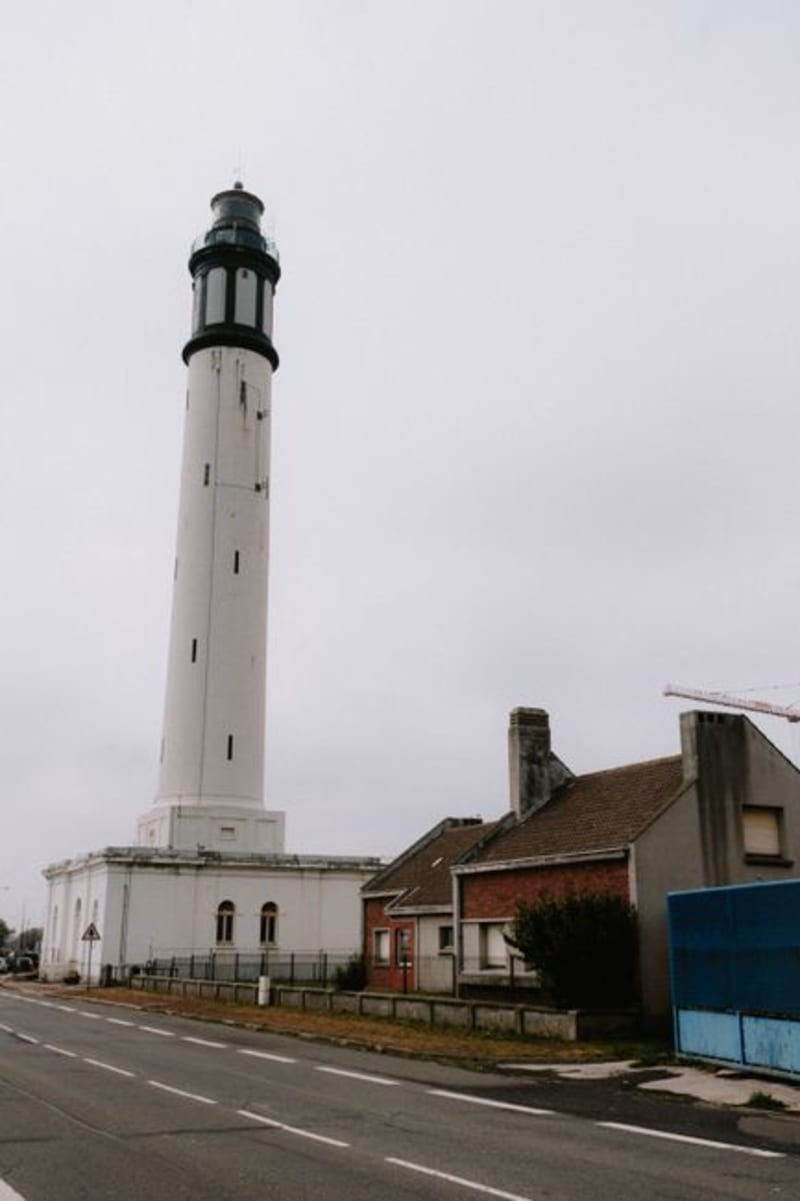 france
 Mouthe
France's coldest village, where the Doubs river begins as a trickle out of the rock and the winters get so brutal locals half-jokingly call it French Siberia, which didn't stop us from strapping on skis and loving it.
Explore france
 Nozeroy
A medieval capital so small today that it's easy to drive past it, though its ramparts and fortified gates still guard a hilltop that once ruled its own slice of the old Comté de Bourgogne.
Explore france
 Champagnole
A quiet forest town we used purely as a base, and which turned out to be the best decision of the whole trip once we found the Hérisson waterfalls a short drive away.
Explore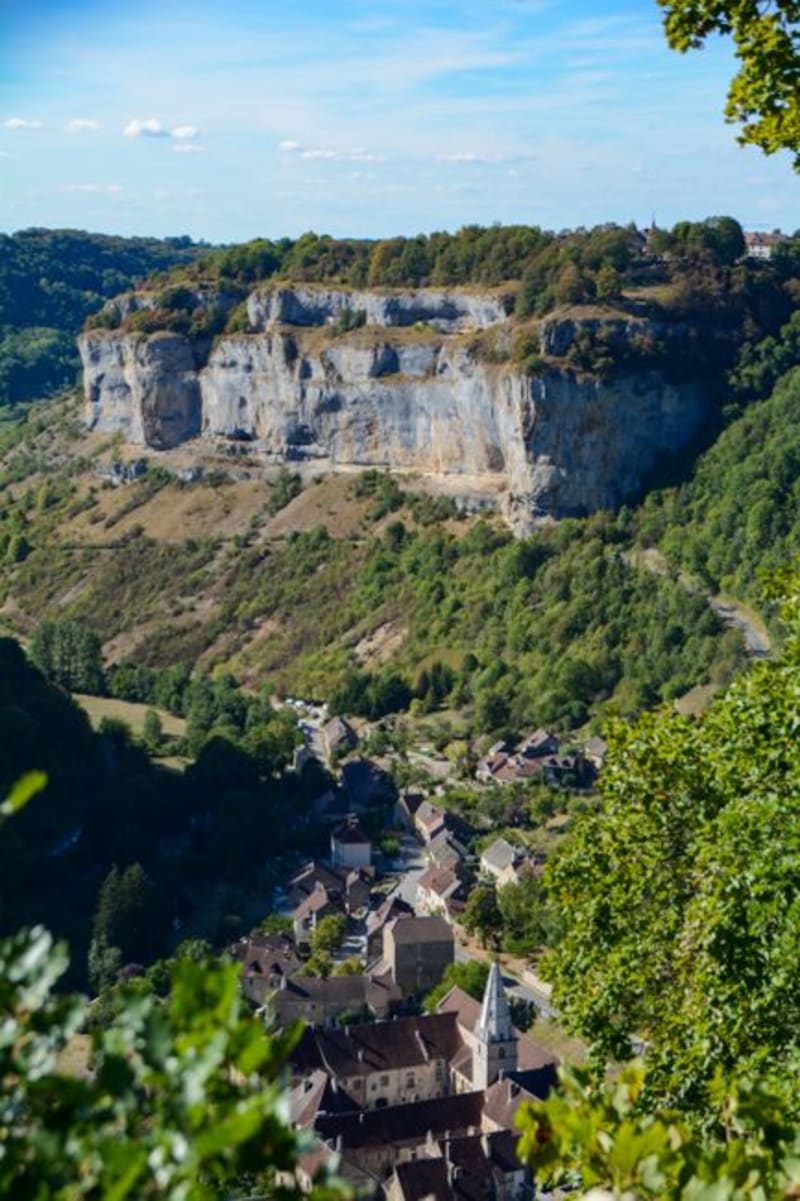 france
 Baume-les-Messieurs
A village hidden inside a dead-end limestone canyon in the Jura, built around an ancient abbey and surrounded by cheese cellars ageing the region's prized Comté in caves cut into the cliffs.
Explore