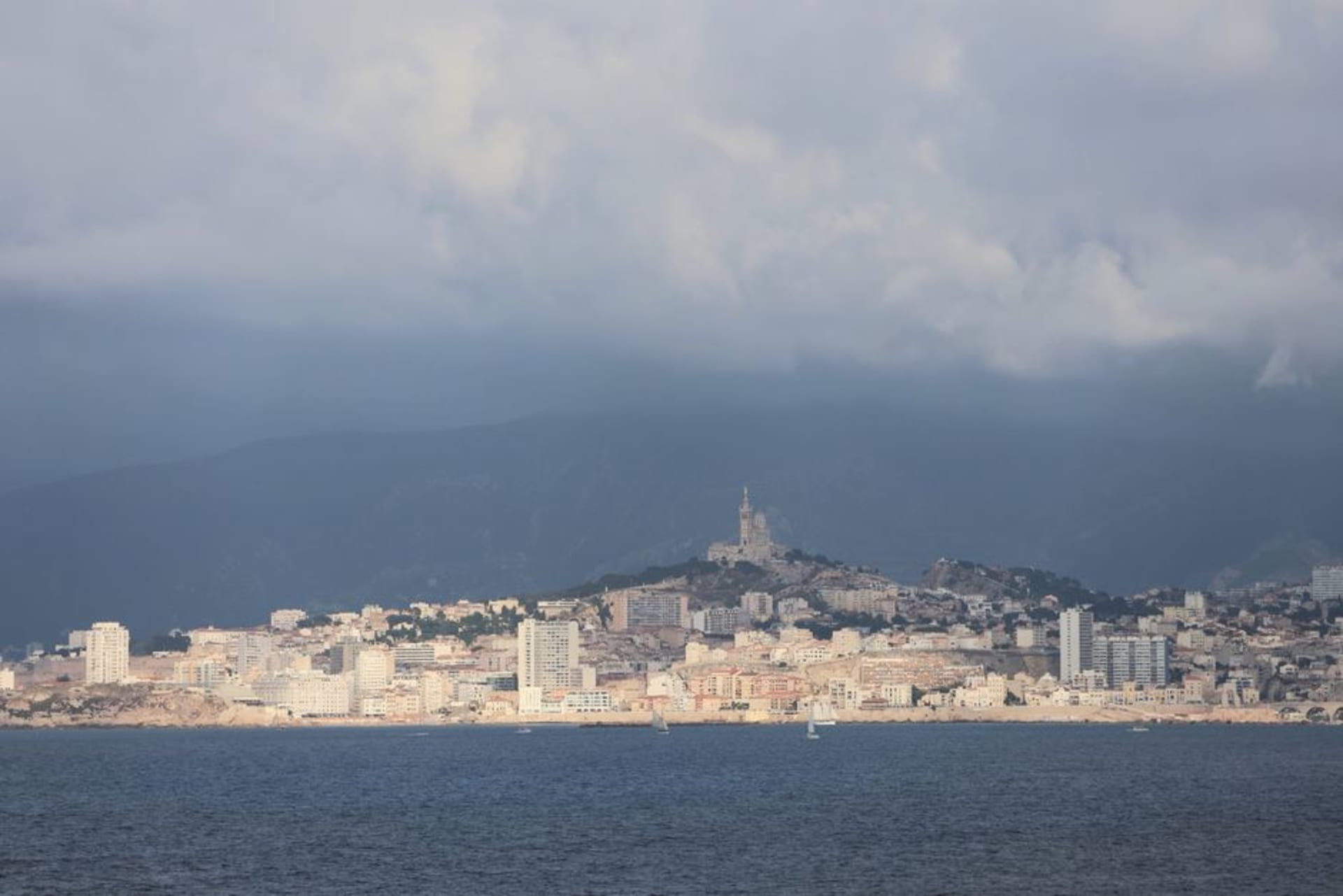
Mandelieu-la-Napoule
"I came for the marina and left wondering why nobody had told me about the sculptor and his sphinxes."
A town that smells like mimosa every January and hides a genuinely strange fairy-tale château full of an American sculptor's gargoyles right on its waterfront.

Mandelieu-la-Napoule is really two towns fused into one name, and they don’t feel like they belong to the same place at first: Mandelieu inland, all golf courses and mimosa groves climbing the hills toward the Estérel, and La Napoule down on the water, a small resort harbor with a genuinely odd château sitting right on the point where the beach curves into the marina. We came for a friend’s boat and stayed for the mimosa, which by late January turns entire hillsides a yellow so saturated it looks retouched — this is one of the main growing regions for it on the whole coast, feeding the perfume houses over in Grasse.
A New York sculptor’s château of gargoyles and sphinxes
The Château de la Napoule looks medieval from a distance, all crenellations and a stout round tower against the sea, but most of what you’re looking at is early twentieth century: the American sculptor Henry Clews and his wife Marie bought the ruined feudal fortress in the 1920s and rebuilt it into their home and studio, filling the grounds with his own carved gargoyles, sphinxes, and grotesque figures that still line the gardens today. It’s an unexpected thing to stumble into on the Côte d’Azur, this private mythology built by a disillusioned New York banker’s son who wanted nothing to do with modern civilization, and the small museum inside still has his sculptures, sketches, and the odd, melancholy inscriptions he carved into the stonework himself.

Marina mornings and golf-course afternoons
Below the château, the Port la Napoule marina is a proper working harbor as much as a leisure one, with fishing boats unloading alongside the yachts, and we’ve had more than one very good, very simple lunch of grilled loup de mer at a quayside table watching both. Inland, Mandelieu has more golf courses than any town its size has a right to — a legacy of British and Russian aristocrats who wintered here a century ago — and the Vieux Mandelieu course still plays through century-old pines with the mimosa hills rising behind it. We don’t golf, but we drove up anyway one afternoon just for the smell.
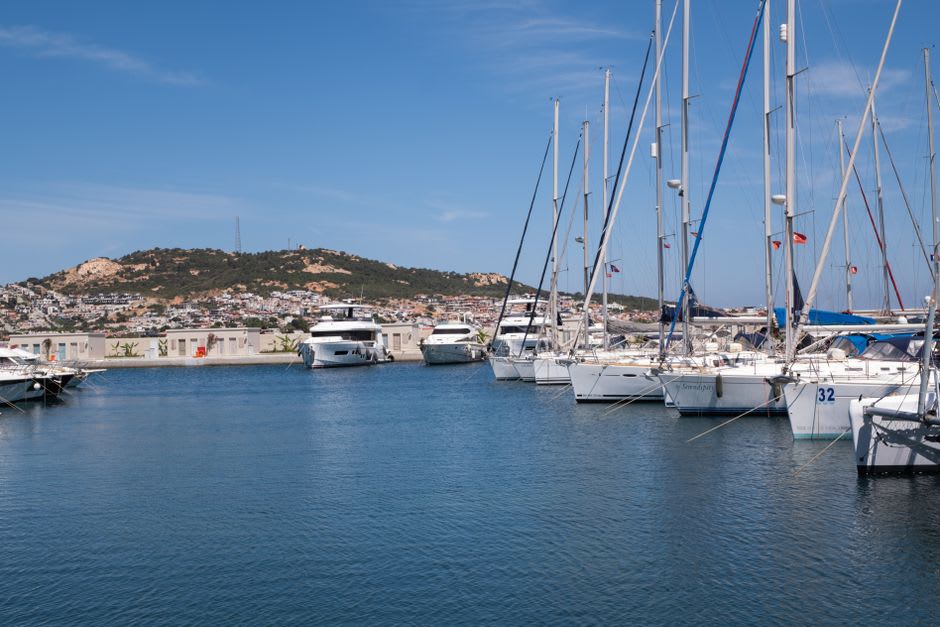
When to go: Late January to February for the mimosa in full bloom and the annual mimosa festival, or early summer for the marina without the peak-August crowds of nearby Cannes.
Keep exploring
More of Côte d'Azur
Keep exploring
More from Côte d'Azur
 france
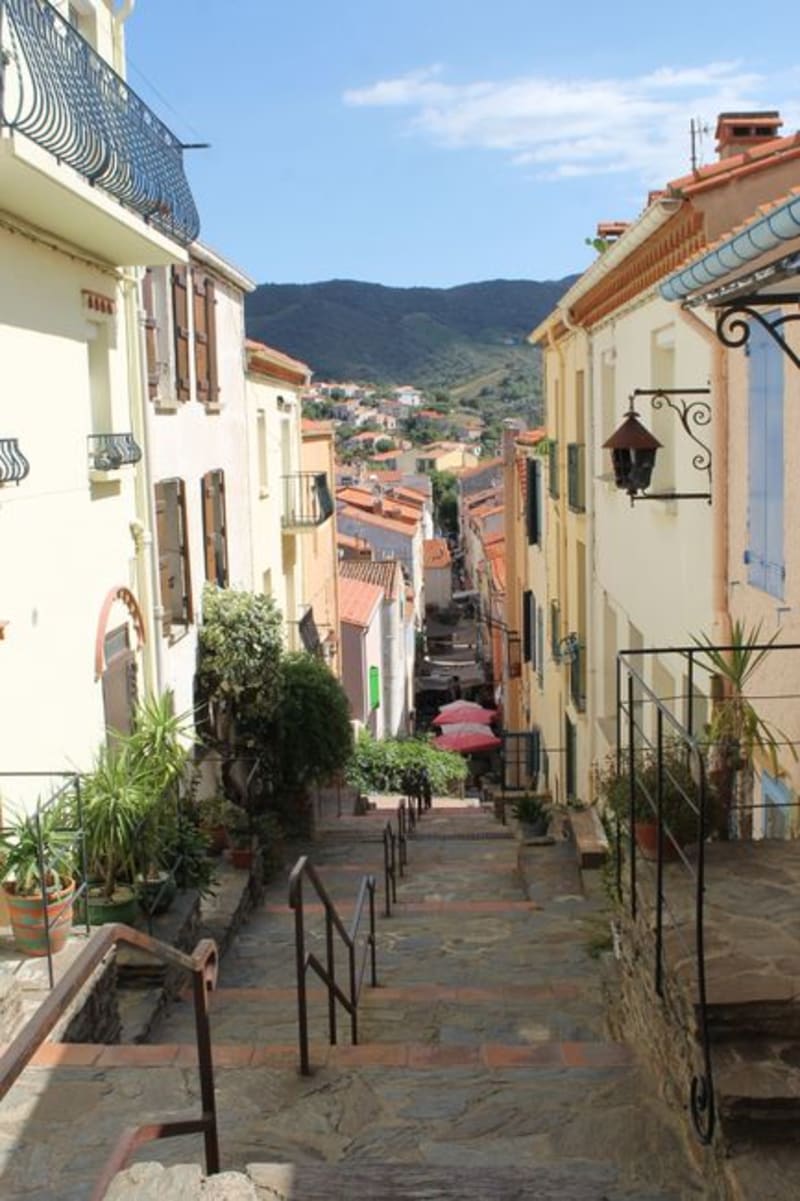
 Théoule-sur-Mer
The last town before the red rock of the Estérel takes over the coastline entirely, where the water goes an almost unnatural turquoise against the porphyry cliffs and the coves empty out the moment you walk five minutes past the last parking spot.
Explore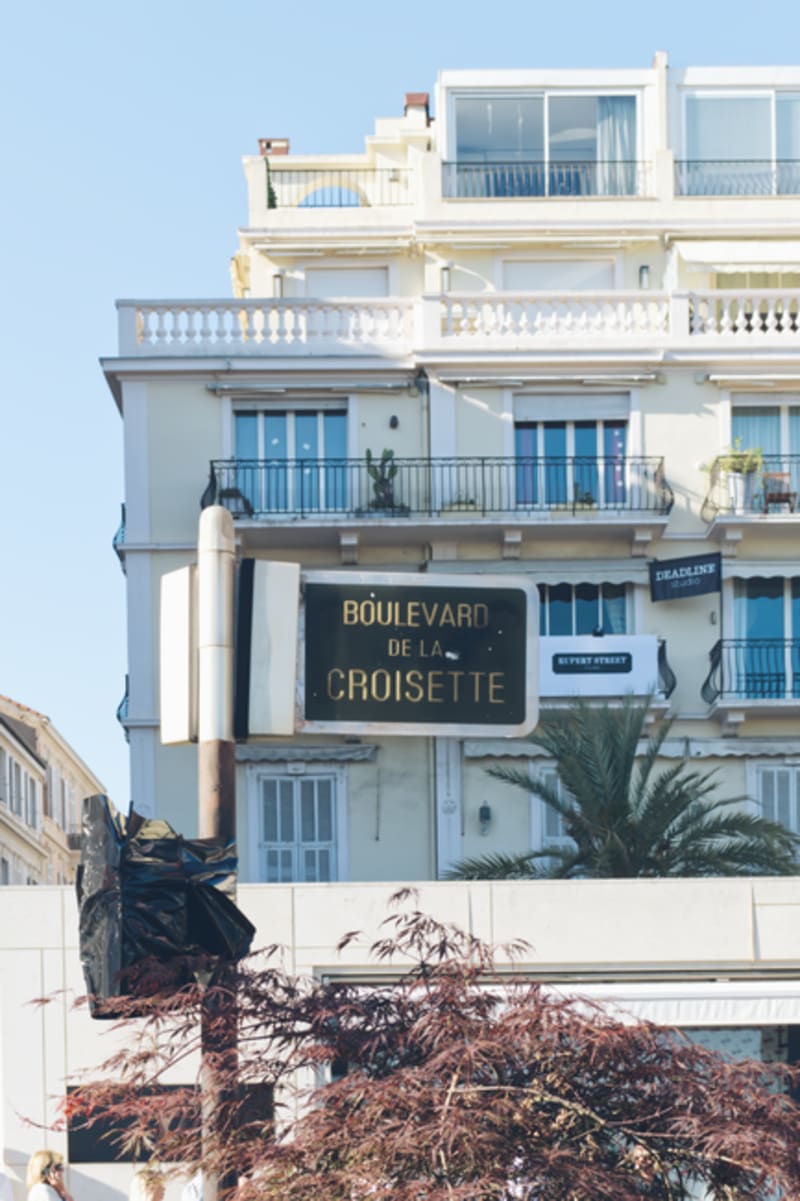 france
 Cannes
A resort town built almost entirely around one curved bay and two weeks of May glamour, with a fishing quarter and a genuinely excellent market that outlast the film festival crowds.
Explore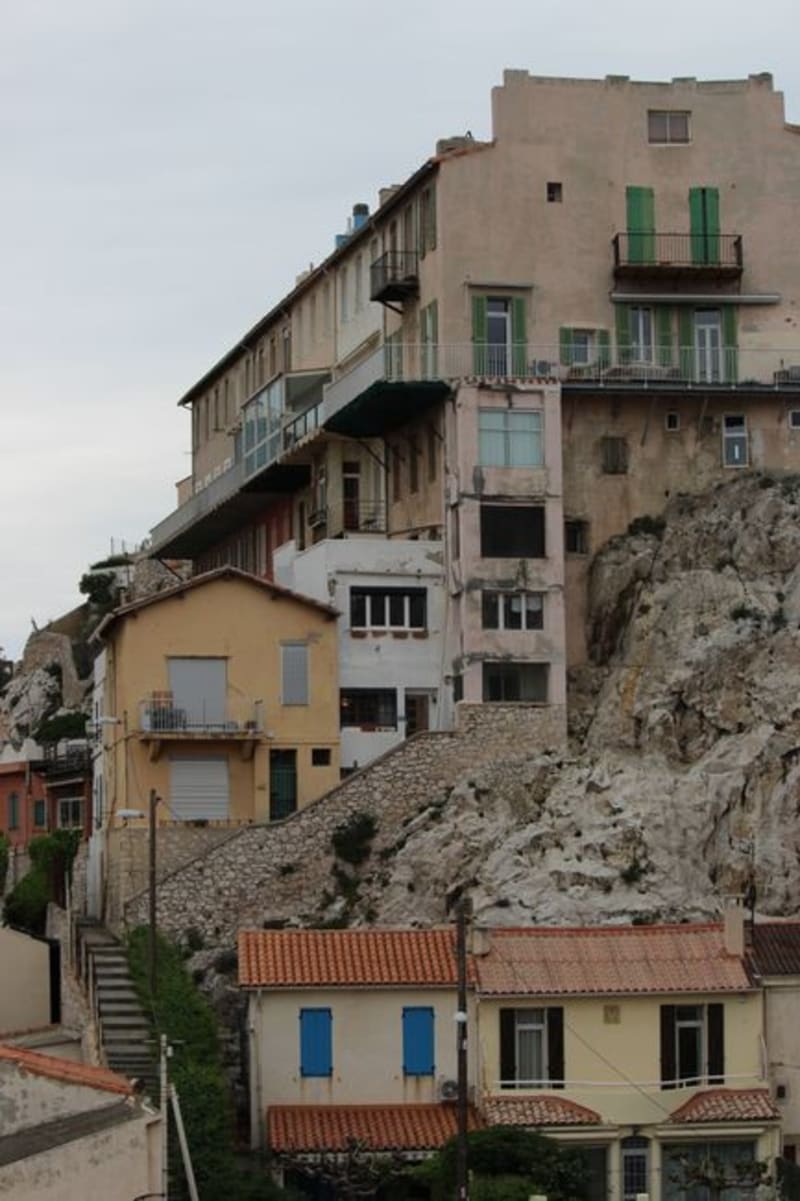 france
 Grasse
The self-declared perfume capital of the world, a hill town above Cannes where the air smells faintly of jasmine and three historic houses still blend scent the old way.
Explore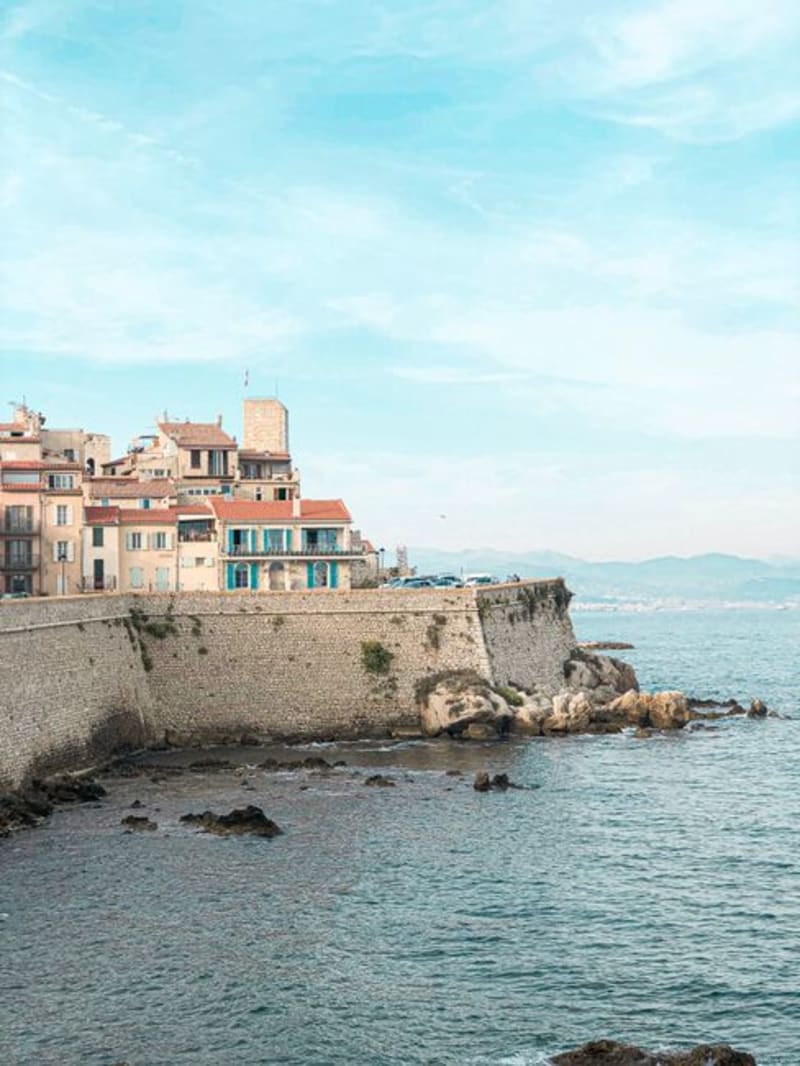 france
 Antibes
A fortified port town where Vauban's ramparts hold back the sea, Picasso once painted in a seafront castle, and the covered market still runs the way it must have before any of that mattered.
Explore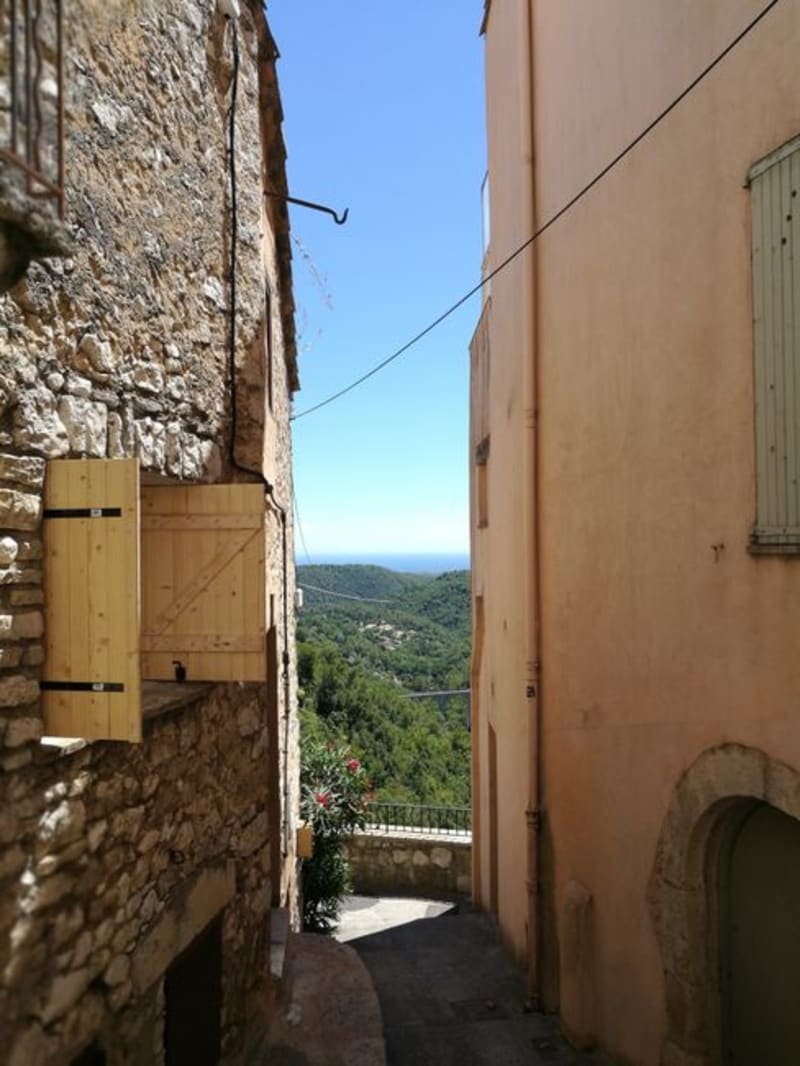 france
 Tourrettes-sur-Loup
The self-declared 'city of violets,' a medieval ramparts village above Vence where an entire local economy once ran on a single small flower, and where a March festival still throws the whole harvest into the streets.
Explore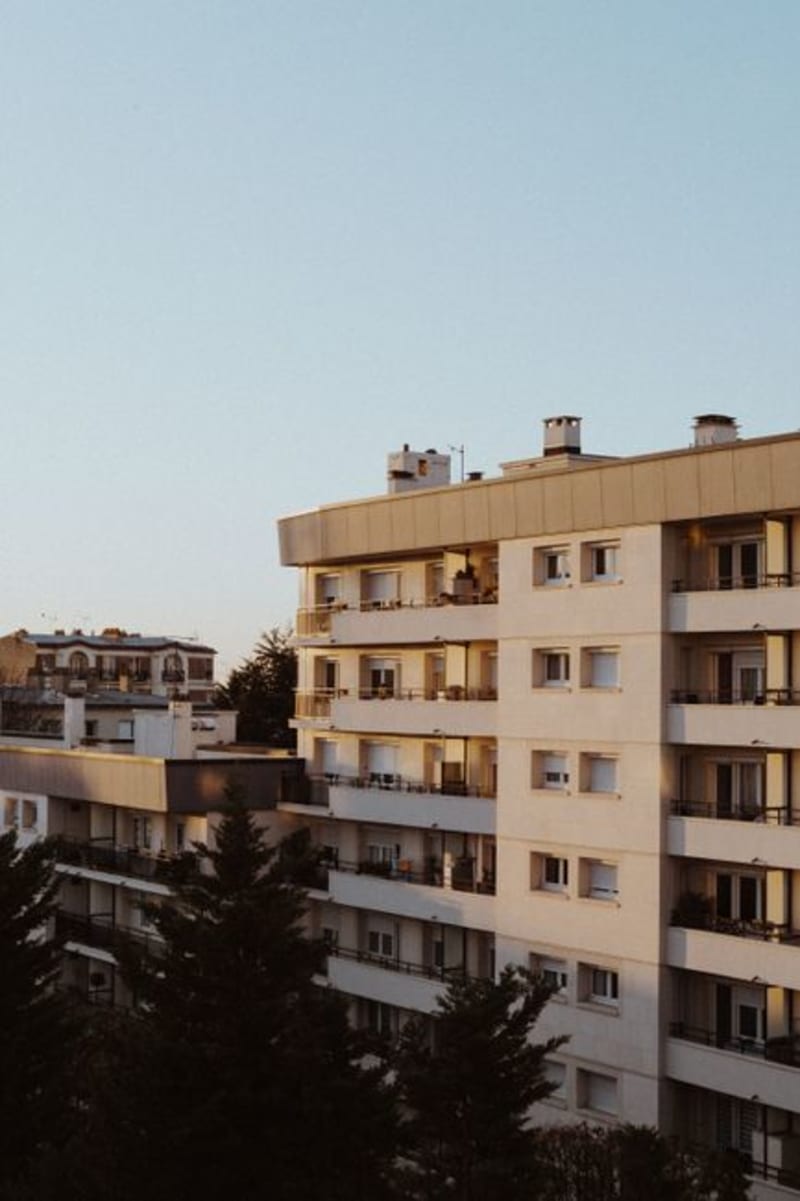 france
 Fréjus
Rome's oldest naval base on this coast, still readable in an amphitheater that hosts concerts instead of gladiators and an aqueduct that just quietly keeps standing in the middle of roundabouts and parking lots.
Explore