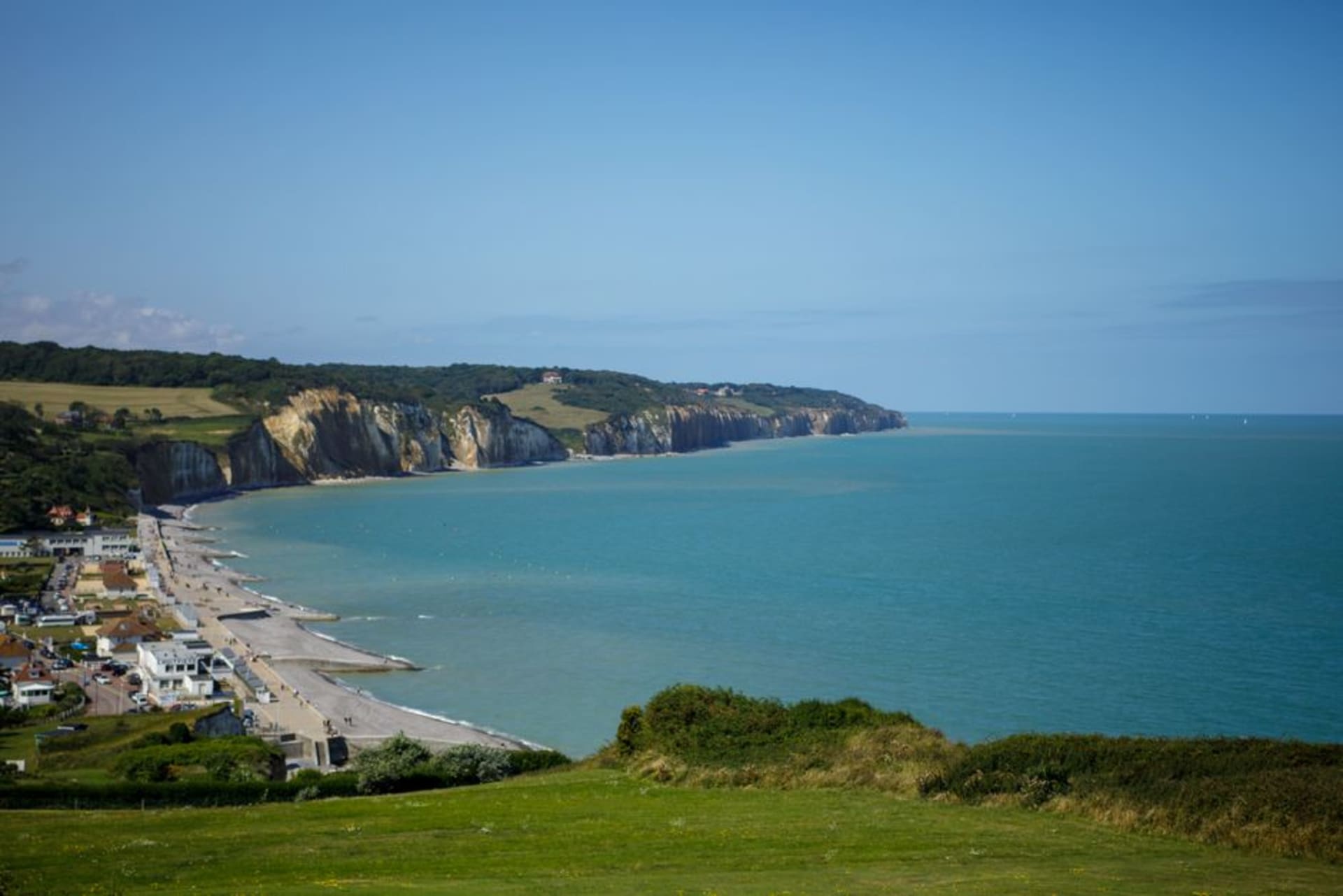
Théoule-sur-Mer
"I've driven the Cannes-to-Saint-Raphaël stretch a dozen times now and it still makes me go quiet at the wheel."
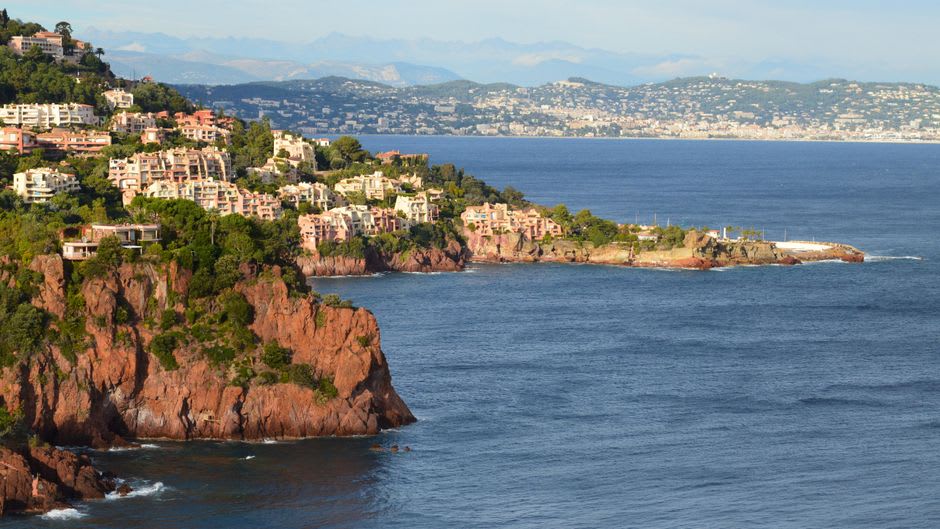
The last town before the red rock of the Estérel takes over the coastline entirely, where the water goes an almost unnatural turquoise against the porphyry cliffs and the coves empty out the moment you walk five minutes past the last parking spot.

Théoule-sur-Mer is where the Côte d’Azur stops being a string of resort towns and starts being a landscape, because right at its edge the Estérel massif shoulders straight into the sea and the whole character of the coast changes in about the space of a kilometer. The rock here is a deep, iron-red porphyry that has nothing to do with the pale limestone further east, and against the water — which somehow reads even bluer next to that red — it’s one of those views that photographs look fake even when they’re not. Lia’s theory is that this is the closest thing on the whole coast to what the Riviera must have looked like before anyone built anything on it, and driving the corniche d’or out of town, with the road cut directly into the cliff and the sea dropping away on one side, I’ve never had a good argument against her.
Coves you have to want to reach
What Théoule does better than almost anywhere nearby is small coves that thin out fast the moment you’re willing to walk. The town beach is pleasant enough and gets busy in August like everywhere does, but a twenty-minute walk along the coastal path toward Miramar or into the Estérel’s protected forest brings you to inlets barely wide enough for a handful of towels, backed by red rock and umbrella pines, where we’ve had entire afternoons without another swimmer in sight. The water in these coves is shallow enough near the rocks to see straight to the bottom, and cold enough in June that Lia still made me go in first to test it.

Driving the corniche d’or for no reason except the view
The Corniche de l’Estérel, nicknamed the corniche d’or, runs along this stretch of coast between Théoule and Saint-Raphaël, and I will happily invent an errand just to drive it again — there’s a scenic pull-off roughly every kilometer, and each one seems to have a slightly better angle on the red cliffs meeting the water than the last. We usually stop at the same overlook near the Pointe de l’Aiguille, a narrow rocky spit jutting out from Théoule itself, timed for the late afternoon when the rock goes from red to nearly orange in the low sun.
When to go: June or September, for warm water without the August crush on both the coves and the corniche’s pull-offs.
Keep exploring
More of Côte d'Azur
Keep exploring
More from Côte d'Azur
 france
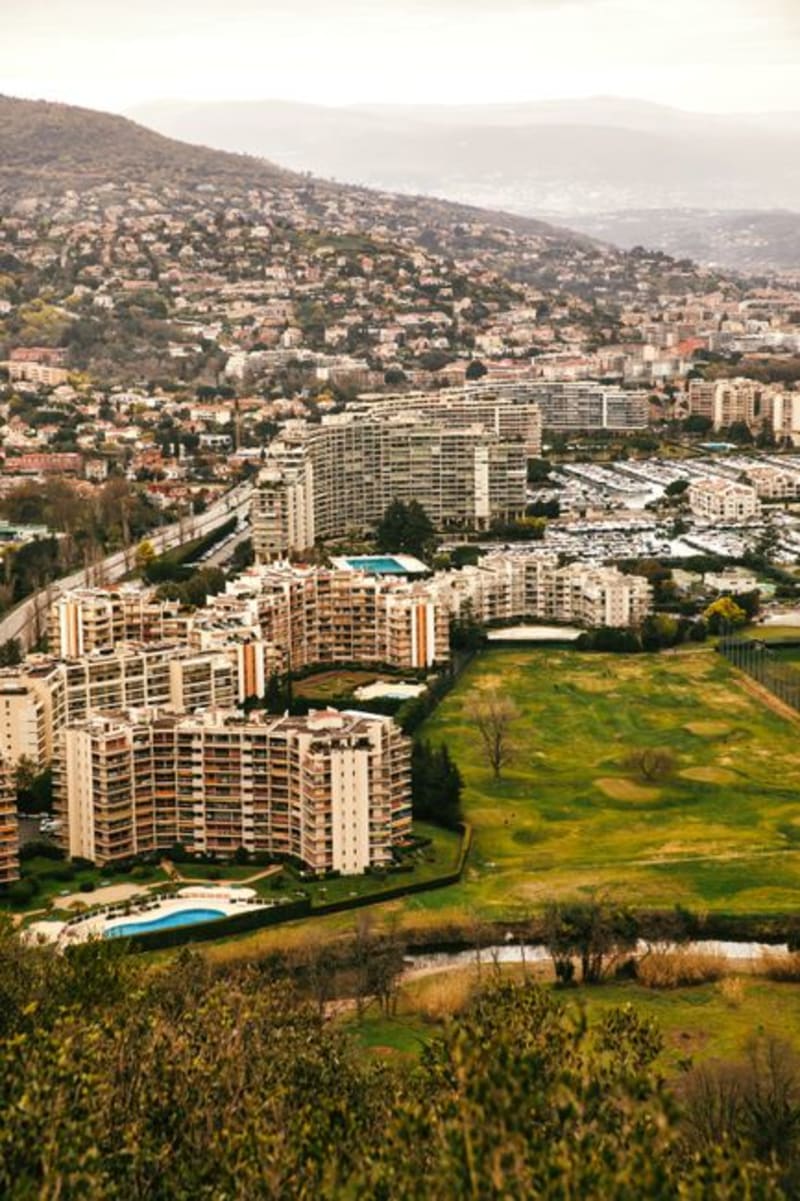
 Mandelieu-la-Napoule
A town that smells like mimosa every January and hides a genuinely strange fairy-tale château full of an American sculptor's gargoyles right on its waterfront.
Explore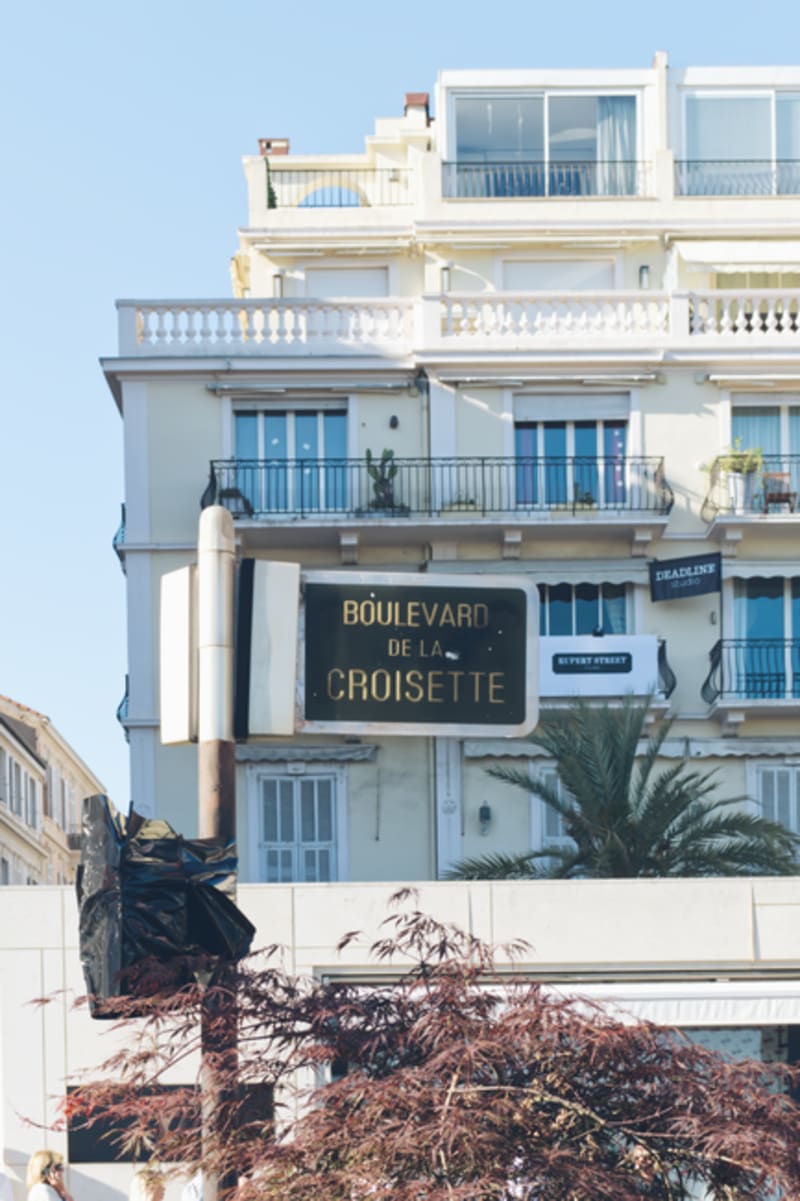 france
 Cannes
A resort town built almost entirely around one curved bay and two weeks of May glamour, with a fishing quarter and a genuinely excellent market that outlast the film festival crowds.
Explore france
 Grasse
The self-declared perfume capital of the world, a hill town above Cannes where the air smells faintly of jasmine and three historic houses still blend scent the old way.
Explore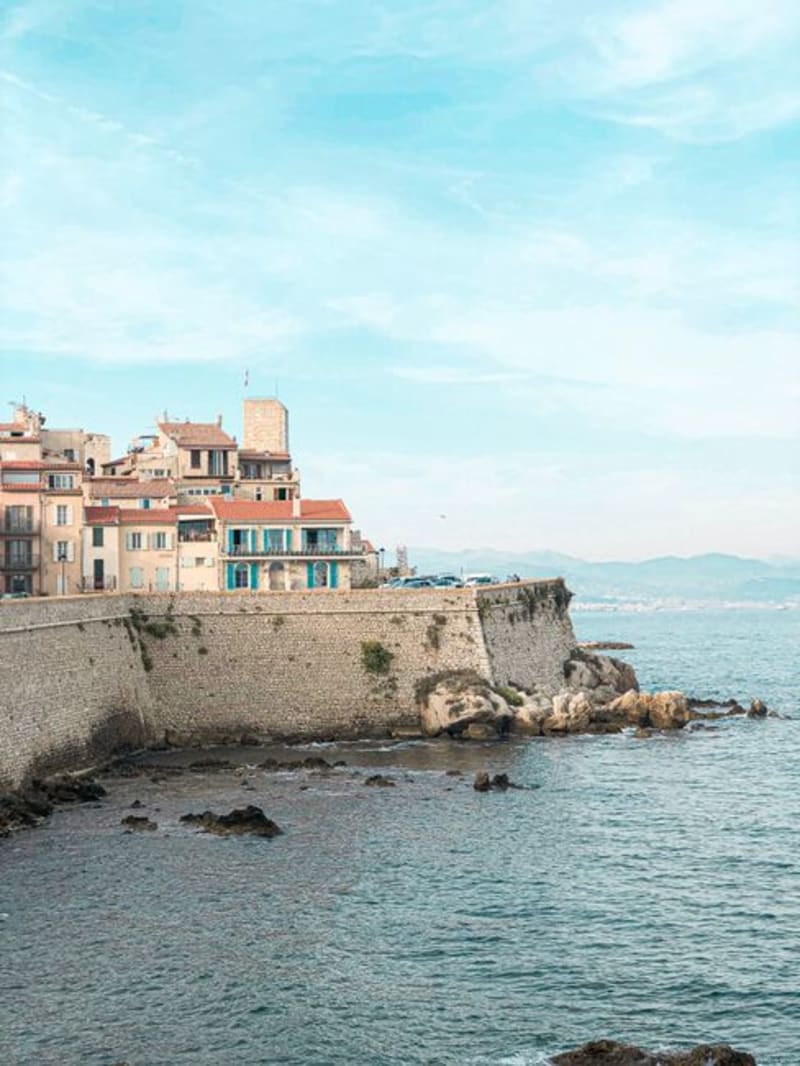 france
 Antibes
A fortified port town where Vauban's ramparts hold back the sea, Picasso once painted in a seafront castle, and the covered market still runs the way it must have before any of that mattered.
Explore france
 Fréjus
Rome's oldest naval base on this coast, still readable in an amphitheater that hosts concerts instead of gladiators and an aqueduct that just quietly keeps standing in the middle of roundabouts and parking lots.
Explore france
 Tourrettes-sur-Loup
The self-declared 'city of violets,' a medieval ramparts village above Vence where an entire local economy once ran on a single small flower, and where a March festival still throws the whole harvest into the streets.
Explore