Antibes
"You can see Corsica from these ramparts on a clear day, apparently. We never got the clear day, and I still loved it."
A fortified port town where Vauban's ramparts hold back the sea, Picasso once painted in a seafront castle, and the covered market still runs the way it must have before any of that mattered.

Antibes sits on a small peninsula bristling with megayachts on one side and, on the other, walls that Vauban reinforced in the seventeenth century to keep out exactly the kind of trouble the town no longer has to worry about. We arrived by train from Nice, a twenty-minute ride that felt like changing decades, and spent the walk from the station to the old town slowly downgrading our idea of how crowded the Riviera was going to be.
Ramparts, and the sea that wants them back
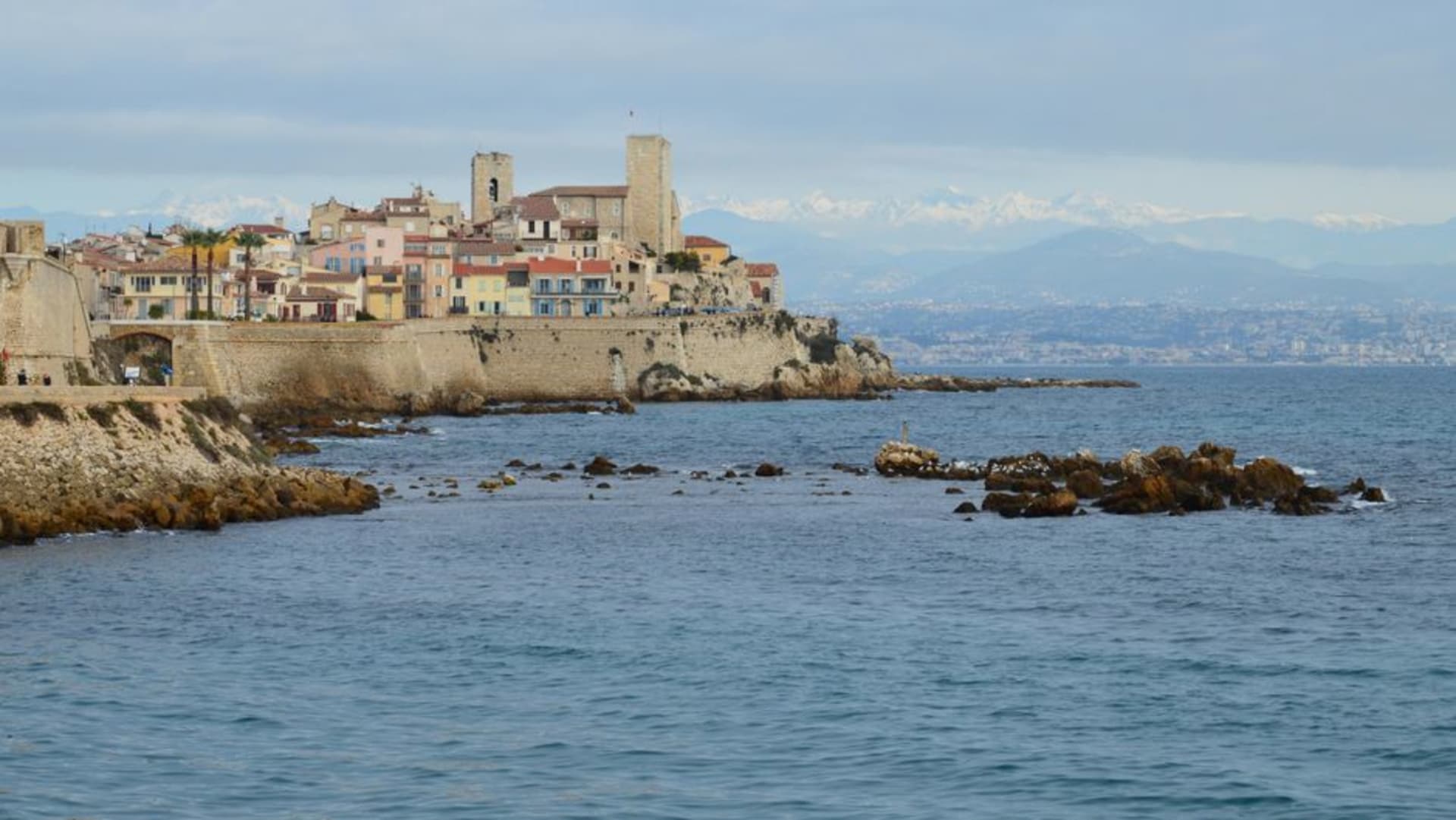
The old town is still ringed by its fortifications, and a walk along the seafront ramparts — past the Bastion Saint-Jaume, past fishermen’s boats pulled up against the stone — gives you the port working almost exactly as it has for centuries, minus the actual fighting. On a clear day you’re told you can see Corsica from the walls near the lighthouse; the haze didn’t cooperate for us, but the view of the Baie des Anges curving toward the snow-capped Alps in the distance was more than enough compensation.

A castle full of Picasso and a market full of everything else
Picasso worked out of the Château Grimaldi for a few months in 1946, using an old sailmaker’s loft as a studio, and the building — now the Musée Picasso — holds an unexpectedly large collection from that short, prolific stay: ceramics, fauns, centaurs, a Mediterranean joy that’s obvious even to someone like me who usually finds Picasso more admirable than lovable. Downstairs from the museum’s hill, the Marché Provençal runs under a nineteenth-century iron roof, stalls of tapenade, socca, and cut flowers, and we bought lunch there — a jar of black olive tapenade and a warm loaf — that we ate on the ramparts an hour later.

When to go: Come midweek outside July-August, when the megayachts still fill the harbour but the old town’s lanes are walkable without shuffling behind a tour group. The market runs daily except Monday, so plan around that if it’s the point of your visit.
Keep exploring
More of Côte d'Azur
Keep exploring
More from Côte d'Azur
 france
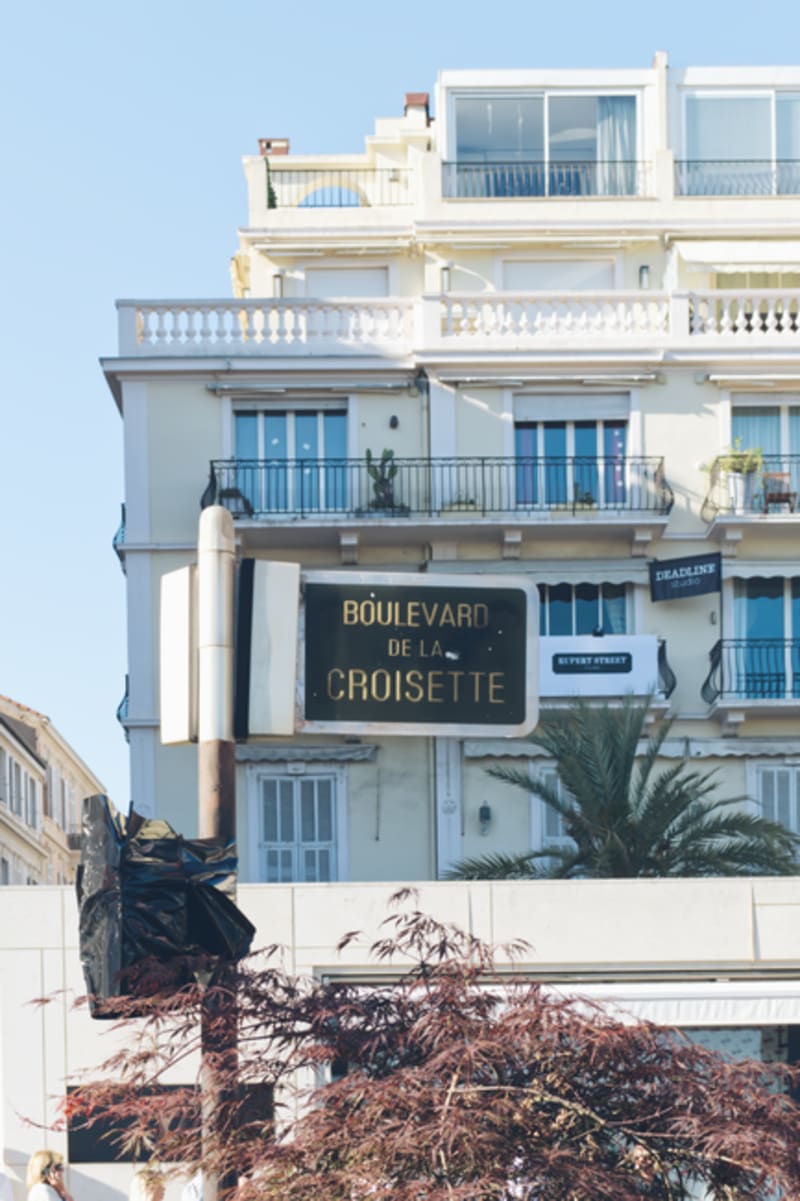
 Cannes
A resort town built almost entirely around one curved bay and two weeks of May glamour, with a fishing quarter and a genuinely excellent market that outlast the film festival crowds.
Explore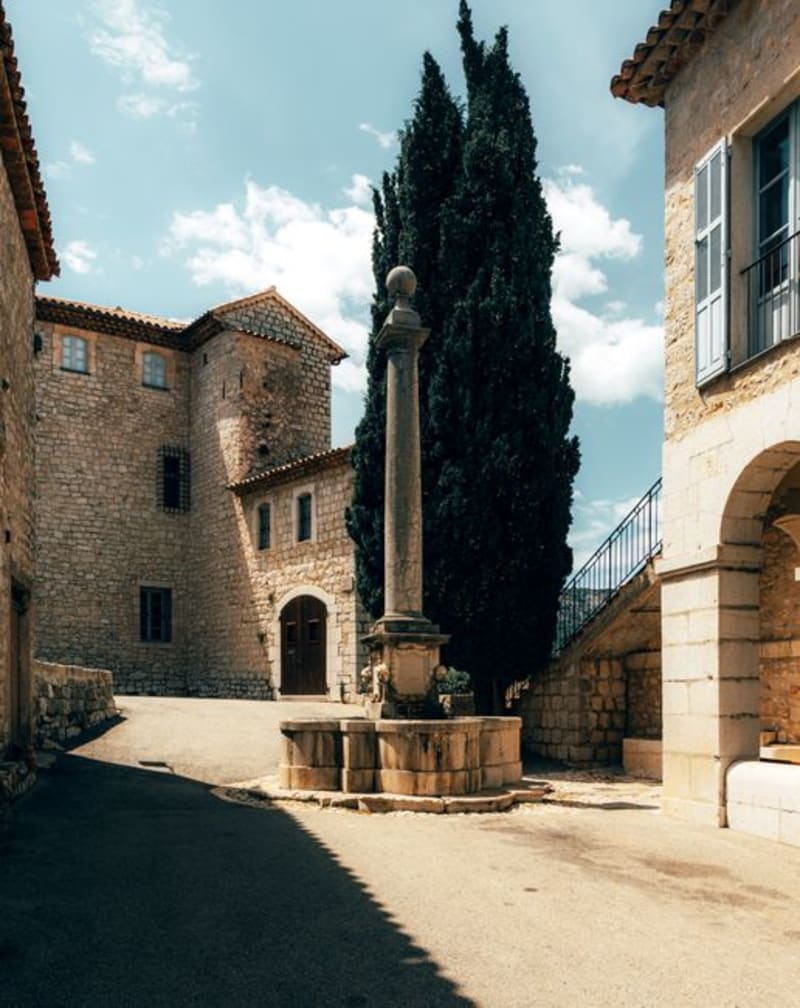 france
 Saint-Paul-de-Vence
A walled hill village that became an art colony almost by accident, with a legendary hotel wall of paintings and one of France's finest modern art foundations just outside its ramparts.
Explore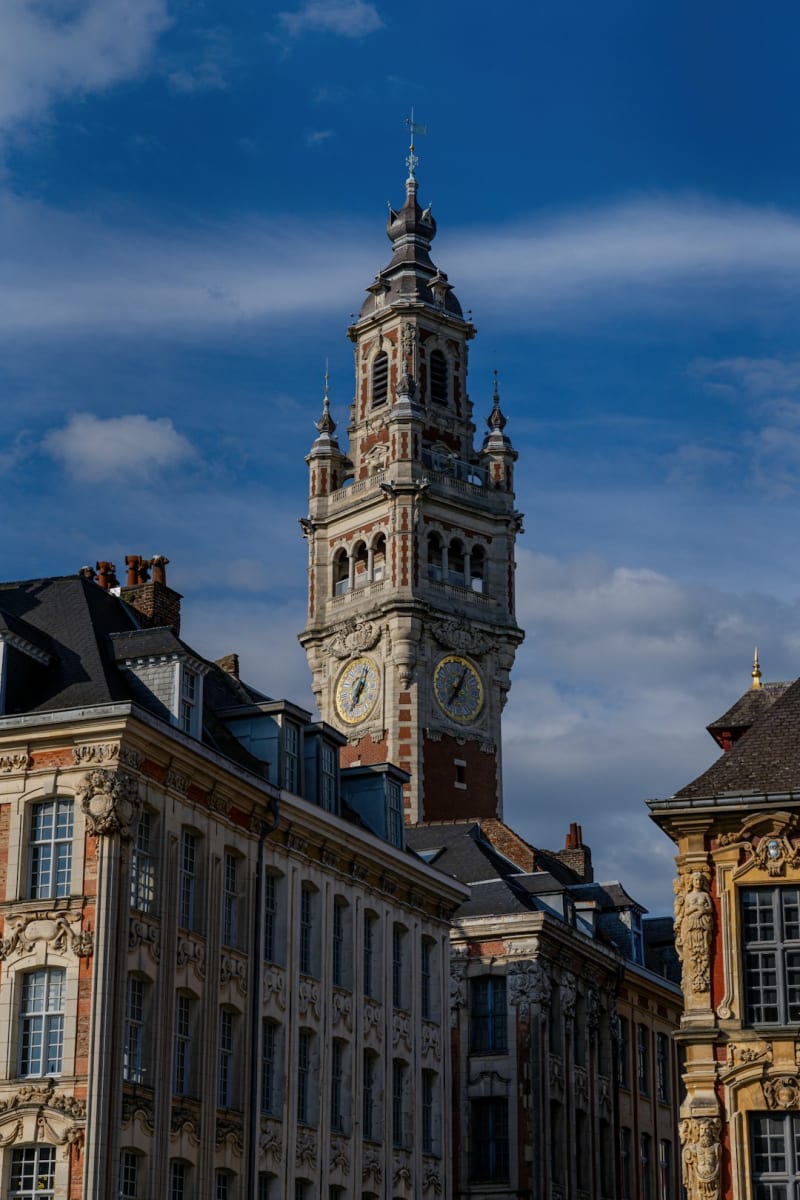 france
 Vence
A hilltop old town that drew Matisse when he was too sick to paint standing up, and where his chapel still does more with white tile and colored glass than most museums manage with entire collections.
Explore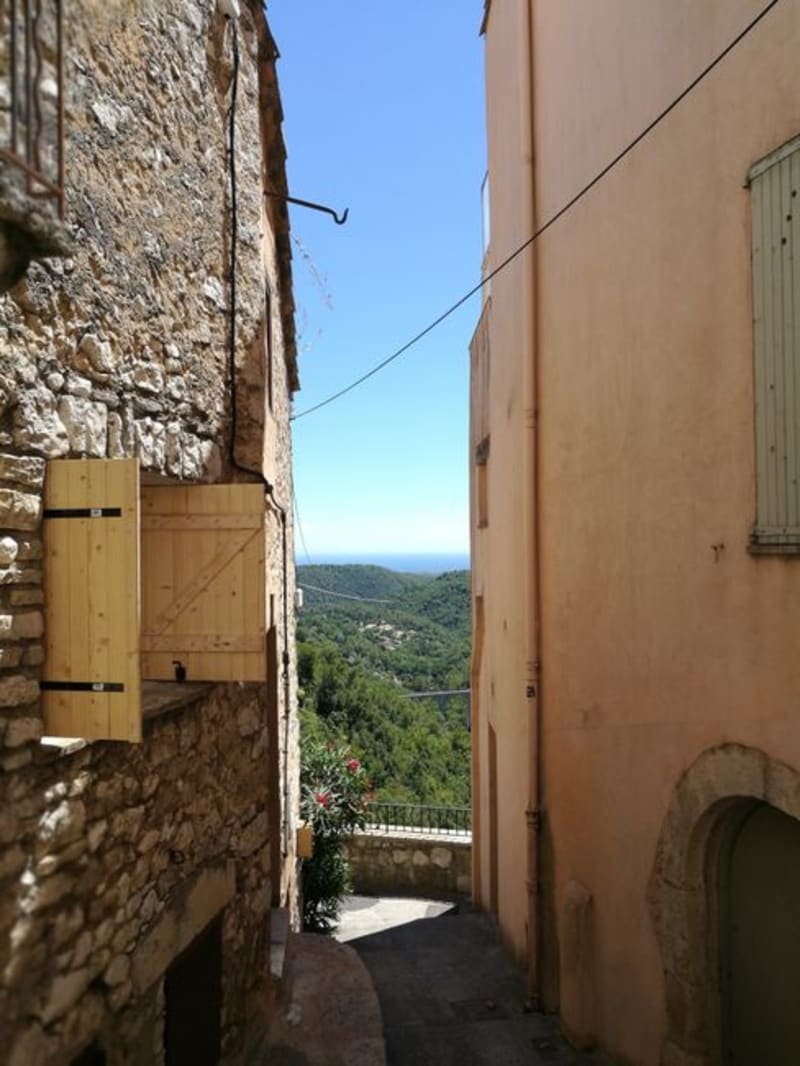 france
 Tourrettes-sur-Loup
The self-declared 'city of violets,' a medieval ramparts village above Vence where an entire local economy once ran on a single small flower, and where a March festival still throws the whole harvest into the streets.
Explore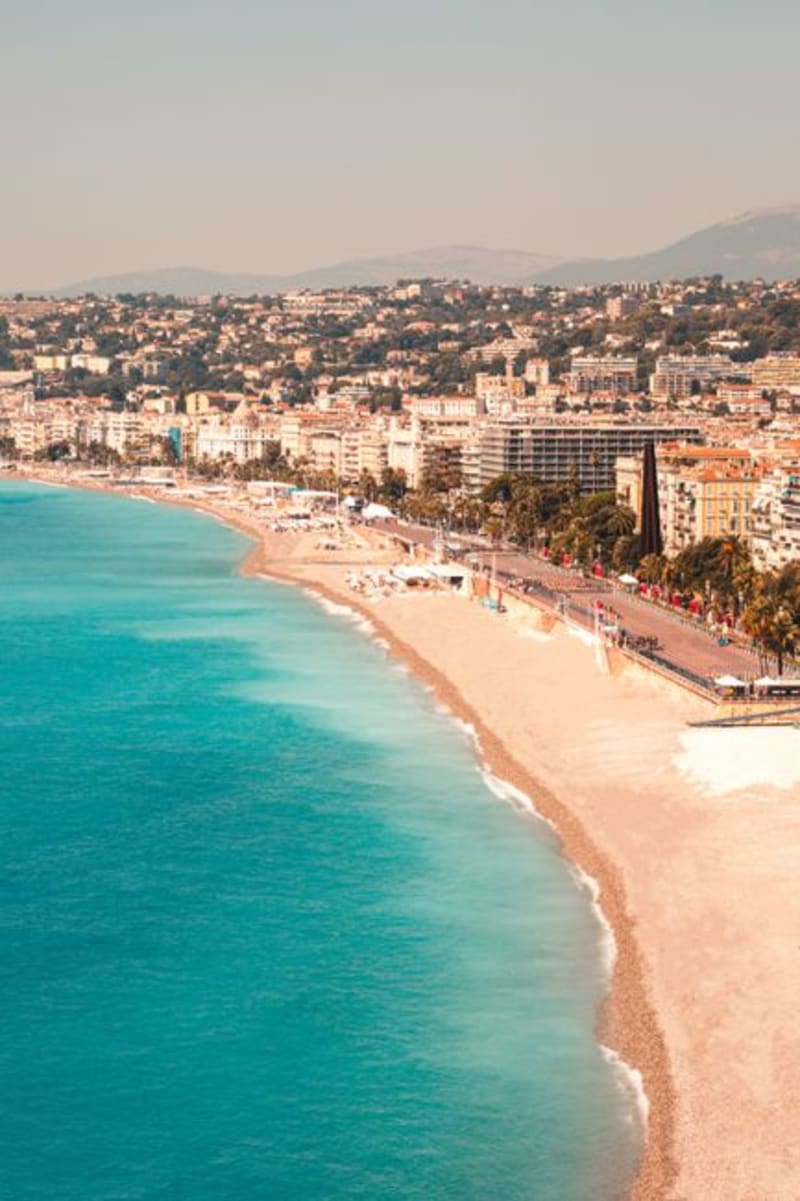 france
 Nice
The unofficial capital of the Côte d'Azur, where the Promenade des Anglais runs for miles along a pebble beach and the old town smells permanently of frying socca.
Explore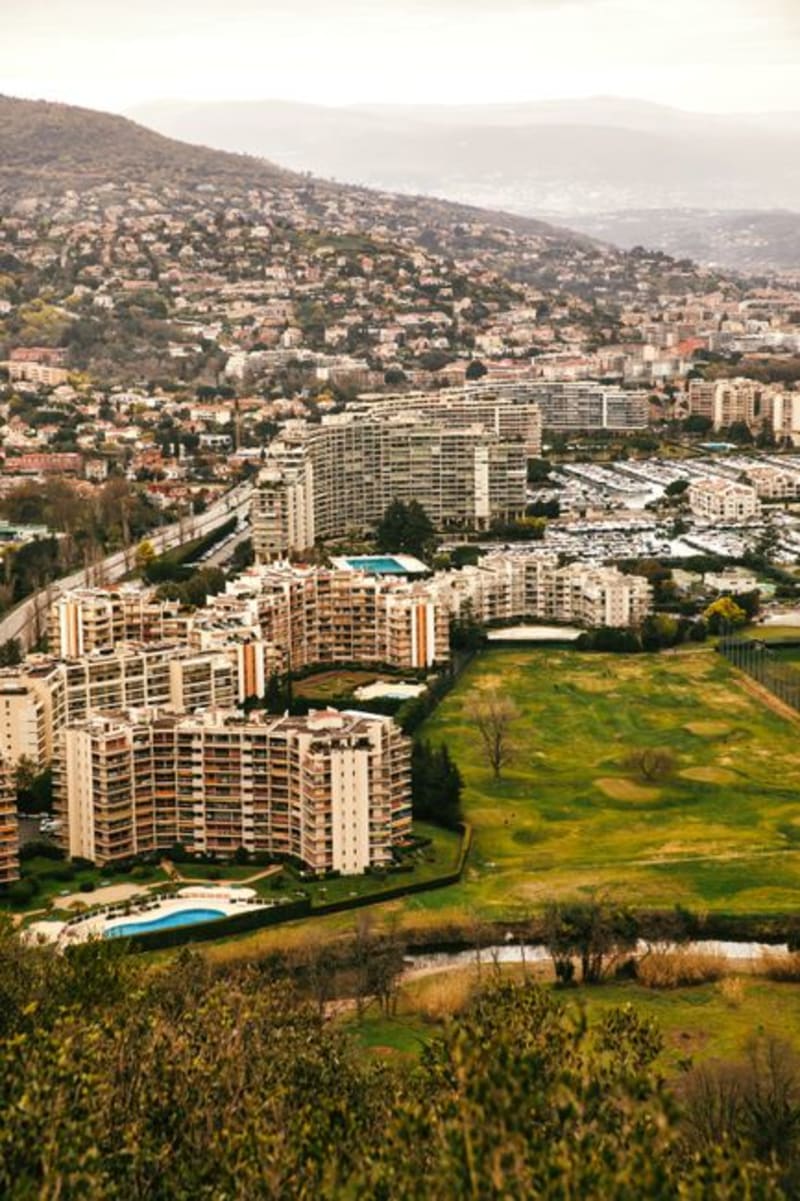 france
 Mandelieu-la-Napoule
A town that smells like mimosa every January and hides a genuinely strange fairy-tale château full of an American sculptor's gargoyles right on its waterfront.
Explore