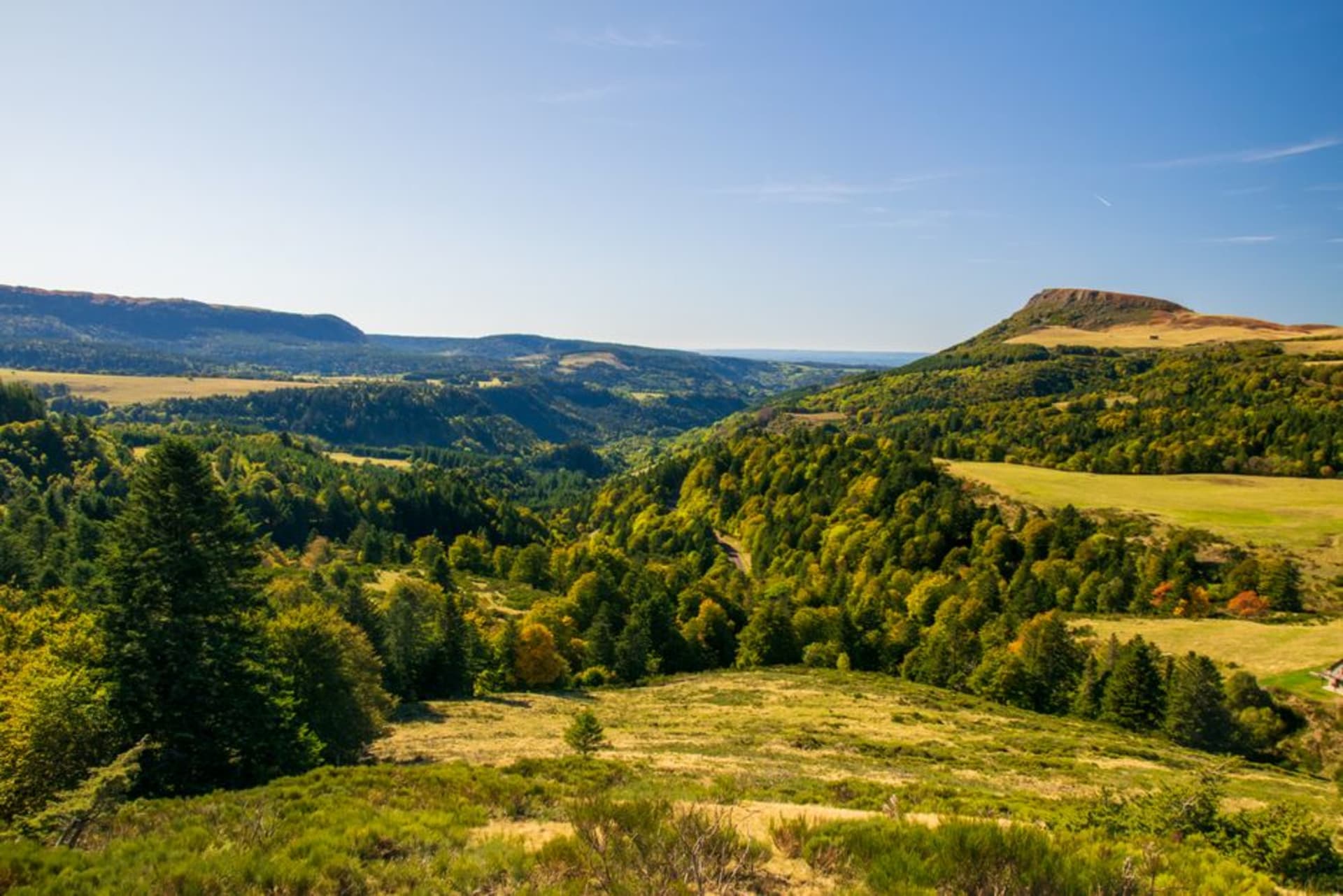
Tourrettes-sur-Loup
"I didn't know a whole village economy could be built on a flower this small until I stood in a field of them here."
The self-declared 'city of violets,' a medieval ramparts village above Vence where an entire local economy once ran on a single small flower, and where a March festival still throws the whole harvest into the streets.

Tourrettes-sur-Loup sits on a rocky spur above the Loup valley, its houses fused into a single defensive ring so complete that the outer walls of the outermost buildings still function as the village ramparts — you can walk a covered street, the Grand’Rue, that runs literally inside the fortification, medieval houses on one side and the original stone wall on the other. It’s the kind of village that photographs as generically pretty from a distance and then rewards you for actually walking into it, which is exactly what happened to Lia and me on a day trip up from Vence: we came for an hour and stayed for the whole afternoon, working through crooked lanes that keep almost meeting themselves.
A village built around a flower
What makes Tourrettes-sur-Loup distinct from every other hill village on this stretch of the Alpes-Maritimes is violets. Starting in the late nineteenth century, growers here began cultivating Victoria and Parme violets on the terraced slopes below the village, first for fresh-cut bouquets shipped to Paris and later, once refrigerated transport made cut flowers less practical, for candied violets and perfume extract sold to the Grasse houses down the coast. The village still calls itself “la cité des violettes,” and the trade never fully died — a handful of growers keep it going, and the town throws a Fête des Violettes each March, when floats decorated entirely in violet petals parade through streets that smell, for one weekend, like a perfume counter.

Inside the ramparts
Inside the walls, the village keeps its medieval logic almost entirely intact — a twelfth-century château at its heart, now the town hall, and a Romanesque church with a carved wooden altarpiece that predates most of what’s built around it. Artisan studios have moved into the ground floors along the Grand’Rue over the past few decades, glassblowers and painters mostly, without tipping the place into the kind of wall-to-wall gallery-town feel that’s swallowed Saint-Paul-de-Vence a few kilometers away. We ended up at a tiny workshop selling candied violets and violet syrup, bought both, and regretted only that we hadn’t bought more once we got home and ran out within the month.

When to go: Come for the Fête des Violettes in March if the flower is the draw — it’s a genuinely local event, not a tourist production. Otherwise, spring and autumn keep the steep lanes comfortable, and the violet fields are most visibly in bloom from February into April.
Keep exploring
More of Côte d'Azur
Keep exploring
More from Côte d'Azur
 france
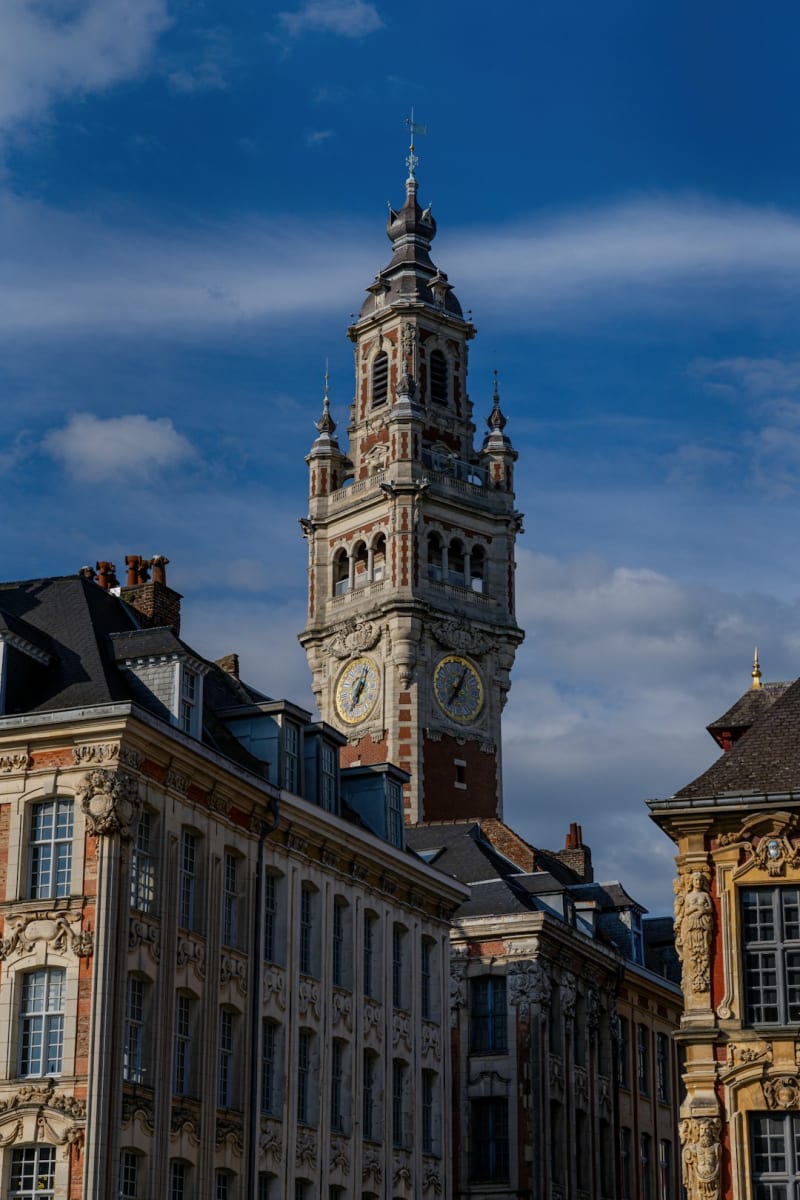
 Vence
A hilltop old town that drew Matisse when he was too sick to paint standing up, and where his chapel still does more with white tile and colored glass than most museums manage with entire collections.
Explore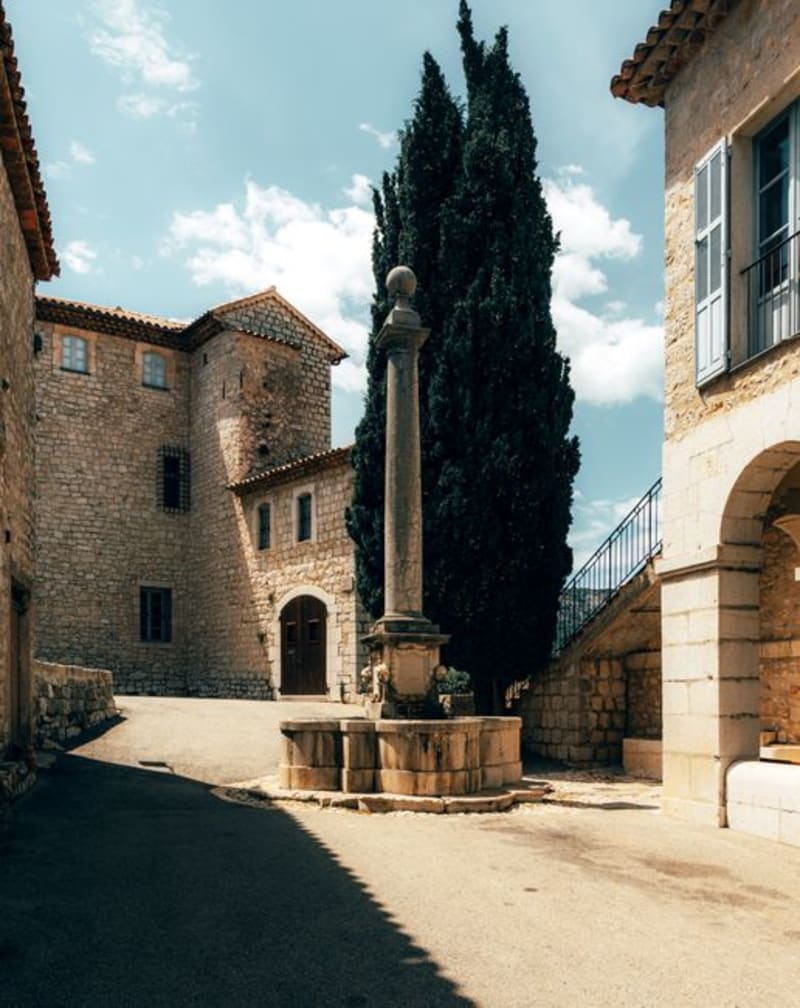 france
 Saint-Paul-de-Vence
A walled hill village that became an art colony almost by accident, with a legendary hotel wall of paintings and one of France's finest modern art foundations just outside its ramparts.
Explore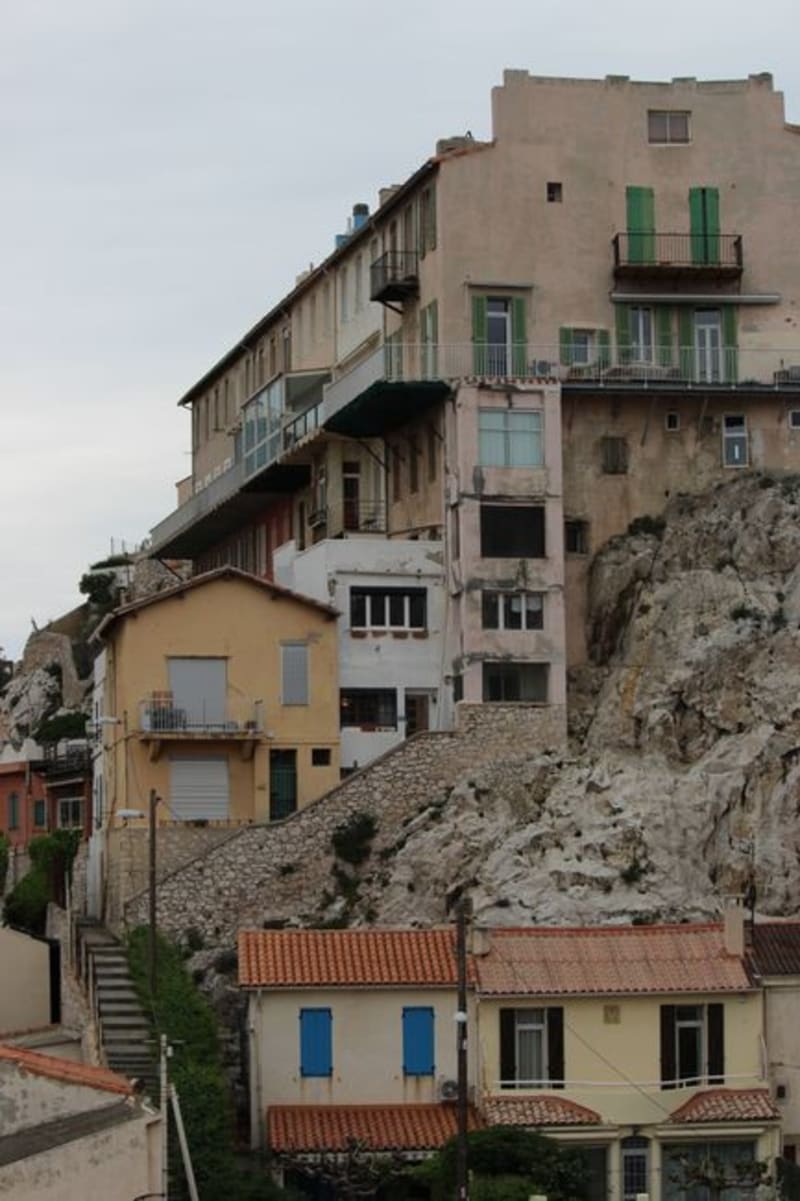 france
 Grasse
The self-declared perfume capital of the world, a hill town above Cannes where the air smells faintly of jasmine and three historic houses still blend scent the old way.
Explore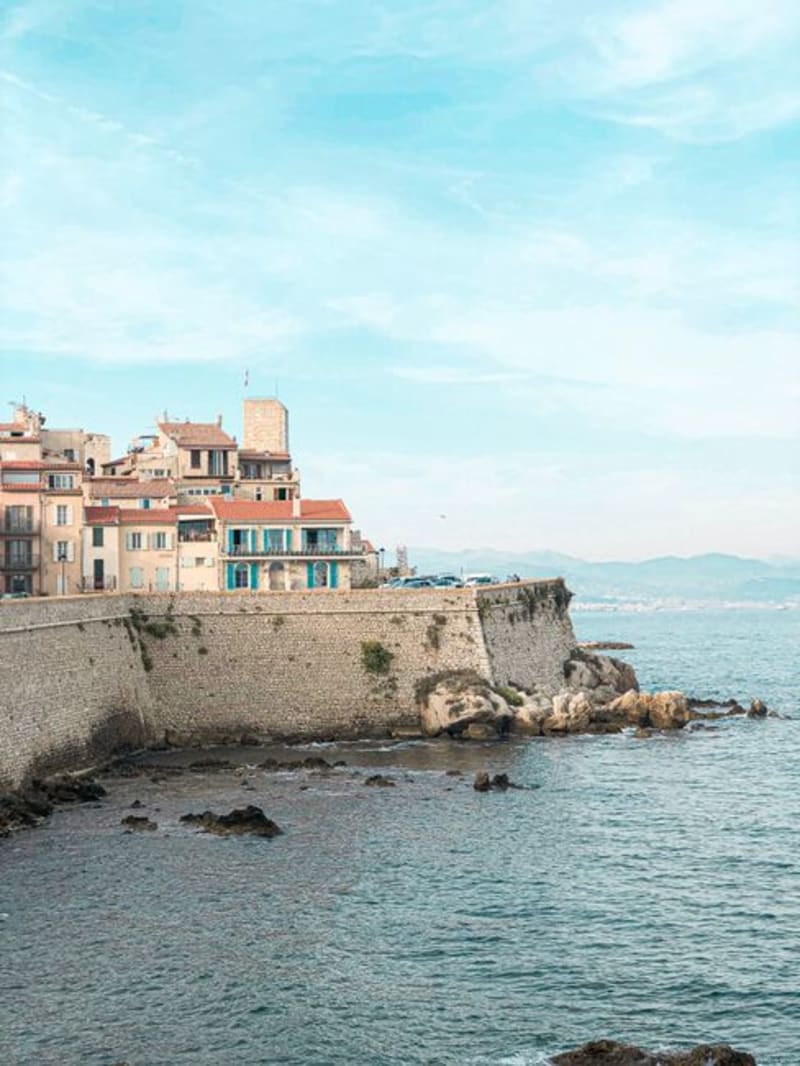 france
 Antibes
A fortified port town where Vauban's ramparts hold back the sea, Picasso once painted in a seafront castle, and the covered market still runs the way it must have before any of that mattered.
Explore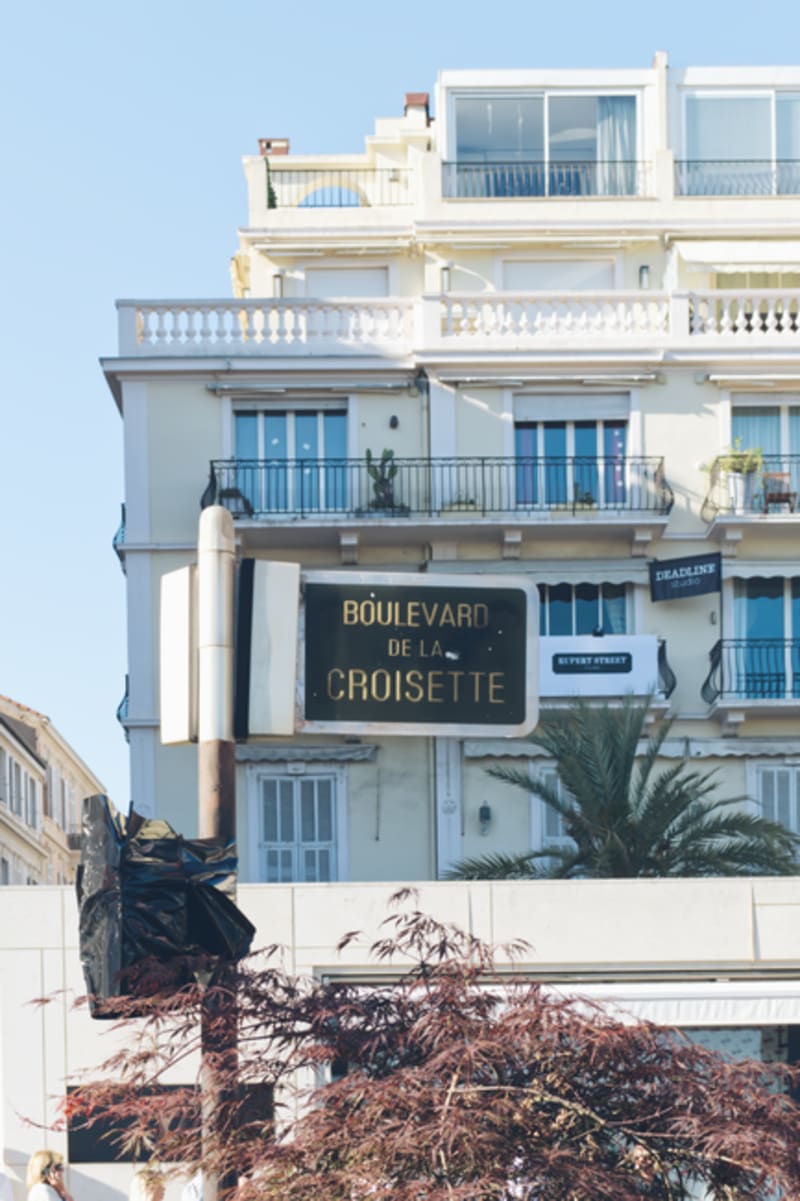 france
 Cannes
A resort town built almost entirely around one curved bay and two weeks of May glamour, with a fishing quarter and a genuinely excellent market that outlast the film festival crowds.
Explore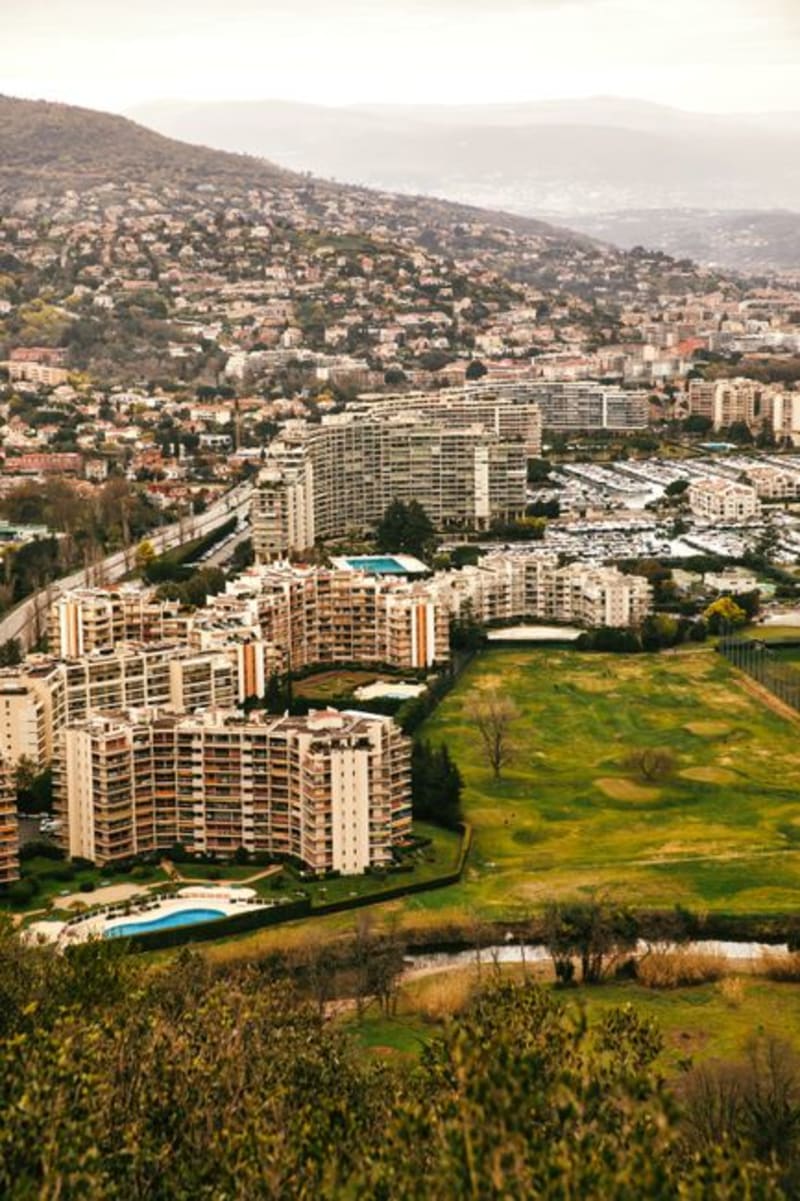 france
 Mandelieu-la-Napoule
A town that smells like mimosa every January and hides a genuinely strange fairy-tale château full of an American sculptor's gargoyles right on its waterfront.
Explore