
Vis
"Vis doesn't try to charm you. It simply is what it is, and that turns out to be enough."
The furthest inhabited island from the Dalmatian coast — a former Yugoslav naval base, still keeping its secrets, still serving the best food in the archipelago.

Vis was closed to foreigners until 1989. The Yugoslav military used the island as a naval base for decades, and the fortifications, bunkers, and tunnels they built into the limestone hills are still there — a strange infrastructure for an island that now makes its living from wine and fish and the kind of travelers who specifically want to be somewhere that not everyone has found. The closure left Vis oddly undeveloped by Adriatic standards. There are no resort hotels. The coastal path has not been prettified for anyone’s benefit. The fishing boats at the Vis town quay look like they are in active use, because they are. The two-hour-plus crossing from Split — the longest in the regular Dalmatian ferry schedule — filters out a significant portion of the day-trip traffic that floods the closer islands, and Vis wears this distance as a kind of quiet confidence.

I spent four days on Vis the first time I came and left feeling I had only skimmed the surface. The two main settlements — Vis town on the northeast and Komiža on the southwest — are different enough to feel like separate islands. Vis town is quieter, more intellectual somehow, the kind of place where you find locals reading in the café by the harbour at ten in the morning and the evenings involve long conversations about wine. Komiža is louder, more fisherman-oriented, built around a Venetian tower that now houses a fishing museum, with a waterfront that in summer becomes a moderately boisterous outdoor restaurant scene. Between them is the interior — limestone scrub, vineyards, a military runway from the Yugoslav era, cave systems you need a local to show you, and hillside trails with views of the open sea that I have not found replicated anywhere else on this coast.
The food on Vis is the best in Dalmatia. I have said this enough times that people assume I am overstating it, and then they eat the viška pogača — a flatbread filled with anchovies and caramelized onion, baked in a wood-fired oven — and stop arguing. The anchovies come from the same waters the fishing boats work each night. The olive oil is pressed from trees whose age no one has bothered to determine. The wine — vugava, the white grape of Vis, grown nowhere else on earth — is dry and slightly mineral, the kind of wine that makes sense only in the place it comes from.

The Blue Cave on nearby Biševo island — the famous sea cave where filtered sunlight turns the water an extraordinary electric blue at midday — is worth doing once, despite the crowds. Take the earliest boat you can find and be inside the cave before the tour groups arrive from Hvar and Korčula. What photographs cannot communicate is the scale: the cave is small, and the blue is more concentrated and stranger than any image suggests, and the boatman’s voice bounces off the walls in a way that makes everything feel larger and more significant than it is. It will be over in ten minutes and you will think about it for longer than that.
When to go: June and September. May if you want the island largely to yourself and don’t mind that some restaurants have not opened yet for the season. The ferry schedule reduces in October, which makes departure planning slightly complicated but not impossible. Avoid August unless you have accommodation booked months in advance — Vis has a small number of beds and fills completely.
Keep exploring
More from Dalmatia
 dalmatia
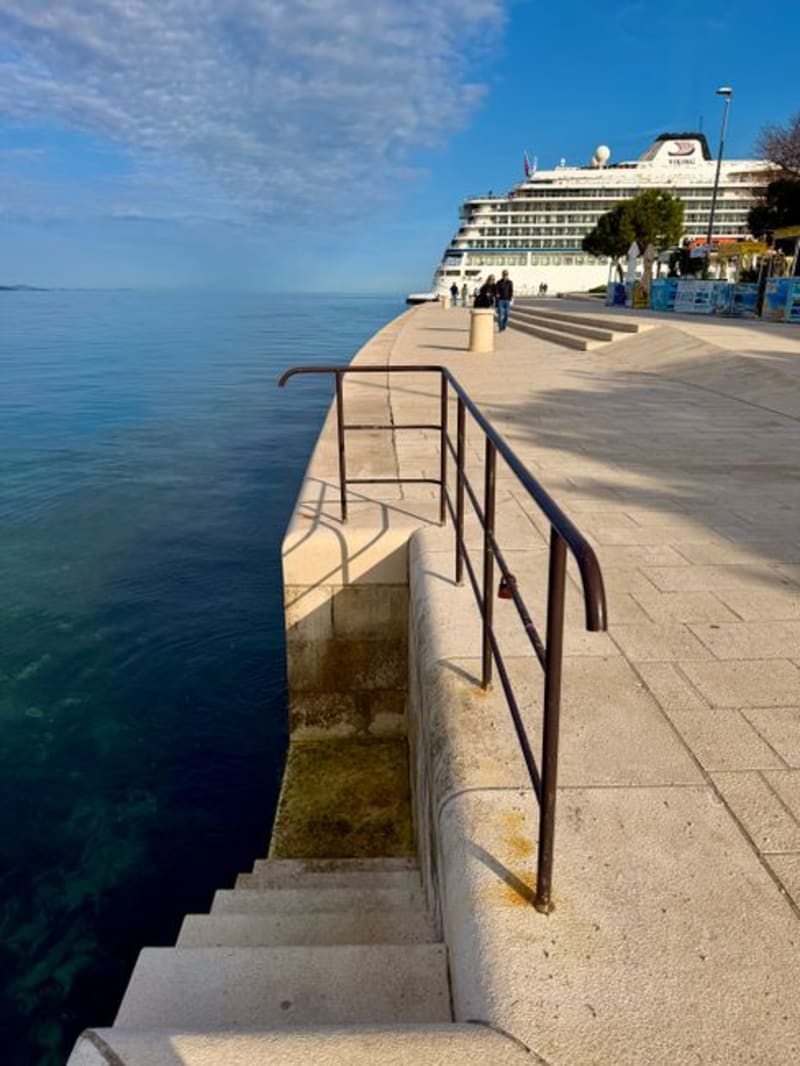
 Zadar
A peninsula city where Roman stones meet the sea's own music, and sunsets once impressed Hitchcock himself.
Explore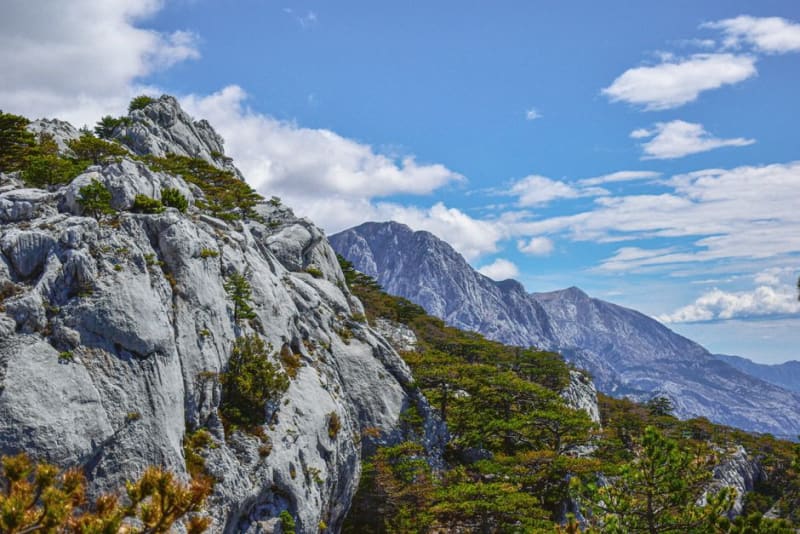 dalmatia
 Biokovo
A jagged coastal mountain range towering over Makarska, capped by a glass skywalk that hangs out over a thousand-meter drop to the Adriatic.
Explore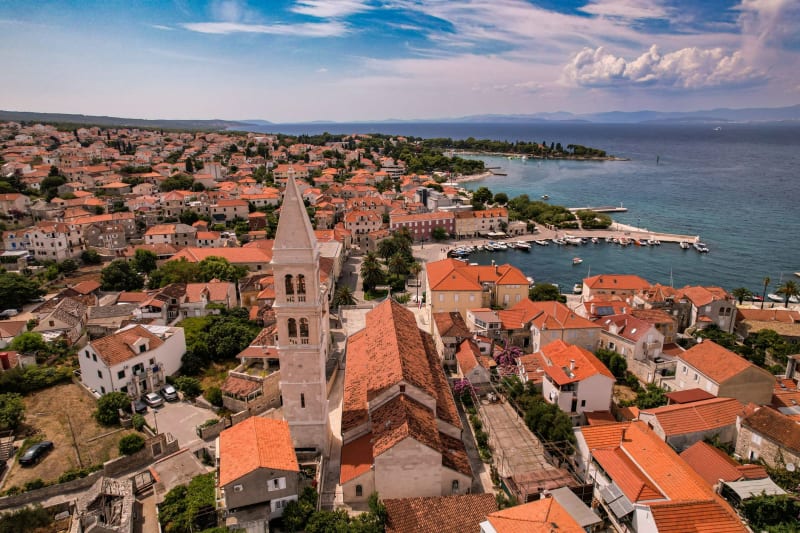 dalmatia
 Brač
An island of white limestone quarried for millennia, where Zlatni Rat's famous shingle point gets all the photographers but the olive groves and stone villages get the silence.
Explore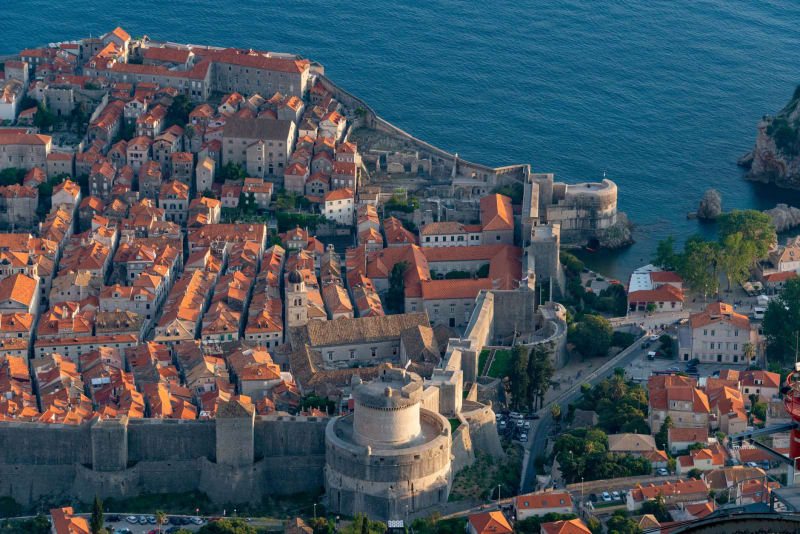 dalmatia
 Dubrovnik
Fortress walls enclosing one of the most formally perfect old cities on earth — best understood before 8am, when it still belongs to itself.
Explore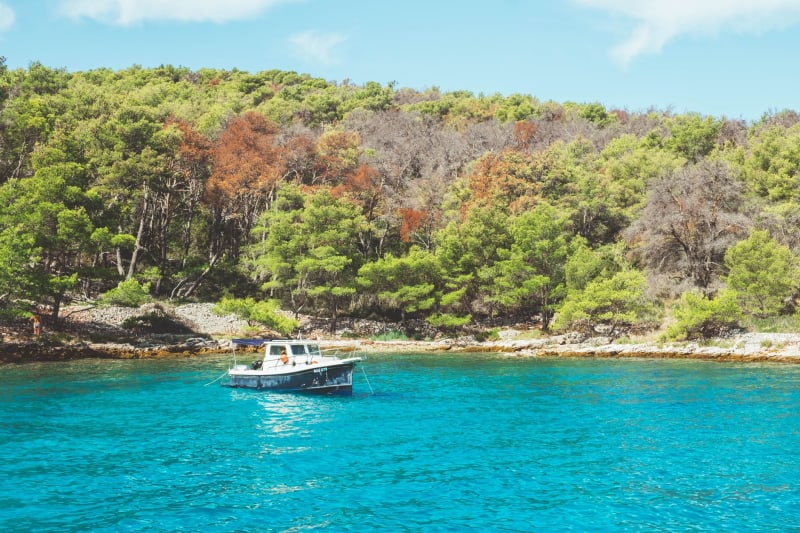 dalmatia
 Hvar
The Adriatic's most famous island has a party harbour and a Venetian centre — but it's the lavender plateau in the interior that explains why people keep coming back.
Explore dalmatia
 Korčula
A medieval walled town on its own peninsula with a fishbone street plan, a disputed claim on Marco Polo, and a bar at the tip where the sun sets over the Pelješac mountains perfectly.
Explore